Metalworking tools are the backbone of any metalworking project. From basic hand tools to specialized equipment, having the right tools can make all the difference in the quality of your work. In this guide, we'll explore the essential tools every metalworker should have in their toolbox, as well as tips for mastering metal forming techniques.

Essential Hand Tools for Metalworking
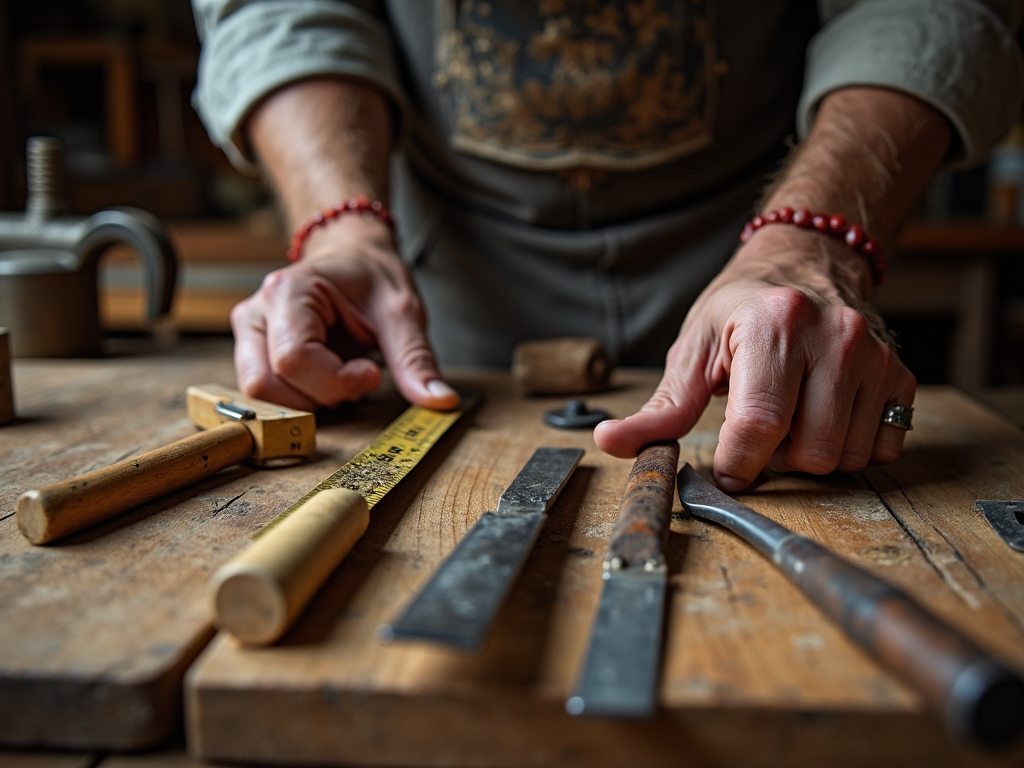
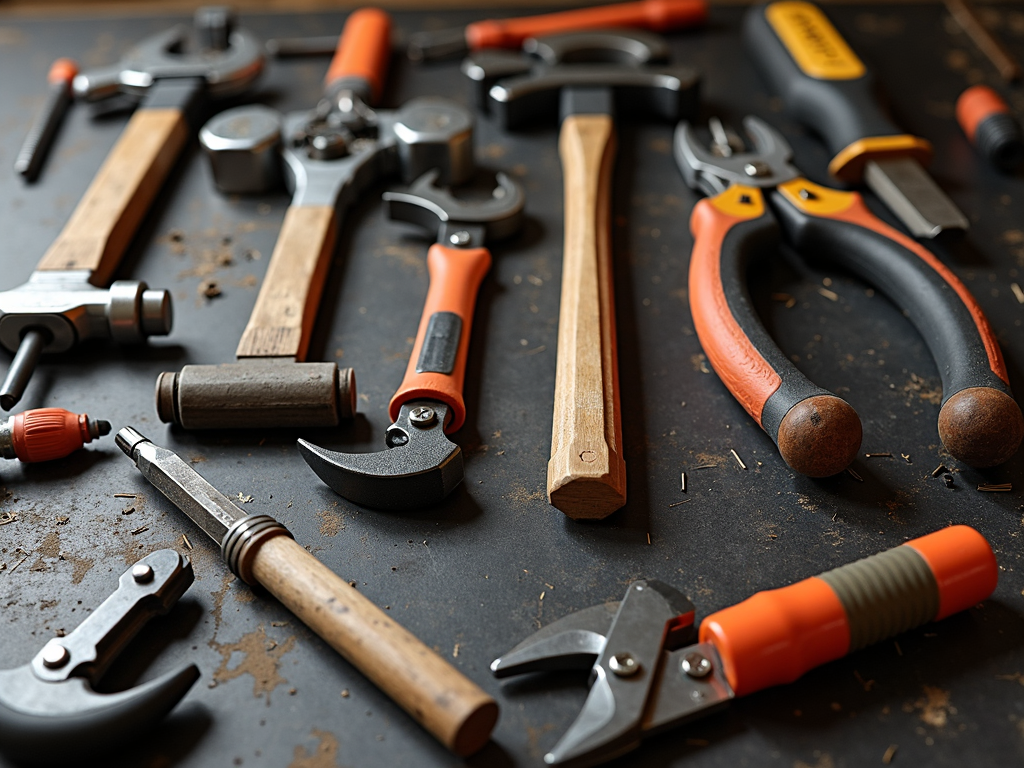
Every metalworker needs a set of basic hand tools to get started. These tools are versatile and can be used for a variety of tasks, from cutting and shaping to joining and finishing.
Some essential hand tools include:
-
Hammers: Used for striking and shaping metal. Look for hammers with a comfortable grip and a head that is appropriate for the type of work you'll be doing.
-
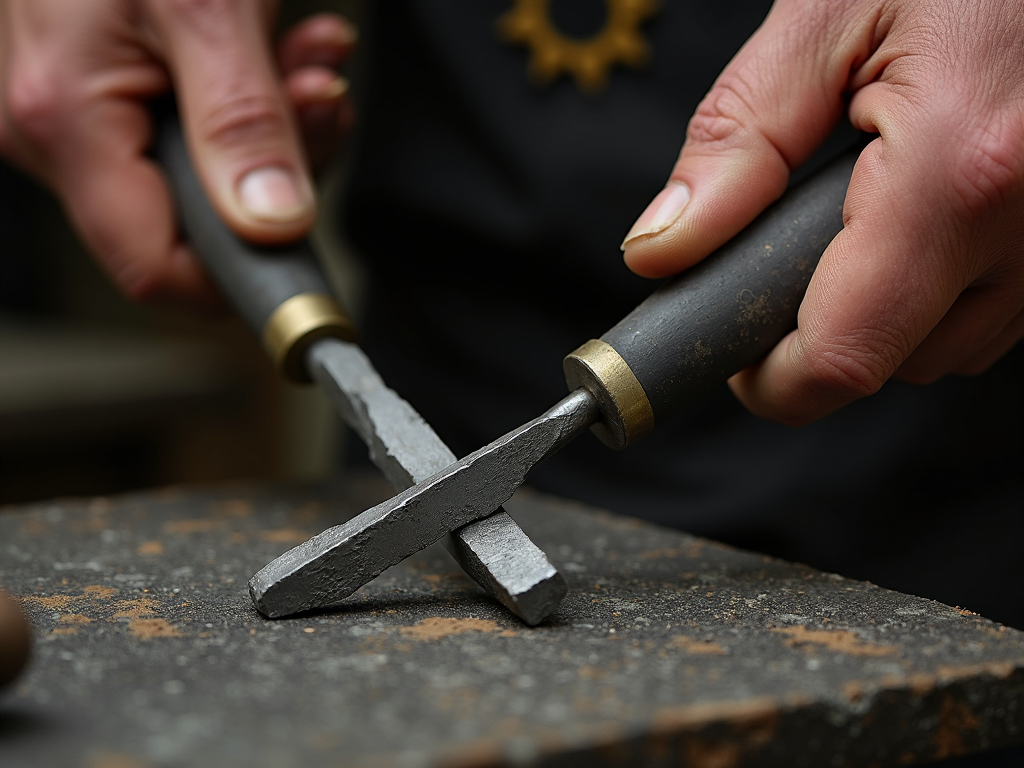
Chisels: Used for cutting and shaping metal. Choose chisels with sharp, durable blades and comfortable handles.
-
Files: Used for smoothing and shaping metal surfaces. Invest in a set of files with different shapes and sizes to handle various tasks.
-
Saws: Used for cutting metal. Hacksaws and jeweler's saws are common choices for metalworking.
When choosing hand tools, look for high-quality options that will last. Cheap tools may seem like a good deal, but they can wear out quickly and may not perform as well as higher-quality alternatives.
Power Tools for Metalworking
While hand tools are essential, power tools can make metalworking tasks faster and more efficient. Some common power tools for metalworking include:
-
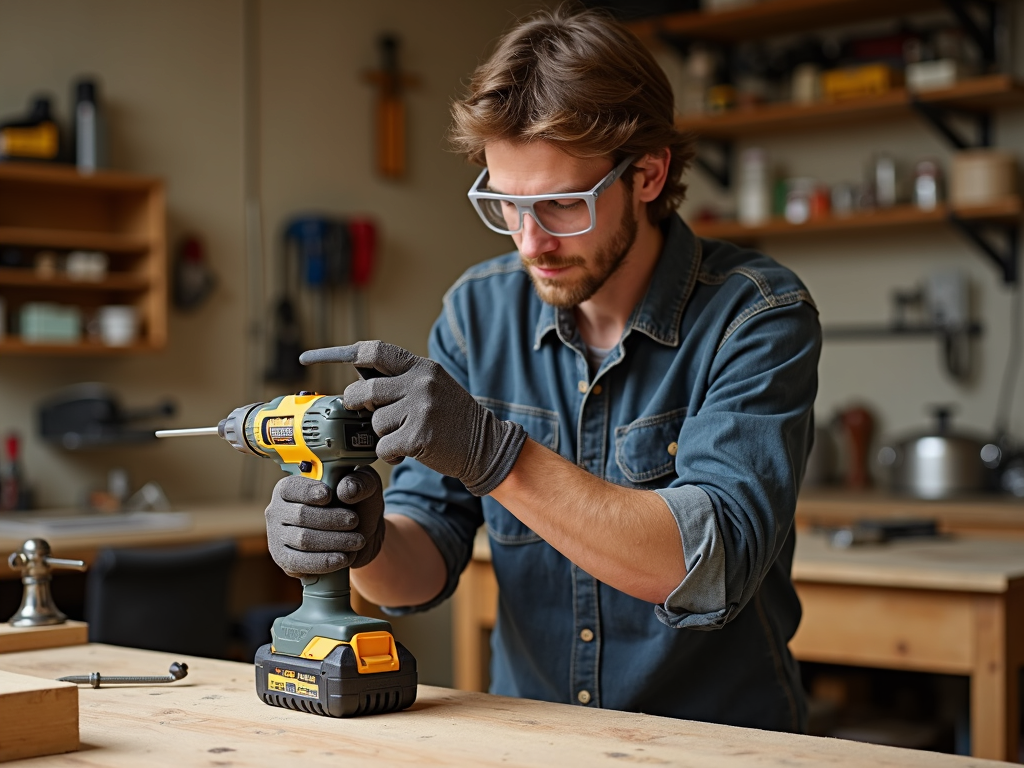
Drills: Used for drilling holes in metal. Look for drills with variable speed settings and a range of drill bit sizes.
-
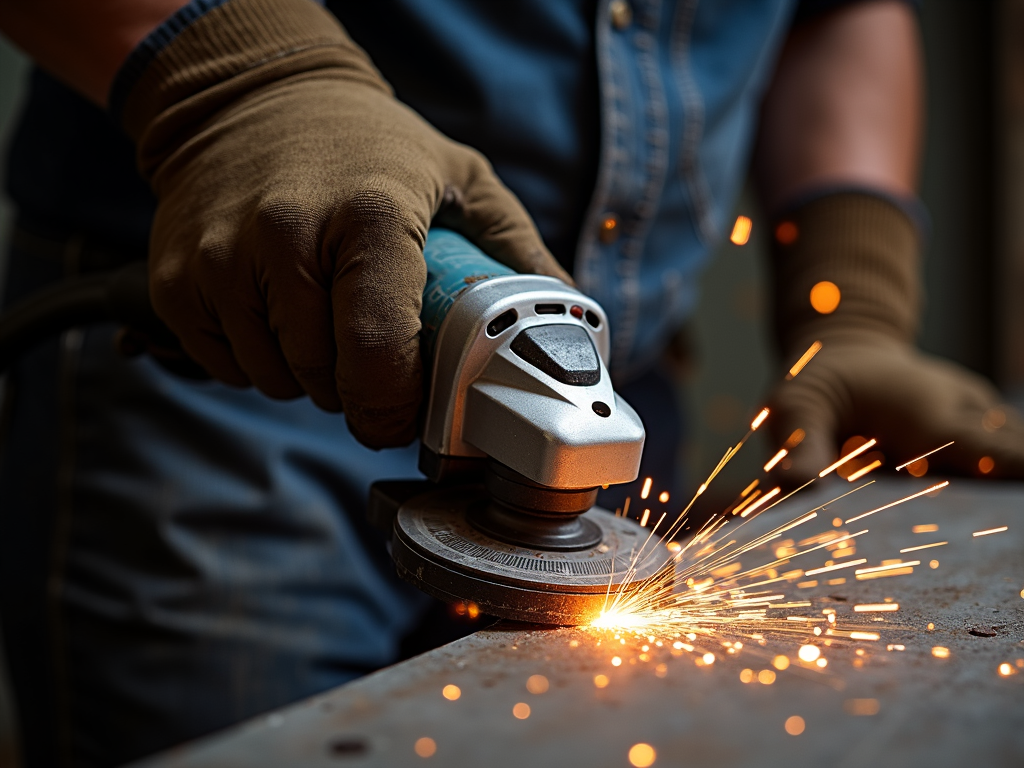
Grinders: Used for grinding and smoothing metal surfaces. Angle grinders are a popular choice for metalworking.
-
Saws: Power saws, such as band saws and circular saws, can make quick work of cutting metal.
-
Welders: Used for joining metal pieces together. There are various types of welders, including MIG, TIG, and stick welders.
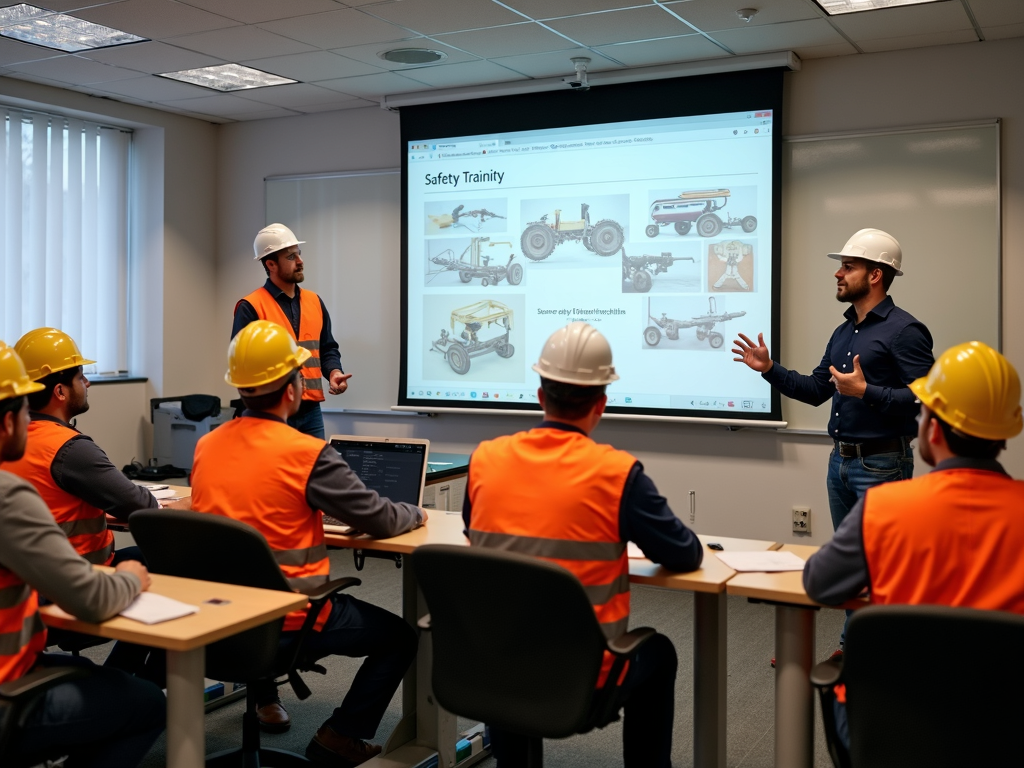
When using power tools, always follow safety precautions and wear appropriate protective gear, such as safety glasses and gloves.
Specialized Tools for Metal Forming
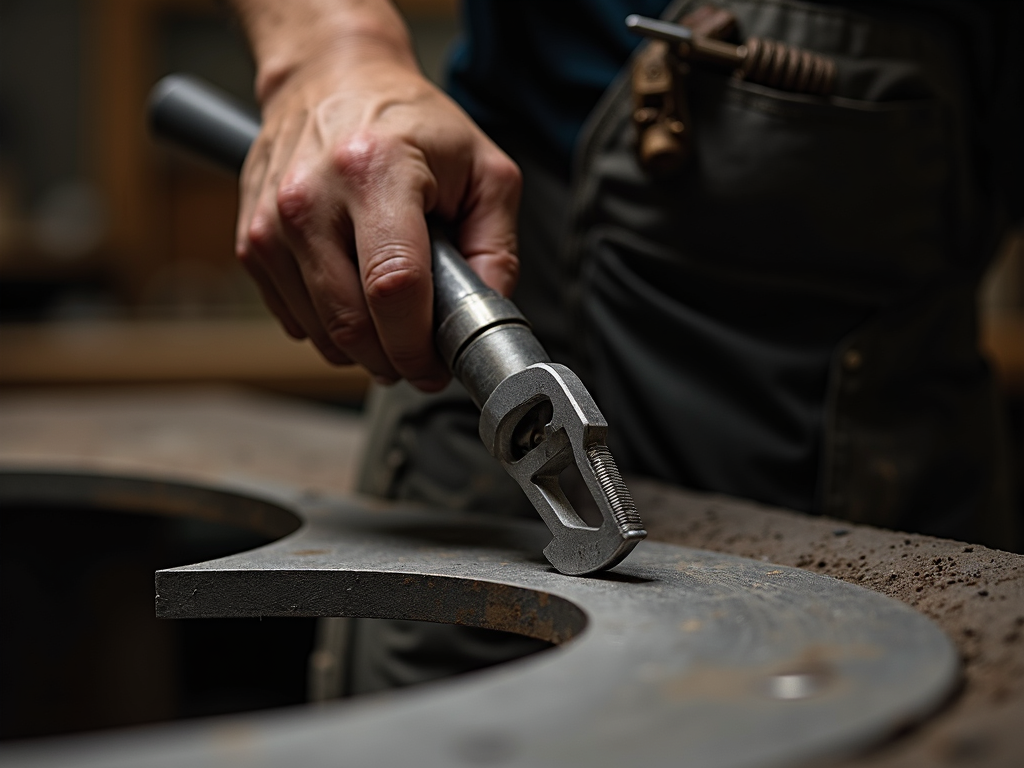
Metal forming is the process of shaping metal into desired forms, such as curves, bends, and folds. To master metal forming, you'll need specialized tools designed for these tasks.
Some specialized tools for metal forming include:
-
Anvils: Used as a base for shaping metal with hammers and other tools.
-
Benders: Used for bending metal into specific shapes. There are various types of benders, such as tube benders and sheet metal benders.
-
Rollers: Used for rolling metal into cylinders or cones.
-
Presses: Used for pressing metal into dies to create specific shapes.
Mastering metal forming takes practice and patience. Start with simple projects and gradually work your way up to more complex shapes.
Toolboxes and Storage Solutions
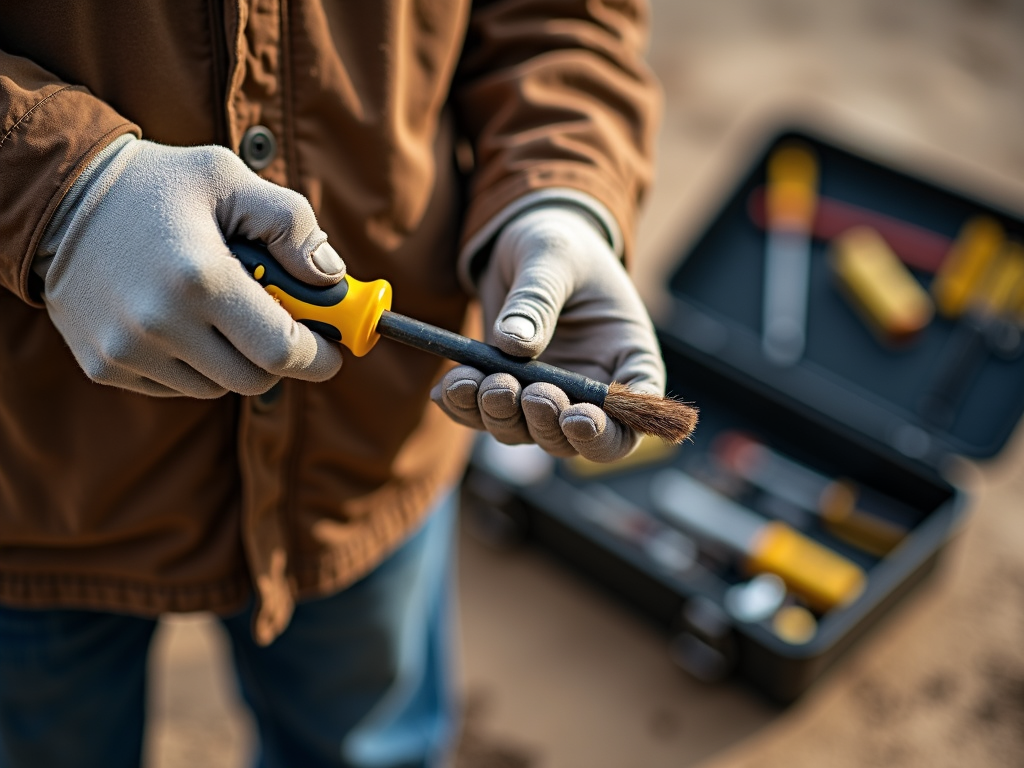
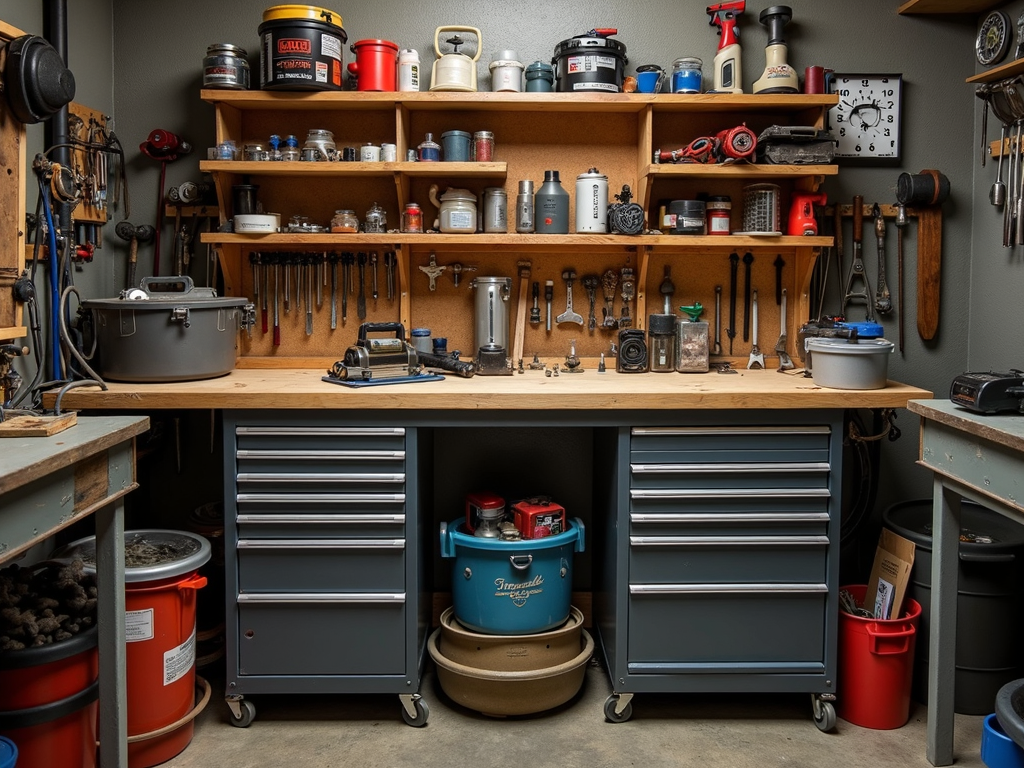
Keeping your metalworking tools organized is essential for efficiency and safety. A good toolbox or storage solution will help you keep track of your tools and protect them from damage.
When choosing a toolbox, look for one with multiple compartments and sturdy construction. Some toolboxes even come with built-in organizers for small parts and accessories.
In addition to a toolbox, consider investing in a workbench with storage drawers or shelves. This will give you a dedicated space to work on your projects and keep your tools within reach.
Tips for Mastering Metal Forming Techniques
Mastering metal forming takes time and practice, but with the right techniques and tools, you can create beautiful and functional metal pieces. Here are some tips to help you get started:
-
Start with simple projects: Begin with basic shapes and gradually work your way up to more complex forms.
-
Use the right tools: Invest in high-quality tools designed for metal forming. Cheap tools may not perform as well and can make the process more difficult.
-
Practice safety: Always wear appropriate protective gear, such as safety glasses and gloves, when working with metal.
-
Learn from others: Watch tutorials, take classes, or join a metalworking community to learn from experienced metalworkers.
-
Experiment and have fun: Don't be afraid to try new techniques and experiment with different metals and tools.
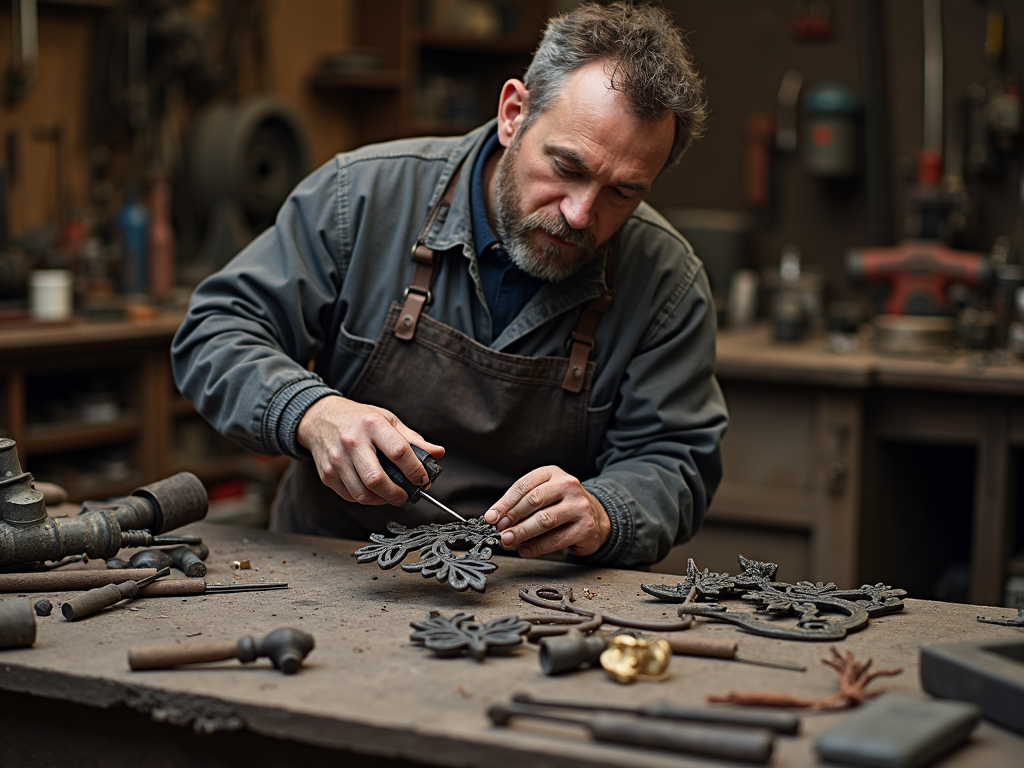
Metalworking tools are essential for anyone working with metal. From basic hand tools to specialized equipment, having the right tools can make all the difference in the quality of your work. By investing in high-quality tools, practicing safety, and continuously learning and experimenting, you can master the art of metal forming and create beautiful and functional metal pieces.
Related The Ultimate Guide to Metalworking Tools:
- Maintenance Tips for Workman Tools: A Comprehensive Guide for Construction Professionals
- Mastering Craftsmanship: Essential Tool Techniques
- 10 Must-Have Tools for Every Workshop
- Extending Tool Longevity with Routine Checks: A Comprehensive Guide
- Unlocking the Benefits of Oscillating Tools for Tight Spaces
- Advanced Troubleshooting Techniques for Electricians
- The Painter’s Toolkit: Essential Tools and How to Care for Them
- Power Drill Safety Tips for Beginners
- Modern Workman Tools with Ergonomic Design: Comfort Meets Efficiency
- Tips for Setting Up a Productive Home Office
- 10 Essential Tools for Your Workshop
- Training Programs for Construction Workers: Enhancing Safety and Skills