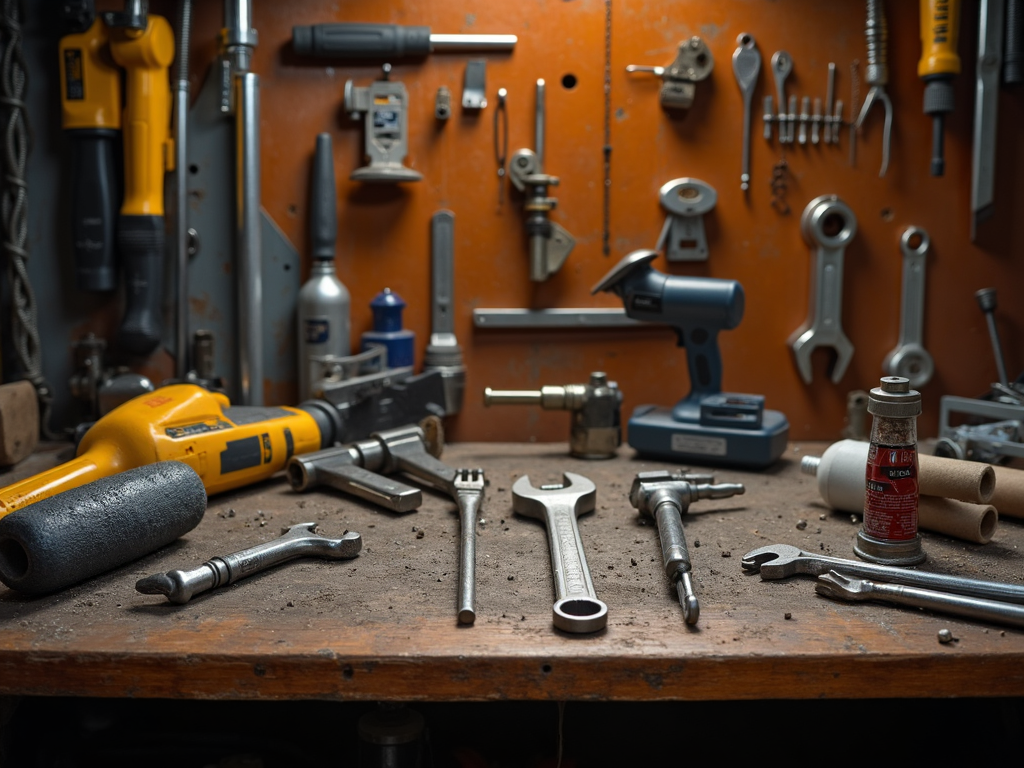
Workman tools for electrical work are essential for anyone involved in electrical installations, repairs, or maintenance. These tools not only make the job easier but also ensure safety and precision. In this guide, we'll explore the must-have tools for electrical work, share personal experiences, and provide practical tips to help you choose the right tools for your needs.
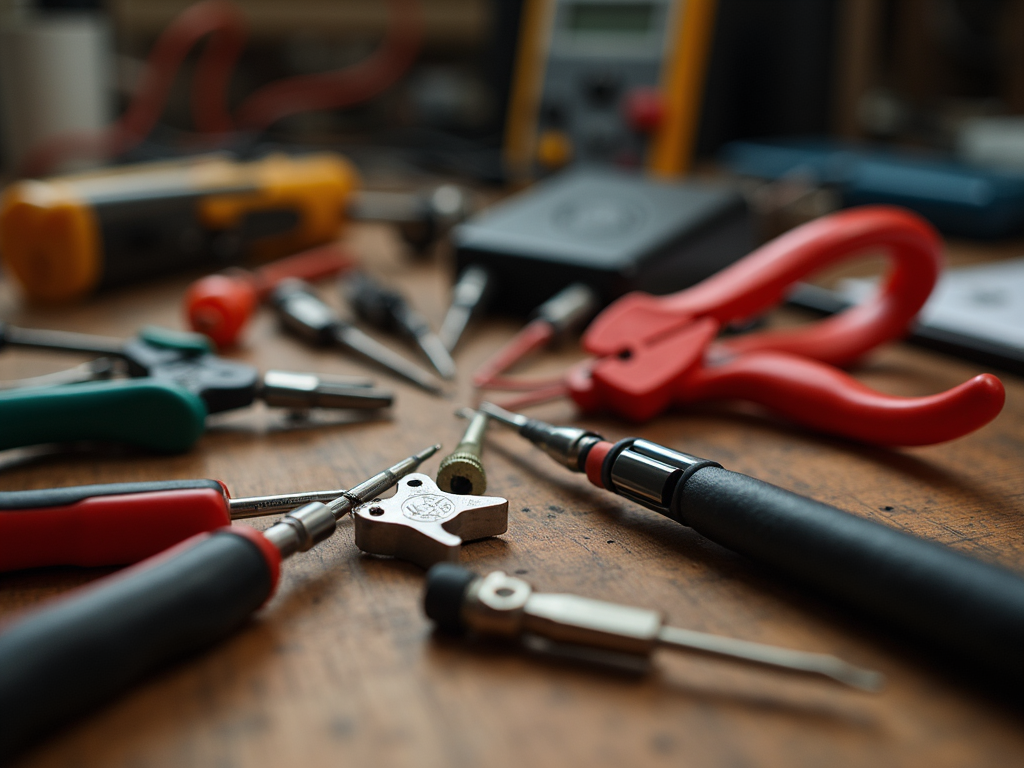
When it comes to electrical work, having the right tools is crucial. Over the years, I've learned that investing in quality tools not only saves time but also reduces the risk of accidents. Let's dive into the essential tools every electrician should have in their toolkit.
1. Pliers
Pliers are a staple in any electrician's toolkit. They come in various types, each serving a specific purpose: - Lineman's Pliers: Ideal for cutting, bending, and twisting wires. - Needle-Nose Pliers: Perfect for reaching into tight spaces and handling small components. - Diagonal Pliers: Used for cutting wires and removing insulation.
From my experience, a good pair of lineman's pliers can make a world of difference. I once had to rewire an old house, and the precision and grip of my pliers made the job much smoother. For those interested in learning more about the different types of pliers, check out this comprehensive guide on pliers from Electrical Engineering.

2. Screwdrivers
Screwdrivers are another essential tool for electrical work. They are used to tighten or loosen screws in electrical panels, outlets, and switches. It's important to have a variety of screwdrivers, including: - Flathead Screwdrivers: For screws with a single slot. - Phillips Screwdrivers: For screws with a cross-shaped slot. - Insulated Screwdrivers: To protect against electrical shock.
I remember a time when I was working on a live circuit (not recommended without proper precautions), and my insulated screwdriver saved me from a potential shock. Always prioritize safety and use the right tools for the job.
3. Wire Strippers
Wire strippers are used to remove the insulation from electrical wires without damaging the conductor. They come in various sizes to accommodate different wire gauges. A good wire stripper should have: - Adjustable blades for different wire sizes. - A comfortable grip for extended use. - A built-in cutter for trimming wires.
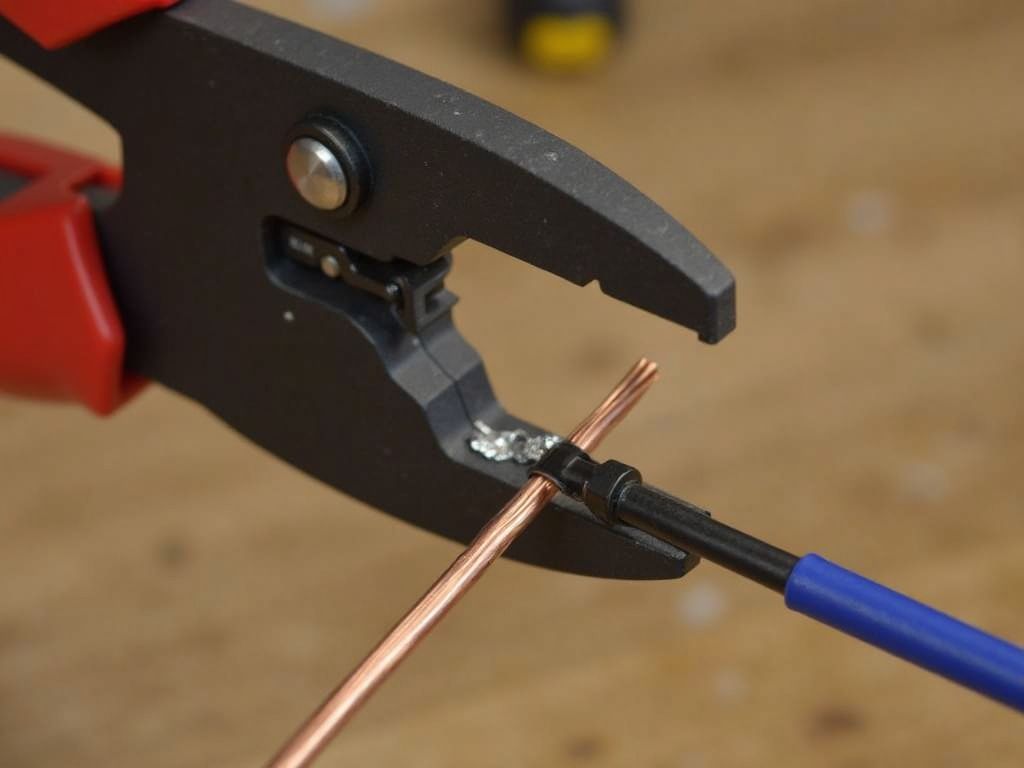
In my early days, I struggled with cheap wire strippers that often nicked the wire, leading to potential failures. Investing in a high-quality pair made a significant difference in my work quality.
4. Multimeter
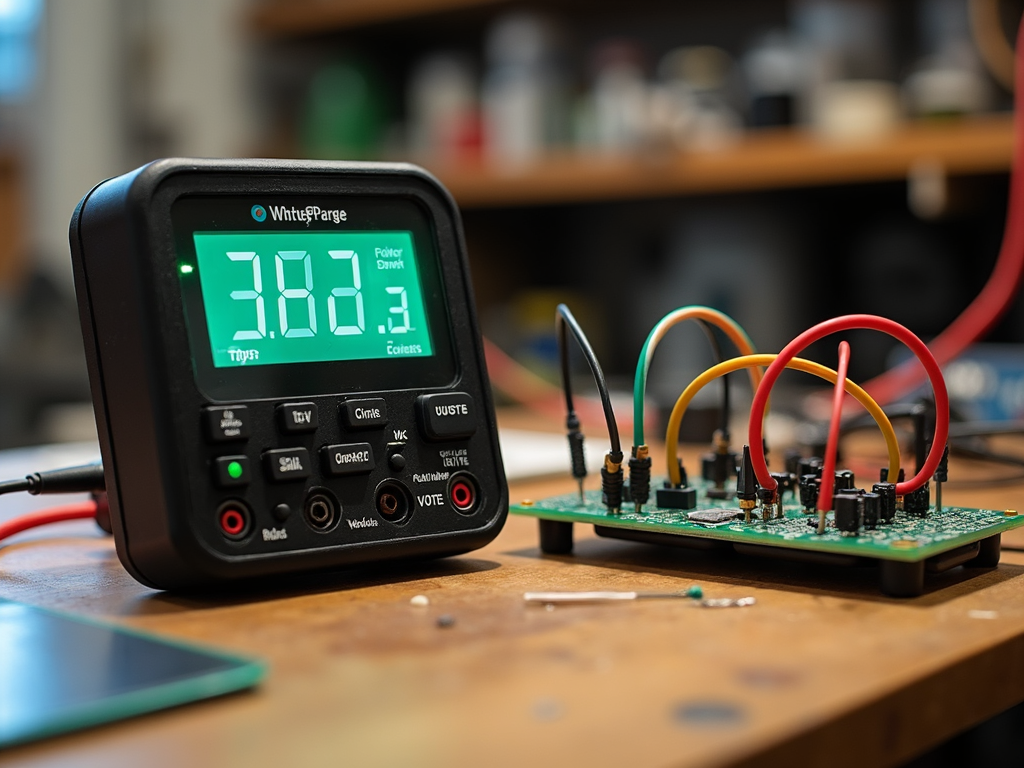
A multimeter is an indispensable tool for diagnosing electrical issues. It can measure voltage, current, and resistance, helping you identify problems in circuits. When choosing a multimeter, look for: - Digital display for easy reading. - Auto-ranging feature for convenience. - Safety ratings suitable for your work environment.
I once had to troubleshoot a faulty outlet, and my multimeter helped me quickly identify a short circuit. For a detailed guide on using multimeters, I recommend this tutorial from the National Electrical Manufacturers Association.
5. Voltage Tester
A voltage tester is a simple yet vital tool for ensuring that circuits are de-energized before working on them. It can detect the presence of voltage without direct contact, adding an extra layer of safety.
I always double-check with a voltage tester before starting any electrical work. It's a small step that can prevent serious accidents.
6. Fish Tape
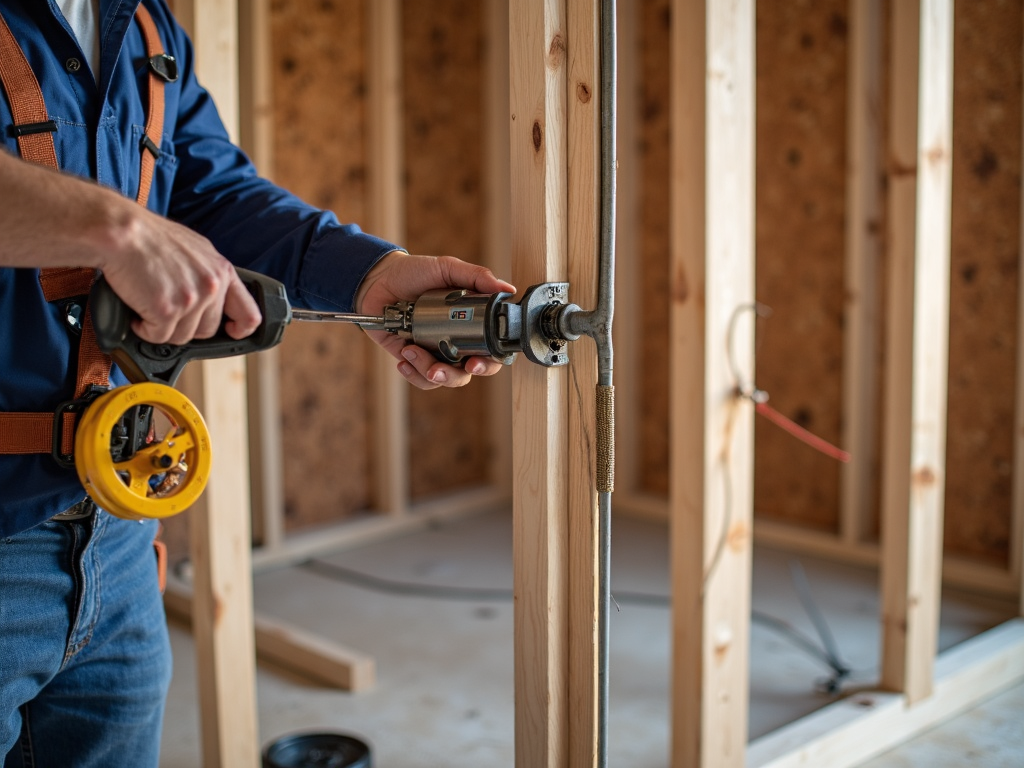
Fish tape is used to pull wires through conduits or walls. It's especially useful in renovation projects where you need to run new wires without tearing down walls.
During a home renovation, I used fish tape to route new wiring through existing walls, saving time and minimizing damage. It's a tool that every electrician should have in their arsenal.
7. Tool Belt or Bag
Keeping your tools organized and easily accessible is crucial for efficiency. A good tool belt or bag can help you carry your tools comfortably and keep them within reach.
I prefer a tool belt with multiple pockets for different tools. It keeps everything organized and prevents me from misplacing tools on the job site.
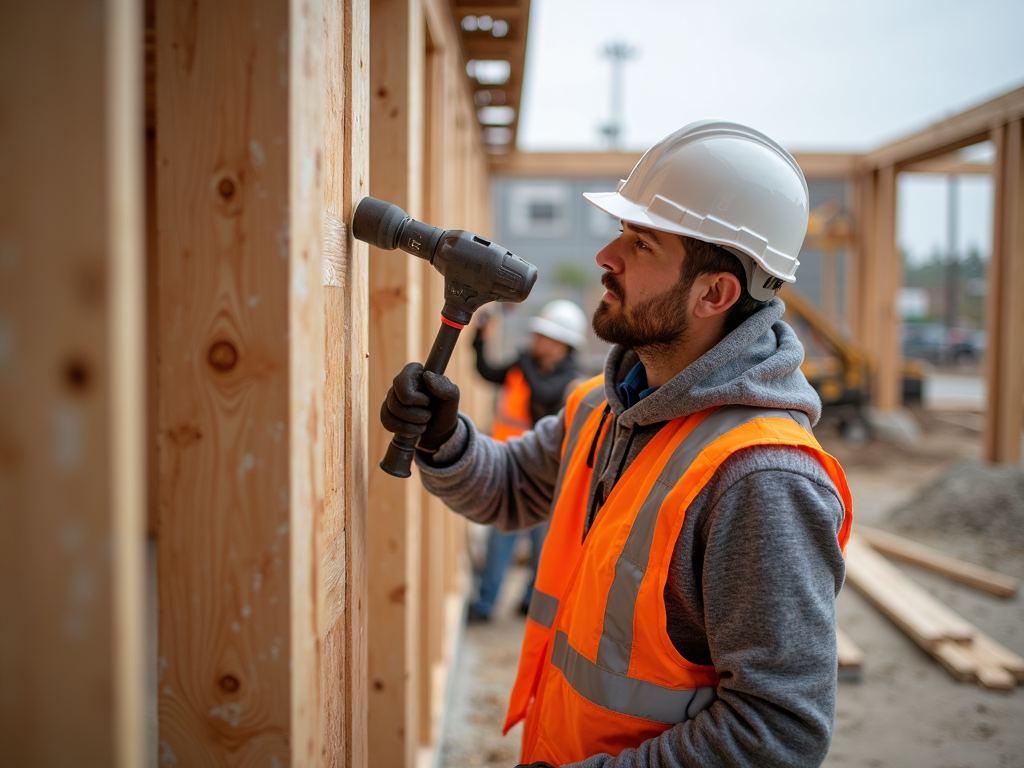
In addition to these essential tools, there are other tools that can be useful depending on the specific task. For example, a hammer for securing electrical boxes, a level for ensuring straight installations, and a flashlight for working in dimly lit areas.
When choosing workman tools for electrical work, it's important to consider quality and durability. Cheap tools may save money upfront but can lead to frustration and safety hazards in the long run. Invest in reputable brands and always prioritize safety features.
For those interested in expanding their toolkit, I recommend checking out this list of essential tools for electricians from Electrical Contractor Magazine.
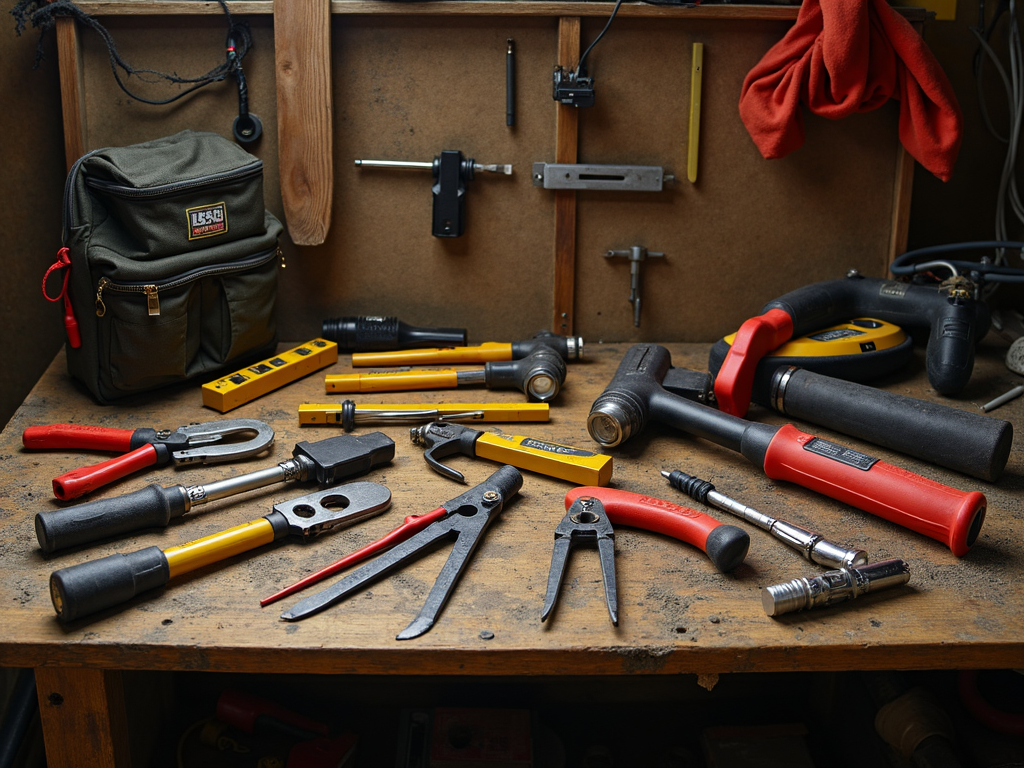
In conclusion, having the right workman tools for electrical work is essential for safety, efficiency, and quality. By investing in quality tools and using them correctly, you can tackle any electrical project with confidence. Remember to always prioritize safety and continue learning to stay updated with the latest tools and techniques.
Related workman tools for electrical work:
- How to Choose the Right Pliers for Electrical Work
- The Benefits of Ergonomic Tools in the Workplace: Enhancing Productivity and Well-being
- A Comprehensive Guide to OSHA’s Construction Safety Standards
- Investing in Quality: Why It Pays Off for Contractors
- Essential Tools Every Painter Needs in Their Toolkit
- Essential Tools for Contractors: A Comprehensive Guide
- Picking the Perfect Power Drill: A Buyer’s Guide
- Safety First: Electrical Safety Tips for Workman Tools
- The Ultimate Guide to Tool Belts with Customizable Pockets
- Speed Up Your Painting Projects: 10 Must-Have Tools for Efficiency
- Top 10 Must-Have Tools for Every Contractor
- How to Prepare Surfaces for Painting: A Complete Guide for Professional Results