Whether you're a professional painter or a DIY enthusiast, having the right tools in your toolkit is crucial for achieving high-quality results. In this article, we'll explore the essential tools that every painter should have, from basic brushes to advanced equipment. We'll also share personal insights and tips to help you make the most of your painting projects.
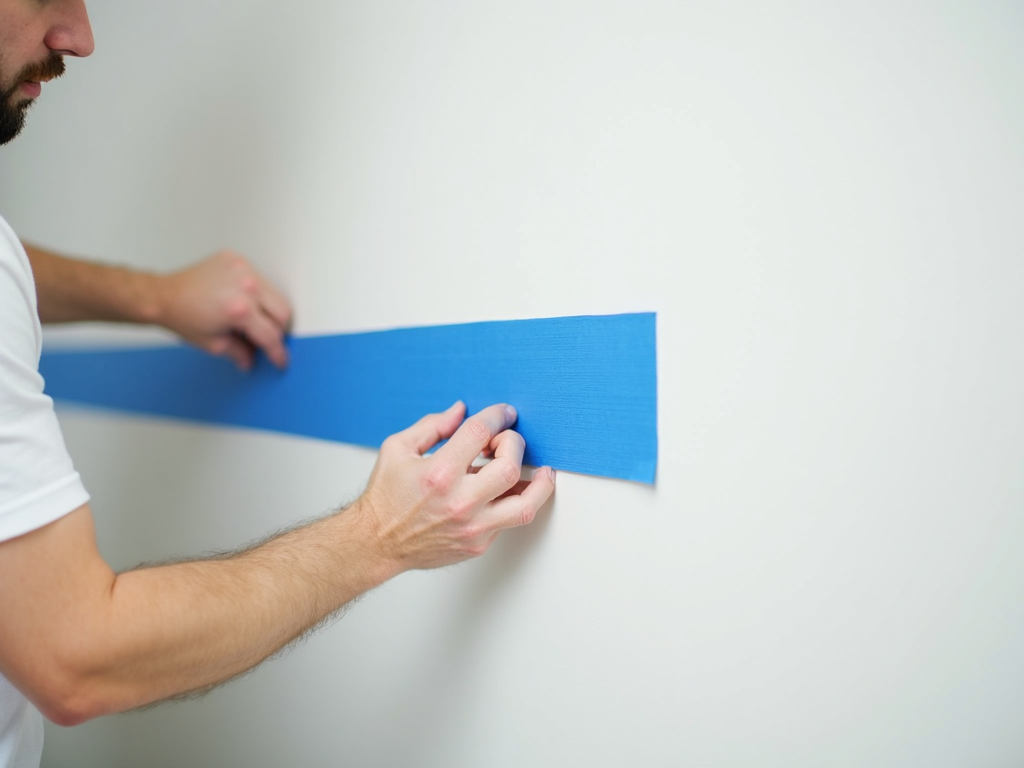
Before you even pick up a brush, proper preparation is key to a successful painting project. One of the most important tools in this stage is painter's tape. I've learned from experience that not all tapes are created equal. Investing in a high-quality tape, like 3M ScotchBlue Original Painter's Tape, can save you hours of frustration. It adheres well to surfaces and removes cleanly, ensuring sharp, professional-looking edges.
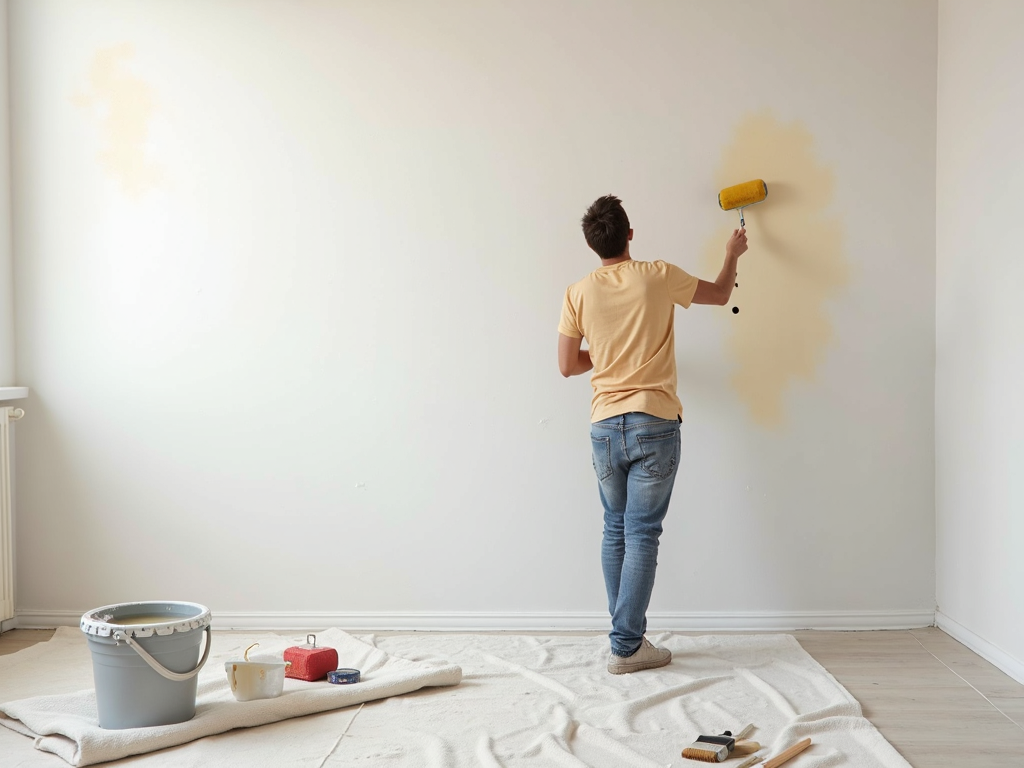
Another essential preparation tool is a sturdy drop cloth. I've tried various types, from plastic sheets to canvas, and I always come back to canvas for its durability and reusability. A good drop cloth not only protects your floors and furniture but also provides a stable surface to work on.
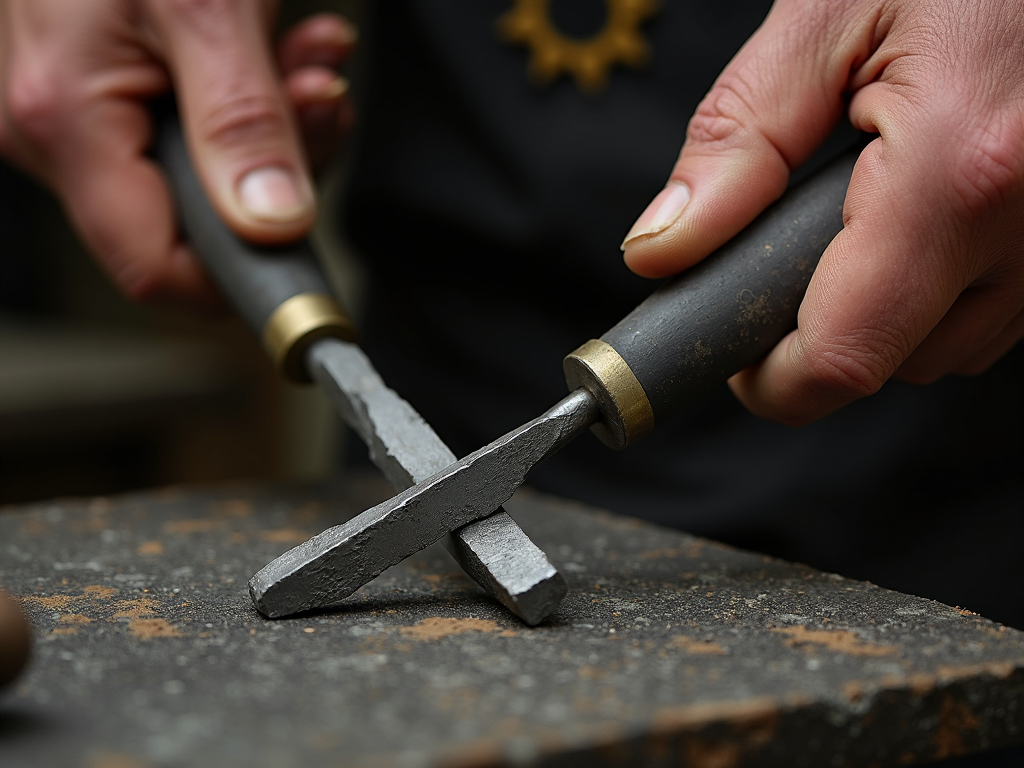
Sandpaper is crucial for smoothing out surfaces before painting. I recommend having a variety of grits on hand, from coarse to fine, to tackle different tasks. Pair that with a putty knife for filling in holes and cracks, and you'll be well on your way to a flawless finish.
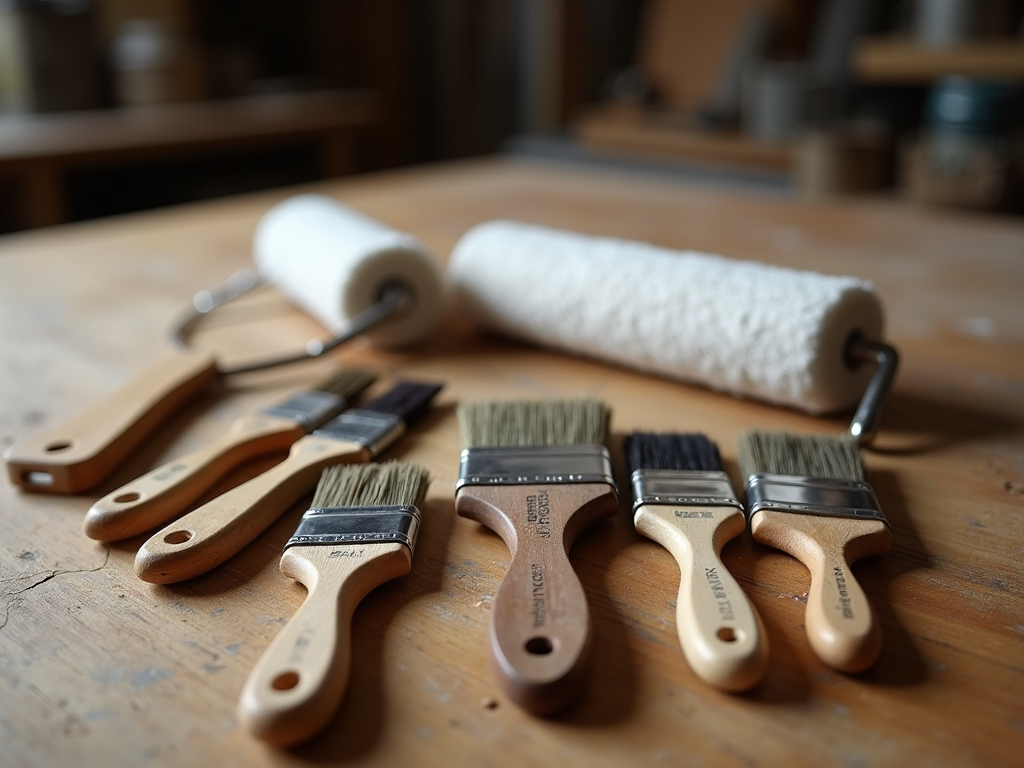
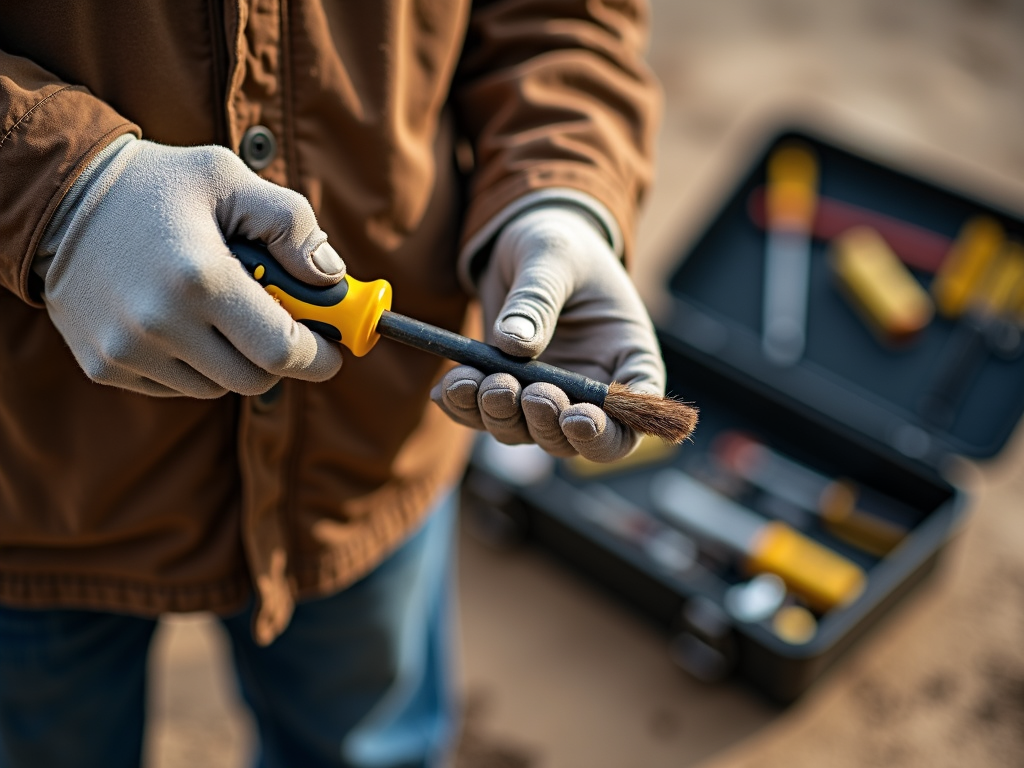
When it comes to applying paint, the right brush can make all the difference. For most interior and exterior painting, I swear by a 2.5-inch angled sash brush. It's versatile enough for cutting in and detailed work, yet covers large areas efficiently. Look for brushes with synthetic bristles for water-based paints and natural bristles for oil-based paints.
Rollers are indispensable for covering large surfaces quickly. I prefer using a 9-inch roller with a 3/8-inch nap for walls and a smaller 4-inch roller for trim and tight spaces. Don't forget to invest in quality roller covers; they make a noticeable difference in the final finish.
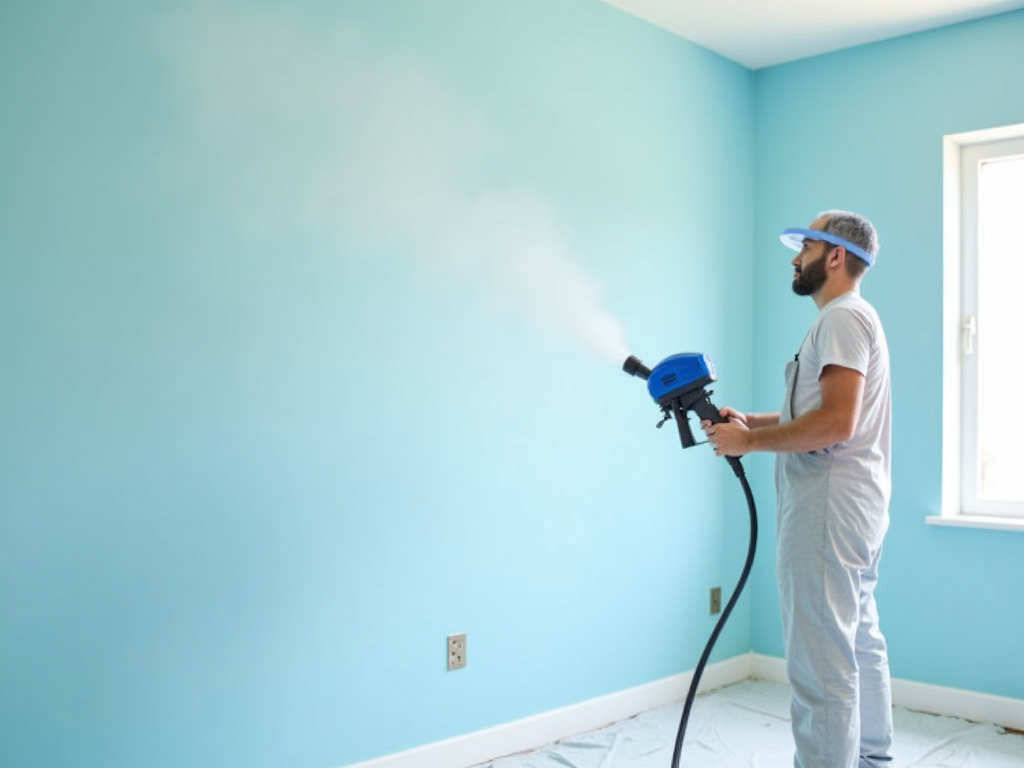
For those looking to take their painting to the next level, a paint sprayer can be a game-changer. It allows for a smooth, even coat and can significantly speed up the process. However, it requires practice to master, so I recommend starting with smaller projects to get the hang of it. To learn more about professional painting techniques, visit the Painting Contractors Association.
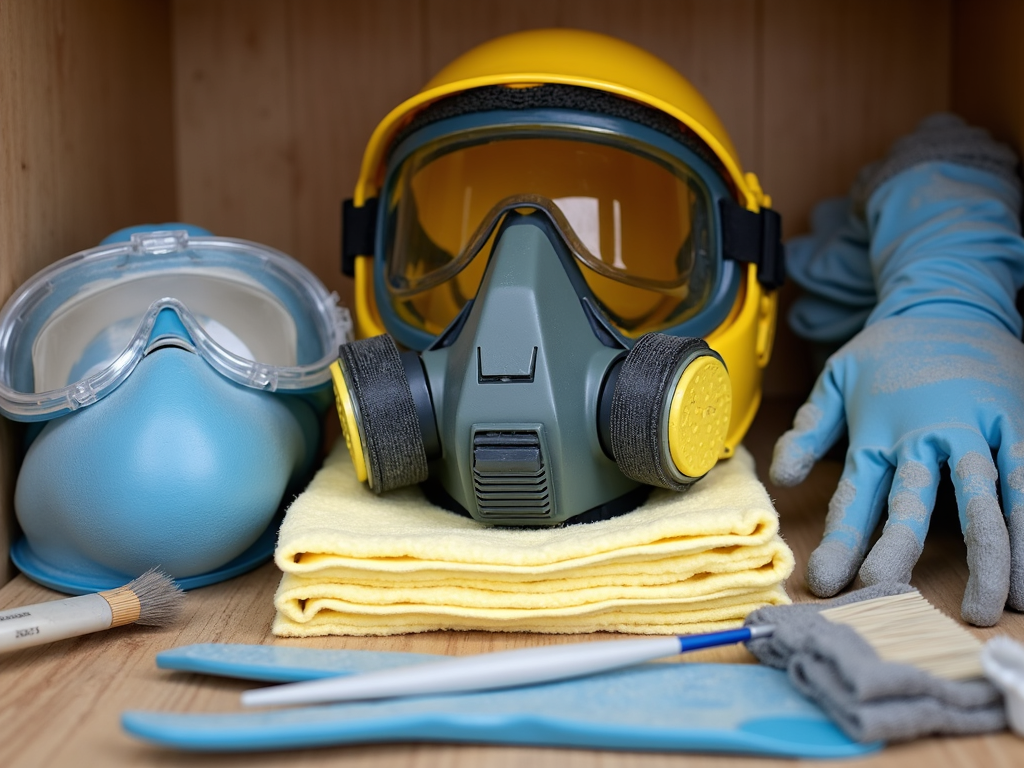
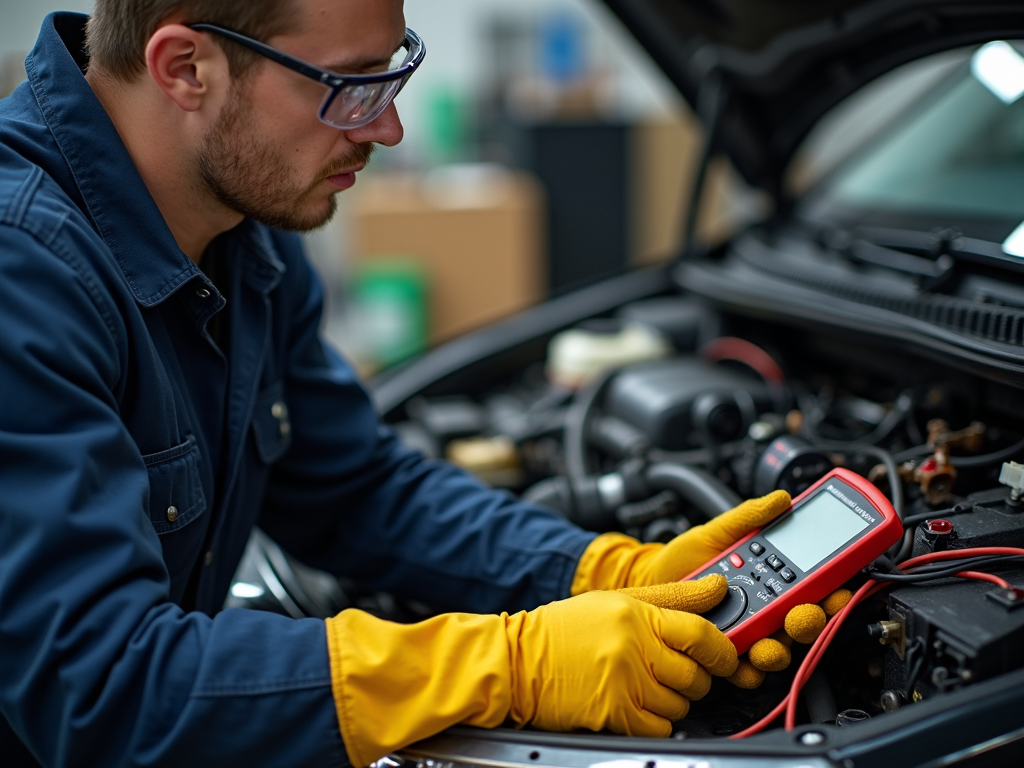
No painting toolkit is complete without proper safety gear. Always wear a respirator mask when working with paints and solvents, especially in poorly ventilated areas. Safety glasses and gloves are also essential to protect your eyes and skin. Always prioritize safety by following guidelines from authoritative sources like OSHA's painting and decorating safety page.
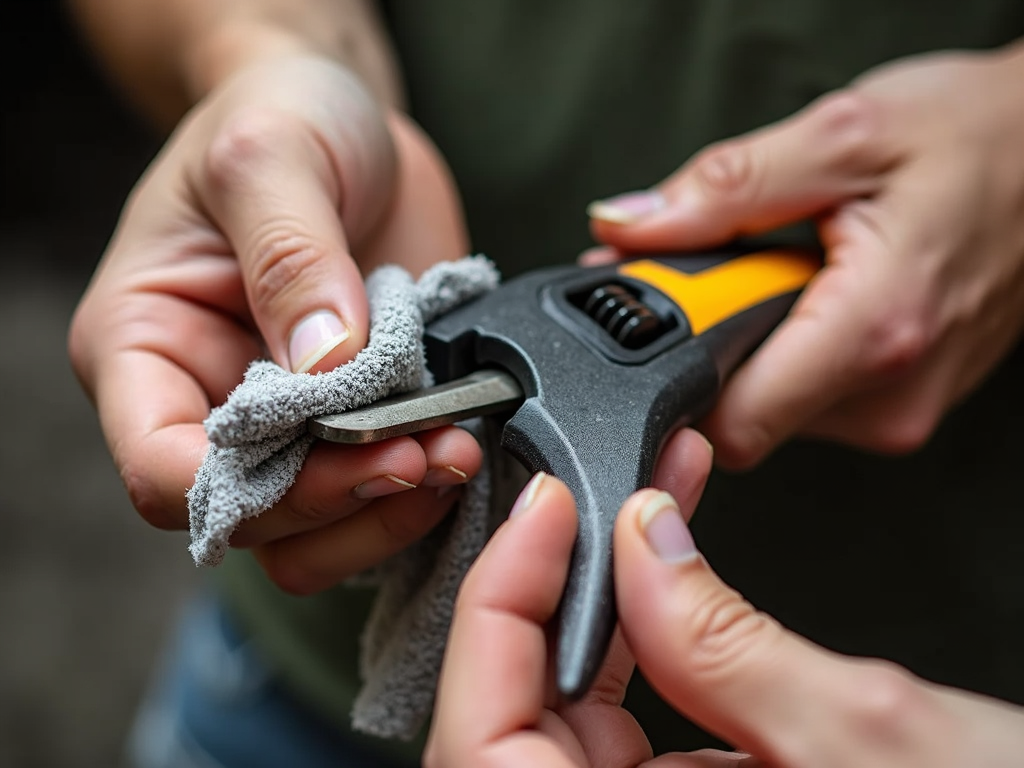
After the painting is done, cleanup is inevitable. Having the right tools makes this task much easier. I always keep a supply of rags, a bucket for washing brushes, and a brush comb to remove excess paint. For rollers, a roller cleaner can save you time and effort.
Tip: To extend the life of your brushes, never leave them soaking in water or solvent for extended periods. Instead, clean them immediately after use and store them properly.
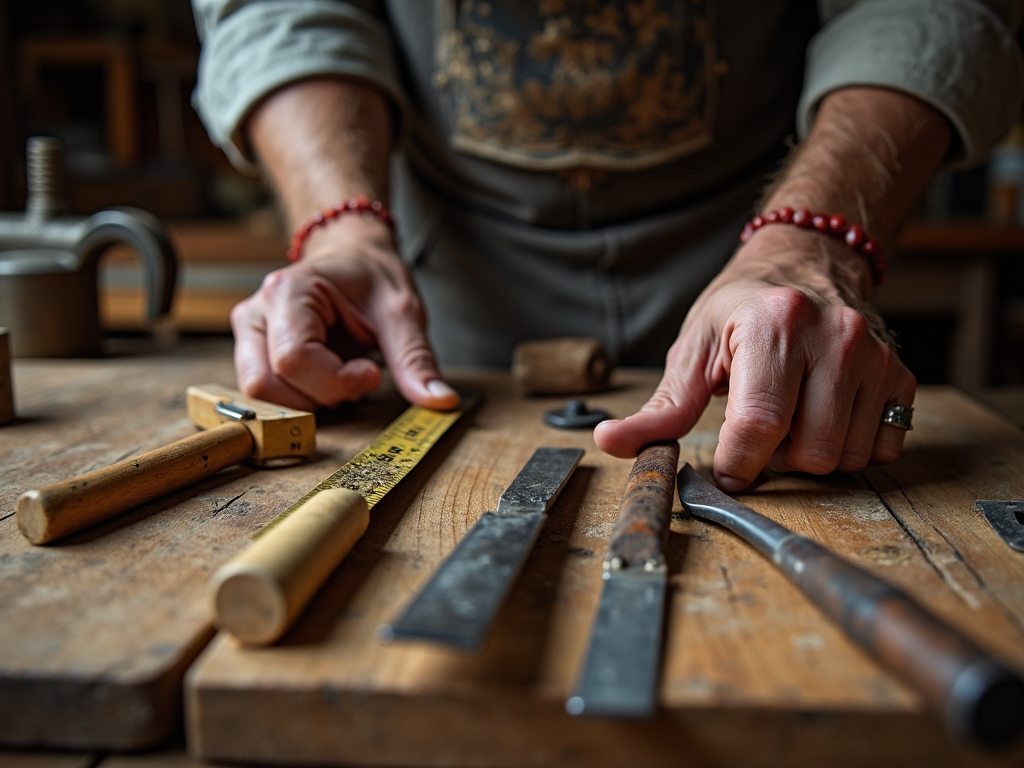
Here's a quick list of must-have tools for any painter's toolkit:
- Painter's tape: For clean edges and protecting surfaces
- Drop cloths: To protect floors and furniture
- Sandpaper: For smoothing surfaces
- Putty knife: For filling holes and cracks
- Brushes: Various sizes for different tasks
- Rollers: For covering large areas
- Paint sprayer: For advanced users
- Respirator mask: For safety when using paints and solvents
- Safety glasses and gloves: To protect eyes and skin
- Cleanup tools: Rags, bucket, brush comb, roller cleaner
In conclusion, having the right tools in your painter's toolkit is essential for achieving professional results. From preparation to application to cleanup, each tool plays a crucial role in the painting process. According to the National Institute for Occupational Safety and Health (NIOSH), using proper safety equipment and tools can significantly reduce the risk of injury in painting jobs. By investing in quality tools and following best practices, you can ensure that your painting projects are successful, enjoyable, and safe.
Related must-have tools in a painter's toolkit:
- Essential Tools for Contractors: A Comprehensive Guide
- Picking the Perfect Power Drill: A Buyer’s Guide
- Safety First: Electrical Safety Tips for Workman Tools
- The Ultimate Guide to Tool Belts with Customizable Pockets
- Speed Up Your Painting Projects: 10 Must-Have Tools for Efficiency
- Top 10 Must-Have Tools for Every Contractor
- How to Prepare Surfaces for Painting: A Complete Guide for Professional Results
- The Ultimate Guide to Metalworking Tools
- Maintenance Tips for Workman Tools: A Comprehensive Guide for Construction Professionals
- Mastering Craftsmanship: Essential Tool Techniques
- 10 Must-Have Tools for Every Workshop
- Extending Tool Longevity with Routine Checks: A Comprehensive Guide