Contractors rely on a variety of tools to get the job done, but some are more essential than others. In this article, we'll explore the must-have tools for contractors, with a focus on wrenches and workman tools. From choosing the right wrench for your projects to maintaining your tools for longevity, we'll cover everything you need to know to work efficiently and effectively.
Introduction to Essential Tools for Contractors
As a contractor with over a decade of experience, I've come to appreciate the value of having the right tools for the job. Whether I'm working on a small home repair or a large commercial project, my tools are my most trusted companions. In this section, I'll share my insights on the essential tools that every contractor should have in their toolkit, based on my own experiences and the lessons I've learned along the way. From wrenches to hammers, these tools have proven their worth time and time again, and I can't imagine working without them.
Importance of Choosing the Right Wrench
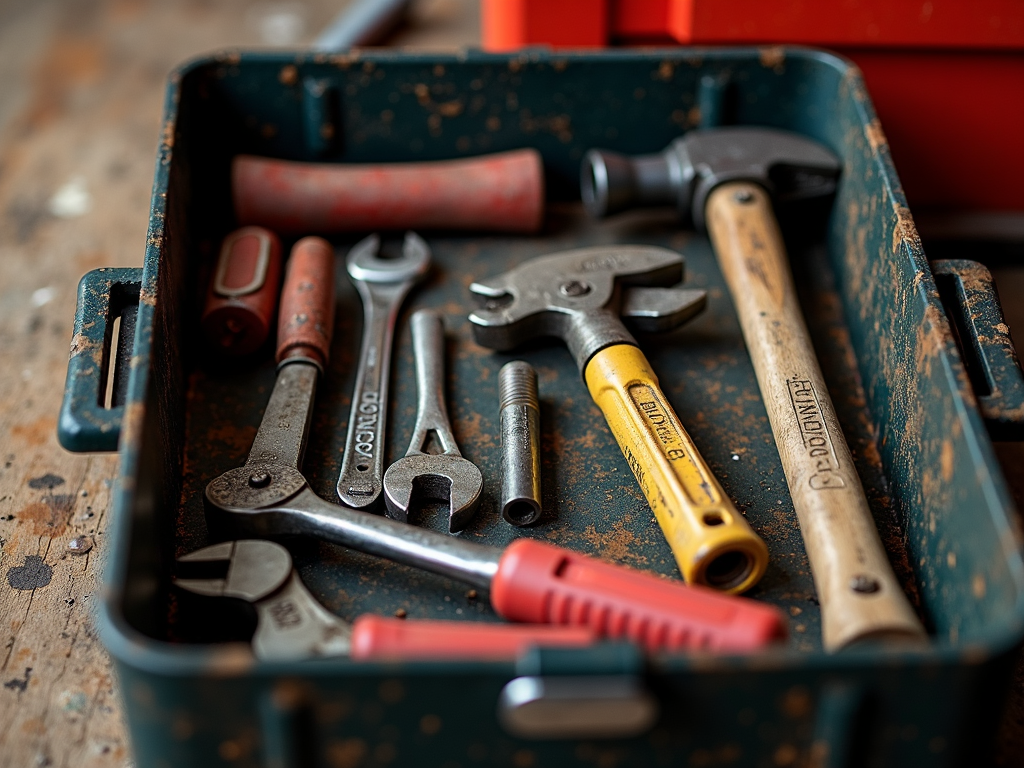
When it comes to wrenches, I've learned that one size does not fit all. Each project requires a specific type of wrench, and using the wrong one can lead to frustration, delays, and even damage to the equipment. In this section, I'll discuss why choosing the appropriate wrench is so important and share some tips for selecting the best one for your projects, based on my own trial and error. I'll also share a story about a time when using the wrong wrench cost me valuable time and money, and how I learned from that experience.
Types of Wrenches and Their Uses
Over the years, I've accumulated a variety of wrenches, each with its own unique purpose. From adjustable wrenches to torque wrenches, each type has its strengths and weaknesses. In this section, I'll delve into the different types of wrenches and explain when and how to use them, drawing from my own experiences on the job. I'll also provide some tips for getting the most out of each type of wrench and avoiding common mistakes.
Table: Comparison of Common Wrench Types
| Wrench Type | Description | Uses | Pros | Cons | My Experience | Tips |
|---|---|---|---|---|---|---|
| Adjustable Wrench | A versatile wrench with an adjustable jaw | General-purpose use, tightening and loosening nuts and bolts | Can fit a range of sizes, easy to use | May not provide as much torque as other wrenches | Great for quick fixes, but not always the best choice for heavy-duty work | Make sure to adjust the jaw properly to avoid slipping |
| Socket Wrench | A wrench with a socket that fits over the nut or bolt | Automotive and mechanical work, from where access is limited | Provides good torque, can reach tight spaces | Requires a set of sockets for different sizes | Essential for working on cars and machinery, but can be bulky to carry around | Invest in a good set of sockets to cover a range of sizes |
| Torque Wrench | A wrench that applies a specific amount of torque | Precision work, such as tightening bolts to a specific torque specification | Ensures accurate torque application, prevents over-tightening | More expensive than other wrenches, requires calibration | Indispensable for projects where precision is key, but not necessary for every job | Always calibrate your torque wrench before use to ensure accuracy |
Top-Quality Workman Tools for Contractors
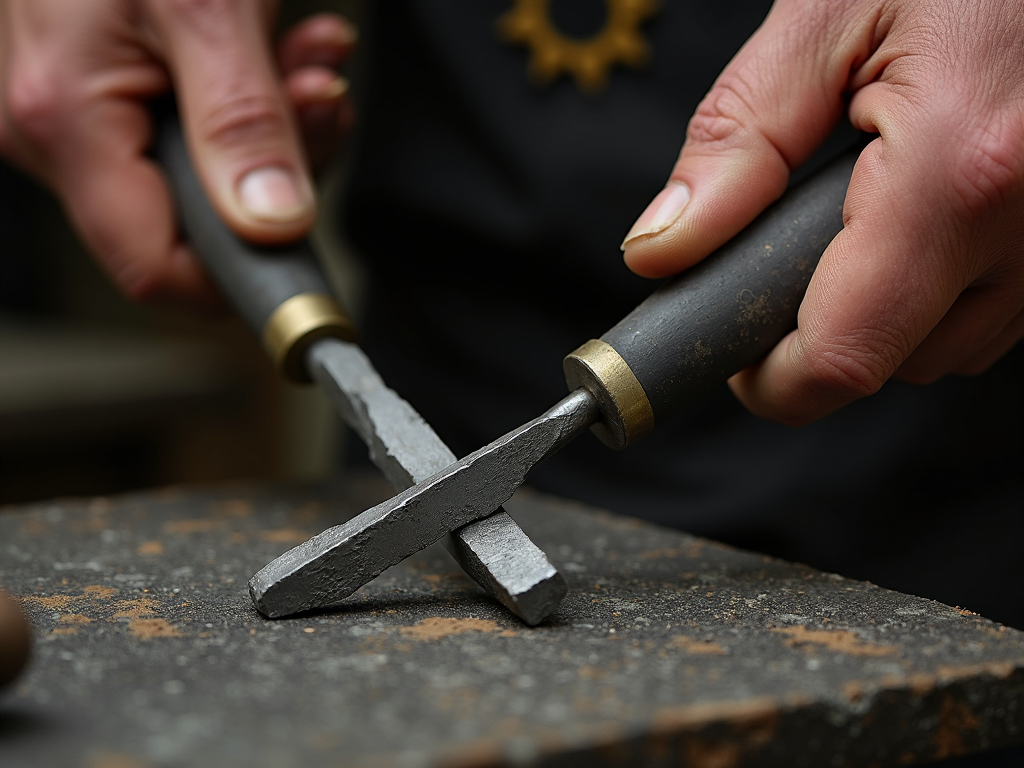
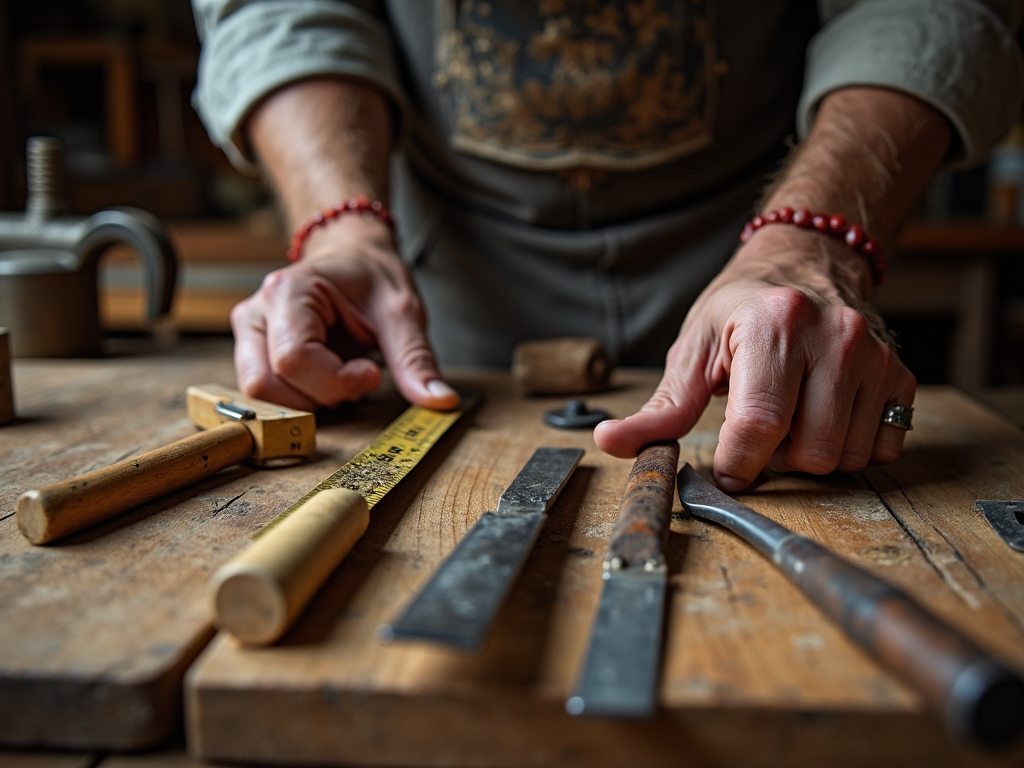
In addition to wrenches, there are several other workman tools that I consider essential for contractors. These include hammers, screwdrivers, pliers, and measuring tapes, among others. In this section, I'll highlight some of the top-quality tools that have served me well over the years and explain why they're worth investing in, based on my own experiences and the feedback I've received from fellow contractors. I'll also share some tips for choosing the best tools for your needs and budget.
Tips for Selecting and Maintaining Tools
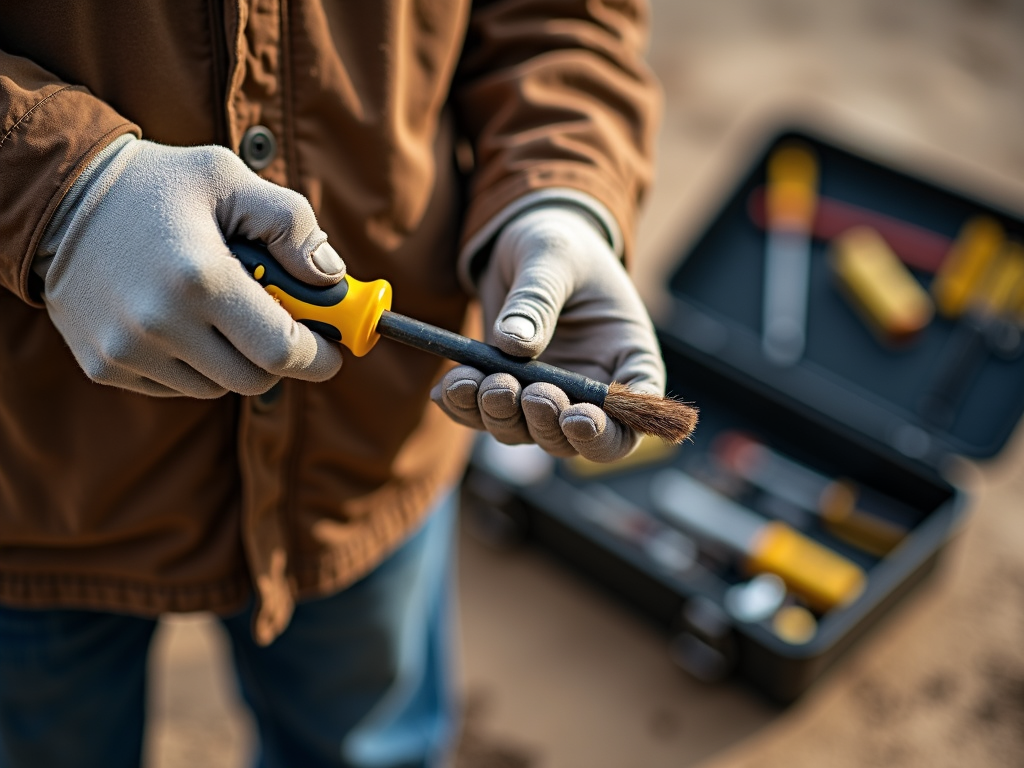
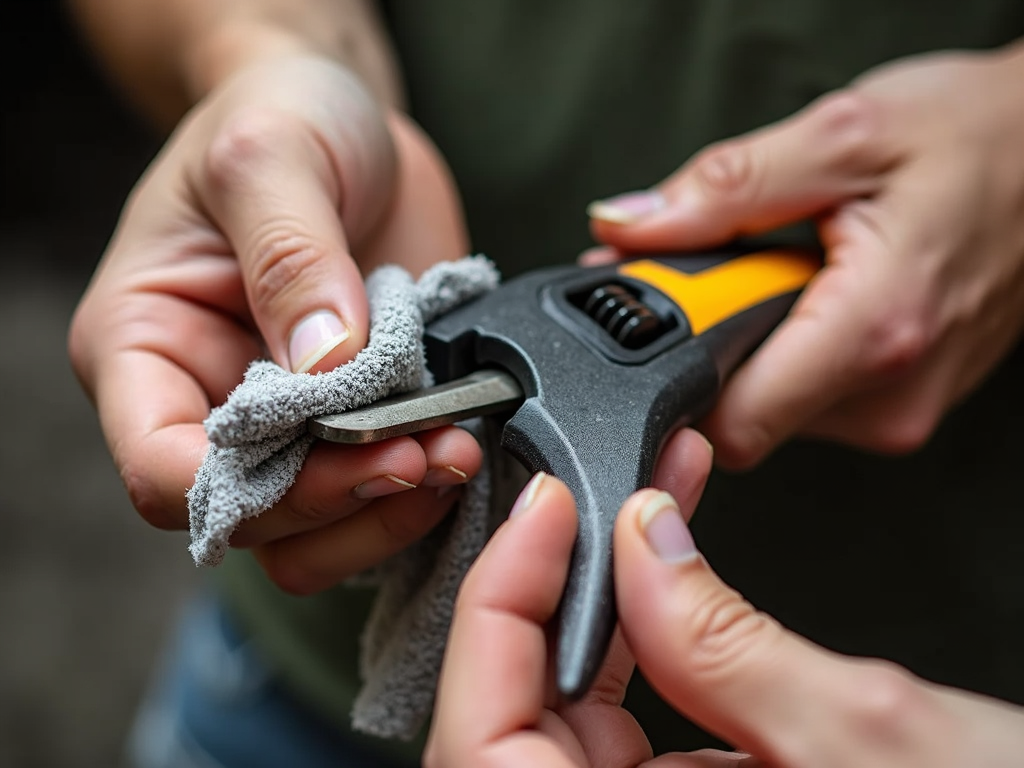
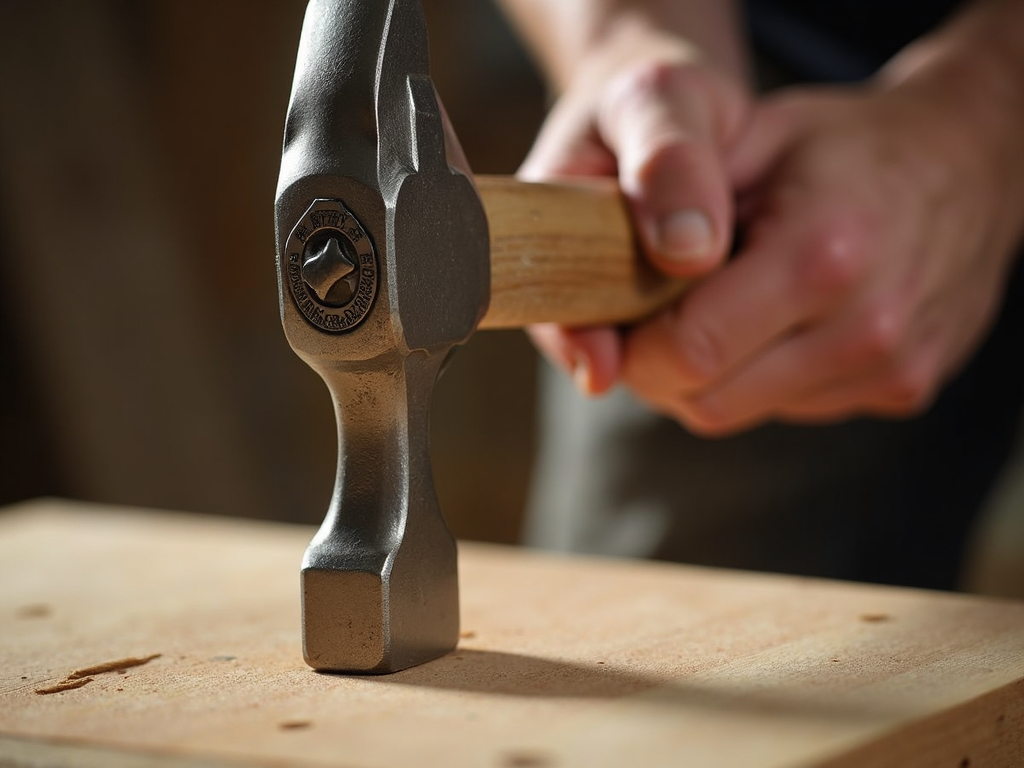
Selecting the right tools is important, but maintaining them properly is equally crucial. I've learned that taking care of my tools not only extends their lifespan but also ensures that they perform at their best. In this section, I'll share my tips for choosing high-quality tools and keeping them in top condition, including how to clean and store them, and when to know it's time to replace them. I'll also provide some advice on how to build a tool collection over time, starting with the essentials and gradually adding more specialized tools as needed.
Summary and Recommended Readings
In summary, having the right tools is essential for contractors to work efficiently and effectively. By investing in high-quality wrenches and workman tools, and maintaining them properly, you can ensure that your projects are completed to the highest standards. For further reading, I recommend the following articles:
- "The Ultimate Guide to Contractor Tools"
- "How to Choose the Best Wrench for Your Needs"
- "Maintenance Tips for Long-Lasting Tools"
Related Essential Tools for Contractors:
- Picking the Perfect Power Drill: A Buyer’s Guide
- Safety First: Electrical Safety Tips for Workman Tools
- The Ultimate Guide to Tool Belts with Customizable Pockets
- Speed Up Your Painting Projects: 10 Must-Have Tools for Efficiency
- Top 10 Must-Have Tools for Every Contractor
- How to Prepare Surfaces for Painting: A Complete Guide for Professional Results
- The Ultimate Guide to Metalworking Tools
- Maintenance Tips for Workman Tools: A Comprehensive Guide for Construction Professionals
- Mastering Craftsmanship: Essential Tool Techniques
- 10 Must-Have Tools for Every Workshop
- Extending Tool Longevity with Routine Checks: A Comprehensive Guide
- Unlocking the Benefits of Oscillating Tools for Tight Spaces