In today's fast-paced work environment, the importance of ergonomic tools cannot be overstated. These tools are designed to reduce strain and fatigue, making work more comfortable and efficient. This article explores the numerous benefits of ergonomic tools in the workplace, from improving productivity to enhancing employee well-being.

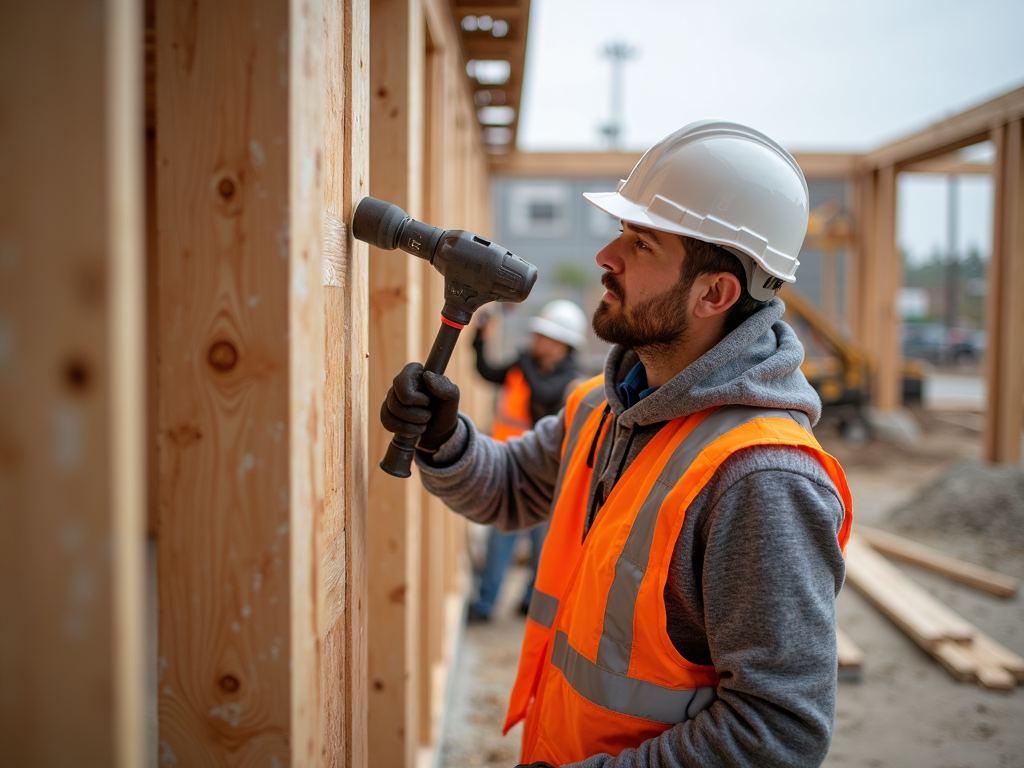
As someone who has spent years in various workshops, I can attest to the transformative power of ergonomic tools. Before switching to ergonomic equipment, I often experienced back pain and fatigue after long hours of work. However, since integrating ergonomic tools into my workspace, I've noticed a significant reduction in discomfort and an increase in productivity.
According to a study by OSHA, ergonomic interventions can reduce musculoskeletal disorders by up to 60%, leading to fewer sick days and higher employee satisfaction. Learn more about OSHA's findings here.

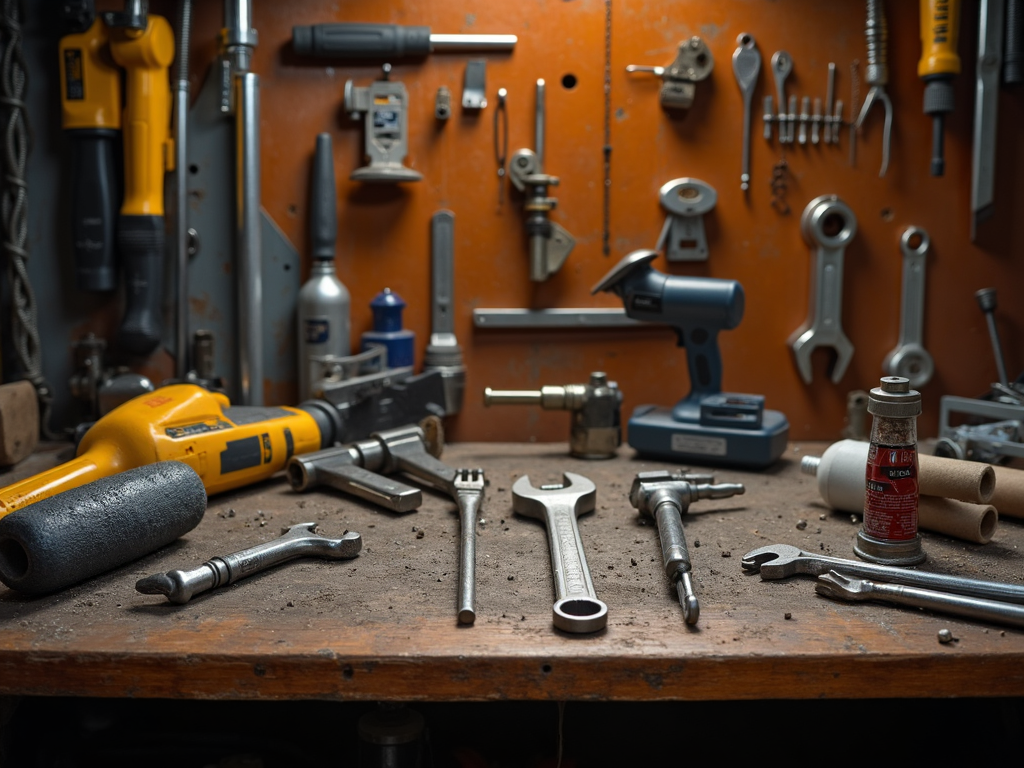
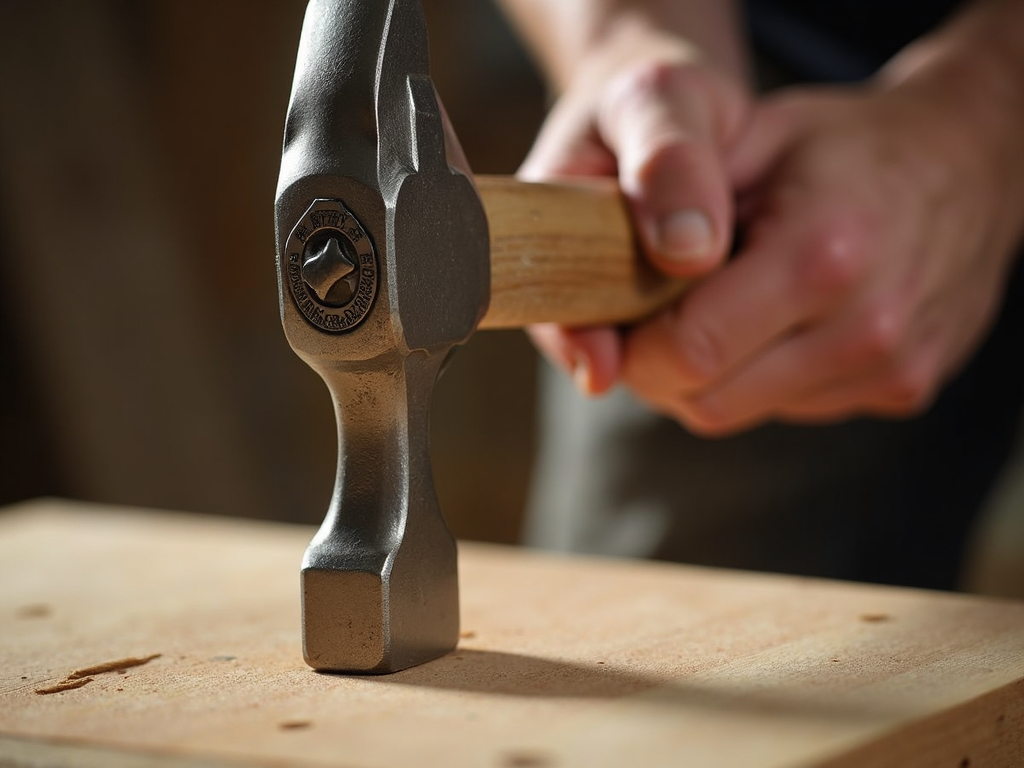
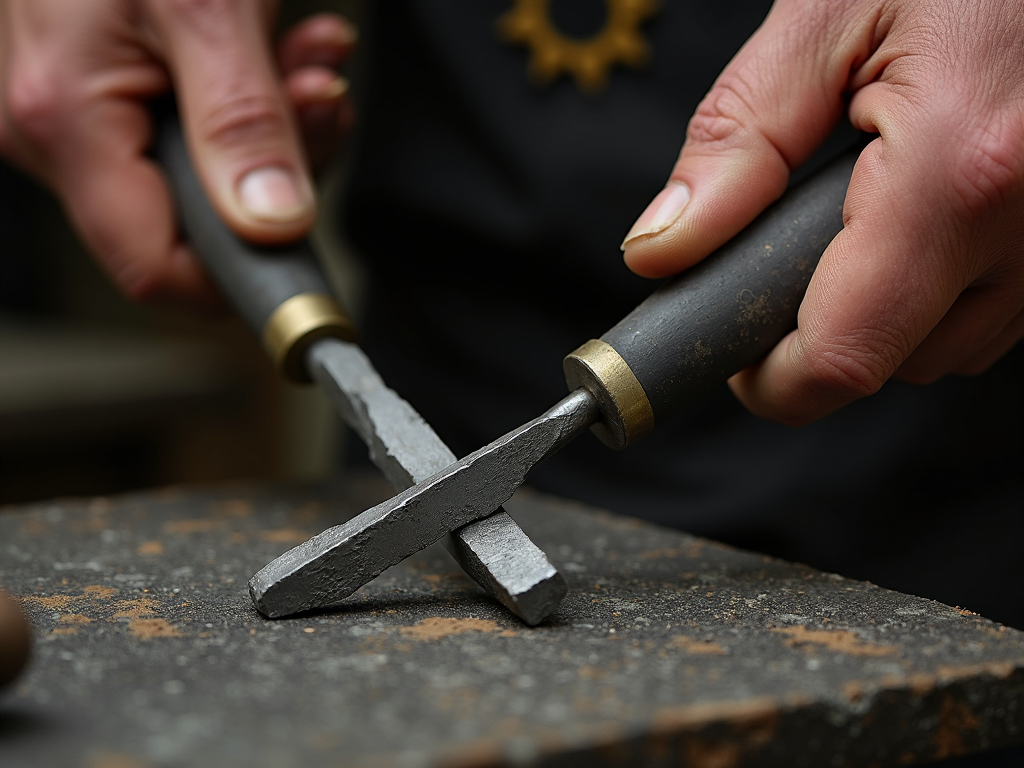
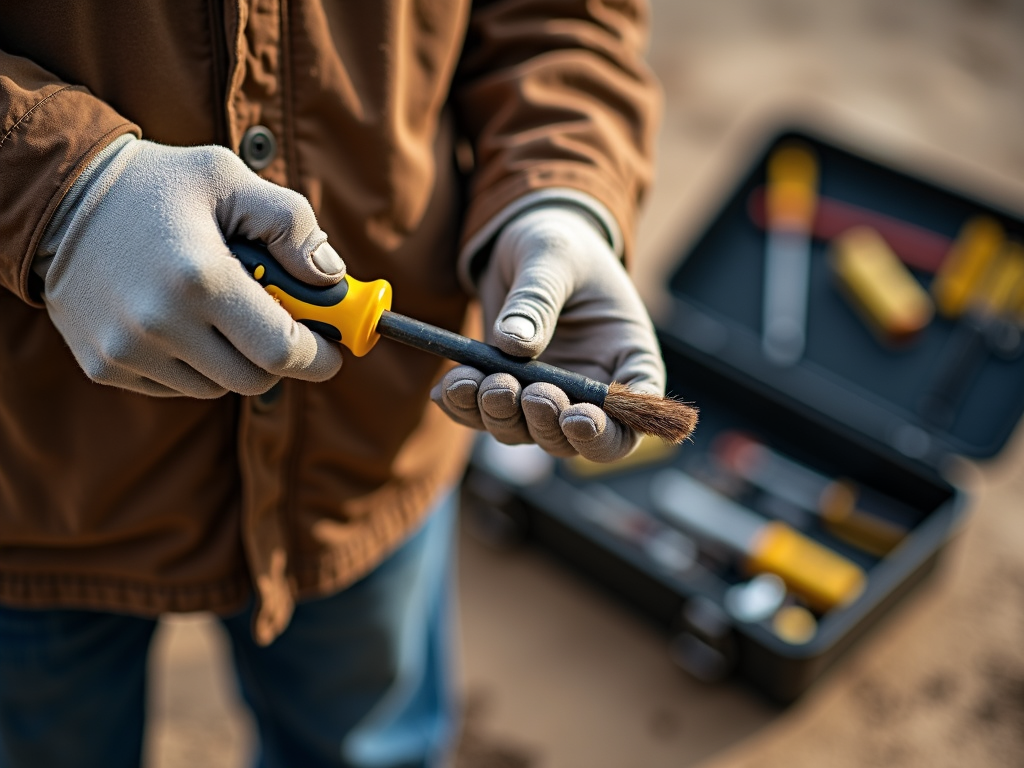
High-quality workman tools for professionals are essential for any workshop. Ergonomic versions of these tools, such as adjustable wrenches and padded hammers, can make a world of difference. For example, an adjustable wrench with a comfortable grip reduces hand strain, allowing for more precise work.
Workshop equipment plays a crucial role in creating an ergonomic environment. Height-adjustable workbenches allow workers to customize their workspace to their height, reducing the need to bend or stretch uncomfortably. Anti-fatigue mats provide cushioning for workers who stand for long periods, reducing leg and back strain.

Investing in ergonomic tools is not just about immediate comfort; it's about long-term health and productivity. By reducing the risk of repetitive strain injuries and other musculoskeletal disorders, employers can save on healthcare costs and reduce employee turnover. Happy, healthy employees are more likely to stay with a company, leading to a more stable and experienced workforce.
While the benefits of ergonomic tools are clear, there can be challenges in implementing them. The initial cost of purchasing ergonomic equipment can be higher than traditional tools, and there may be a learning curve for employees adjusting to new tools. However, the long-term benefits far outweigh these initial hurdles.

In summary, ergonomic tools offer numerous benefits in the workplace, from improving productivity and employee well-being to reducing the risk of injury. By investing in high-quality workman tools and ergonomic workshop equipment, employers can create a safer, more efficient work environment.
Related The Benefits of Ergonomic Tools in the Workplace:
- A Comprehensive Guide to OSHA’s Construction Safety Standards
- Investing in Quality: Why It Pays Off for Contractors
- Essential Tools Every Painter Needs in Their Toolkit
- Essential Tools for Contractors: A Comprehensive Guide
- Picking the Perfect Power Drill: A Buyer’s Guide
- Safety First: Electrical Safety Tips for Workman Tools
- The Ultimate Guide to Tool Belts with Customizable Pockets
- Speed Up Your Painting Projects: 10 Must-Have Tools for Efficiency
- Top 10 Must-Have Tools for Every Contractor
- How to Prepare Surfaces for Painting: A Complete Guide for Professional Results
- The Ultimate Guide to Metalworking Tools
- Maintenance Tips for Workman Tools: A Comprehensive Guide for Construction Professionals