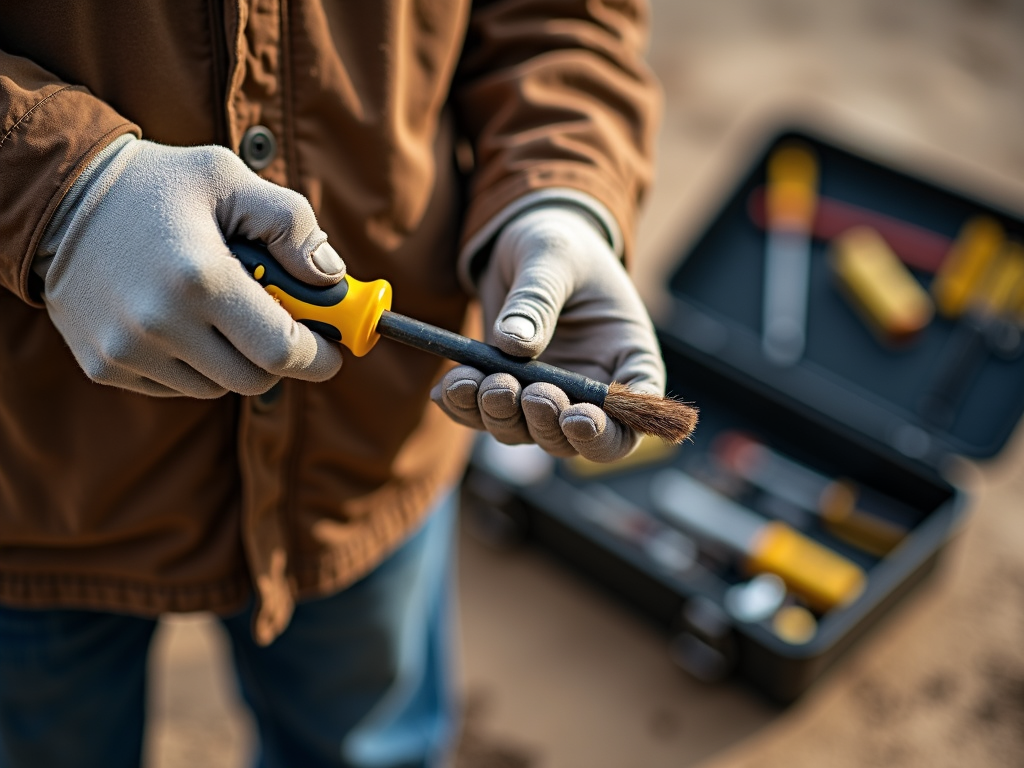
OSHA’s Guide to Construction Safety Standards, available at https://www.osha.gov/construction, is a vital resource for anyone in the construction industry. This guide outlines the regulations and best practices designed to ensure the safety and health of workers on construction sites. By following these standards, construction companies and workers can significantly reduce the risk of accidents, injuries, and fatalities.
Understanding OSHA Safety Regulations for Construction Sites
Construction sites are inherently dangerous, with hazards like falls, electrical shocks, and equipment malfunctions posing serious risks. To mitigate these dangers, the Occupational Safety and Health Administration (OSHA) has established specific safety regulations for the construction industry. These regulations cover critical areas such as fall protection, electrical safety, scaffolding, excavation, and personal protective equipment (PPE).
Understanding these regulations is crucial for both employers and employees. Employers must ensure their worksites comply with OSHA standards, while employees need to follow safety practices to protect themselves and their coworkers. Non-compliance can lead to hefty fines and, more importantly, put lives at risk. According to the National Safety Council, construction remains one of the most dangerous industries in the U.S., with thousands of injuries each year. OSHA’s regulations are designed to prevent these incidents by addressing the most common hazards.
Key Safety Standards in Construction
Fall Protection
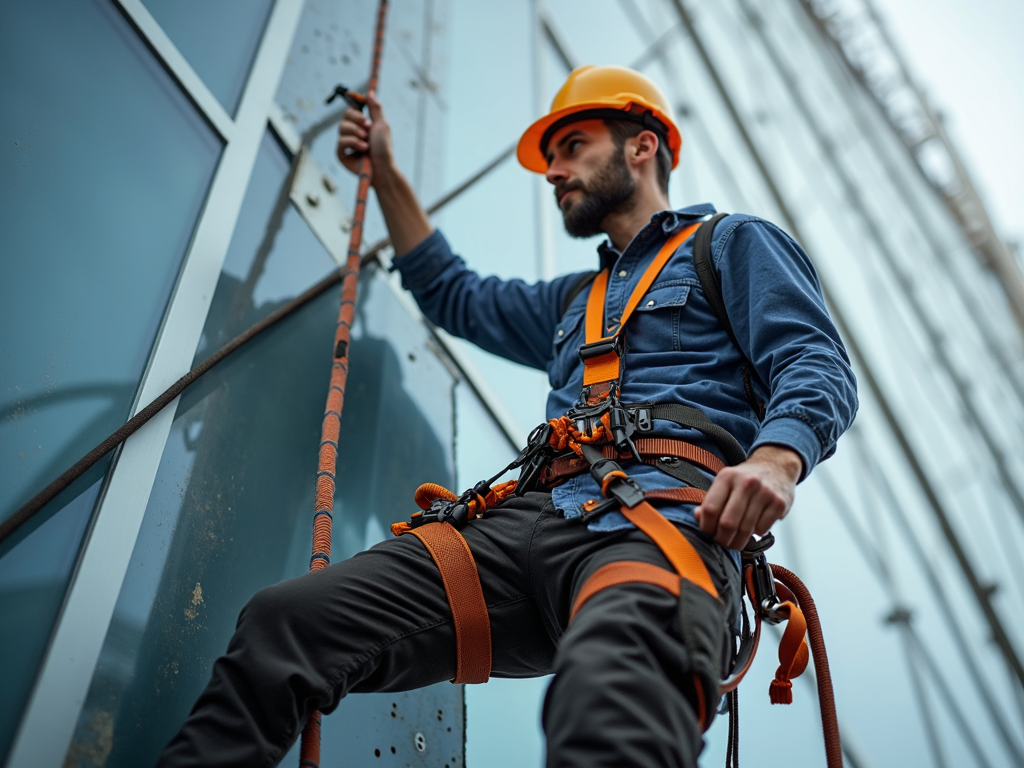
Falls are the leading cause of death in construction, accounting for about 36.5% of all fatalities, according to OSHA. To combat this, OSHA requires fall protection systems for workers at heights of six feet or more. These systems include guardrails, safety nets, or personal fall arrest systems like harnesses and lanyards.
Consider a scenario where a roofing company neglected to provide fall protection. A worker lost his balance and fell, suffering severe injuries. This tragedy could have been avoided if OSHA’s fall protection standards had been followed. Proper training and regular equipment inspections are essential to ensure safety.
Electrical Safety
Electricity poses significant risks on construction sites, from live wires to faulty equipment. OSHA’s electrical safety standards mandate proper grounding of equipment, use of insulated tools, and lockout/tagout procedures for electrical systems.
Training is key. Workers must understand the dangers of electricity and how to handle equipment safely. Regular inspections help identify and address hazards before they cause harm. For more on electrical safety, see this guide from the National Institute for Occupational Safety and Health (NIOSH).
Scaffolding
Scaffolding is essential but can be dangerous if not properly erected. OSHA requires scaffolds to support at least four times the intended load and mandates inspections before each shift. Guardrails and toeboards are necessary to prevent falls and falling objects.
Workers should be trained on safe assembly, use, and dismantling of scaffolding. A well-maintained scaffold can mean the difference between a productive day and a tragic accident.

Personal Protective Equipment (PPE)
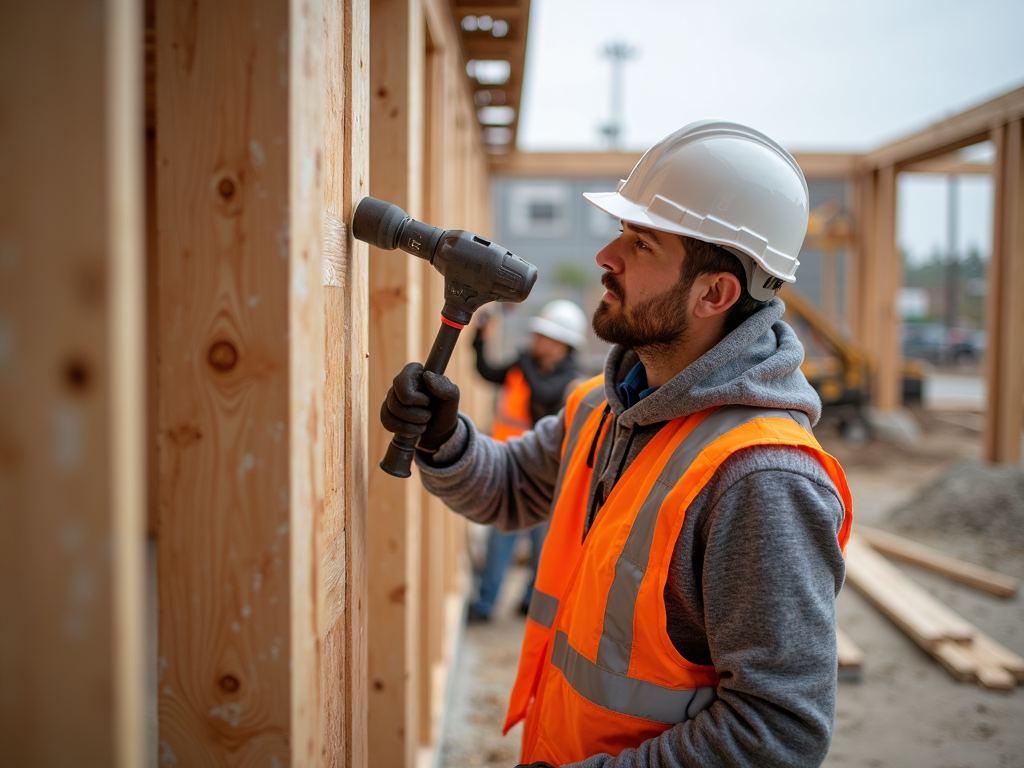
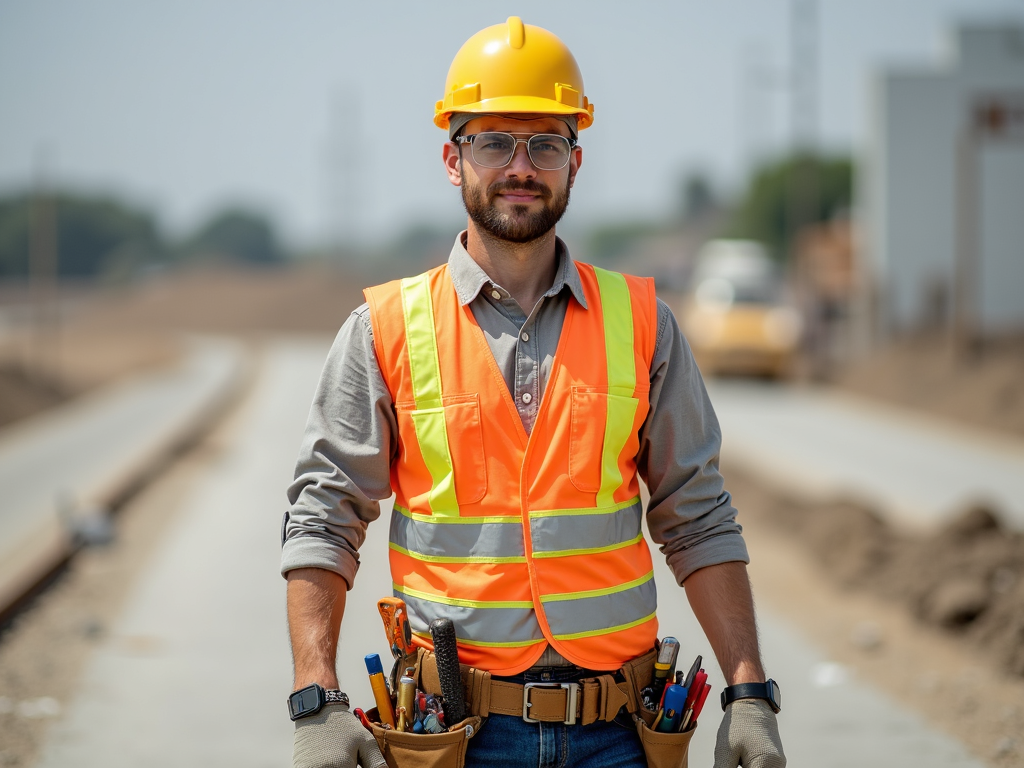
PPE is the last line of defense against hazards. OSHA requires employers to provide and ensure the use of PPE like hard hats, safety glasses, and gloves. Tool belts, while not traditional PPE, enhance safety by keeping tools secure and preventing falls or tripping hazards.
For example, a worker with a tool belt can keep tools within reach, reducing the need to bend or stretch unsafely. This simple tool can make work more efficient and safer.
Excavation and Trenching
Excavation and trenching pose risks like cave-ins and hazardous atmospheres. OSHA requires protective systems for trenches deeper than five feet, such as sloping or shoring.
Workers must be trained to recognize cave-in signs and safely enter/exit trenches. Regular inspections by a competent person are mandatory. For detailed guidelines, refer to OSHA’s Trenching and Excavation Safety page.
How to Stay Safe on Construction Sites: Essential Tips
While OSHA standards provide a framework, additional steps can enhance safety:
-
Training and Education: Comprehensive safety training is vital. Workers should know how to use equipment, recognize hazards, and respond to emergencies.
-
Proper Equipment Use: Follow manufacturer instructions and OSHA guidelines. Never bypass safety features.
-
Communication and Teamwork: Encourage a safety-first culture where workers report hazards and collaborate on safety.
-
Regular Inspections: Frequent checks of the worksite, equipment, and PPE help catch issues early.
The Role of Employers and Employees
Safety is a shared responsibility. Employers must provide a safe environment, comply with standards, and offer training and equipment. Employees must follow procedures, use PPE correctly, and report hazards.
Consider a company that invested in safety equipment and training, resulting in a stellar safety record. In contrast, a company that cut corners faced accidents and OSHA citations, leading to financial and reputational damage.
Real-Life Examples and Statistics
OSHA’s impact is evident in data. Since stricter fall protection standards were implemented, fall-related fatalities have decreased by 15% over the past decade, per the Bureau of Labor Statistics. However, challenges remain, with over 1,000 construction fatalities in 2020 alone.
OSHA inspections and citations underscore the importance of compliance. Fines for violations can range from thousands to millions of dollars, but the human cost is immeasurable.
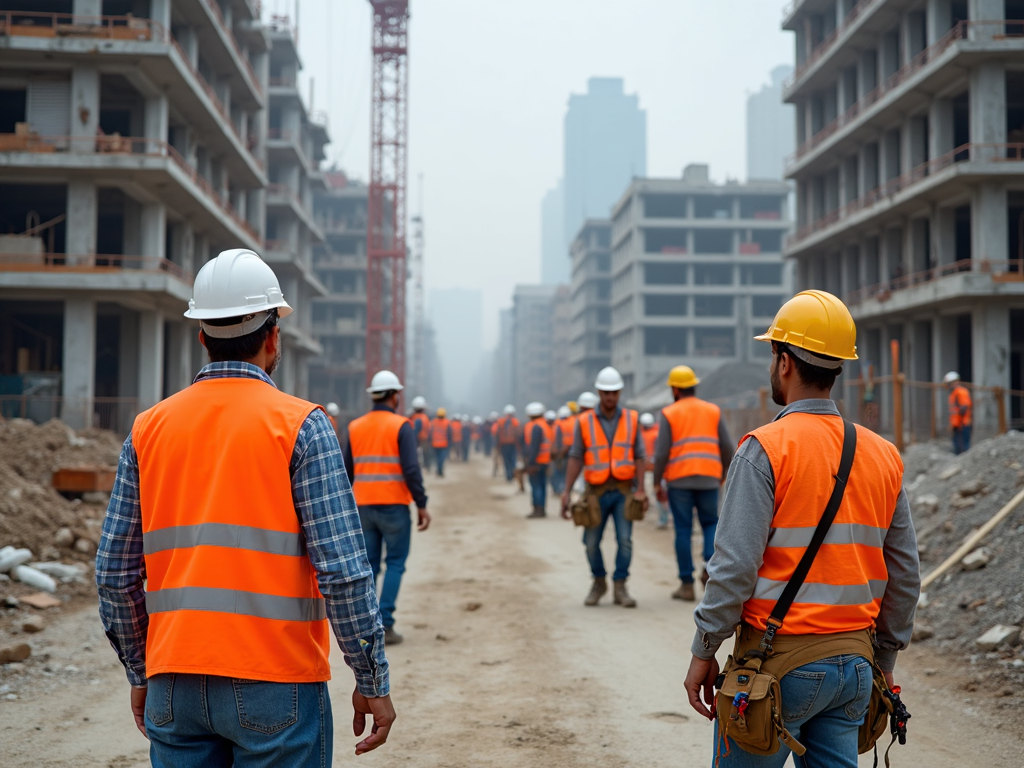
In conclusion, OSHA’s Guide to Construction Safety Standards is indispensable for ensuring worker safety. By understanding and adhering to these regulations, employers and employees can create a safer work environment. Remember, safety is not just a set of rules—it’s a mindset that can save lives.
Related OSHA’s Guide to Construction Safety Standards - https://www.osha.gov/construction:
- The Role of Technology in Improving Construction Safety
- Investing in Quality: Why It Pays Off for Contractors
- Essential Tools Every Painter Needs in Their Toolkit
- Essential Tools for Contractors: A Comprehensive Guide
- Picking the Perfect Power Drill: A Buyer’s Guide
- Safety First: Electrical Safety Tips for Workman Tools
- The Ultimate Guide to Tool Belts with Customizable Pockets
- Speed Up Your Painting Projects: 10 Must-Have Tools for Efficiency
- Top 10 Must-Have Tools for Every Contractor
- How to Prepare Surfaces for Painting: A Complete Guide for Professional Results
- The Ultimate Guide to Metalworking Tools
- Maintenance Tips for Workman Tools: A Comprehensive Guide for Construction Professionals