Electrical issues can be daunting, but with the right tools, troubleshooting and repair become manageable tasks. Whether you're a seasoned electrician or a DIY enthusiast, having the proper electrical tools is crucial for diagnosing and fixing problems safely and efficiently. This article delves into the essential electrical tools for troubleshooting and repair, offering detailed insights, personal experiences, and practical tips to help you master the art of electrical work.
Why Electrical Tools Matter
Electrical tools are the backbone of any successful troubleshooting or repair job. They allow you to measure, test, and manipulate electrical systems with precision. Without them, even simple tasks like checking voltage or identifying a faulty wire can become dangerous guessing games. Investing in quality workman tools not only ensures your safety but also saves time and prevents costly mistakes.

Essential Measuring Tools
Measuring tools are fundamental for any electrical work. They provide the data needed to understand the state of an electrical system. Here are the key measuring tools every electrician should have:
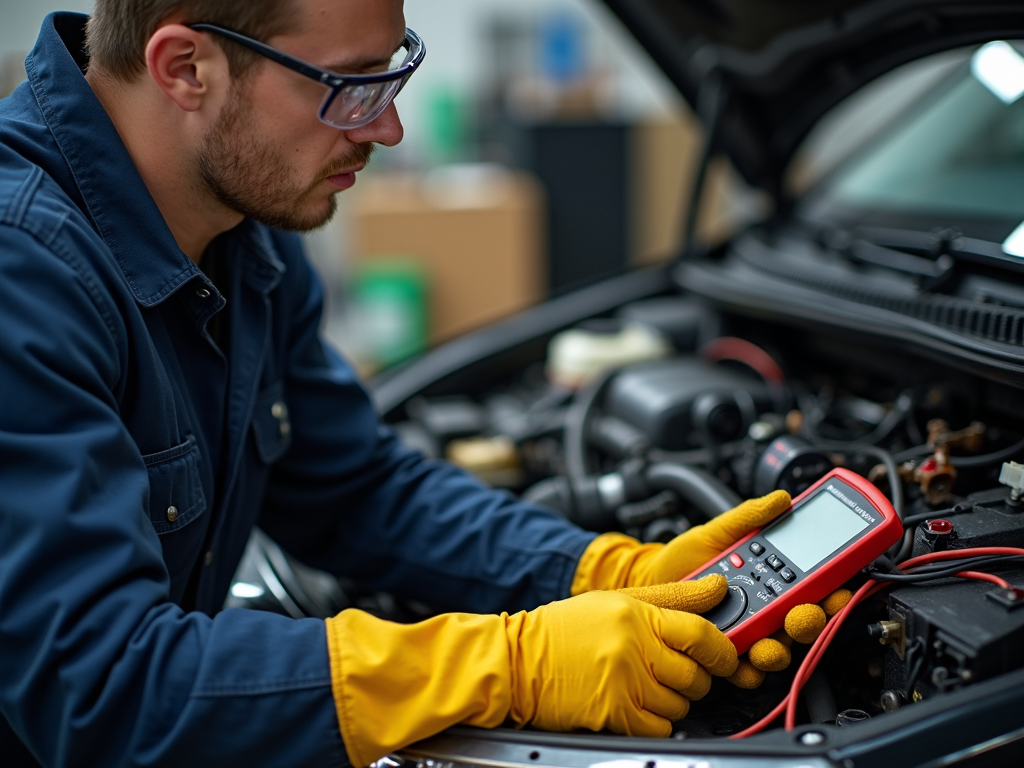
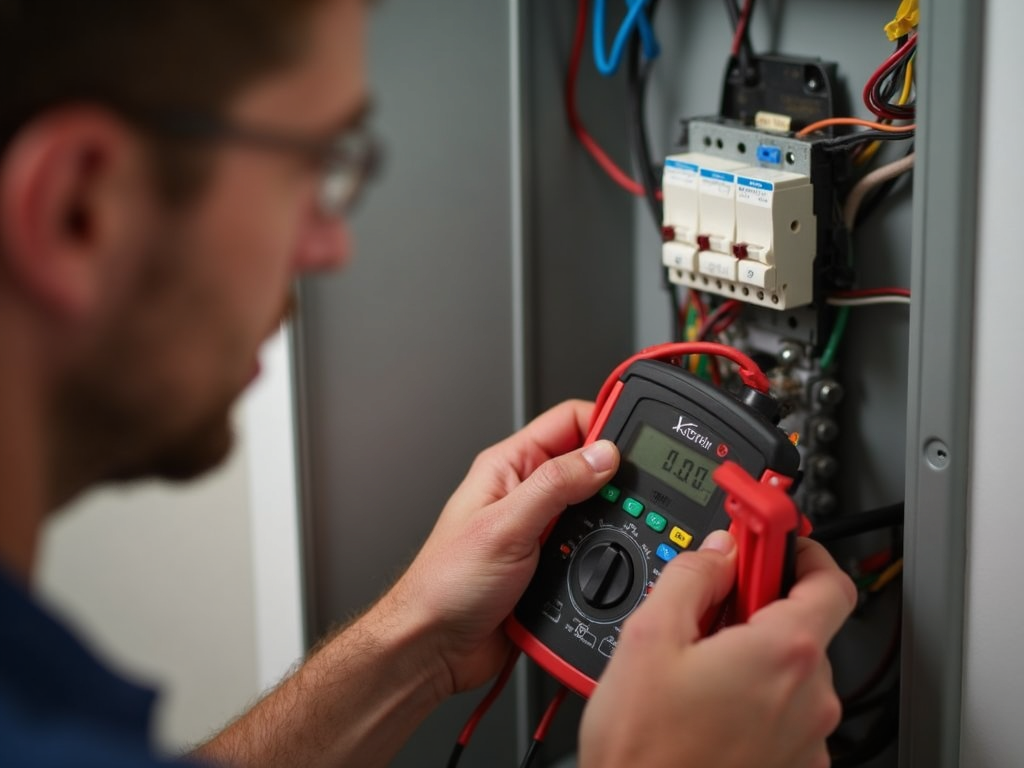
- Multimeter: The Swiss Army knife of electrical tools. A multimeter measures voltage, current, and resistance, making it indispensable for diagnosing issues. I once used a multimeter to trace a mysterious power drain in a home circuit, which turned out to be a faulty appliance.
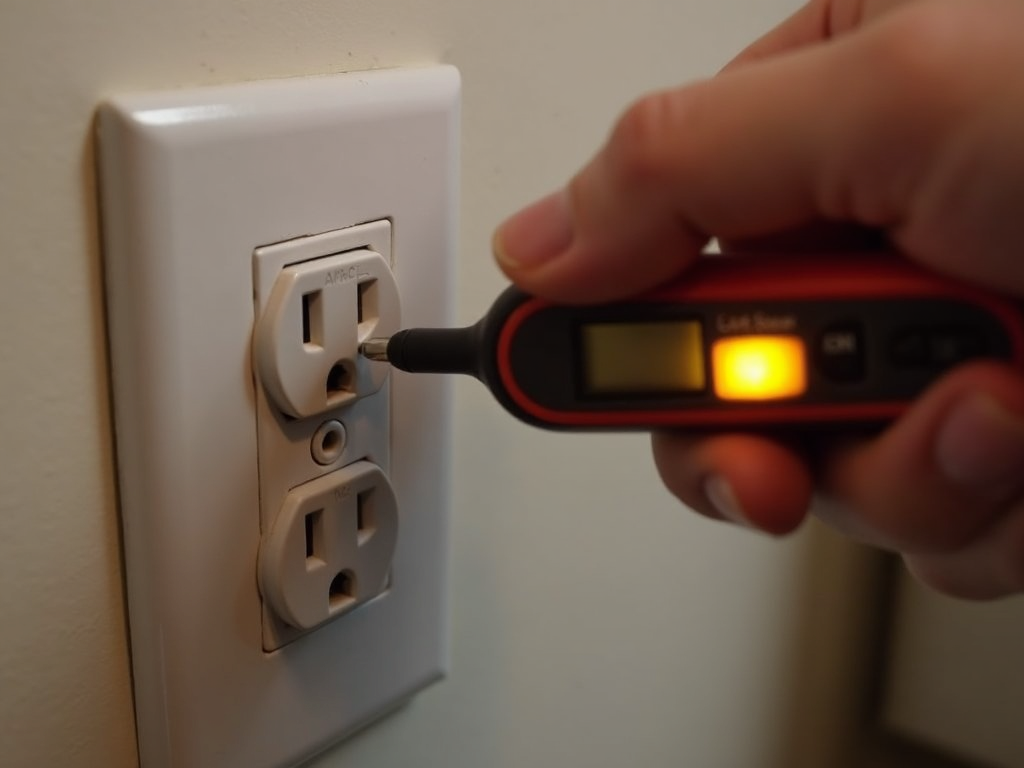
- Voltage Tester: A simple yet vital tool for checking if a circuit is live. It's a must-have for ensuring safety before starting any repair.
- Ammeter: Specifically designed to measure current, an ammeter is crucial for identifying overloads or shorts in a circuit.
How to Use a Multimeter Safely
Using a multimeter requires caution. Always start by setting the device to the correct measurement type and range. When measuring voltage, ensure the probes are placed correctly—red to positive and black to negative. Never touch the metal parts of the probes while testing, and always double-check the circuit is de-energized if you're measuring resistance.
Cutting and Stripping Tools
Cutting and stripping tools are essential for preparing wires and cables. These tools ensure clean cuts and precise stripping, which are critical for making secure connections.
- Wire Cutters: Designed to cut through various gauges of wire cleanly. A good pair of wire cutters can make the difference between a secure connection and a potential short circuit.
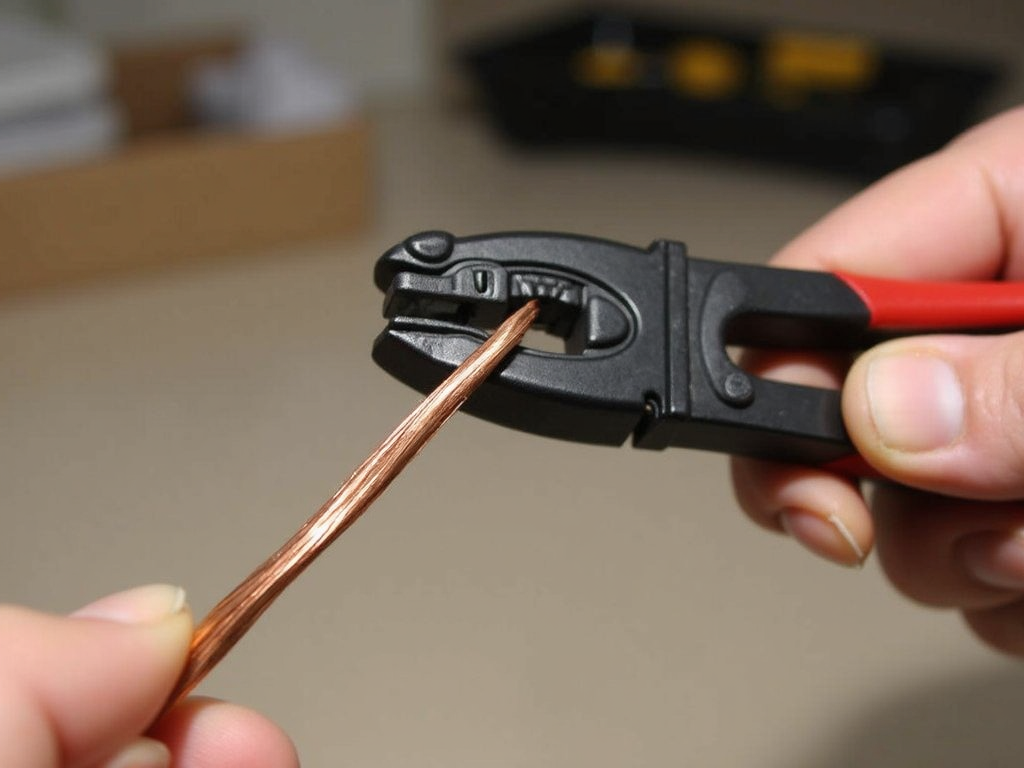
- Wire Strippers: These tools remove insulation from wires without damaging the conductor. I remember struggling with a cheap stripper that kept nicking the wire, leading to weak connections. Investing in a quality stripper is worth every penny.
- Crimpers: Used to attach connectors to wires, crimpers are essential for creating reliable, long-lasting connections.
Tips for Choosing Wire Strippers
When selecting wire strippers, look for ones with adjustable gauges to handle different wire sizes. Ergonomic handles can also make a big difference, especially during extended use. I prefer strippers with a built-in cutter for added versatility.
Testing Tools for Diagnostics
Testing tools are crucial for identifying specific issues within an electrical system. They help pinpoint problems that measuring tools might not detect.
- Circuit Tester: This tool checks for the presence of voltage in a circuit. It's particularly useful for identifying live wires in a bundle.
- Continuity Tester: Used to determine if a circuit is complete, a continuity tester is invaluable for finding breaks in wires or faulty switches.
- Ground Fault Tester: Essential for ensuring that grounding systems are functioning correctly, this tool can prevent dangerous electrical shocks.
Real-World Example: Using a Continuity Tester
I once had to troubleshoot a lighting circuit that kept tripping the breaker. Using a continuity tester, I discovered a short in one of the light fixtures. Without this tool, I might have spent hours checking each component individually.
Specialized Tools for Advanced Troubleshooting
For more complex issues, specialized tools can provide deeper insights into electrical systems.
- Circuit Tracer: This tool helps locate specific circuits within a panel, making it easier to identify which breaker controls which circuit.
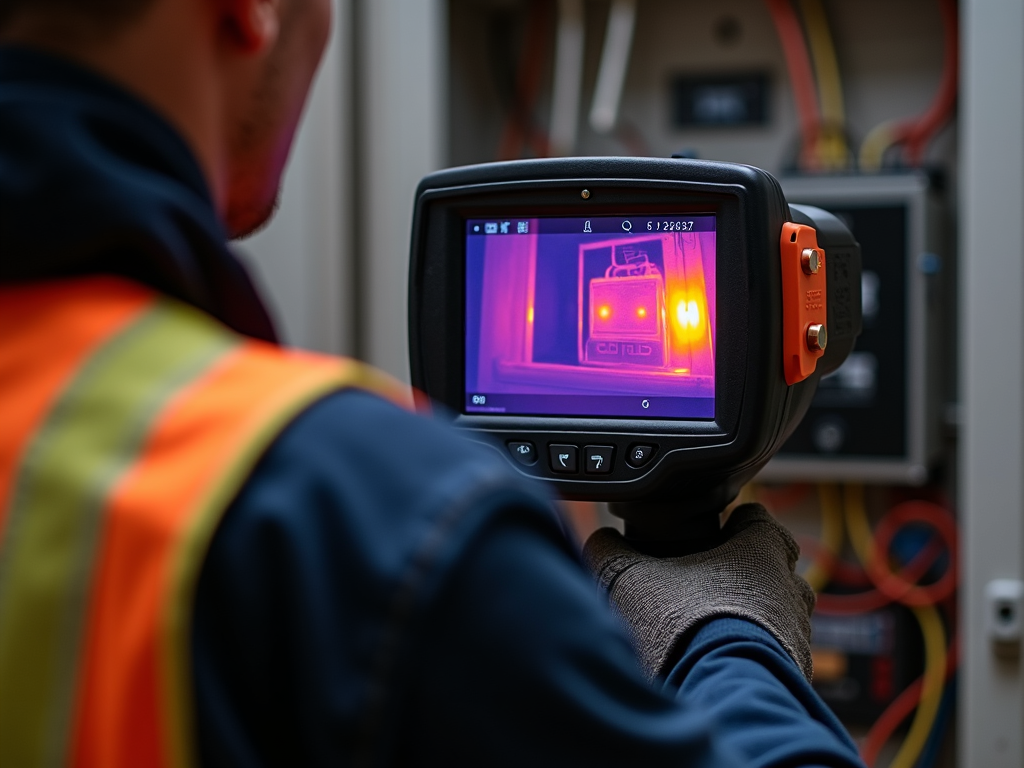
- Thermal Imaging Camera: By detecting heat signatures, thermal imaging cameras can reveal overheating components or loose connections that might not be visible otherwise.
- Oscilloscope: For professionals dealing with complex electronics, an oscilloscope is essential for visualizing electrical signals and diagnosing issues in waveforms.
When to Use a Thermal Imaging Camera
Thermal imaging cameras are particularly useful in preventive maintenance. I once used one to inspect a commercial building's electrical panels and found a loose connection that was heating up—a potential fire hazard. Addressing it early saved the client from a costly repair down the line.
Choosing the Right Tools for the Job
Not every tool is necessary for every situation. For basic home repairs, a multimeter, voltage tester, and a good set of screwdrivers might suffice. However, for more advanced troubleshooting, investing in tools like circuit tracers or thermal imaging cameras can be invaluable. Consider the complexity of the tasks you typically handle and choose your tools accordingly.
Maintaining Your Electrical Tools
Proper maintenance is key to ensuring your tools last and perform reliably. Here are some tips:
- Clean Regularly: Wipe down tools after use to remove dirt and debris.
- Store Properly: Keep tools in a dry, organized space to prevent damage.
- Calibrate When Necessary: Tools like multimeters should be calibrated periodically to ensure accuracy.
- Inspect for Wear: Regularly check for signs of wear or damage, especially on insulation or handles.
Summary
Electrical tools for troubleshooting and repair are indispensable for anyone working with electrical systems. From basic measuring tools like multimeters to advanced diagnostic tools like thermal imaging cameras, each plays a crucial role in ensuring safe and effective repairs. By understanding how to use these tools properly and maintaining them well, you can tackle electrical issues with confidence. Remember, the right tool can make all the difference between a quick fix and a prolonged headache.
Related electrical tools for troubleshooting and repair:
- Electrical Safety 101: Best Practices for Home and Work
- DIY Workshop Projects: Build Your Own Storage Solutions
- Safety Practices in Home Electrical Repairs
- How to Maintain Your Tool Set for Longevity
- Workman Tools for Electrical Work: A Comprehensive Guide
- The Benefits of Ergonomic Tools in the Workplace: Enhancing Productivity and Well-being
- A Comprehensive Guide to OSHA’s Construction Safety Standards
- Investing in Quality: Why It Pays Off for Contractors
- Essential Tools Every Painter Needs in Their Toolkit
- Essential Tools for Contractors: A Comprehensive Guide
- Picking the Perfect Power Drill: A Buyer’s Guide
- Safety First: Electrical Safety Tips for Workman Tools