Drill bits are the unsung heroes of any drilling project. These small but mighty tools are responsible for creating precise holes in a variety of materials, from soft wood to tough concrete. However, not all drill bits are created equal, and choosing the right one for your specific task is crucial for achieving the best results. In this article, we'll dive into the world of drill bits, exploring the different types available, their unique features, and how to select the perfect bit for your next project.
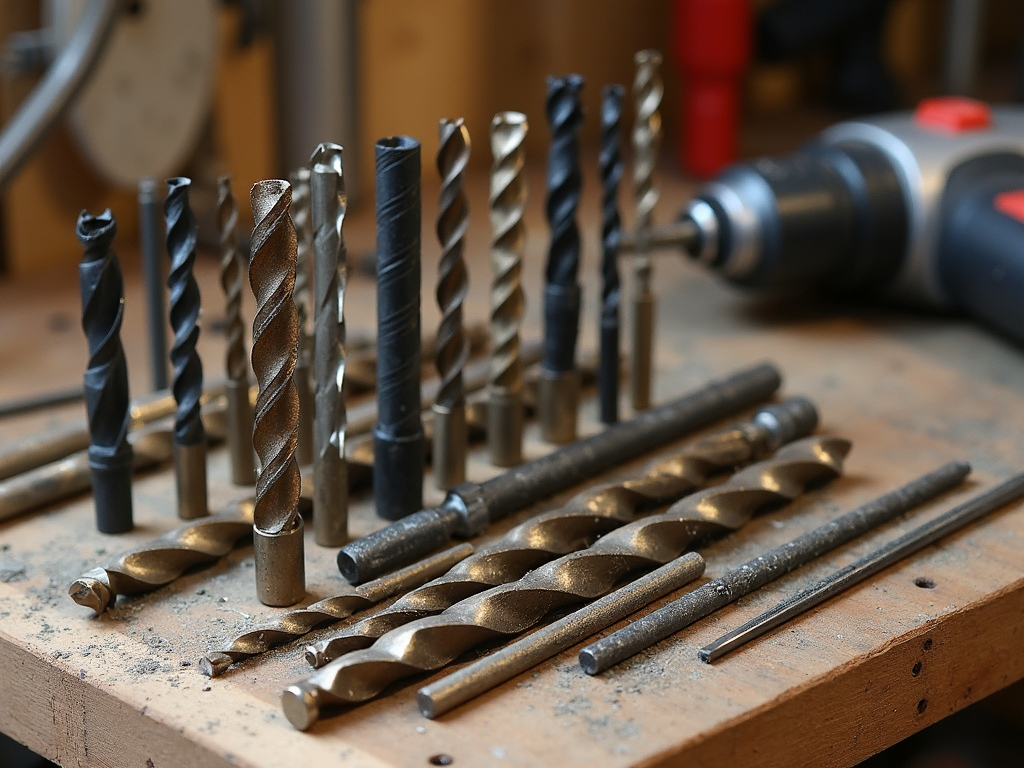
Types of Drill Bits
Understanding the different types of drill bits is the first step in choosing the right one. Each type is designed for specific materials and applications.
Twist Drill Bits
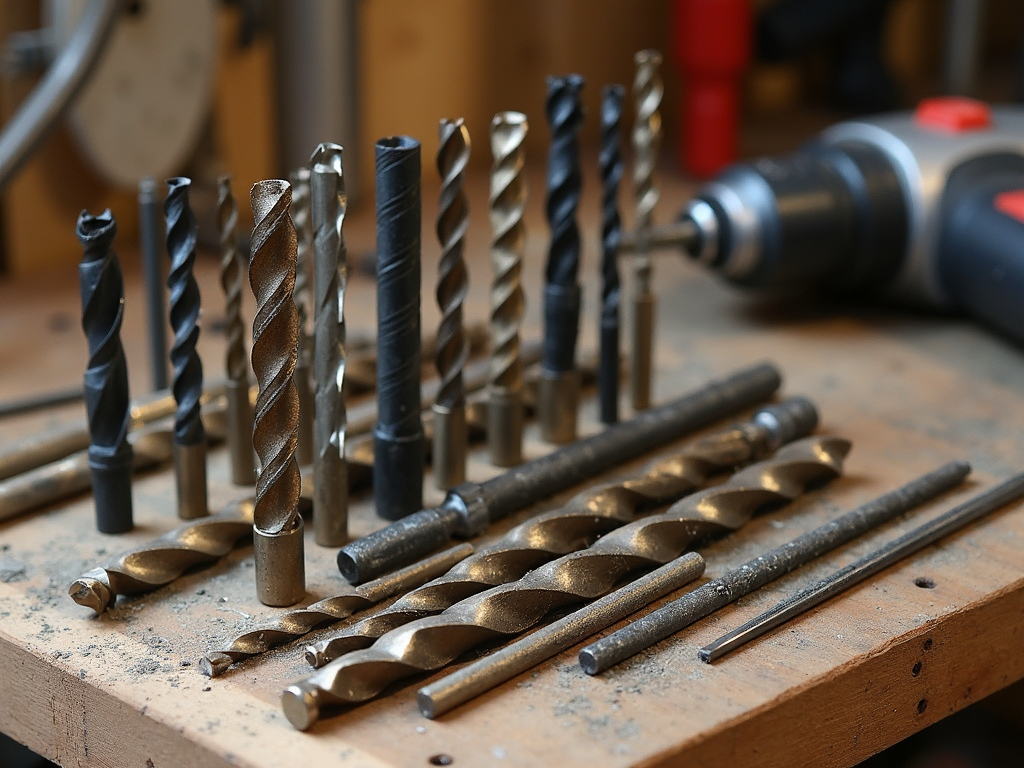
Twist drill bits are the most common and versatile. They feature a spiral design that helps remove debris as you drill. These bits are suitable for wood, metal, and plastic. They come in various materials: carbon steel for wood, high-speed steel (HSS) for metal, and cobalt or titanium-coated for harder metals.
Spade Bits
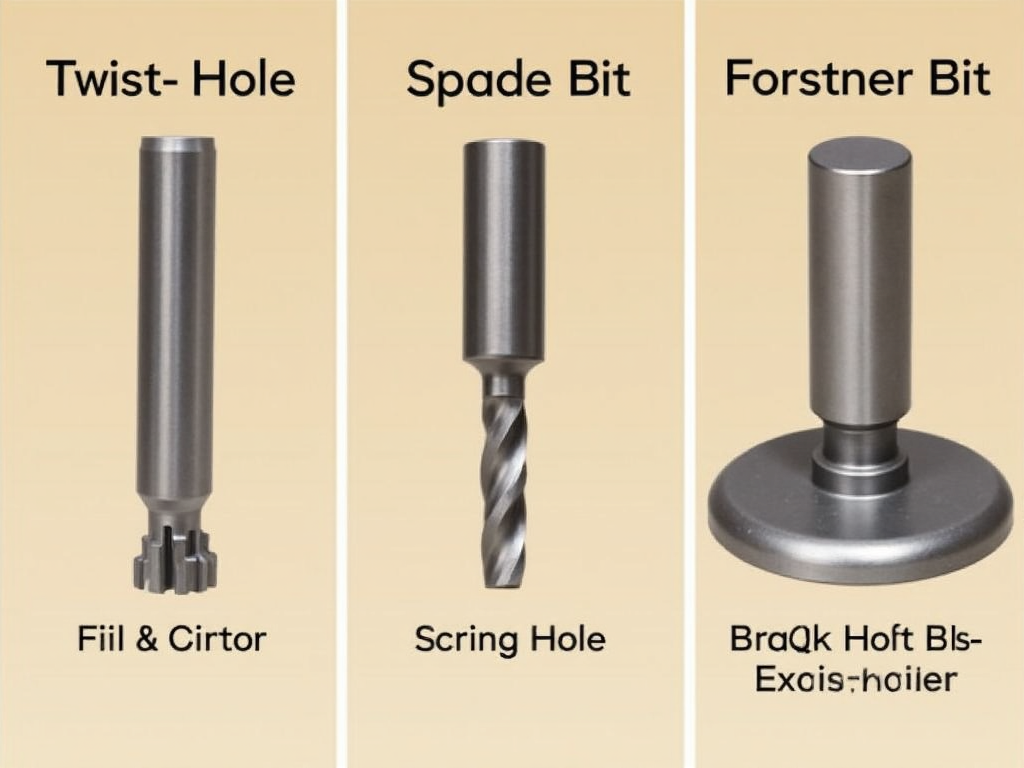
Also known as paddle bits, spade bits are ideal for drilling large holes in wood. They have a flat, paddle-like shape with a pointed tip and are often used in rough carpentry work, such as drilling holes for wiring or plumbing.
Auger Bits
Auger bits are designed for drilling deep, clean holes in wood. Their screw-like tip pulls the bit into the material, making them efficient for tasks like drilling through thick beams or creating holes for dowels.
Masonry Bits
For drilling into hard materials like concrete, brick, or stone, masonry bits are essential. They have a carbide tip to withstand tough surfaces and are often used with a hammer drill.
Forstner Bits
Forstner bits are perfect for drilling flat-bottomed holes in wood, commonly used in cabinetry and furniture making for precise, clean holes.
Brad Point Bits
These bits have a sharp point for precise drilling in wood, reducing wandering and ensuring accurate hole placement.
Glass and Tile Bits
Specially designed for fragile materials, these bits have a spear-shaped tip to minimize cracking and chipping.
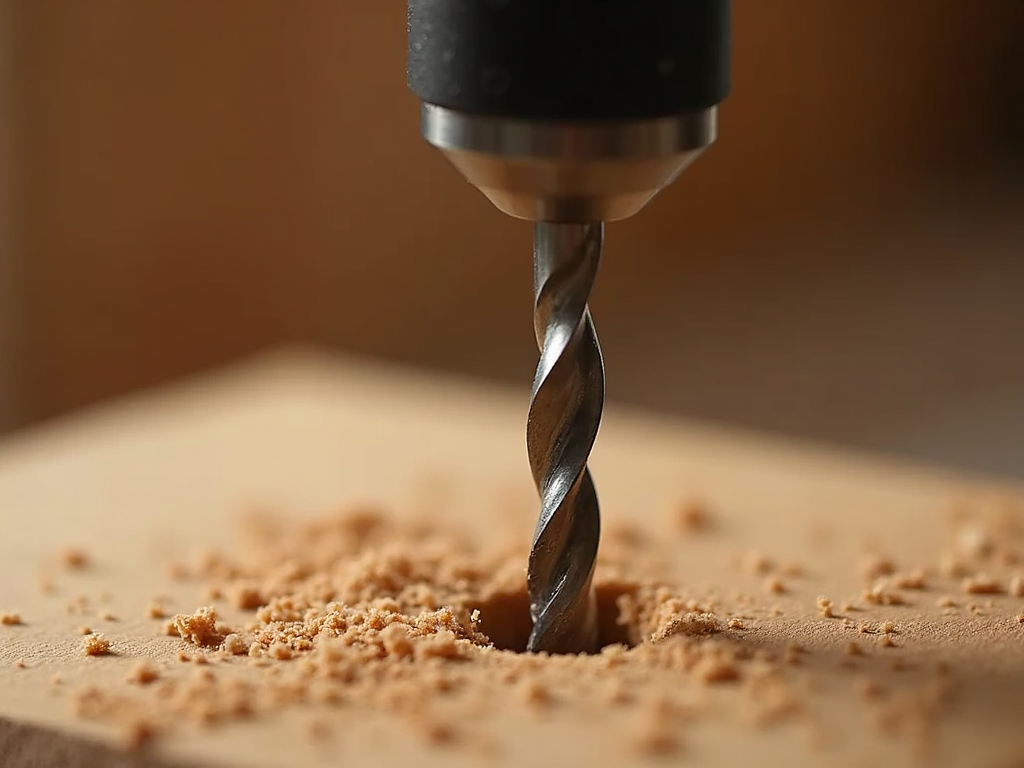
How to Choose the Right Drill Bit
Selecting the right drill bit involves considering several factors:
-
Material: Match the bit to the material. For wood, use twist, spade, or auger bits. For metal, choose HSS or cobalt twist bits. For concrete, use masonry bits.
-
Hole Size: Ensure the bit's diameter matches the required hole size.
-
Drill Type: Some bits require specific drills. For example, masonry bits work best with hammer drills.
-
Desired Finish: For clean, precise holes, choose bits like Forstner or brad point bits.
Here's a quick reference table:
| Material | Recommended Drill Bit |
|---|---|
| Wood | Twist, Spade, Auger, Forstner, Brad Point |
| Metal | Twist (HSS or Cobalt) |
| Plastic | Twist |
| Concrete | Masonry |
| Brick | Masonry |
| Stone | Masonry |
| Glass/Tile | Glass and Tile Bit |
Using the wrong bit can lead to poor results, material damage, or injury. Always verify your choice before drilling.
Tips for Using Drill Bits Effectively
- Use the Correct Speed: Adjust speed based on material. Higher speeds for wood, slower for metal.
- Apply Steady Pressure: Consistent, moderate pressure prevents binding or breaking.
- Keep the Bit Cool: Use lubricant for metal to prevent overheating.
- Clear Debris: Withdraw the bit periodically to remove debris from deep holes.
Maintaining Your Drill Bits
- Keep Them Sharp: Sharpen or replace dull bits for optimal performance.
- Clean After Use: Remove debris to prevent corrosion.
- Store Properly: Keep bits organized and dry to avoid damage.
Safety Precautions
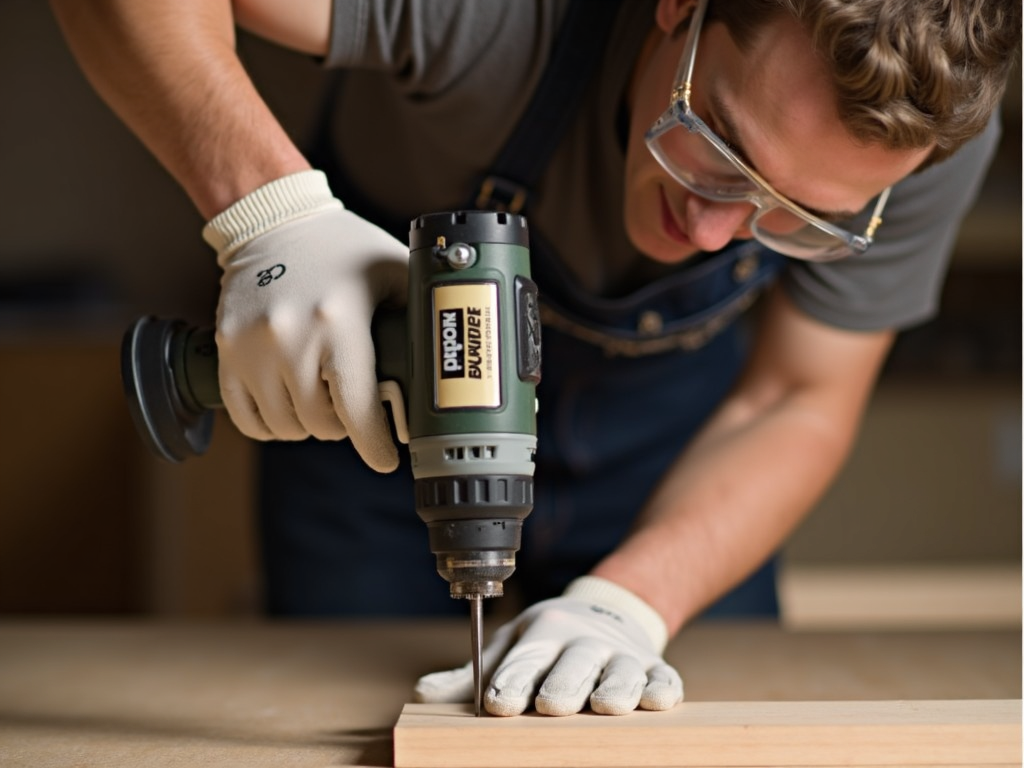
- Wear safety gear: goggles, gloves, and hearing protection.
- Follow manufacturer instructions.
- Keep your work area clean and well-lit.
- Never force a bit; if it's not cutting, check if it's the right type or needs sharpening.
Common Mistakes and How to Avoid Them
- Using the Wrong Bit for the Material: Always match the bit to the material to prevent damage and ensure efficiency.
- Incorrect Speed Settings: Adjust speed appropriately to avoid overheating or inefficiency.
- Neglecting Maintenance: Regularly sharpen and clean bits to maintain performance.
- Ignoring Safety Gear: Always wear appropriate protection to prevent injuries.
Specialty Drill Bits
For unique tasks, consider specialty bits:
- Step Bits: For drilling multiple hole sizes in sheet metal.
- Hole Saws: For large diameter holes, like for doorknobs or plumbing.
- Drill Guides: For precise, straight holes.
These tools can make specific projects easier and more efficient.
Conclusion
Choosing the right drill bit is essential for successful drilling projects. By understanding the different types and their uses, you can select the best bit for your task, ensuring clean, precise holes and safe operation. Remember to consider the material, hole size, drill type, and desired finish. Proper use, maintenance, and safety precautions will further enhance your drilling experience.
For more information on power tools and drilling techniques, check out our recommended readings below.
Related Drill Bits 101: Choosing the Right One:
- Advanced Power Tool Features Explained: A Complete Guide for Every User
- Picking the Right Drill for Your Needs: A Beginner’s Guide to Choosing Power Tools
- Top 10 Electrical Tools Every Homeowner Needs
- Essential Chisels in a Woodworker’s Toolkit
- A Look Back at Workman Tools Through the Years
- DIY Woodworking Projects for Beginners: A Comprehensive Guide
- Tool Organization Tips for Painters: Stay Efficient and Productive
- Mastering Electrical Troubleshooting: Essential Tools and Techniques
- DIY Workshop Projects: Build Your Own Storage Solutions
- Safety Practices in Home Electrical Repairs
- How to Maintain Your Tool Set for Longevity
- Workman Tools for Electrical Work: A Comprehensive Guide