Overview
Organizing your workshop can be a daunting task, but with the right tips and tricks, you can create a space that is both efficient and safe. In this article, we'll explore practical strategies for organizing your workshop, from designing an efficient layout to storing your tools properly. We'll also discuss common mistakes with power tools and how to avoid them, ensuring that your workshop is a safe place to work. Whether you're a seasoned professional or a DIY enthusiast, these tips will help you create a workshop that inspires productivity and creativity.
Workspace Layout: Designing for Efficiency
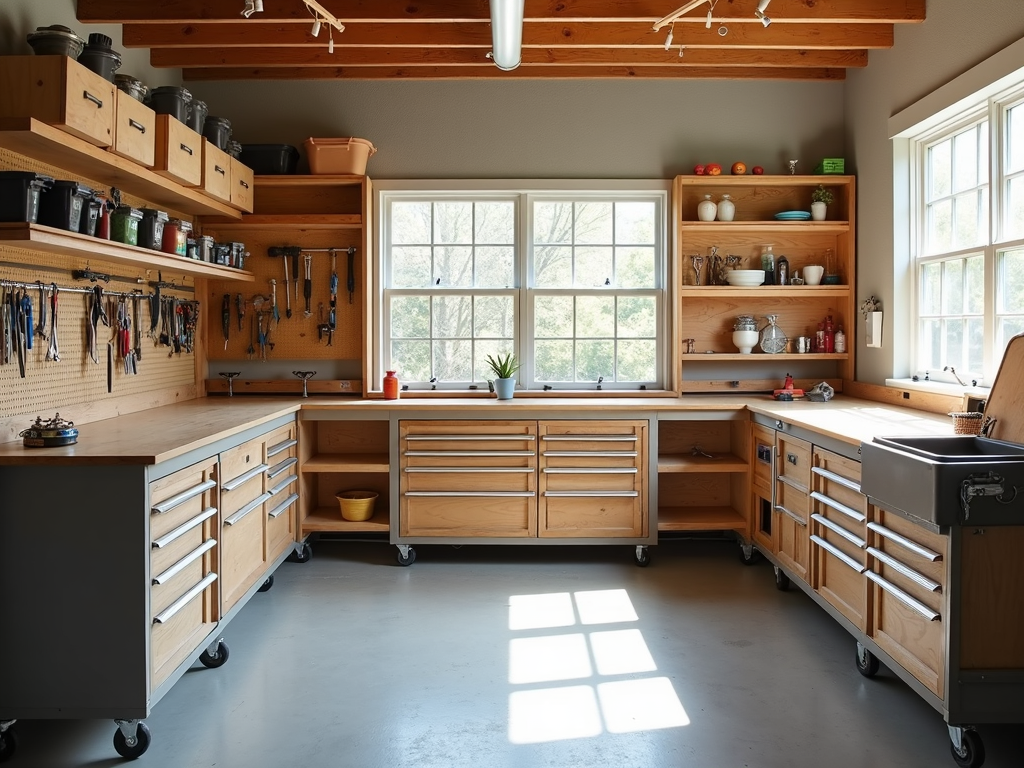
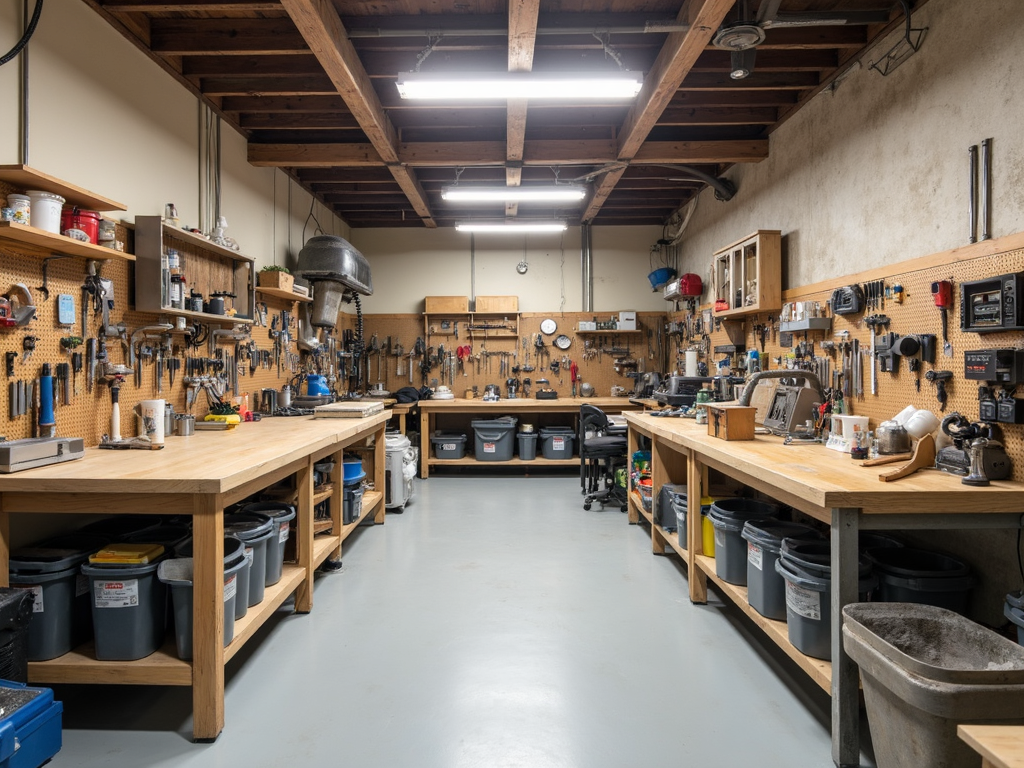
Designing an efficient workspace layout is crucial for maximizing productivity in your workshop. A well-planned layout can help you work more efficiently, reduce the risk of accidents, and make it easier to find the tools and materials you need. Here are some tips for designing an efficient workspace layout:
-
Group similar tasks together: Arrange your workstations so that similar tasks are grouped together. For example, have a dedicated area for woodworking, another for metalworking, and another for painting. This will help you stay organized and reduce the time spent moving between different areas.
-
Create clear pathways: Ensure that there are clear pathways between workstations and storage areas. This will help you move around the workshop safely and efficiently, especially when carrying heavy or bulky items.
-
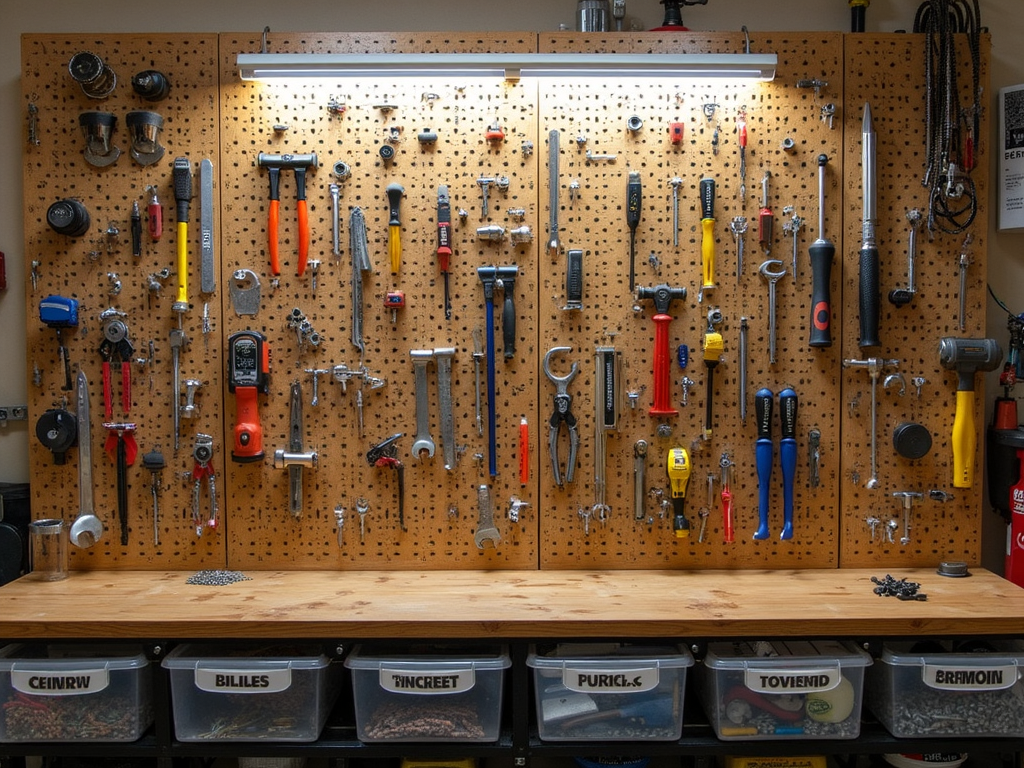
Use vertical space: Make use of vertical space by installing shelves, pegboards, and cabinets. This will help you store more items without taking up valuable floor space.
-
Label everything: Label your storage areas, bins, and drawers to make it easy to find what you need. This will save you time and reduce frustration when searching for tools or materials.
By following these tips, you can create a workspace layout that is both functional and efficient.
Tool Storage Solutions: Keeping Everything in Its Place
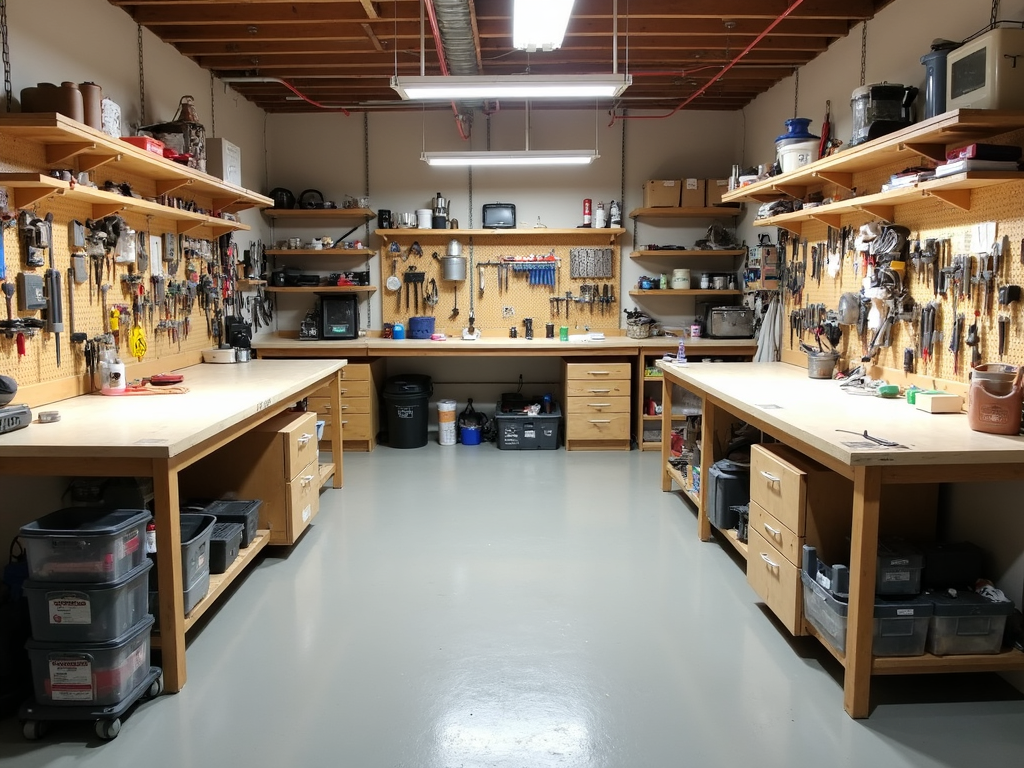
Proper tool storage is essential for maintaining an organized workshop. Not only does it make it easier to find the tools you need, but it also helps protect your tools from damage and extends their lifespan. Here are some tool storage solutions to consider:
-
Pegboards: Pegboards are a versatile and affordable way to store hand tools. You can hang tools on hooks and arrange them by type or size for easy access.
-
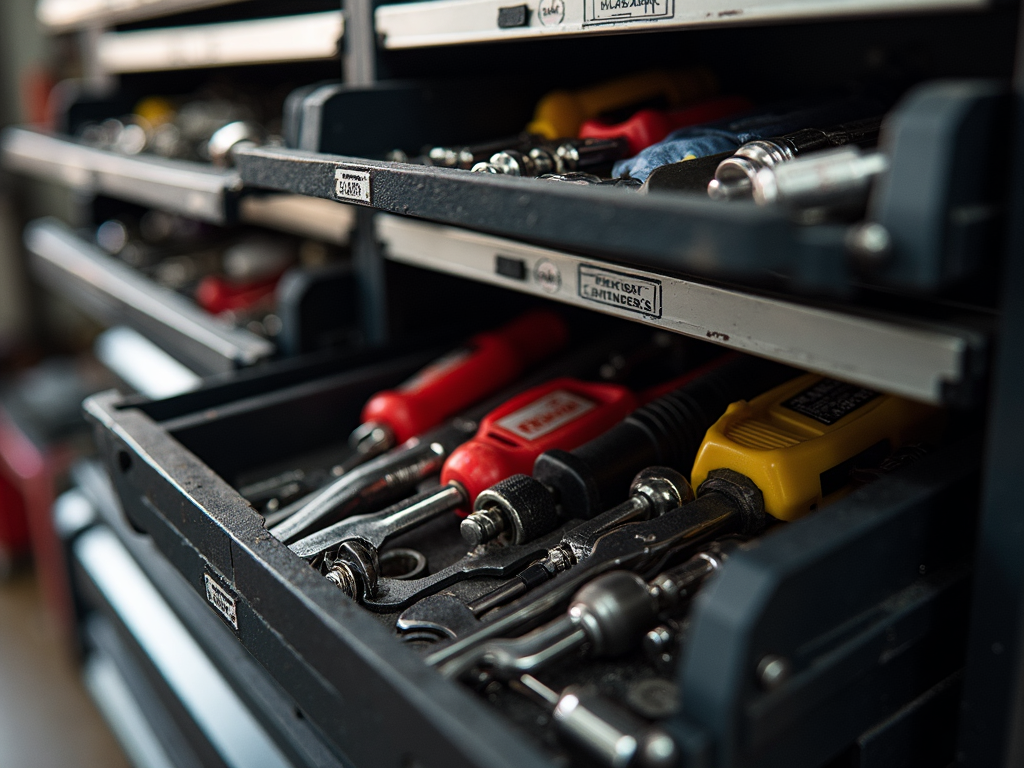
Tool chests and cabinets: For larger tools and equipment, consider investing in tool chests or cabinets. These provide secure storage and can be locked to prevent theft.
-
Shelving units: Shelving units are great for storing bins, boxes, and other containers. You can use them to store materials, supplies, and smaller tools.
-
Wall-mounted racks: Wall-mounted racks are ideal for storing long-handled tools like brooms, shovels, and rakes. They keep these tools off the floor and out of the way.
When organizing your tools, it's important to categorize them and label their storage locations. This will help you quickly find what you need and ensure that everything is returned to its proper place after use.
Safety First: Power Tools Guidelines and Best Practices
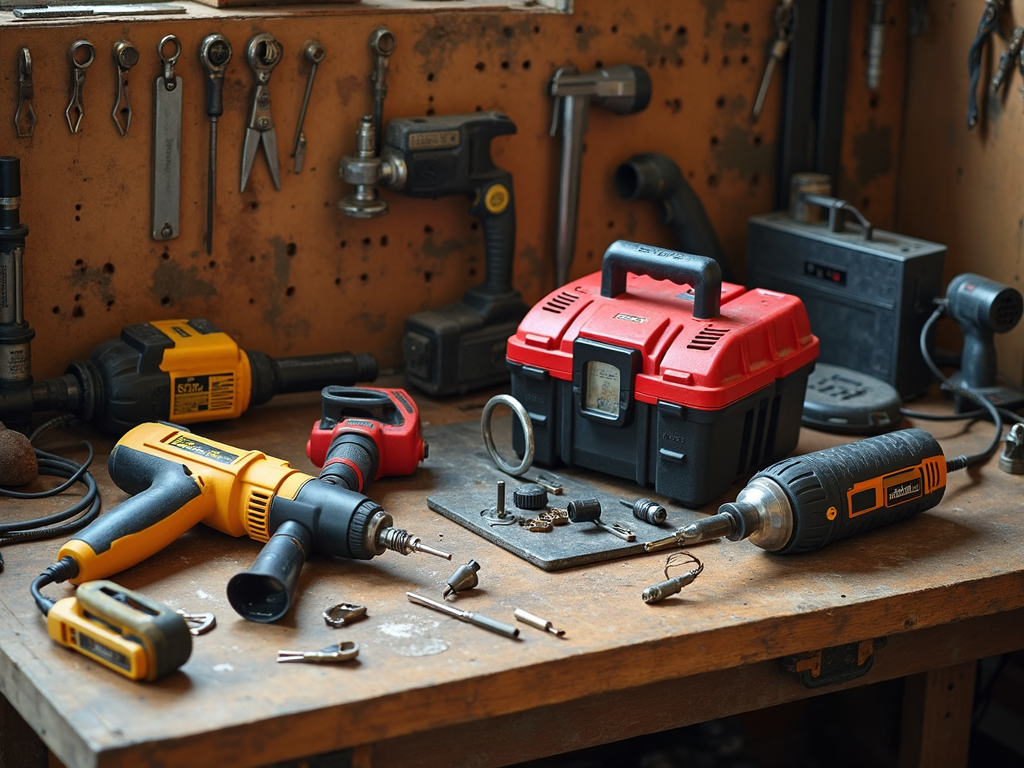
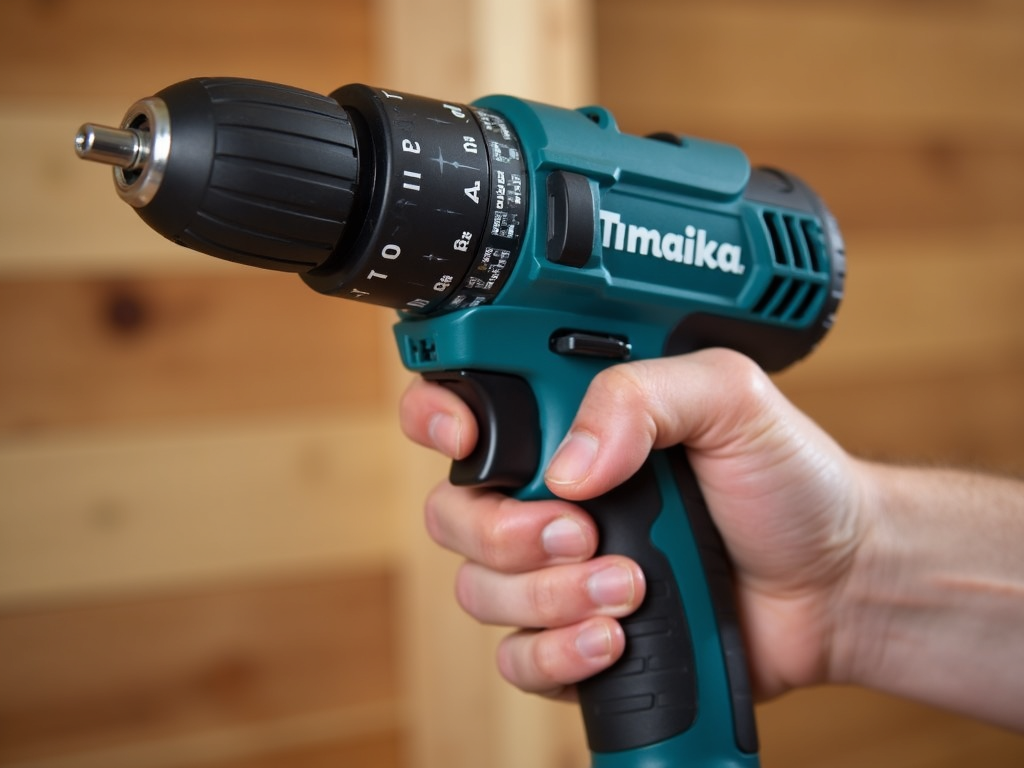
Safety should always be a top priority in the workshop, especially when using power tools. Power tools can be dangerous if not used properly, so it's important to follow safety guidelines and best practices. Here are five common mistakes with power tools and how to avoid them:
-
Not wearing proper safety gear: Always wear safety glasses, ear protection, and gloves when using power tools. This will protect you from flying debris, loud noises, and sharp edges.
-
Using the wrong tool for the job: Make sure you're using the right power tool for the task at hand. Using the wrong tool can lead to accidents and damage to the tool or workpiece.
-
Not securing the workpiece: Always secure the workpiece with clamps or a vise before using a power tool. This will prevent the workpiece from moving or slipping, reducing the risk of injury.
-
Ignoring maintenance: Regularly inspect and maintain your power tools to ensure they are in good working condition. This includes checking for loose parts, frayed cords, and dull blades.
-
Rushing the job: Take your time when using power tools and avoid rushing through tasks. Rushing can lead to mistakes and accidents.
By following these power tools safety guidelines, you can minimize the risk of accidents and create a safer workshop environment.

Efficiency Hacks: Streamlining Your Workflow
Streamlining your workflow is key to maximizing efficiency in your workshop. Here are some efficiency hacks to help you work smarter, not harder:
-
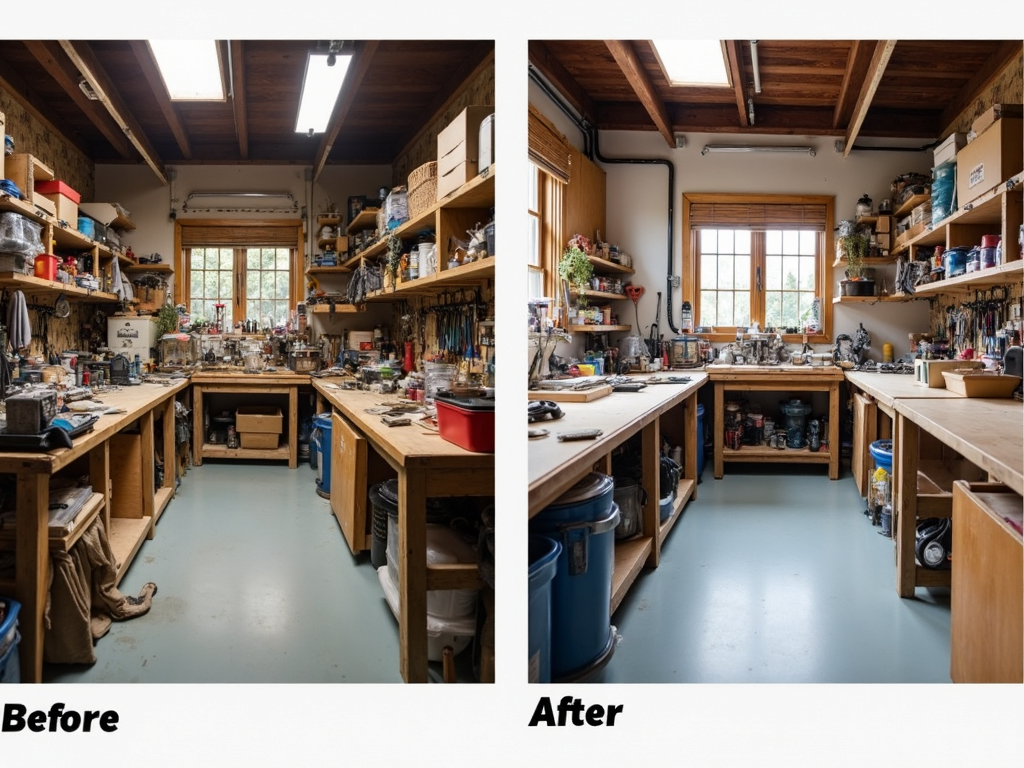
Keep your workspace clean: A clean workspace is a productive workspace. Make it a habit to clean up after each project and put tools back in their designated places.
-
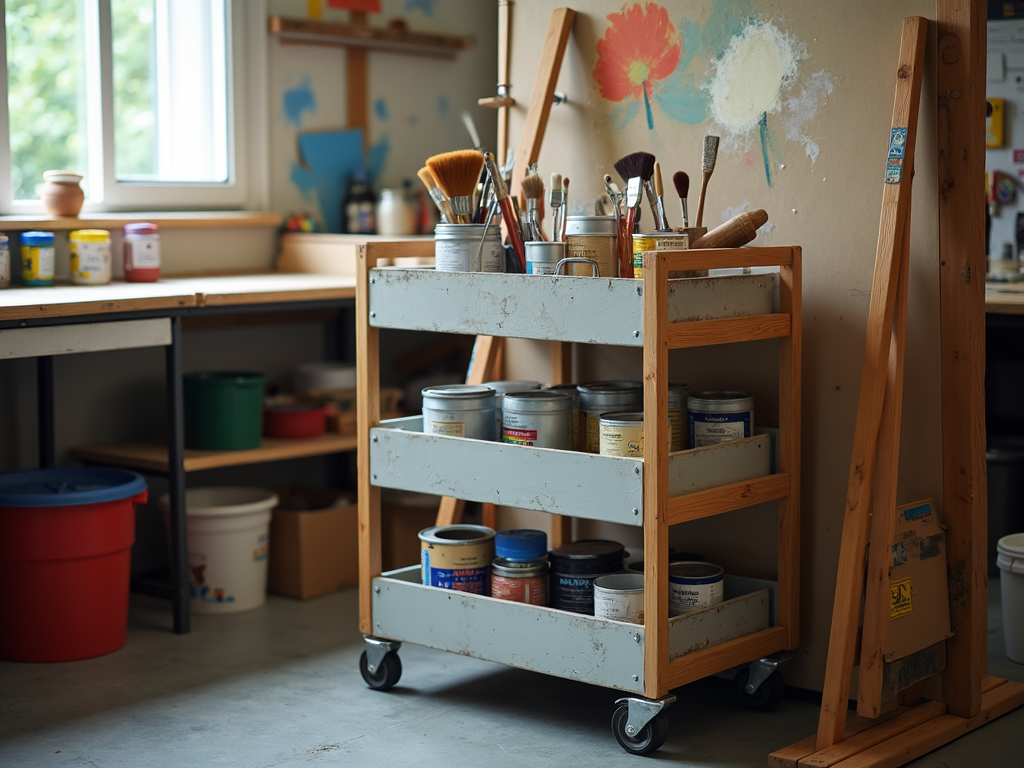
Use a tool cart: A tool cart can help you keep your most-used tools within reach, reducing the time spent searching for them.
-
Implement a labeling system: Label your storage areas, bins, and drawers to make it easy to find what you need. Consider using color-coded labels for different categories of tools or materials.
-
Create a workflow diagram: Map out your workflow and identify areas where you can eliminate unnecessary steps or streamline processes.
-
Invest in quality tools: High-quality tools can save you time and frustration in the long run. They are often more efficient and require less maintenance than cheaper alternatives.
By implementing these efficiency hacks, you can optimize your workflow and get more done in less time.
Personal Insights: Lessons Learned from My Workshop
Over the years, I've learned a lot about organizing my workshop through trial and error. Here are some personal insights and lessons I've learned:
-
Start small: Don't try to organize your entire workshop at once. Start with one area or category of tools and work your way up.
-
Be flexible: Your organizational system may need to evolve over time as your needs change. Don't be afraid to make adjustments and try new things.
-
Involve others: If you share your workshop with others, involve them in the organization process. This will help ensure that everyone knows where things are and how to maintain the system.
-
Regularly declutter: Set aside time to declutter your workshop and get rid of items you no longer need. This will help prevent clutter from building up and keep your workspace organized.
By applying these lessons to your own workshop, you can create a space that is tailored to your needs and preferences.
Conclusion
Organizing your workshop is an ongoing process, but with the right tips and tricks, you can create a space that is both efficient and safe. By designing an efficient layout, implementing proper tool storage solutions, prioritizing safety, streamlining your workflow, and learning from personal experiences, you can transform your workshop into a productive and inspiring space. Remember to regularly maintain and update your organizational system to ensure it continues to meet your needs.
Related Organizing Your Workshop: Tips and Tricks:
- Power Tools Safety Guidelines: A Comprehensive Guide
- Specialized Workman Tools for Metalwork: A Comprehensive Guide
- Organizing Your Workshop: Storage Solutions for Tools
- Drill Bits 101: Choosing the Right One
- Top 10 Electrical Tools Every Homeowner Needs
- Essential Chisels in a Woodworker’s Toolkit
- A Look Back at Workman Tools Through the Years
- DIY Woodworking Projects for Beginners: A Comprehensive Guide
- Tool Organization Tips for Painters: Stay Efficient and Productive
- Mastering Electrical Troubleshooting: Essential Tools and Techniques
- DIY Workshop Projects: Build Your Own Storage Solutions
- Safety Practices in Home Electrical Repairs