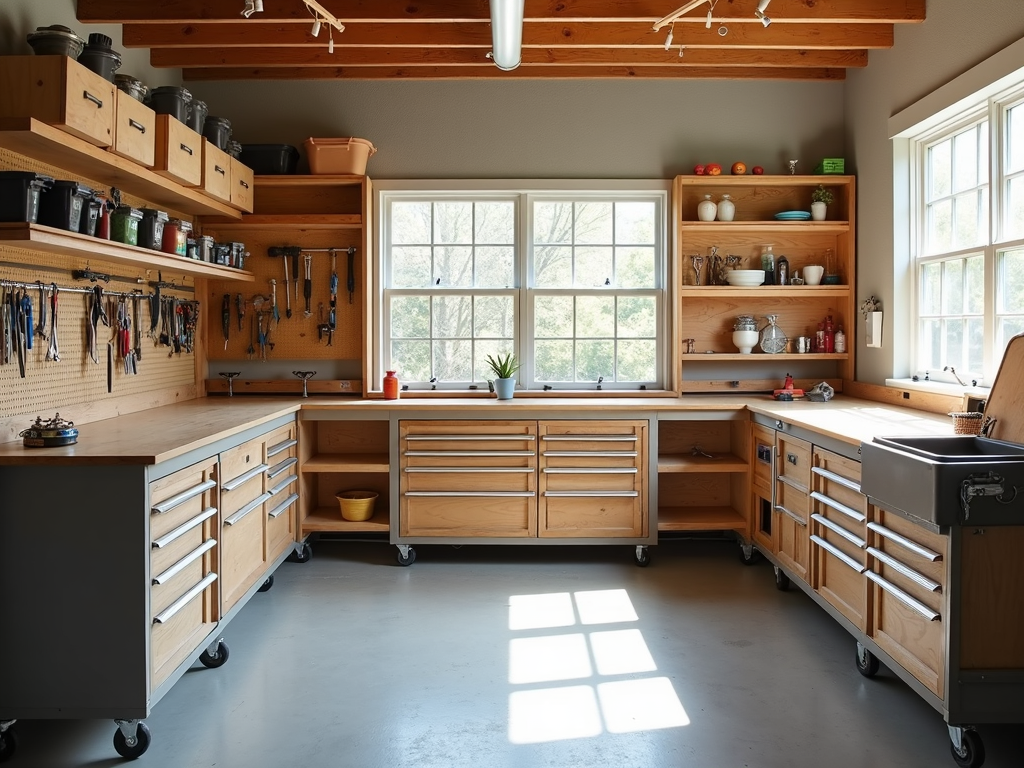
Metalworking is an art that requires precision, skill, and the right tools. Whether you're a seasoned professional or a hobbyist, having specialized workman tools for metalwork is crucial for achieving high-quality results. In this comprehensive guide, we'll explore the essential tools every metalworker should have, delve into more specialized equipment, and provide tips on selecting the perfect toolbox to keep your tools organized and accessible. With insights from experienced metalworkers and recommendations for further reading, this article aims to be your go-to resource for all things related to metalworking tools.
Essential Tools for Every Metalworker
Every metalworker, regardless of their experience level, needs a set of basic tools to perform common tasks. These tools are the foundation of any metalworking project and are indispensable for cutting, shaping, and joining metal.
-
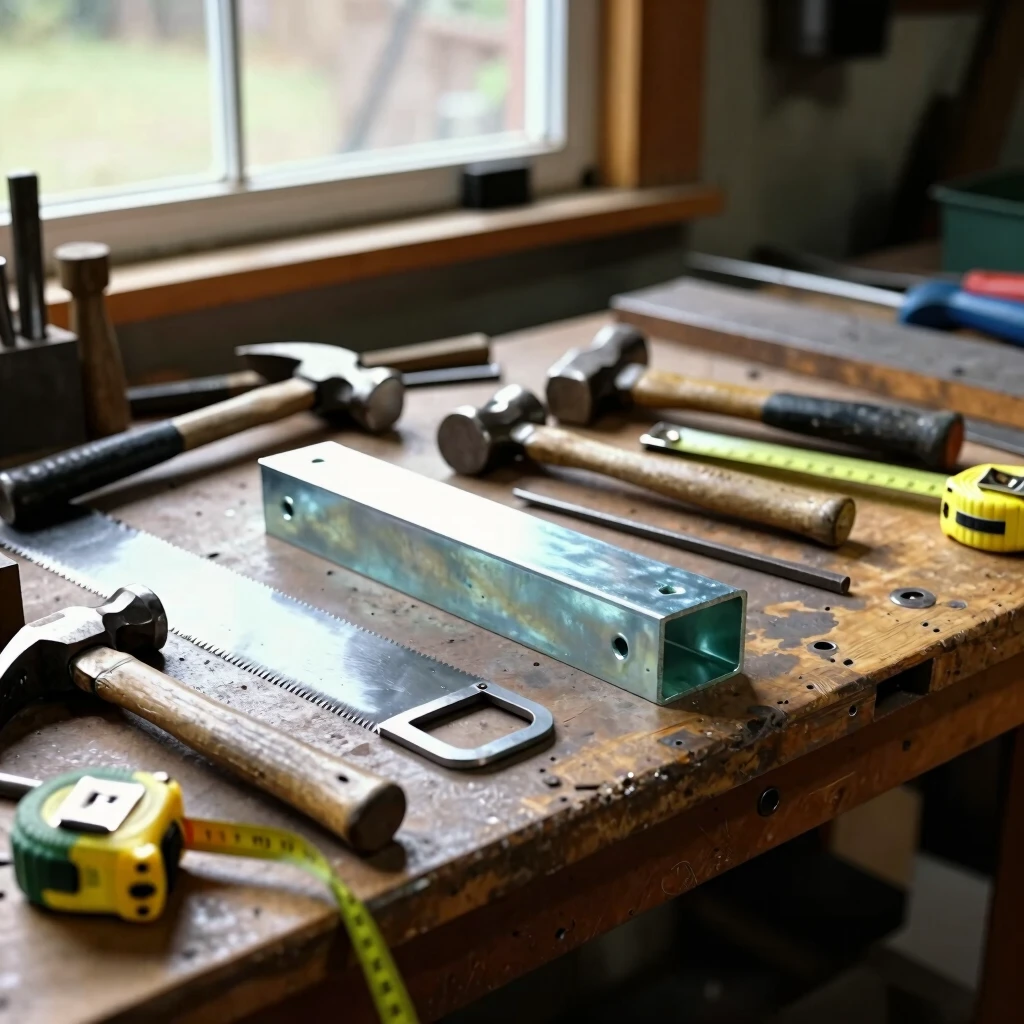
Hammers: A good hammer is essential for shaping metal, driving nails, and performing other tasks. Look for a hammer with a comfortable grip and a head made of durable material like steel.
-
Chisels: Chisels are used for cutting and shaping metal. They come in various sizes and shapes, each designed for specific tasks. For example, a cold chisel is ideal for cutting through metal sheets, while a cape chisel is better for creating grooves.
-
Files: Files are used to smooth and shape metal surfaces. They come in different grades, from coarse to fine, depending on the level of finish required.
-
Pliers: Pliers are versatile tools used for gripping, bending, and cutting metal. Needle-nose pliers are particularly useful for working in tight spaces.
-
Measuring Tools: Accurate measurements are crucial in metalworking. A tape measure, calipers, and a square are essential for ensuring precision.
These tools are the backbone of any metalworking toolkit. As you gain experience, you'll likely add more specialized tools to your collection, but these essentials will always be at the core of your work.
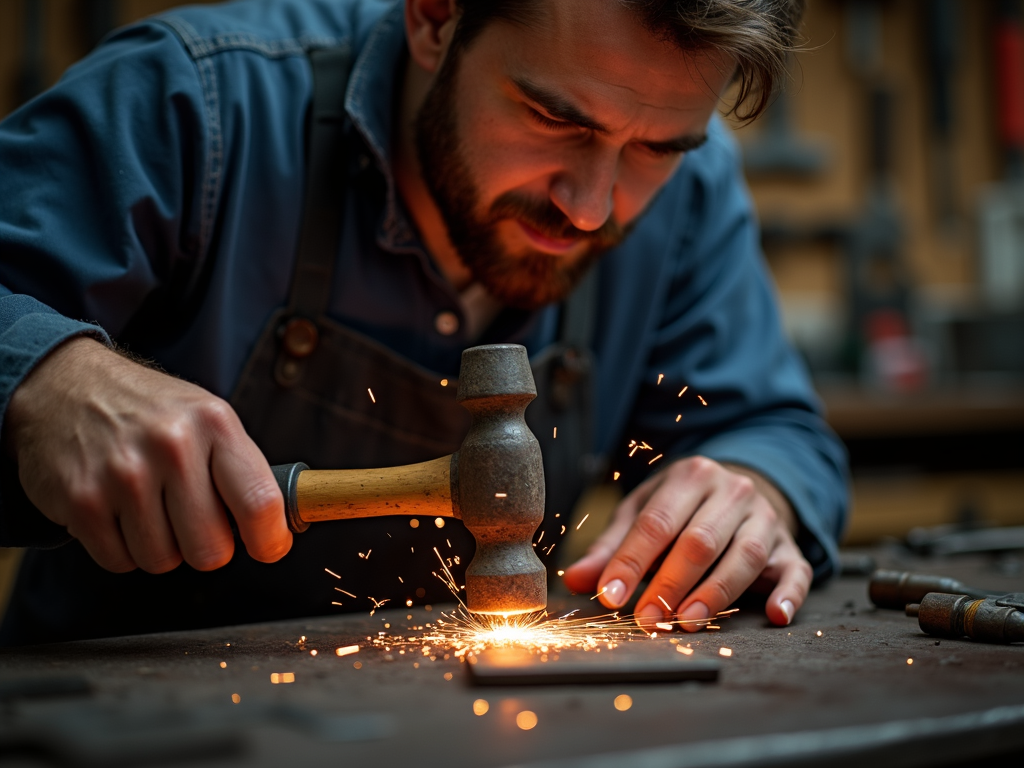
!A metalworker using a hammer and chisel
Caption: A metalworker carefully shapes a piece of metal using a hammer and chisel, demonstrating the precision required in metalworking.
Specialized Tools for Advanced Metalworking
As you progress in your metalworking journey, you'll encounter projects that require more specialized tools. These tools are designed for specific tasks and can significantly enhance your capabilities.
-
Welding Equipment: Welding is a fundamental skill in metalworking, and having the right equipment is crucial. A MIG welder is a good starting point for beginners, while more advanced welders might prefer TIG or stick welding for greater control.
-
Lathes: A lathe is used for shaping metal by rotating it against a cutting tool. It's essential for creating cylindrical parts and can be used for tasks like threading and knurling.
-
Milling Machines: Milling machines are used for cutting and shaping metal with precision. They can perform tasks like drilling, boring, and slotting, making them invaluable for complex projects.
-
Grinders: Grinders are used for sharpening tools, smoothing surfaces, and removing excess material. A bench grinder is a staple in many workshops, while angle grinders are portable and versatile.
-
Plasma Cutters: Plasma cutters are used for cutting through thick metal sheets with precision. They use a high-velocity jet of ionized gas to melt and remove metal.
These specialized tools can be a significant investment, but they open up a world of possibilities for advanced metalworking projects. When choosing specialized tools, consider your specific needs and the types of projects you plan to undertake.
Choosing the Right Toolbox for Your Metalworking Tools
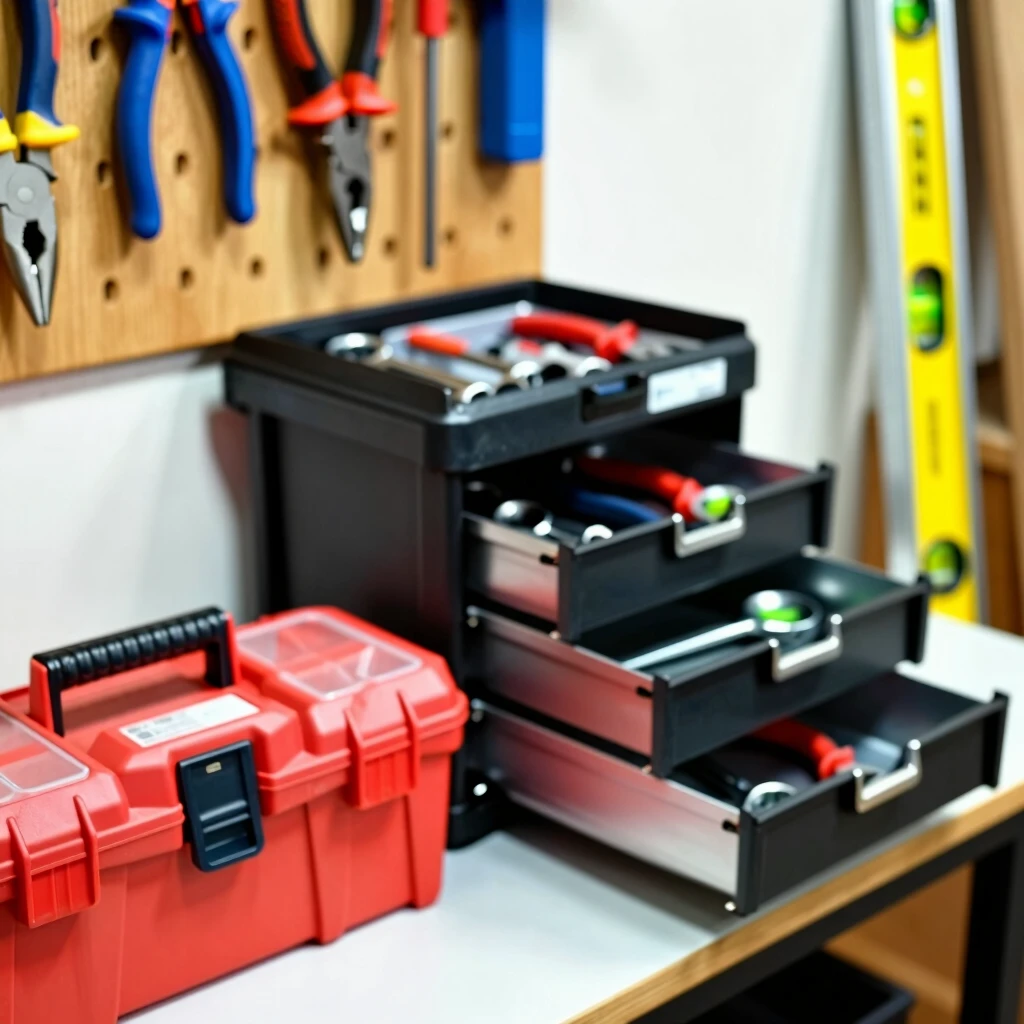
A well-organized toolbox is essential for keeping your tools accessible and in good condition. With so many options available, it can be challenging to choose the right one. Here's a table comparing different types of toolboxes to help you make an informed decision:
| Toolbox Type | Features | Benefits |
|---|---|---|
| Portable Toolbox | Compact, lightweight, multiple compartments | Easy to carry, ideal for small projects or on-the-go work |
| Rolling Toolbox | Wheels, telescoping handle, large capacity | Convenient for transporting heavy tools, suitable for larger projects |
| Wall-Mounted Toolbox | Fixed to the wall, open shelves, pegboards | Saves floor space, keeps tools visible and accessible |
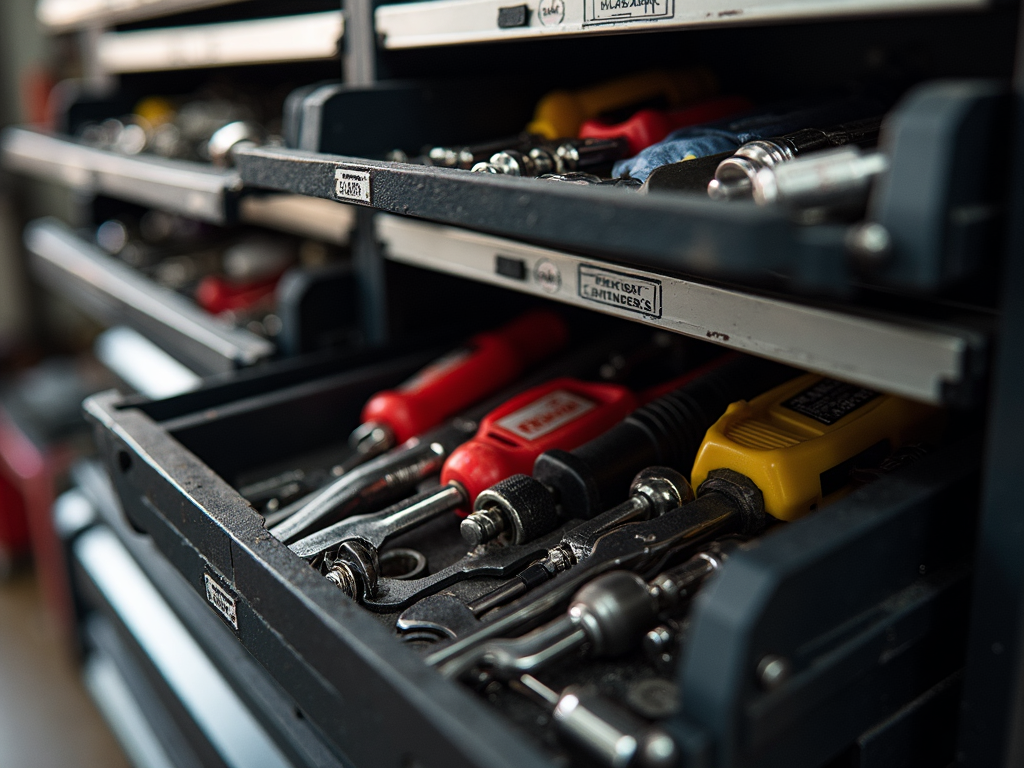
| Tool Chest | Multiple drawers, lockable, sturdy construction | Provides ample storage, keeps tools secure and organized |
When selecting a toolbox, consider the size of your tool collection, the space available in your workshop, and your mobility needs. A combination of different toolbox types might be the best solution for some metalworkers.
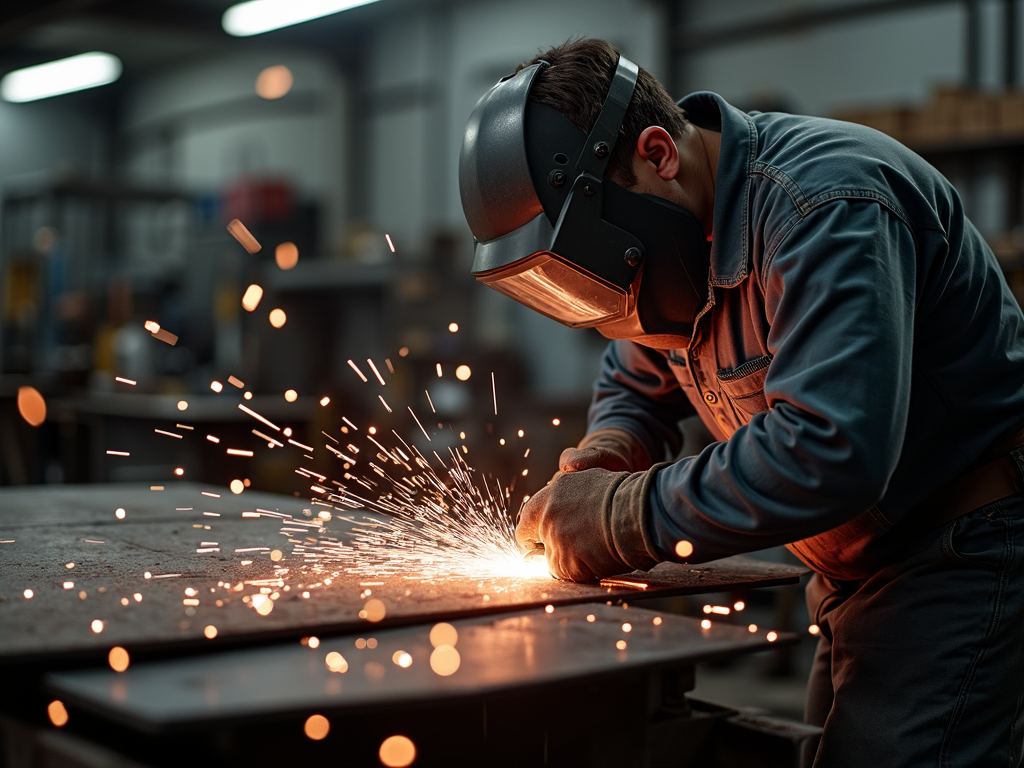
!A metalworker using a plasma cutter
Caption: A metalworker demonstrates the use of a plasma cutter, a specialized tool for cutting through thick metal sheets with precision.
Personal Insights and Experiences
As someone who has spent years in metalworking, I can attest to the importance of having the right tools. One of my earliest projects was creating a custom metal gate for a client's home. I quickly realized that my basic toolkit wasn't sufficient for the intricate designs required. Investing in a MIG welder and a set of specialized chisels made all the difference. The welder allowed me to join metal pieces seamlessly, while the chisels helped me create detailed patterns.
Another memorable experience was when I had to repair a vintage car part. The part was no longer available, so I had to fabricate it from scratch. Using a lathe and a milling machine, I was able to create a precise replica that fit perfectly. These specialized tools not only saved the day but also expanded my skill set.
Through these experiences, I've learned that while basic tools are essential, specialized tools can elevate your work to the next level. They allow you to tackle more complex projects and achieve professional results.
Conclusion
Specialized workman tools for metalwork are essential for anyone serious about the craft. From basic hammers and chisels to advanced welding equipment and milling machines, each tool plays a crucial role in achieving high-quality results. A well-organized toolbox is equally important, ensuring your tools are always within reach and in good condition.
Whether you're just starting out or looking to expand your toolkit, investing in the right tools will pay off in the long run. Remember to choose tools that suit your specific needs and projects, and don't hesitate to seek advice from experienced metalworkers or reputable sources.
For further reading, check out the recommended articles below. They provide additional insights and tips on metalworking tools and techniques.
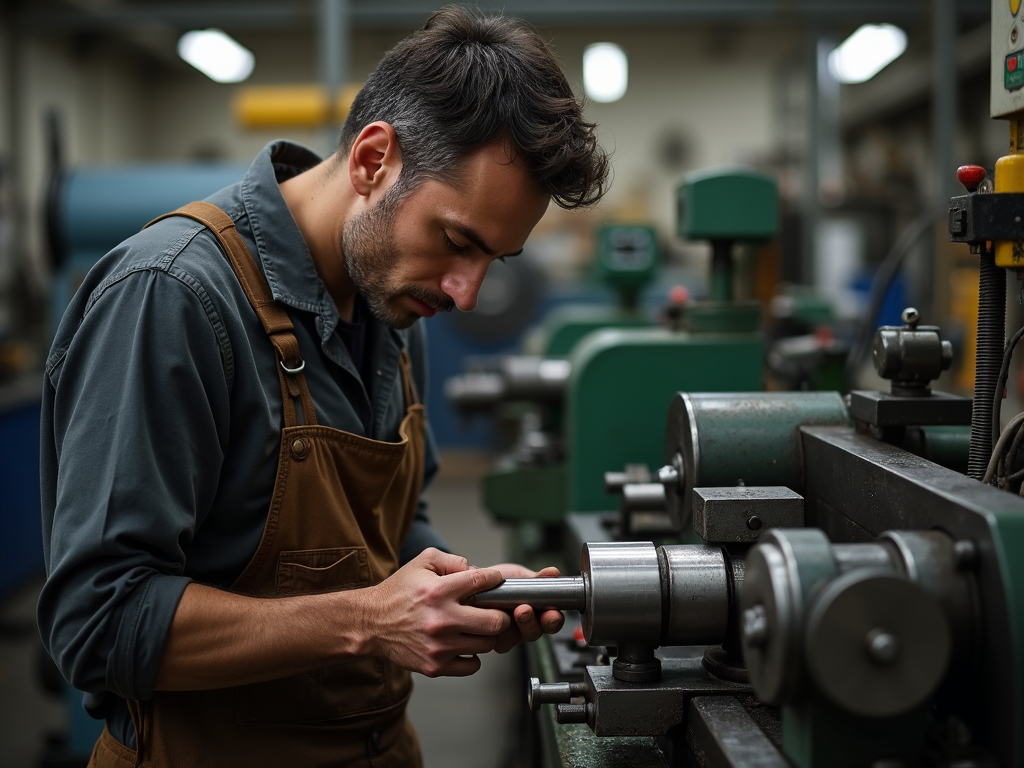
!A metalworker using a lathe
Caption: A metalworker skillfully shapes a metal cylinder on a lathe, showcasing the precision and expertise required in metalworking.
Related specialized workman tools for metalwork:
- Top 10 Essential Tools for Metalworking Beginners: Build Your Skills with Confidence
- How to Choose the Perfect Toolbox for Your Workshop
- The History and Evolution of Metalworking Tools
- Organizing Your Workshop: Storage Solutions for Tools
- Drill Bits 101: Choosing the Right One
- Top 10 Electrical Tools Every Homeowner Needs
- Essential Chisels in a Woodworker’s Toolkit
- A Look Back at Workman Tools Through the Years
- DIY Woodworking Projects for Beginners: A Comprehensive Guide
- Tool Organization Tips for Painters: Stay Efficient and Productive
- Mastering Electrical Troubleshooting: Essential Tools and Techniques
- DIY Workshop Projects: Build Your Own Storage Solutions