Overview: A well-organized workshop is essential for efficiency, safety, and productivity. Whether you're a seasoned professional or a beginner building your first construction tool kit, having a system to store and maintain your tools can save time and extend the life of your equipment. In this guide, we'll explore practical storage solutions for tools, share tips for maintaining your workshop, and provide insights into building and organizing your tool collection.
Assessing Your Current Workshop Setup
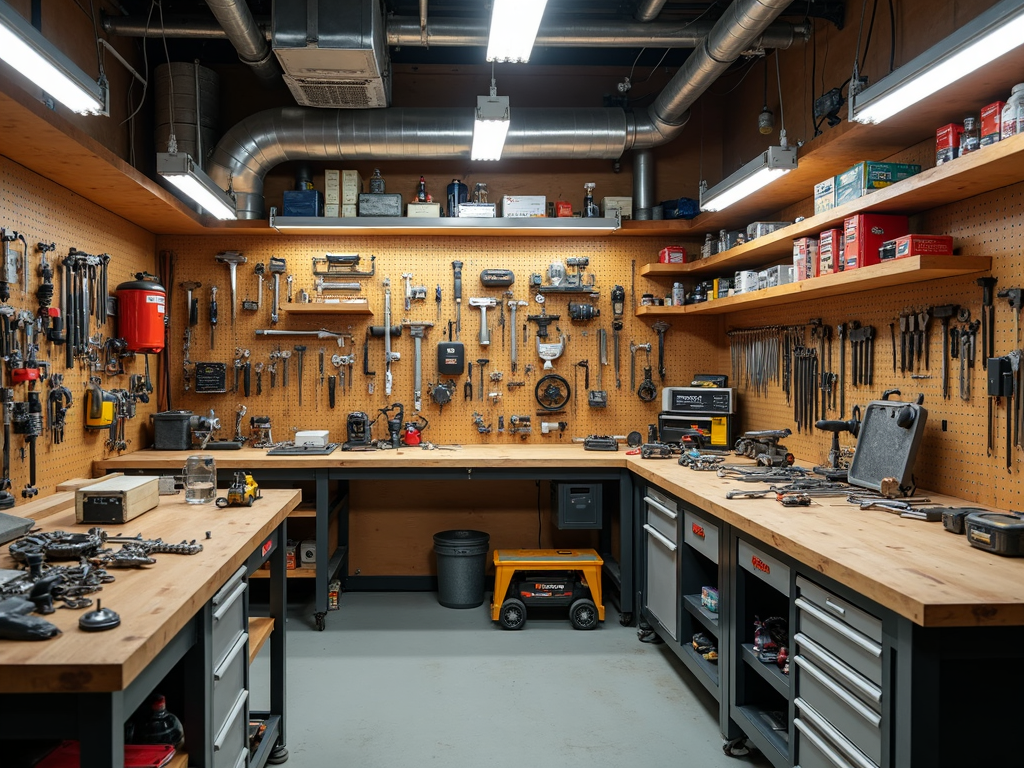
Before diving into storage solutions, take a moment to assess your current workshop. Is it cluttered? Do you spend more time searching for tools than actually using them? A disorganized workshop not only wastes time but can also lead to damaged tools and safety hazards. Start by clearing out unnecessary items and grouping similar tools together. This will give you a clear idea of what you have and what storage solutions will work best.
Planning Your Tool Organization
Once you've assessed your space, it's time to plan. Think about how you use your tools. Do you need quick access to certain items? Are there tools you use less frequently that can be stored out of the way? Categorizing your tools based on frequency of use and type can help you decide on the best storage methods. For example, everyday tools like hammers and screwdrivers should be easily accessible, while specialty tools can be stored in drawers or cabinets.
Choosing the Right Storage Solutions
There are many storage options available, and the best choice depends on your space and needs. Here are some popular solutions:
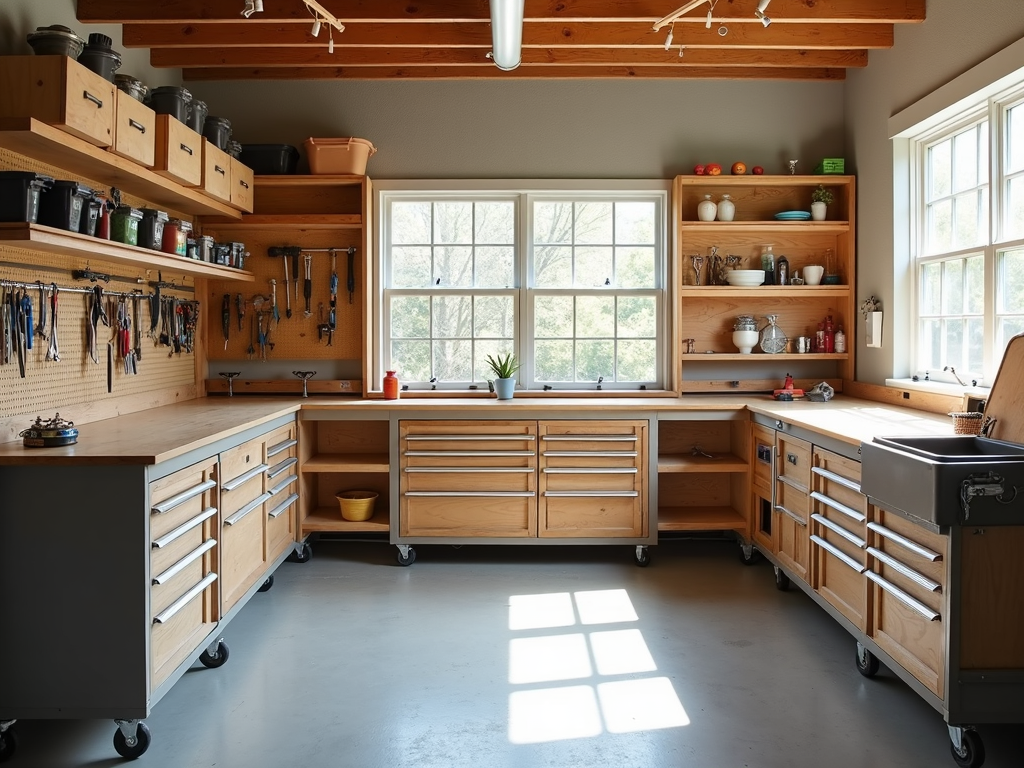
- Pegboards: Great for hanging frequently used tools like hammers, wrenches, and pliers. They keep tools visible and accessible.
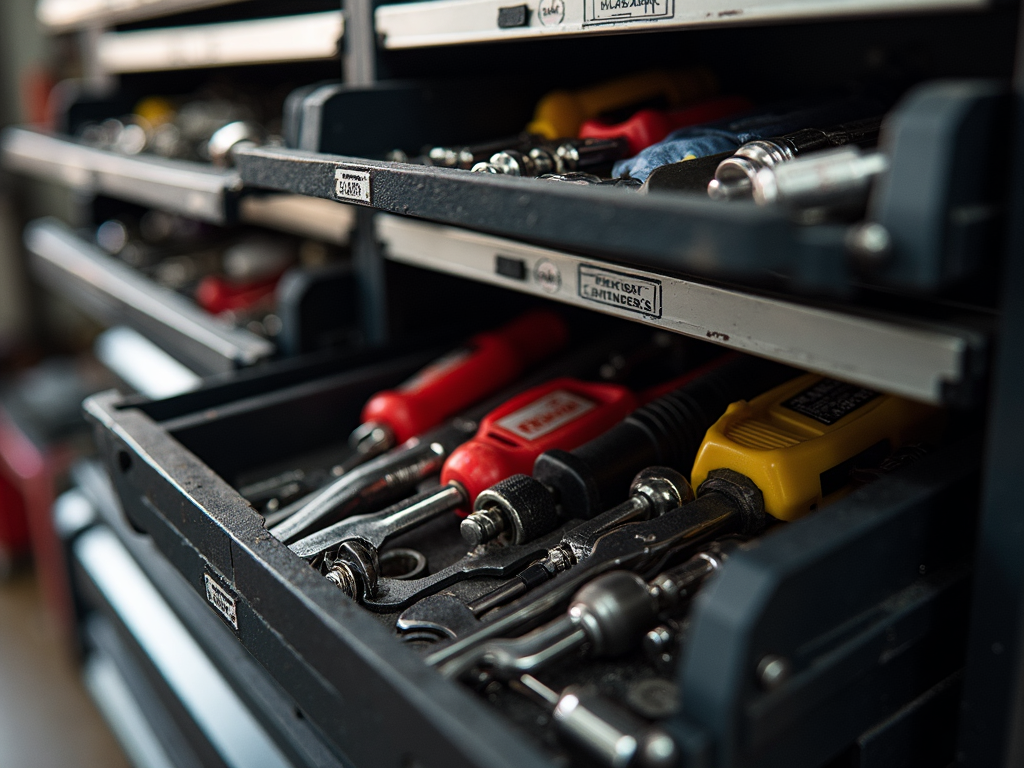
- Tool Cabinets: Ideal for storing a large number of tools in an organized manner. Look for cabinets with adjustable shelves and drawers.
- Tool Chests: Portable and perfect for smaller workshops or for keeping tools organized on the go.
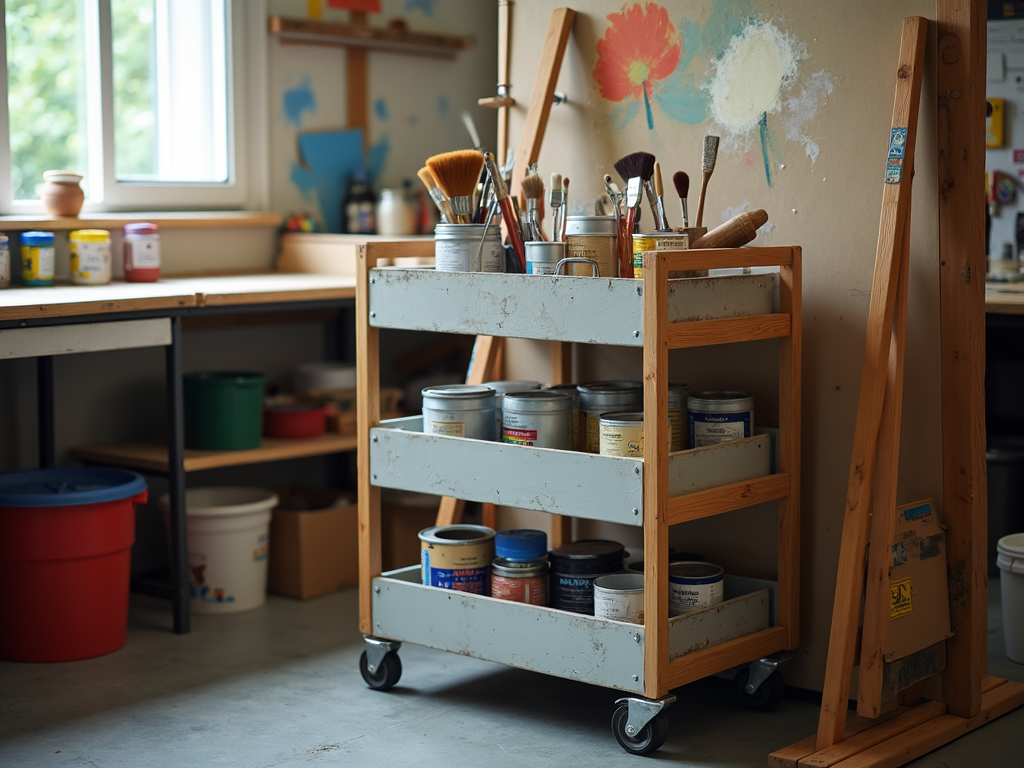
- Shelving Units: Useful for storing larger tools or boxes of supplies. Make sure to use sturdy shelves that can handle the weight of your tools.
When selecting storage, consider the size of your workshop and the types of tools you have. For example, if you have a lot of power tools, you might need a combination of shelving and cabinets to accommodate them.
Storing Specific Tools: Wrenches and More
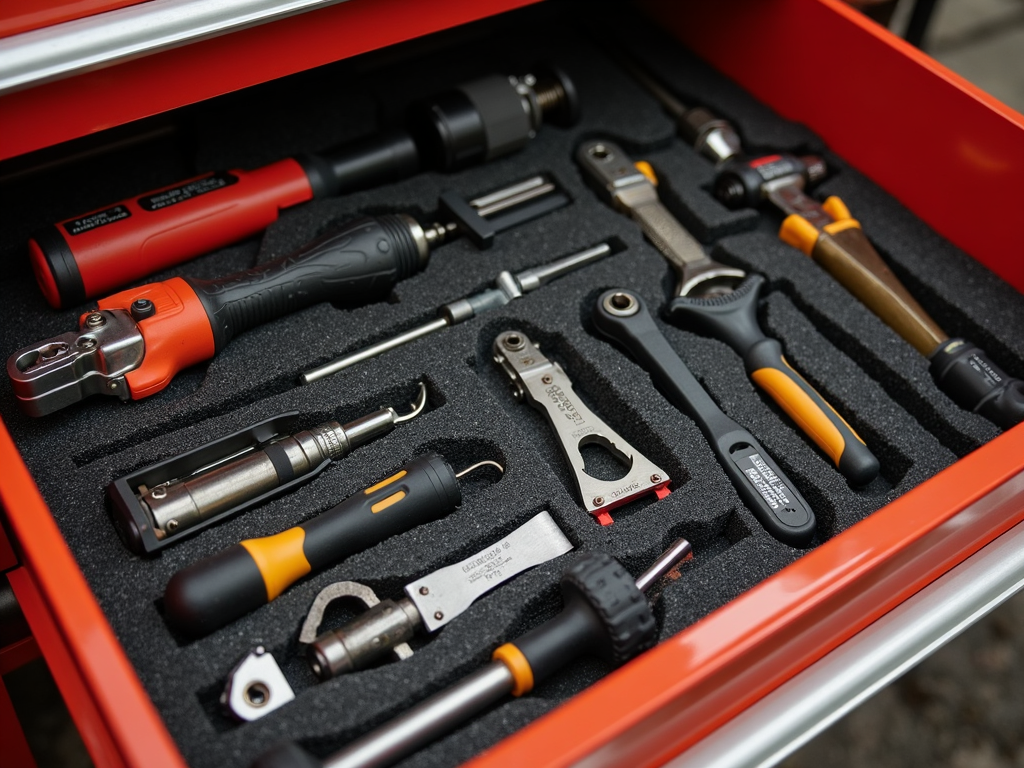
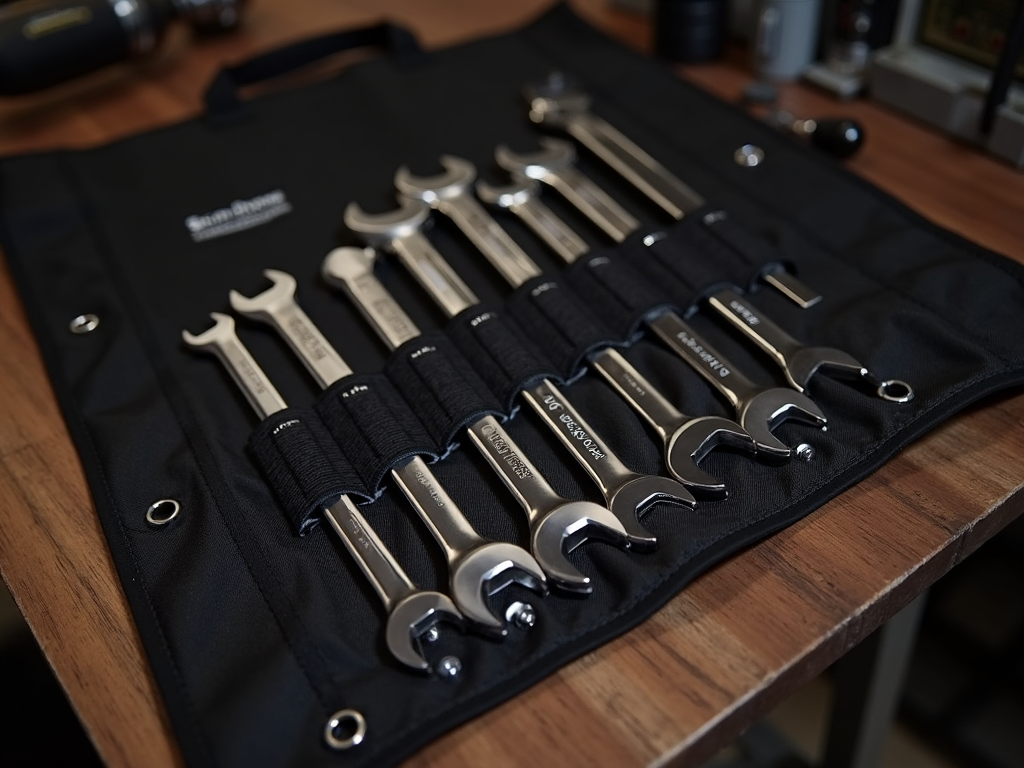
Certain tools, like wrenches, require specific storage solutions to keep them organized and in good condition. For construction workers, having the best wrench sets is crucial, but equally important is how you store them. A wrench roll or a dedicated wrench organizer can keep your wrenches sorted by size and type, making it easy to find the right one when you need it. This is especially important for beginners who are still building their construction tool kit and need to keep track of their tools.
The Ultimate Guide to Tool Maintenance
Proper storage is a key part of tool maintenance. Tools that are left out or stored improperly can rust, become damaged, or lose their effectiveness over time. Here are some tips for maintaining your tools through proper storage:
- Clean tools before storing: Wipe down tools after each use to remove dirt and moisture.
- Use silica gel packs: Place these in tool drawers or cabinets to absorb moisture and prevent rust.
- Oil moving parts: For tools with moving parts, like pliers or wrenches, apply a light coat of oil to keep them functioning smoothly.
- Store in a dry place: Avoid storing tools in damp areas to prevent rust and corrosion.
A Beginner’s Guide to Building Your Construction Tool Kit
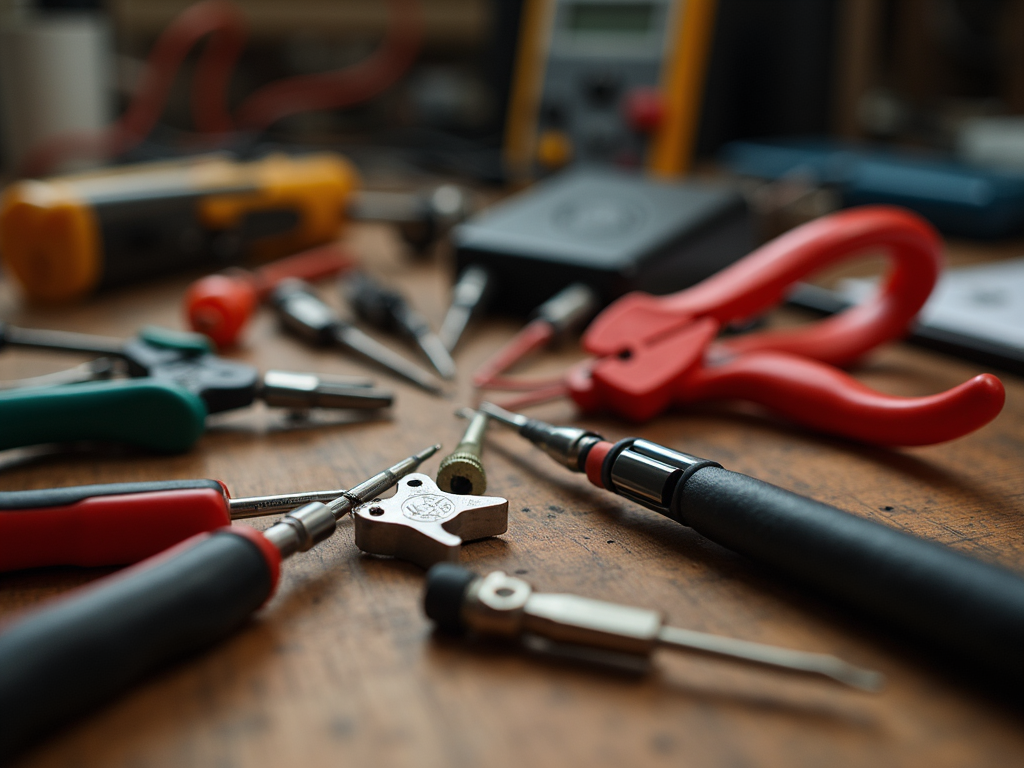
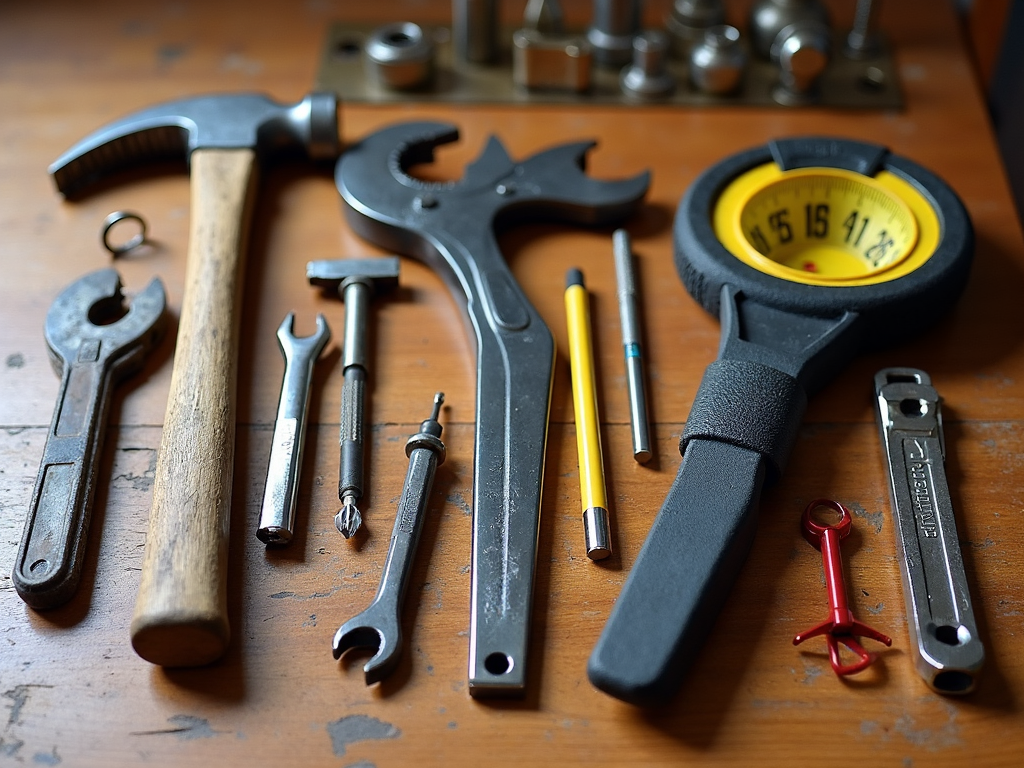
If you're just starting out, building a construction tool kit can feel overwhelming. Start with the essentials: a hammer, screwdrivers, pliers, a tape measure, and a good set of wrenches. As you add to your collection, organization becomes even more important. Use storage solutions that can grow with your tool kit, like modular shelving or expandable tool chests. This way, you can keep your tools organized as your collection expands.
Maintaining Your Workshop Organization
Organizing your workshop is not a one-time task; it requires ongoing maintenance. Here are some tips to keep your workshop organized:
- Return tools to their designated spots: After each use, make sure to put tools back where they belong.
- Regularly declutter: Set aside time every few months to go through your workshop and remove any unnecessary items.
- Label everything: Use labels on drawers, shelves, and bins to make it easy to find and return tools.
- Involve others: If you share your workshop with others, make sure they understand the organization system and follow it.
Summary
A well-organized workshop is more than just a tidy space; it's a key to efficiency, safety, and tool longevity. By assessing your current setup, planning your organization, choosing the right storage solutions, and maintaining your system, you can create a workshop that works for you. Whether you're a beginner building your first tool kit or a seasoned professional, these tips will help you keep your tools in top condition and your workspace clutter-free. Start organizing today and enjoy the benefits of a well-maintained workshop.
Related Organizing Your Workshop: Storage Solutions for Tools:
- Drill Bits 101: Choosing the Right One
- Top 10 Electrical Tools Every Homeowner Needs
- Essential Chisels in a Woodworker’s Toolkit
- A Look Back at Workman Tools Through the Years
- DIY Woodworking Projects for Beginners: A Comprehensive Guide
- Tool Organization Tips for Painters: Stay Efficient and Productive
- Mastering Electrical Troubleshooting: Essential Tools and Techniques
- DIY Workshop Projects: Build Your Own Storage Solutions
- Safety Practices in Home Electrical Repairs
- How to Maintain Your Tool Set for Longevity
- Workman Tools for Electrical Work: A Comprehensive Guide
- The Benefits of Ergonomic Tools in the Workplace: Enhancing Productivity and Well-being