Overview
DIY electrical projects can be a great way to save money and learn new skills, but it's important to know your limits. In this article, we'll explore what you can and can't do when it comes to electrical work in your home. From simple tasks like replacing a light switch to more complex projects like upgrading your electrical system, we'll cover everything you need to know to stay safe and get the job done right.
Main Content
When it comes to DIY electrical projects, safety should always be your top priority. Before you start any project, make sure you understand the risks involved and have the necessary tools and knowledge to complete the job safely. Here are some things you can safely do yourself:
- Replacing a light switch or outlet
- Installing a new light fixture
- Adding a new circuit to your electrical panel (with caution)
However, there are some projects that should be left to professionals:
- Upgrading your electrical system
- Installing a new electrical panel
- Running new wiring through your walls
In the following sections, we'll dive deeper into each of these topics and provide tips and advice for completing them safely and effectively.
Replacing a Light Switch or Outlet
Replacing a light switch or outlet is a relatively simple DIY project that can be completed with just a few tools and some basic knowledge. Here's how to do it:
- Turn off the power to the circuit you're working on at the electrical panel.
- Remove the old switch or outlet by unscrewing it from the wall.
- Disconnect the wires from the old switch or outlet.
- Connect the wires to the new switch or outlet.
- Screw the new switch or outlet into place.
- Turn the power back on and test your work.
Installing a New Light Fixture
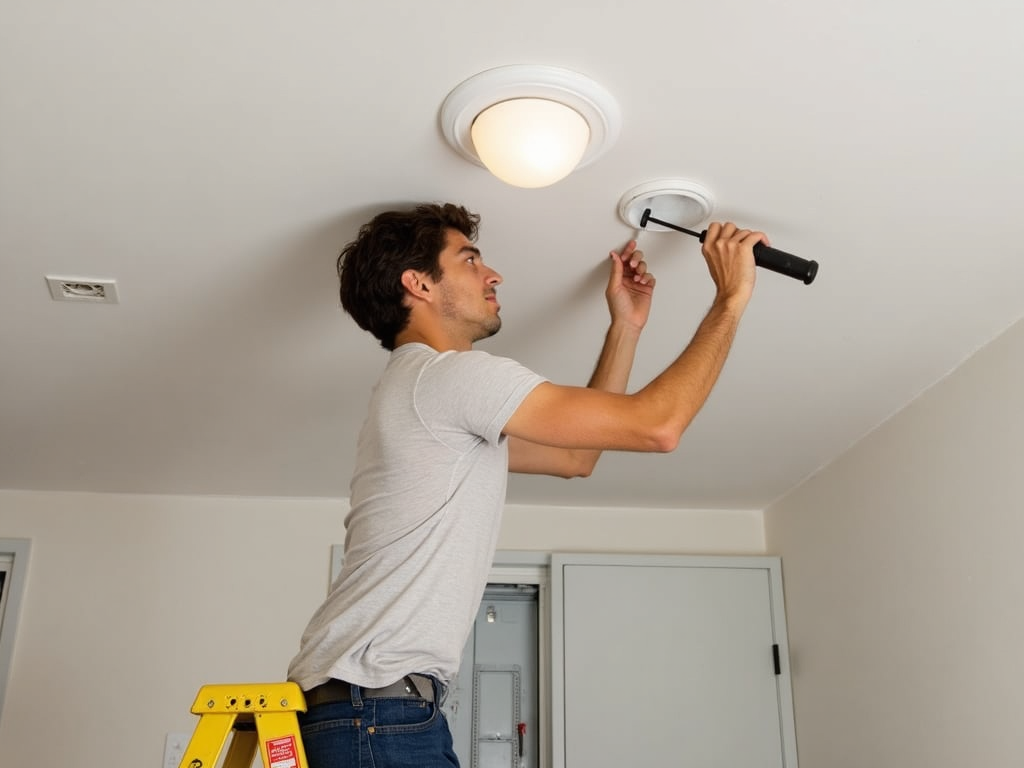
Installing a new light fixture is another DIY project that can be completed with relative ease. Here's how to do it:
- Turn off the power to the circuit you're working on at the electrical panel.
- Remove the old light fixture by unscrewing it from the ceiling or wall.
- Disconnect the wires from the old fixture.
- Connect the wires to the new fixture.
- Screw the new fixture into place.
- Turn the power back on and test your work.
Adding a New Circuit to Your Electrical Panel
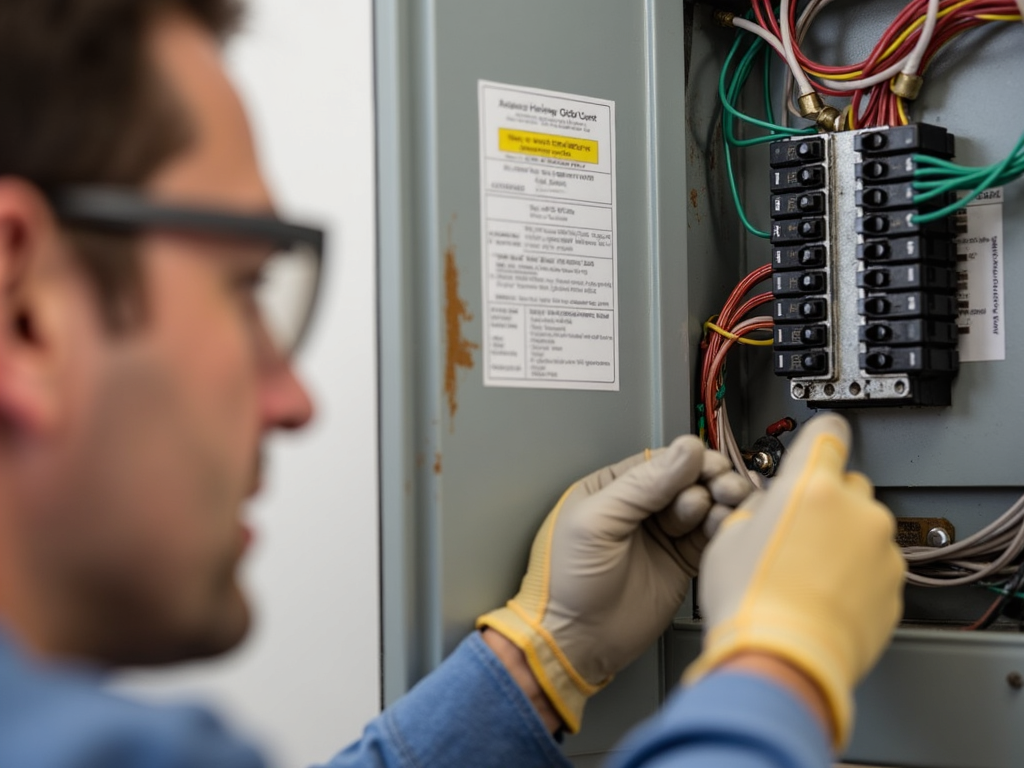
Adding a new circuit to your electrical panel is a more complex DIY project that requires a good understanding of electrical systems and safety practices. Here's how to do it:
- Turn off the power to the electrical panel.
- Open the panel and locate an empty slot for the new circuit.
- Install a new circuit breaker in the empty slot.
- Run the new wiring from the panel to the location where the new circuit will be used.
- Connect the wiring to the new circuit breaker.
- Turn the power back on and test your work.
Upgrading Your Home’s Electrical System
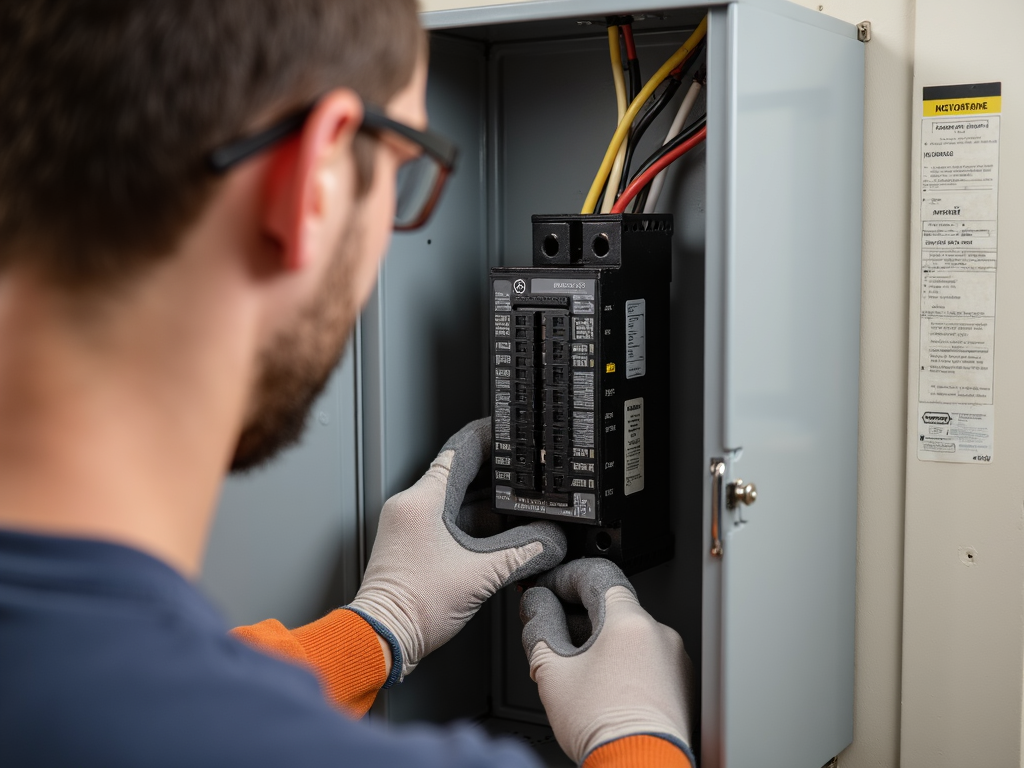
Upgrading your home’s electrical system is a complex project that should be left to professionals. This involves replacing the electrical panel, upgrading the wiring, and ensuring that the system meets current safety standards. Here are some reasons why you should hire a professional for this job:
- Electrical systems are complex and require specialized knowledge and tools.
- Upgrading an electrical system can be dangerous if not done correctly.
- Professionals have the experience and expertise to complete the job safely and efficiently.
A Simple Guide to Your Home’s Electrical Setup
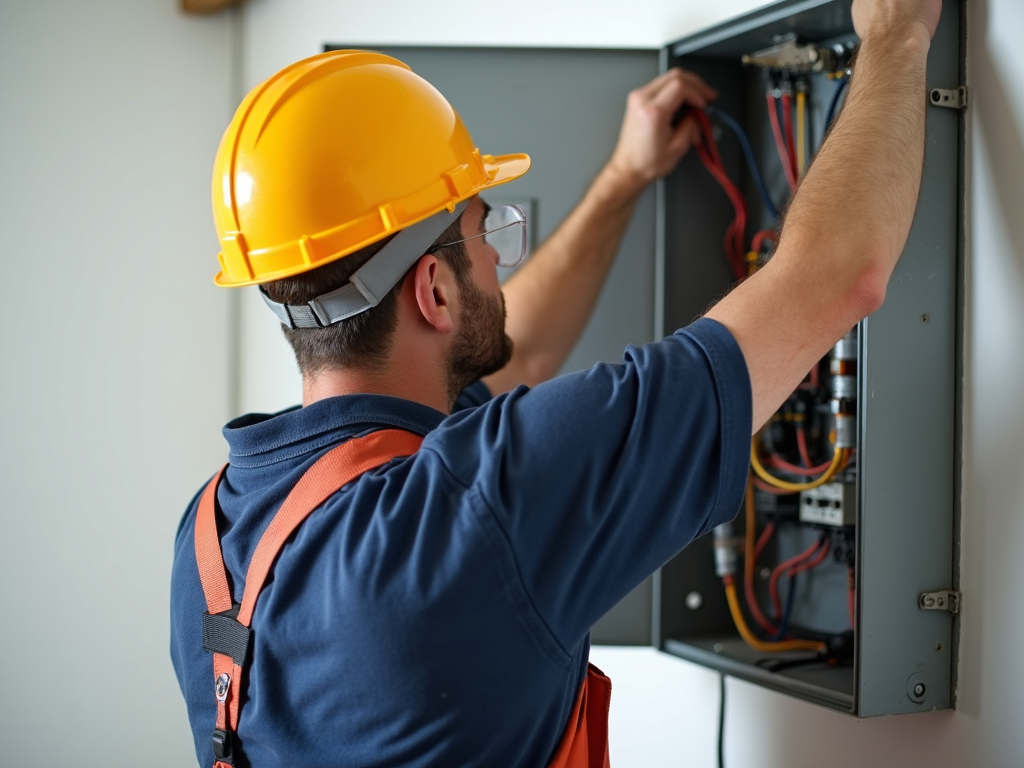
Understanding your home’s electrical setup is essential for completing DIY electrical projects safely and effectively. Here are some key components of your home’s electrical system:
- Electrical panel: This is the central hub of your electrical system, where the power from the utility company enters your home and is distributed to the various circuits.
- Circuits: These are the pathways that carry electricity from the electrical panel to the outlets, switches, and fixtures in your home.
- Wiring: This is the network of wires that connects the electrical panel to the outlets, switches, and fixtures in your home.
Safety Practices in Home Electrical Repairs
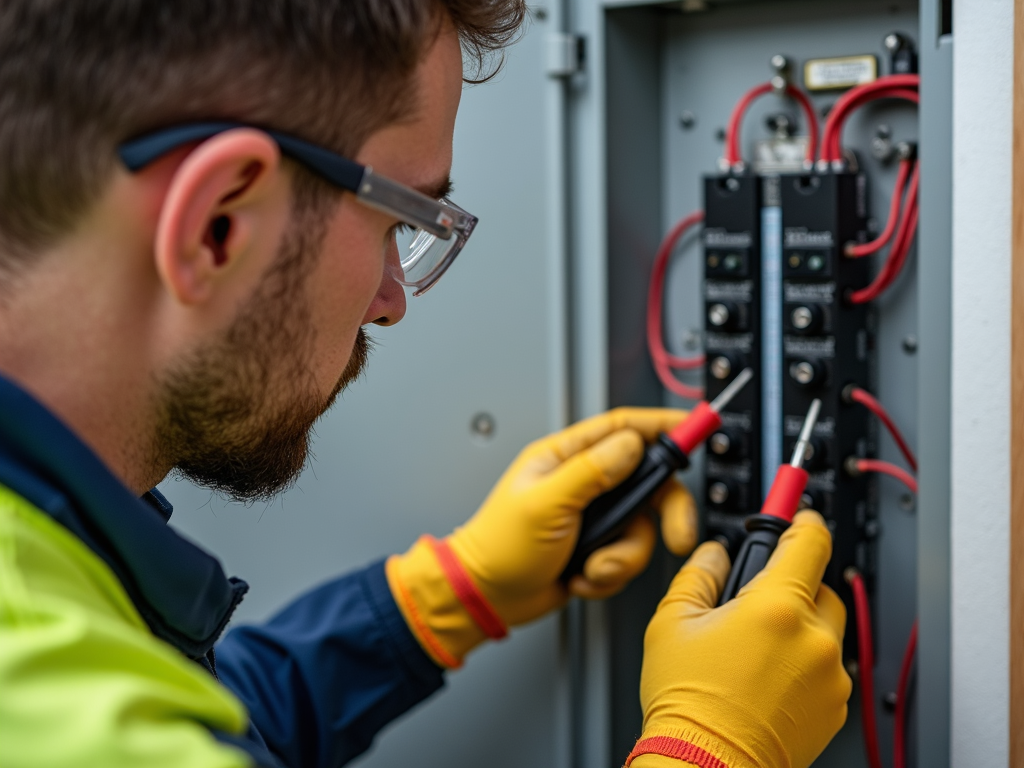
Safety should always be your top priority when completing DIY electrical projects. Here are some key safety practices to follow:
- Always turn off the power to the circuit you’re working on at the electrical panel.
- Use insulated tools to prevent electrical shock.
- Wear safety glasses and gloves to protect yourself from injury.
- Never work on electrical projects in wet or damp conditions.
- If you’re unsure about how to complete a project safely, hire a professional.
Comprehensive Guide to Electrical Tools
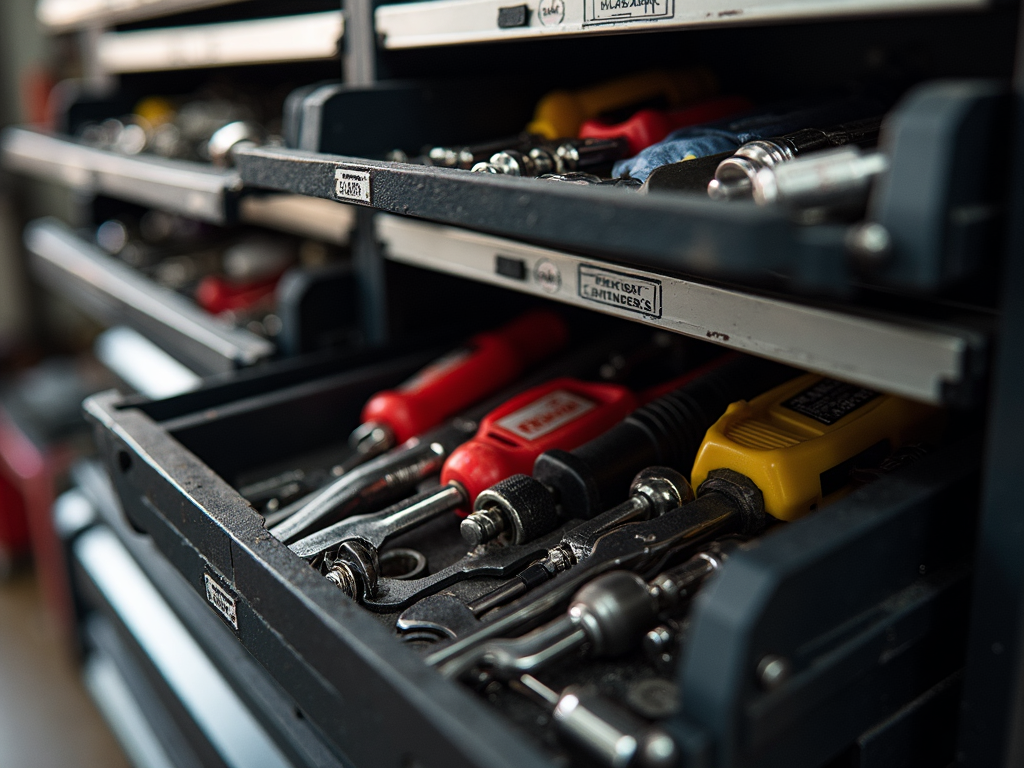
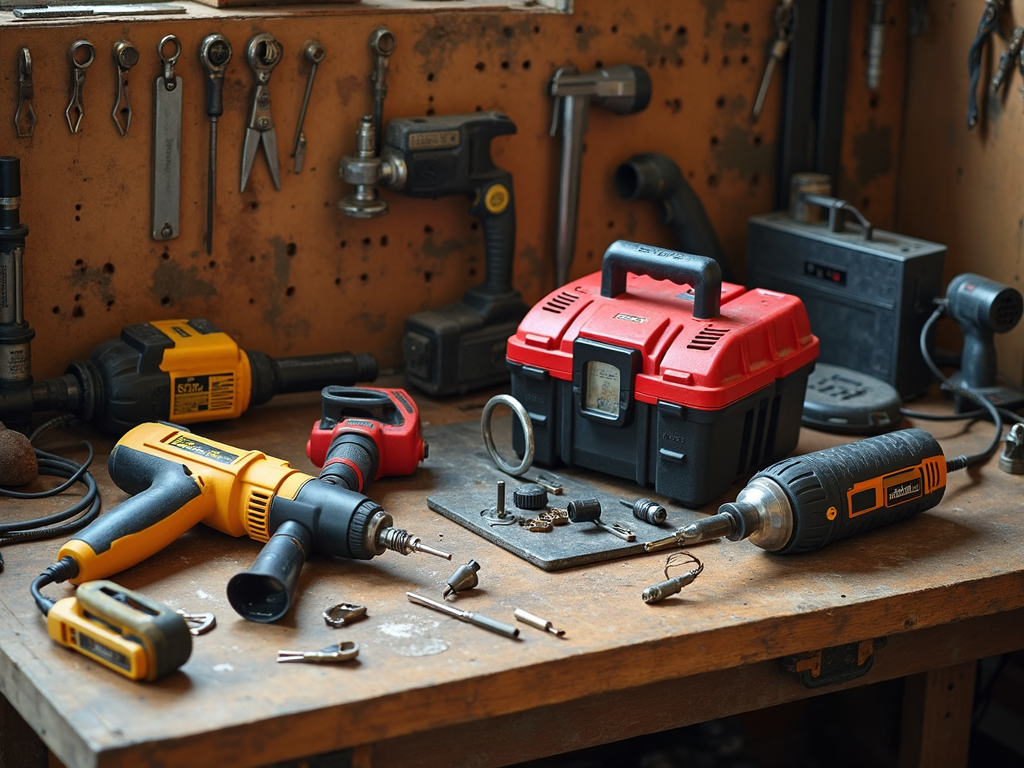
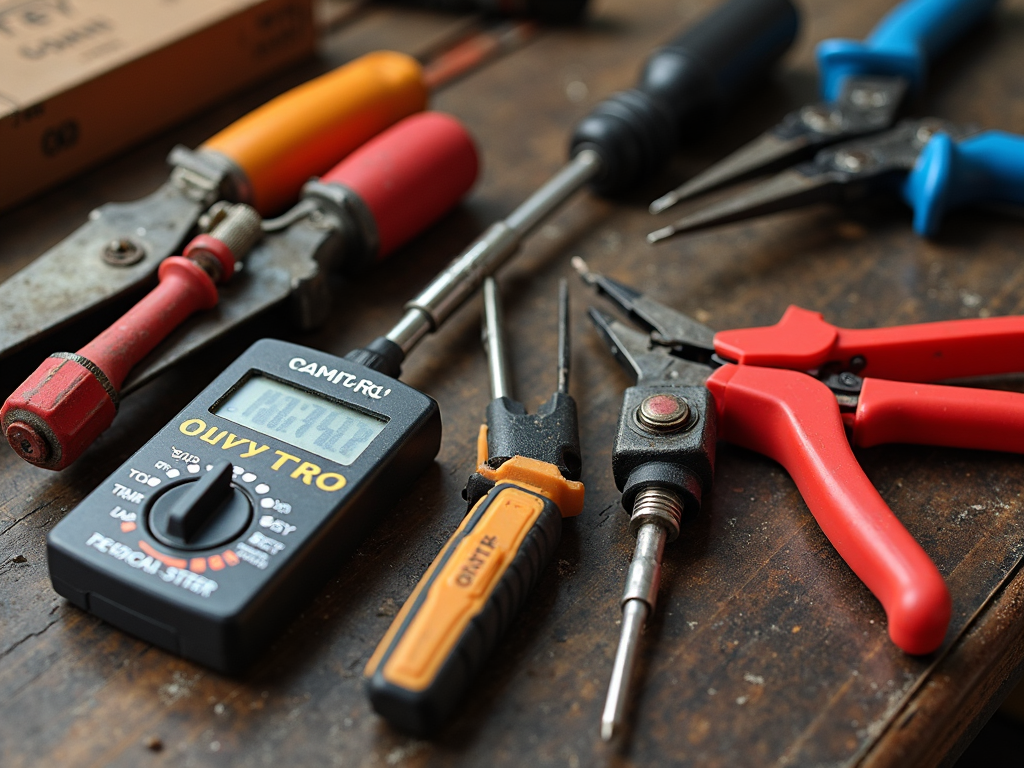
Having the right tools is essential for completing DIY electrical projects safely and effectively. Here are some key tools you’ll need:
- Screwdrivers: For removing and installing screws on electrical devices.
- Wire strippers: For stripping the insulation off of wires.
- Voltage tester: For checking whether a circuit is live or not.
- Insulated pliers: For gripping and manipulating wires safely.
Summary
In this article, we’ve explored what you can and can’t do when it comes to DIY electrical projects. We’ve covered simple tasks like replacing a light switch or outlet, as well as more complex projects like adding a new circuit to your electrical panel. We’ve also discussed the importance of safety practices and the tools you’ll need to complete these projects safely and effectively. Remember, if you’re ever unsure about how to complete a project safely, it’s always best to hire a professional.
Related DIY Electrical Projects: What You Can and Can’t Do:
- Organizing Your Workshop: Tips and Tricks for a More Efficient Workspace
- Specialized Workman Tools for Metalwork: A Comprehensive Guide
- Organizing Your Workshop: Storage Solutions for Tools
- Drill Bits 101: Choosing the Right One
- Top 10 Electrical Tools Every Homeowner Needs
- Essential Chisels in a Woodworker’s Toolkit
- A Look Back at Workman Tools Through the Years
- DIY Woodworking Projects for Beginners: A Comprehensive Guide
- Tool Organization Tips for Painters: Stay Efficient and Productive
- Mastering Electrical Troubleshooting: Essential Tools and Techniques
- DIY Workshop Projects: Build Your Own Storage Solutions
- Safety Practices in Home Electrical Repairs