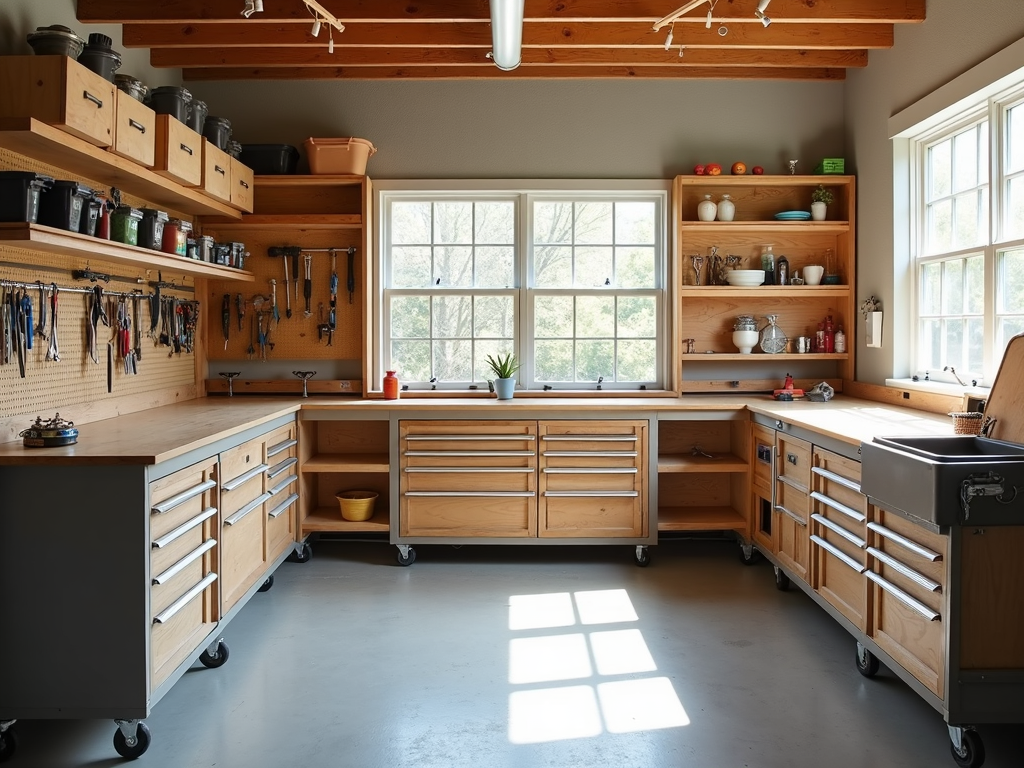
Maximizing workspace efficiency is crucial for productivity and comfort. A well-organized workspace, especially with the right workbench and tools, can make a significant difference in your work quality and efficiency. This article will guide you through the key aspects of creating an efficient workspace, with a focus on workbenches and workman tools.
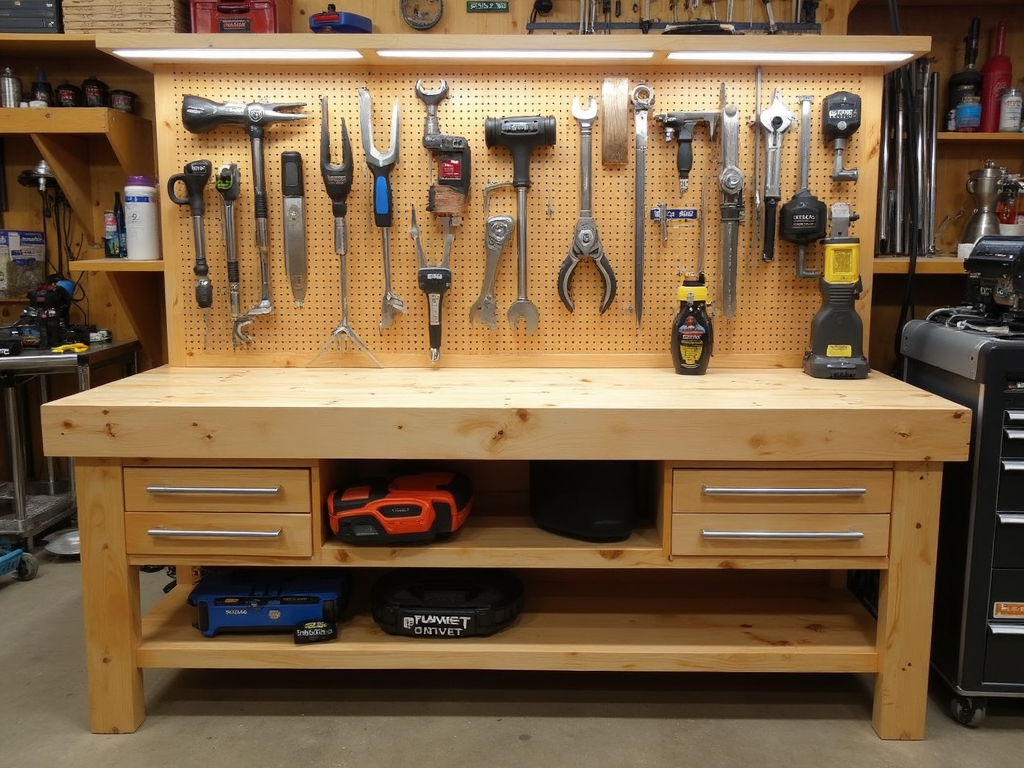
In today's fast-paced world, having an efficient workspace is more important than ever. Whether you're a professional craftsman, a DIY enthusiast, or someone who just needs a functional space to work, maximizing your workspace efficiency can lead to better results and a more enjoyable work experience. A study by the University of Michigan found that a well-organized workspace can increase productivity by up to 20% (source). This article will provide you with practical tips and insights on how to achieve that.
Features to Look for in a Workbench
When choosing a workbench, several features can enhance its efficiency:
- Size: The size of your workbench should be based on the type of work you do and the space available. For example, if you work on large projects, you'll need a bigger workbench. However, if space is limited, a smaller workbench with built-in storage might be more suitable.
- Material: Workbenches are typically made from wood, metal, or plastic. Wood is aesthetically pleasing and easy to work with, but it can be prone to damage. Metal is durable and strong, but it can be heavy and may rust if not properly cared for. Plastic is lightweight and affordable, but it may not support heavy loads.
- Storage: Built-in storage options like drawers, shelves, or cabinets can keep your tools organized and within reach. Drawers are great for small tools, while shelves can hold larger items.
- Ergonomics: The height of your workbench should be comfortable for you to work at without straining your back or arms. A good rule of thumb is to have the workbench at elbow height. For more information on ergonomic workbench design, check out this guide from the Occupational Safety and Health Administration (OSHA).
| Material | Pros | Cons |
|---|---|---|
| Wood | Aesthetically pleasing, easy to work with, can be customized | Can be prone to damage, may require maintenance, can be expensive |
| Metal | Durable, strong, often adjustable, can support heavy loads | Can be heavy, may rust if not properly cared for, can be noisy |
| Plastic | Lightweight, affordable, easy to clean | Less durable, may not support heavy loads, can be less stable |
Choosing the Right Workbench
Selecting the right workbench depends on several factors:
- Type of Work: Consider what you'll be using the workbench for. For example, if you're doing woodworking, a wooden workbench might be best. If you're working with heavy machinery, a metal workbench would be more suitable.
- Available Space: Measure your workspace to ensure the workbench fits comfortably. Don't forget to account for space around the workbench for movement and storage.
- Budget: Workbenches can range from affordable to quite expensive. Determine how much you're willing to spend and look for options within that range. Remember that a higher price doesn't always mean better quality.
Organizing Workman Tools
Keeping your tools organized is essential for workspace efficiency. Here are some methods to consider:
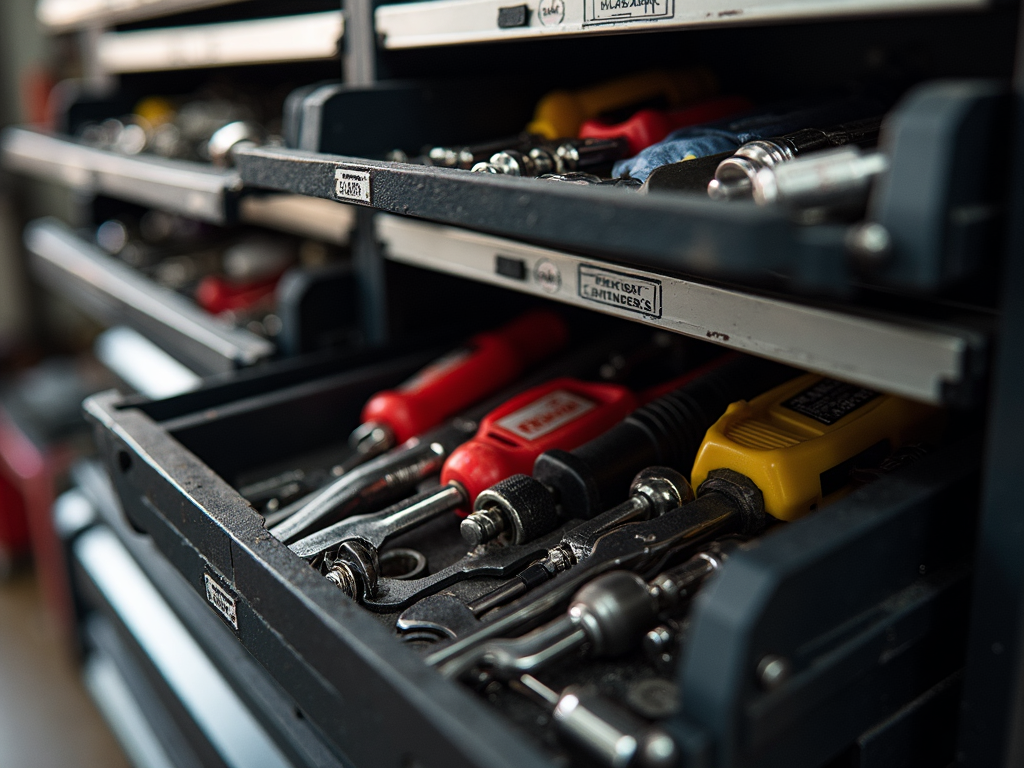
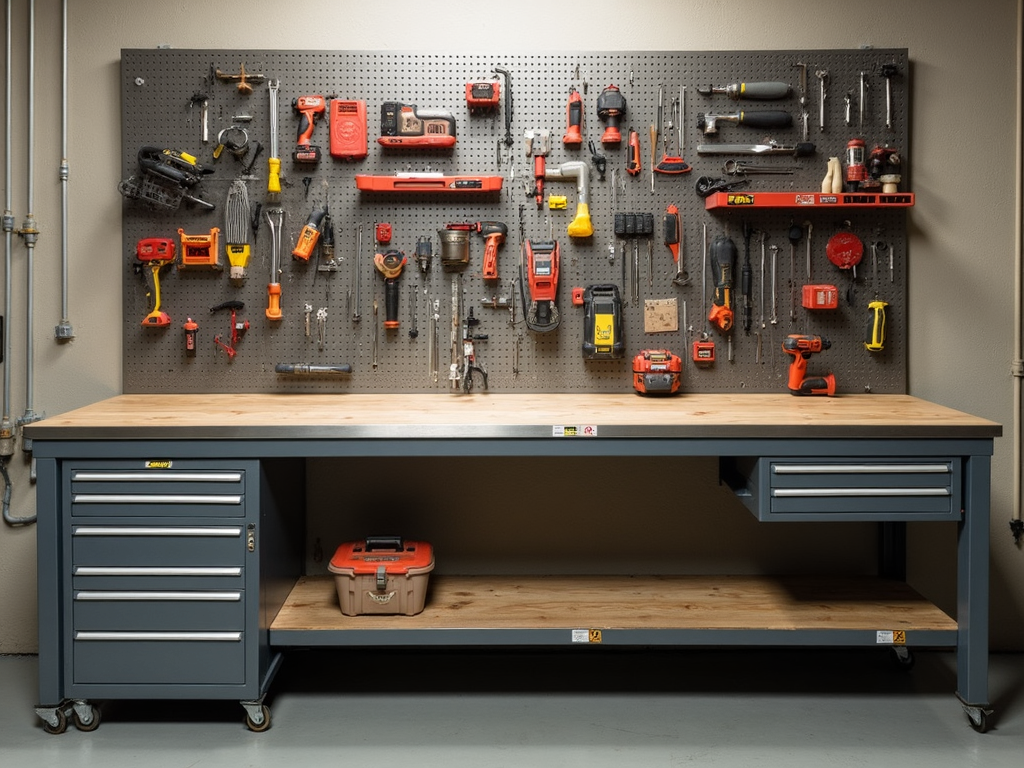
- Tool Chests: These provide secure storage and can be locked if needed. They're great for keeping tools safe and organized, especially if you have valuable or dangerous tools.
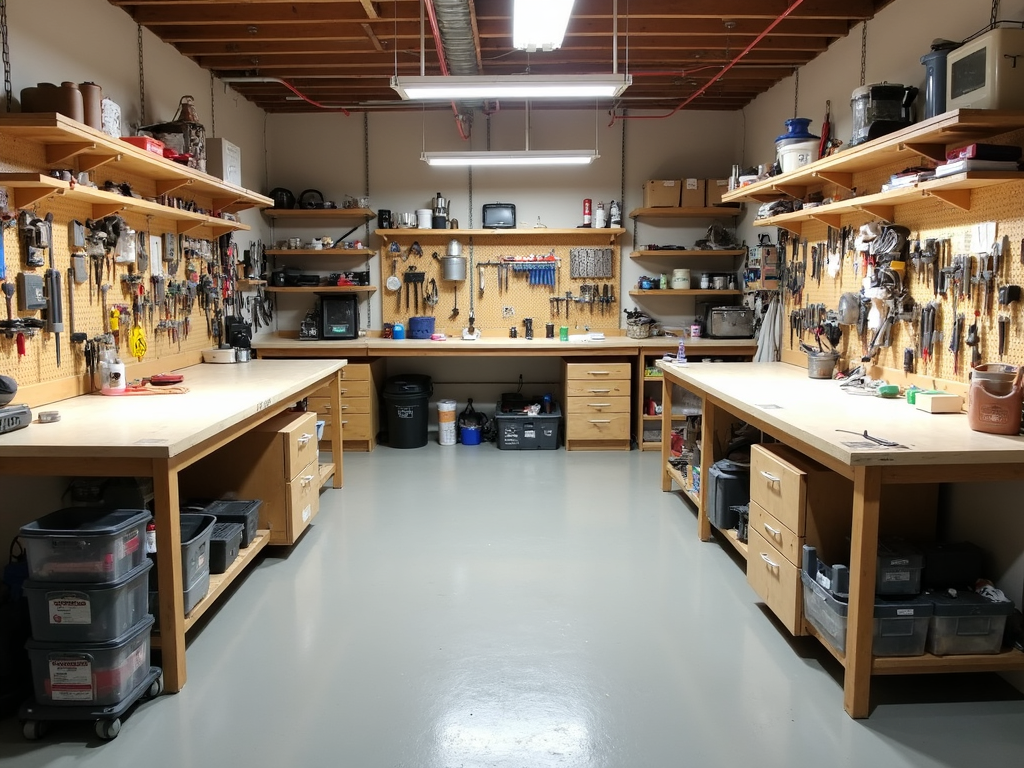
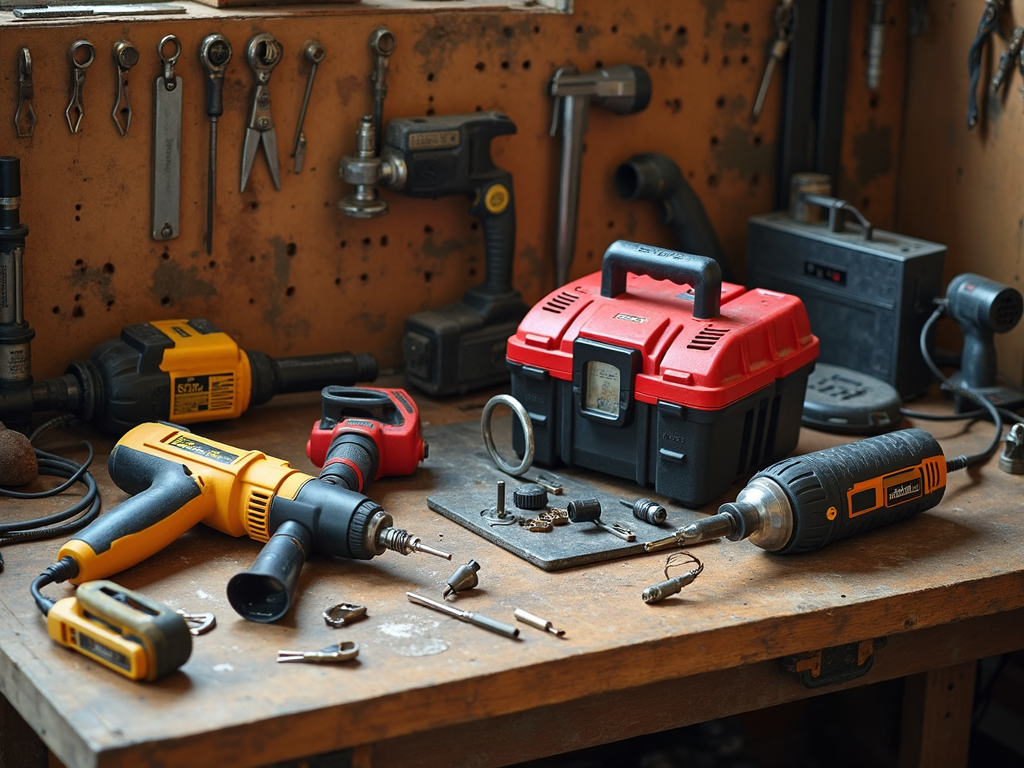
- Pegboards: Pegboards are a versatile way to hang tools within easy reach. You can customize the layout to fit your needs and easily see where each tool belongs.
- Shadow Boards: Shadow boards have outlines of tools, making it easy to see where each tool should be placed. This can be especially helpful in shared workspaces to ensure tools are returned to their proper place.
For more tips on tool organization, see this article from Popular Mechanics (source).
Essential tools for a workbench include: - Hammer - Screwdrivers (various sizes) - Pliers - Tape measure - Level - Safety equipment (gloves, goggles, ear protection)
Personal Insights
In my experience, having a dedicated space for each tool has been a game-changer. I once spent hours looking for a specific screwdriver, only to find it buried under a pile of other tools. Since then, I've implemented a pegboard system, and it's saved me countless hours. I also make it a habit to clean and organize my workspace at the end of each day, which helps me start fresh the next morning.

Common Mistakes to Avoid
Here are some common mistakes people make when setting up their workspace:
- Not Planning Ahead: Failing to plan the layout can lead to a cluttered and inefficient space. Take the time to sketch out your workspace and consider how you'll use each area.
- Ignoring Ergonomics: A workbench that's too high or too low can cause discomfort and reduce productivity. Make sure your workbench is at a comfortable height, and consider using an adjustable workbench if possible.
- Overcrowding: Trying to fit too many tools or projects into a small space can lead to chaos. Prioritize the tools and projects you use most frequently and store others elsewhere.
Solutions to Common Mistakes
- Planning Ahead: Sketch out your workspace layout before setting it up. Consider the flow of your work and how you move around the space.
- Ergonomics: Adjust the height of your workbench to a comfortable level. If you can't adjust the workbench, use a platform or stool to achieve the right height.
- Avoiding Overcrowding: Use vertical space with shelves or pegboards to maximize storage. Consider rotating projects or tools based on current needs.
Summary
In conclusion, maximizing workspace efficiency involves careful planning and organization. By choosing the right workbench, organizing your tools effectively, and avoiding common mistakes, you can create a workspace that enhances your productivity and comfort. Remember, a well-organized workspace is not just about aesthetics; it's about creating an environment where you can work efficiently and enjoyably.
Related Maximizing Workspace Efficiency:
- DIY Electrical Projects: What You Can and Can’t Do
- Organizing Your Workshop: Tips and Tricks for a More Efficient Workspace
- Specialized Workman Tools for Metalwork: A Comprehensive Guide
- Organizing Your Workshop: Storage Solutions for Tools
- Drill Bits 101: Choosing the Right One
- Top 10 Electrical Tools Every Homeowner Needs
- Essential Chisels in a Woodworker’s Toolkit
- A Look Back at Workman Tools Through the Years
- DIY Woodworking Projects for Beginners: A Comprehensive Guide
- Tool Organization Tips for Painters: Stay Efficient and Productive
- Mastering Electrical Troubleshooting: Essential Tools and Techniques
- DIY Workshop Projects: Build Your Own Storage Solutions