Welcome to the world of woodworking! Whether you're looking to build your first birdhouse or dreaming of crafting custom furniture, having the right tools is essential. This Beginner's Guide to Woodworking Tools will introduce you to the must-have tools for any aspiring woodworker, including both hand tools and power tools. We'll also cover important safety tips and suggest some beginner-friendly projects to get you started. Let's dive in!
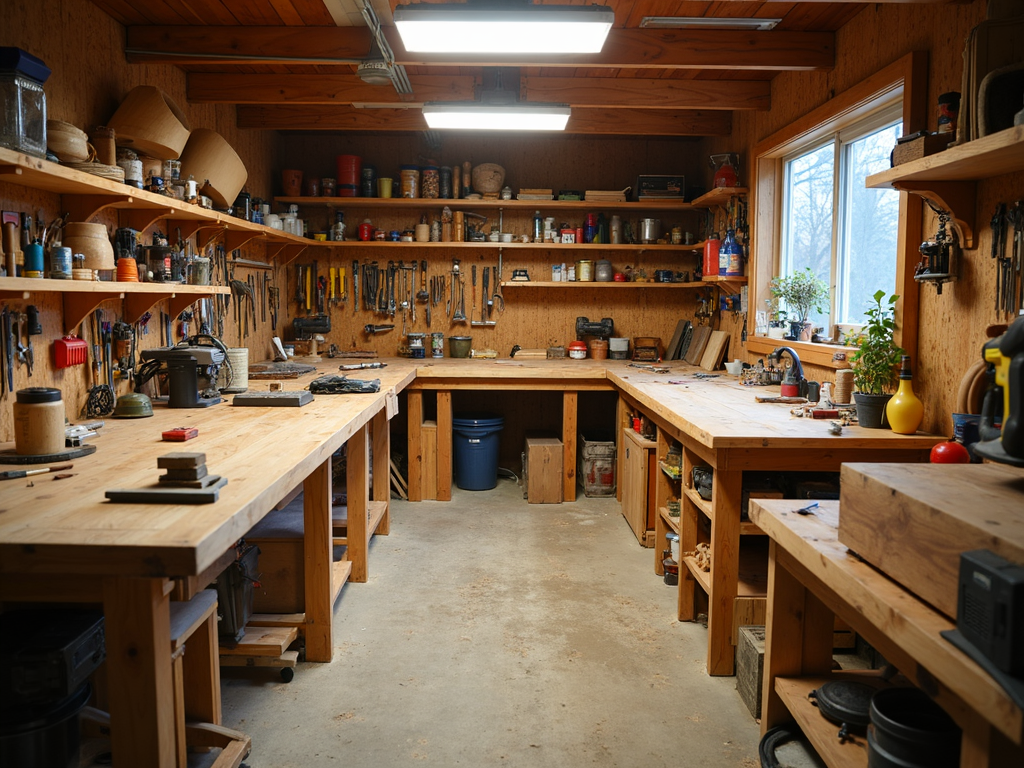
Essential Hand Tools for Beginners
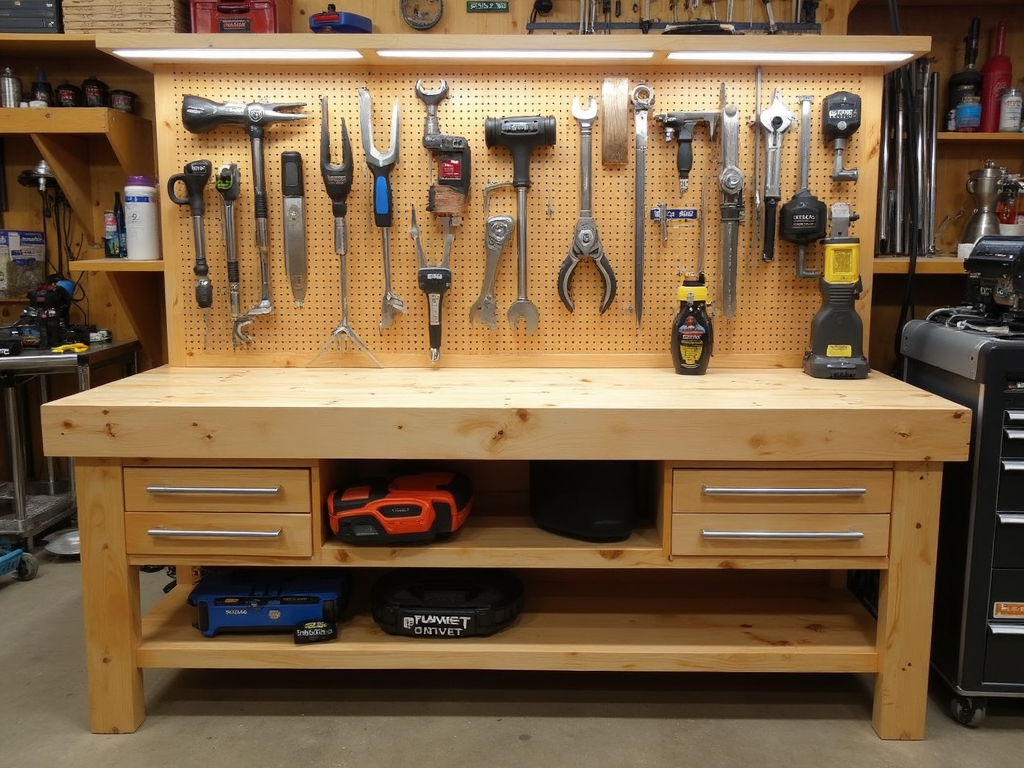
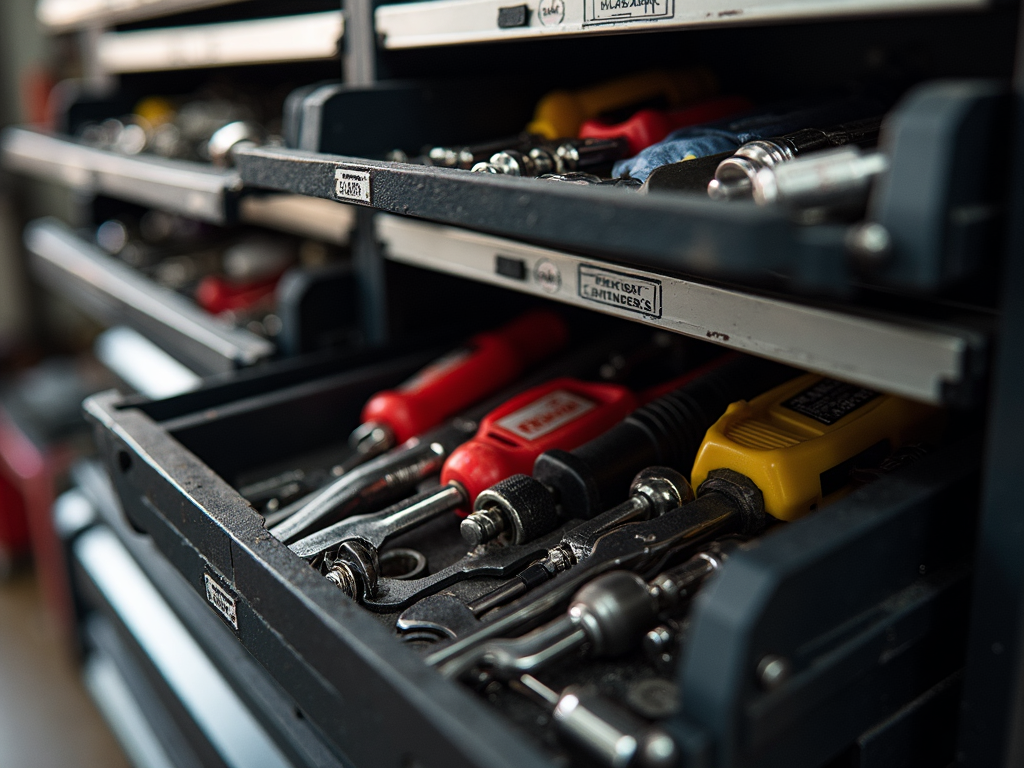
Every woodworker needs a solid set of hand tools. These are the foundation of any woodworking project and are perfect for beginners to learn the basics. Here are some must-have hand tools:
- Hammer: A good hammer is indispensable for driving nails and assembling projects. Look for one with a comfortable grip and a weight that feels balanced in your hand.
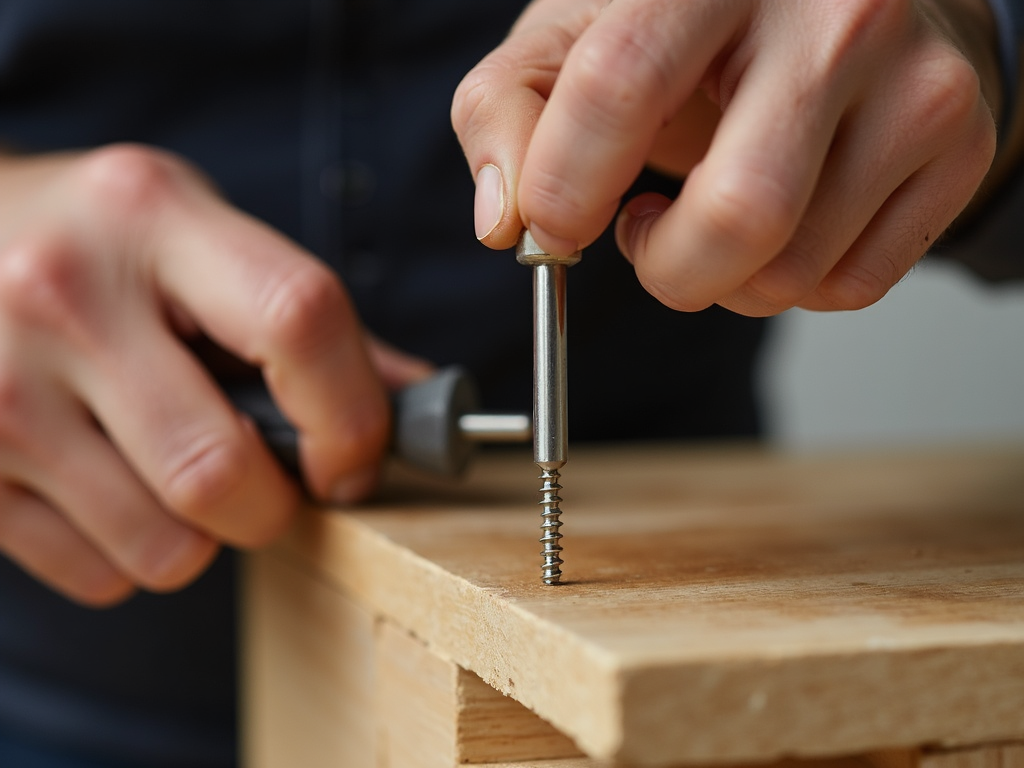
- Screwdrivers: Both flathead and Phillips screwdrivers are necessary for tightening screws and assembling pieces. A set with various sizes will cover most needs.
- Chisels: Chisels are used for carving and shaping wood. Start with a set of three or four chisels in different sizes.
- Measuring Tape: Accurate measurements are crucial in woodworking. A sturdy measuring tape will help you get precise cuts and fits.
- Square: A square ensures that your cuts and joints are at perfect right angles. A combination square is versatile and useful for various tasks.
- Hand Saw: While power saws are great, a hand saw is essential for making precise cuts, especially in tight spaces.
These tools will help you tackle a wide range of projects and develop your skills as a woodworker.
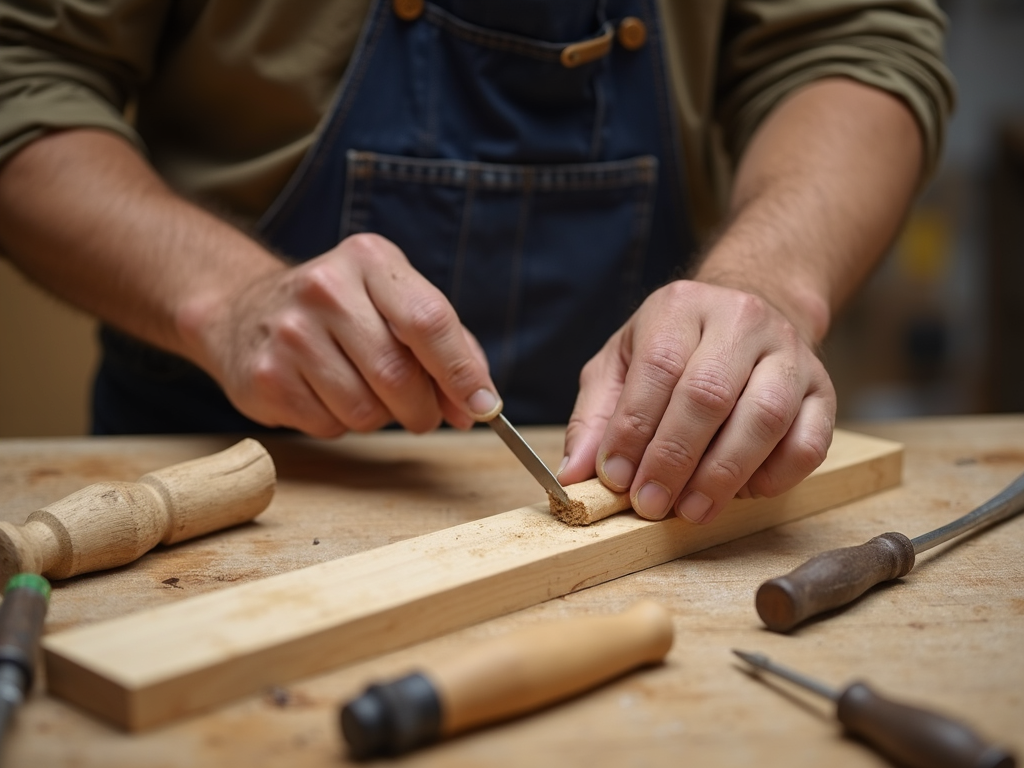
Must-Have Power Tools for Beginners
Power tools can make your woodworking projects faster and easier, but they also require caution and respect. Here are some power tools that are great for beginners:
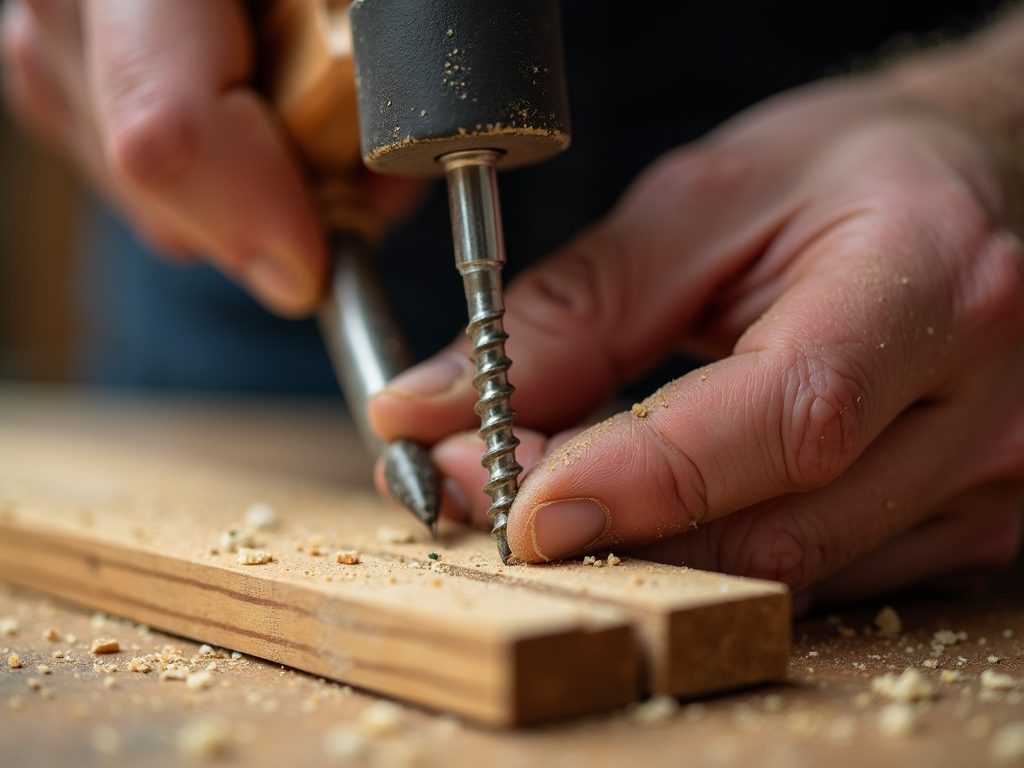
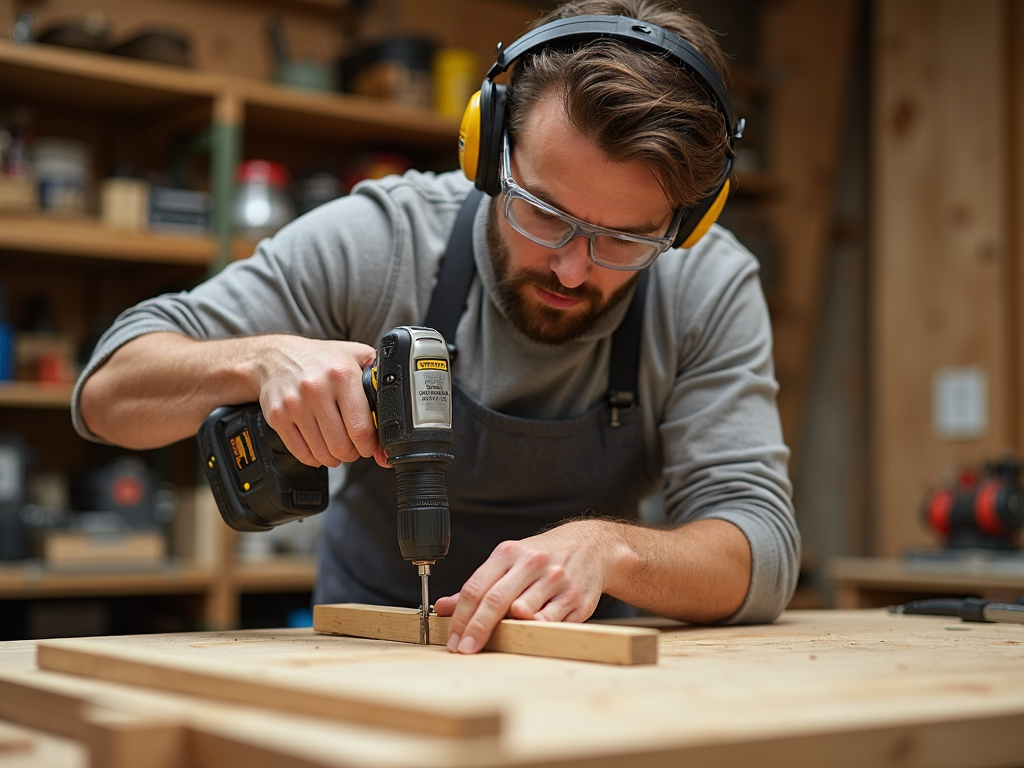
- Power Drills: A power drill is perhaps the most versatile power tool for woodworking enthusiasts. It can drill holes, drive screws, and even sand with the right attachments. Look for a cordless drill with variable speed and a keyless chuck for ease of use.
- Circular Saw: A circular saw is excellent for making straight cuts in lumber and sheet goods. It's portable and can handle a variety of cutting tasks.
- Random Orbital Sander: Sanding is a crucial step in finishing your projects, and a random orbital sander makes it quick and efficient. It helps achieve a smooth surface without leaving swirl marks.
- Jigsaw: For cutting curves and intricate shapes, a jigsaw is indispensable. It's also great for making cutouts and plunge cuts.
When using power tools, always prioritize safety. Wear appropriate protective the manufacturer's instructions, and never rush a cut.
For more information on choosing the right power tools, check out this guide from the Woodworkers Guild of America.
Safety Tips for Using Woodworking Tools
Woodworking can be a rewarding hobby, but it's important to prioritize safety to prevent accidents. Here are some essential safety tips:
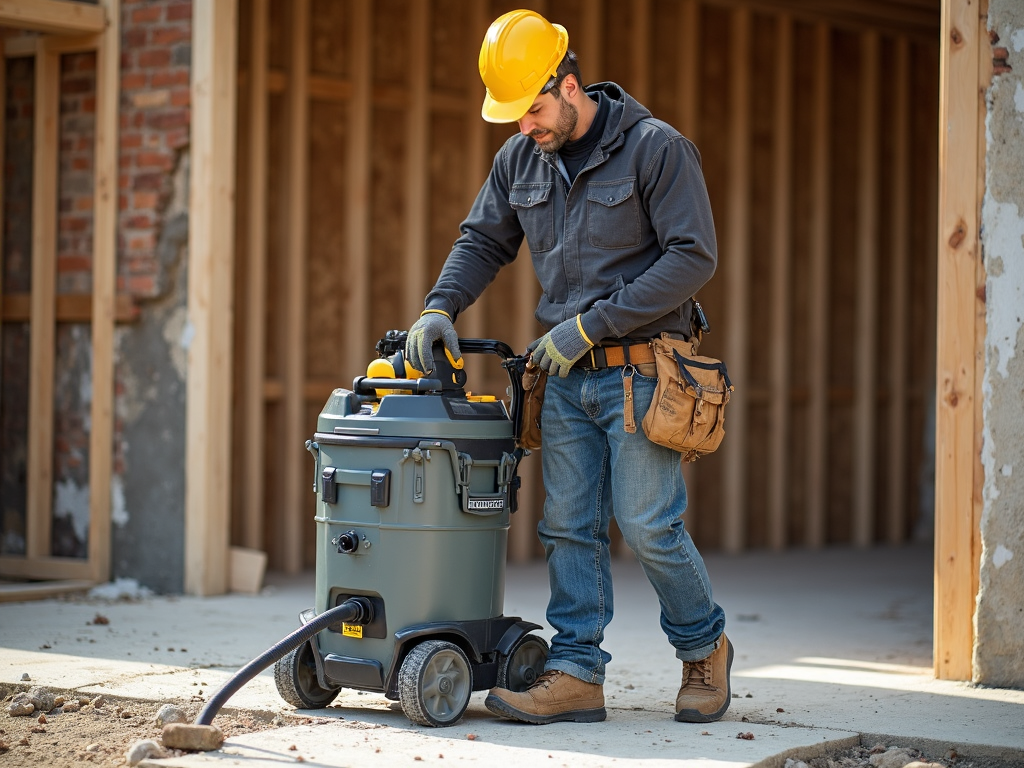
- Wear Protective Gear: Always wear safety glasses to protect your eyes from flying debris. Ear protection is also recommended when using loud power tools, and a dust mask can help prevent inhalation of sawdust.
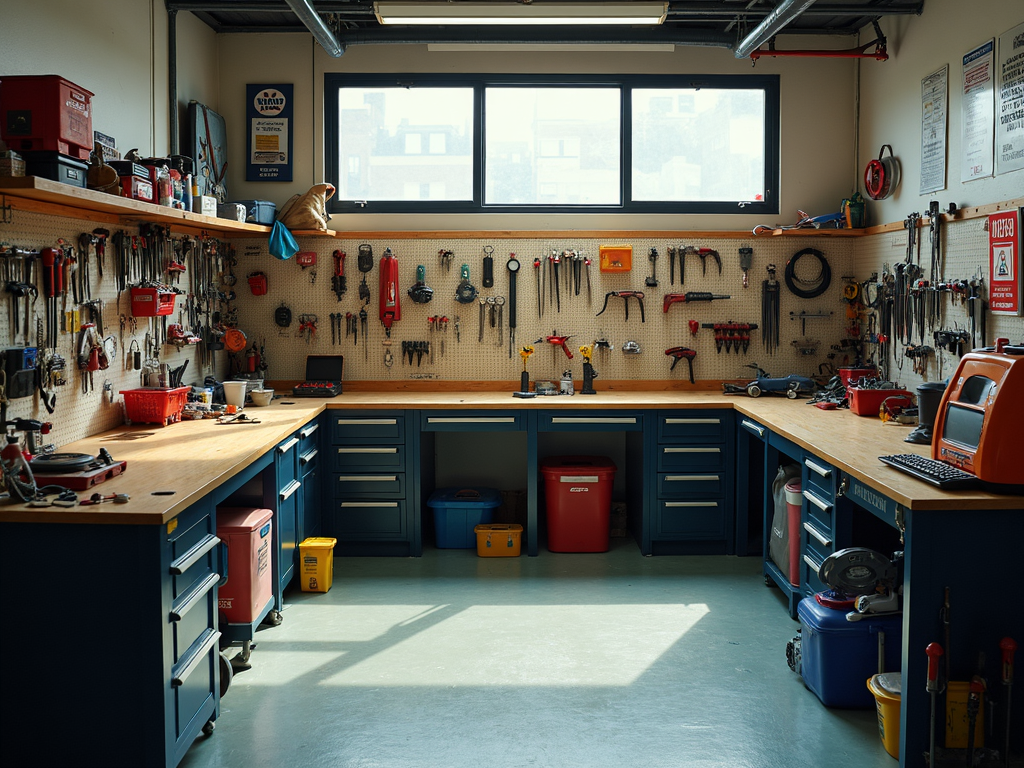
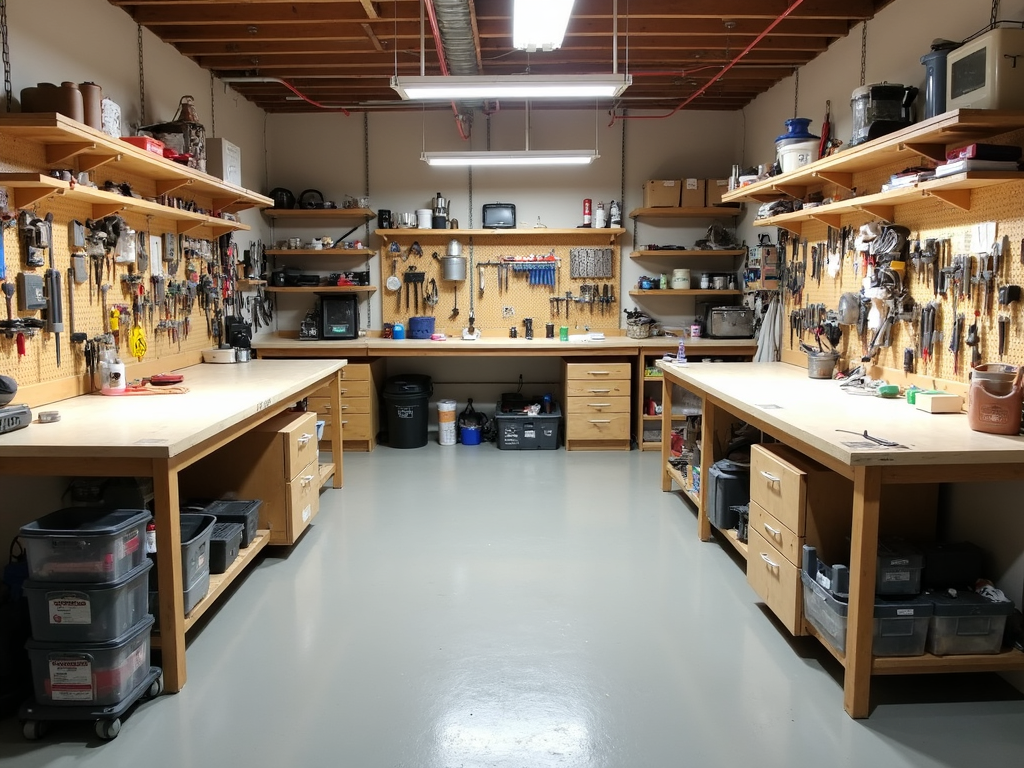
- Keep Your Workspace Clean: A cluttered workspace can lead to accidents. Keep your tools organized and your work area free of unnecessary items.
- Use Tools Properly: Read the manuals for your tools and use them as intended. Never remove safety guards or bypass safety features.
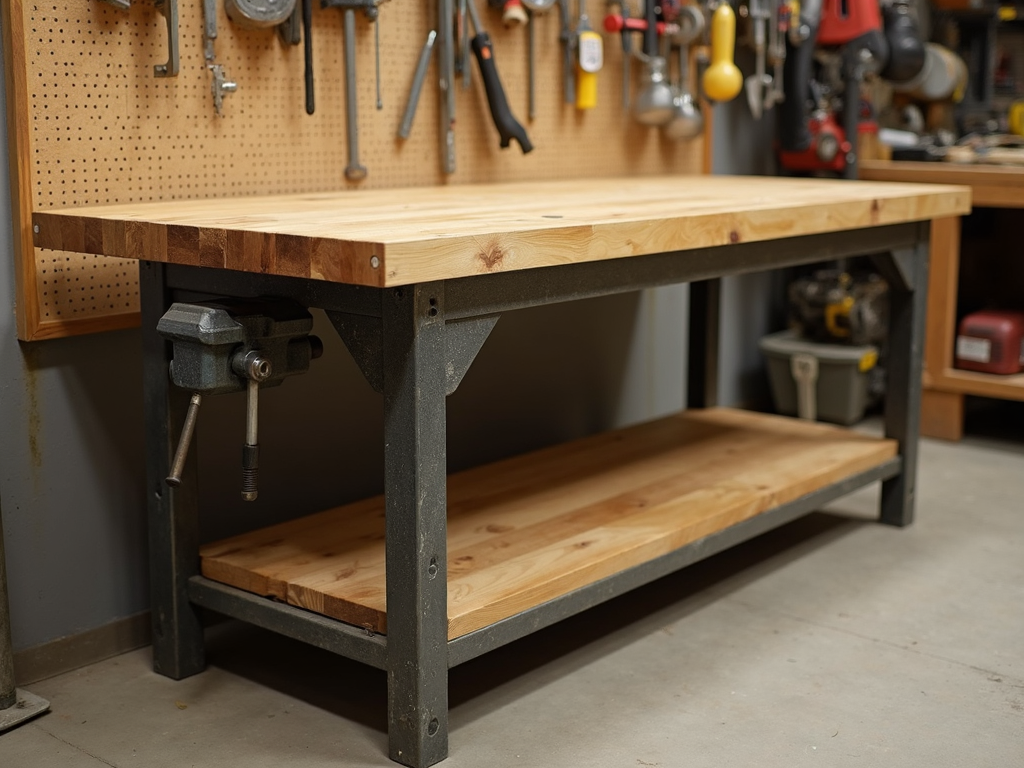
- Secure Your Workpiece: Use clamps or a vise to hold your workpiece steady while you work. This prevents slips and ensures accurate cuts.
- Stay Focused: Avoid distractions while working with tools. Stay alert and focused on the task at hand.
Remember, safety should always be your top priority in the workshop.
For more detailed safety guidelines, refer to this safety manual from the Occupational Safety and Health Administration (OSHA).
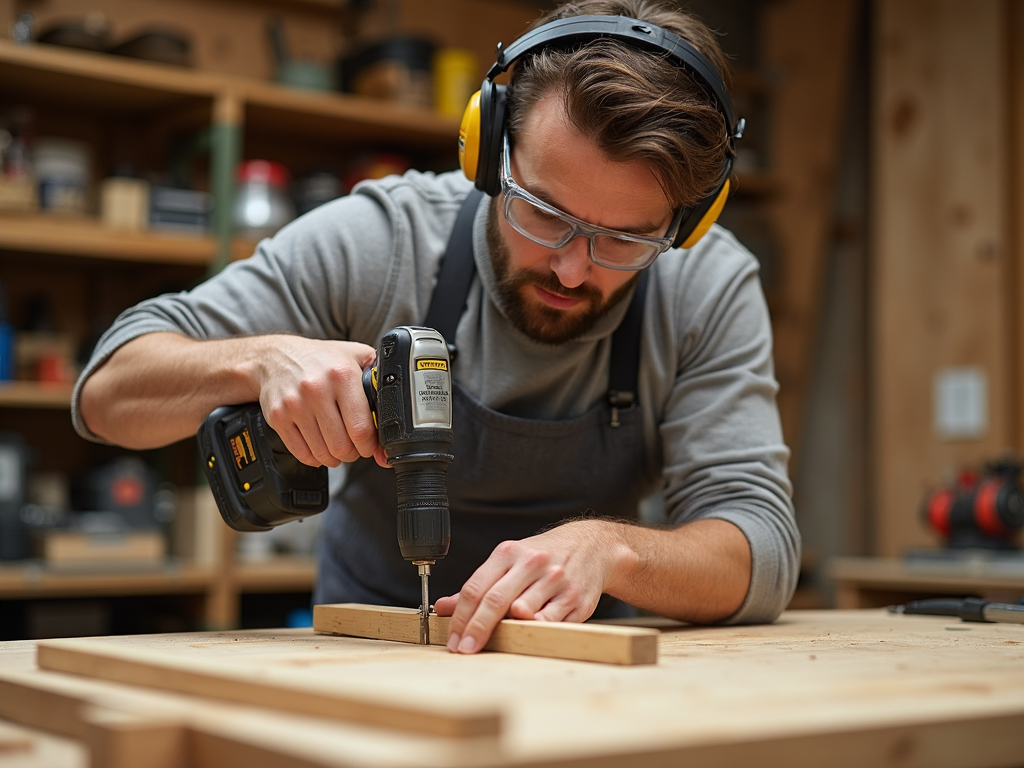
How to Choose the Right Tools for Your Projects
Selecting the right tools for your woodworking projects can be overwhelming, especially for beginners. Here are some tips to help you make informed decisions:
- Start with the Basics: Begin with a small set of essential tools and gradually expand your collection as you take on more complex projects.
- Consider Your Space: If you have limited space, opt for tools that are compact and easy to store. Multi-purpose tools can also save space.
- Read Reviews: Before purchasing a tool, read reviews from other woodworkers to gauge its quality and performance.
- Invest in Quality: While it might be tempting to buy the cheapest tools, investing in quality tools will save you money in the long run. They last longer and perform better.
- esteem
- Try Before You Buy: If possible, try out tools at a local woodworking store or borrow from a friend to see if they suit your needs.
Remember, the best tool is the one that feels right for you and your projects.

Basic Woodworking Projects for Beginners
Starting with simple projects is a great way to build your skills and confidence. Here are some beginner-friendly projects to try:
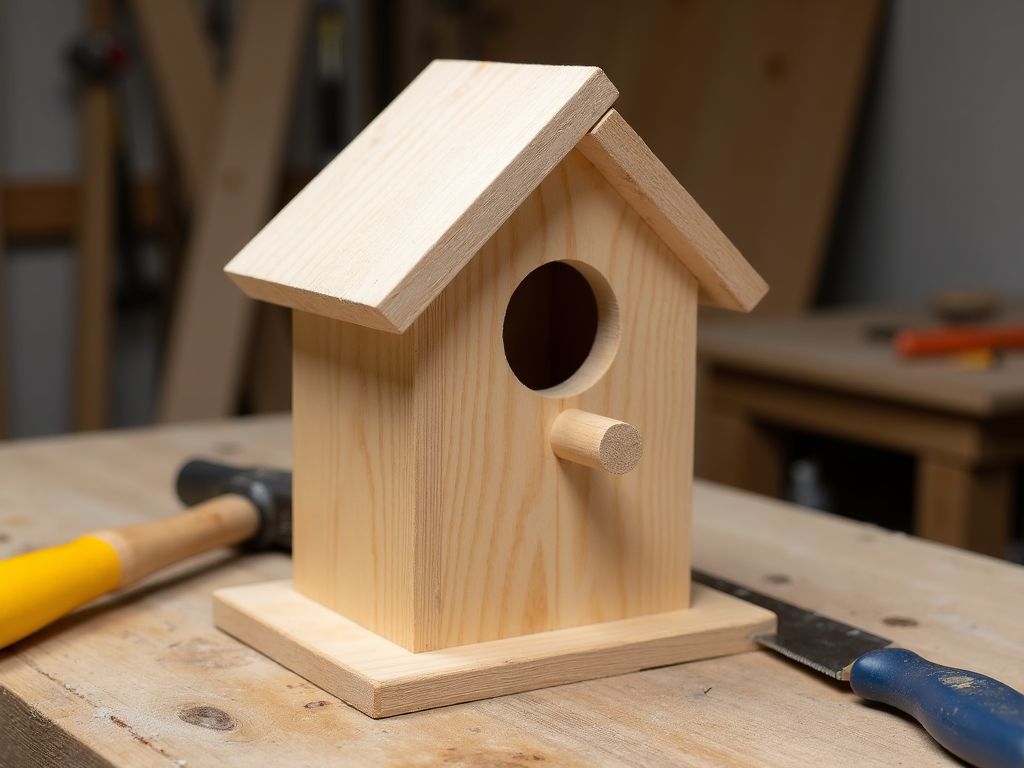
- Birdhouse: A classic project that teaches basic cutting, assembly, and finishing techniques.
- Picture Frame: Learn to make precise cuts and joints while creating a functional item.
- Wooden Box: Practice using different tools to create a small storage box.
- Cutting Board: A simple project that introduces you to working with hardwoods and finishing techniques.
- Shelving Unit: Build a small shelving unit to learn about measuring, cutting, and assembling larger pieces.
These projects will help you get comfortable with your tools and develop essential woodworking skills.
For step-by-step instructions on these projects, visit Fine Woodworking's beginner project section.
Conclusion
Embarking on your woodworking journey can be both exciting and rewarding. By starting with the right tools, prioritizing safety, and practicing with simple projects, you'll be well on your way to becoming a skilled woodworker. Remember to take your time, learn from each project, and most importantly, enjoy the process of creating something with your own hands.
Related Beginner's Guide to Woodworking Tools:
- How to Maintain Your Woodworking Tools: A Complete Guide for Long-Lasting Performance
- The Ultimate Guide to Essential Tools for Every Workshop
- Revolutionizing Workshops: Innovative Workman Tools in 2024
- Workman Tools: A Comprehensive Guide
- Essential Tools Every Beginner Handyman Needs
- The Ultimate Guide to Tool Safety: Protecting Yourself in the Workshop
- Mastering Complex Projects: The Ultimate Guide to Advanced Workman Tools
- Maximizing Workspace Efficiency: A Guide to Choosing the Right Workbench and Organizing Your Tools
- DIY Electrical Projects: What You Can and Can’t Do
- Organizing Your Workshop: Tips and Tricks for a More Efficient Workspace
- Specialized Workman Tools for Metalwork: A Comprehensive Guide
- Organizing Your Workshop: Storage Solutions for Tools