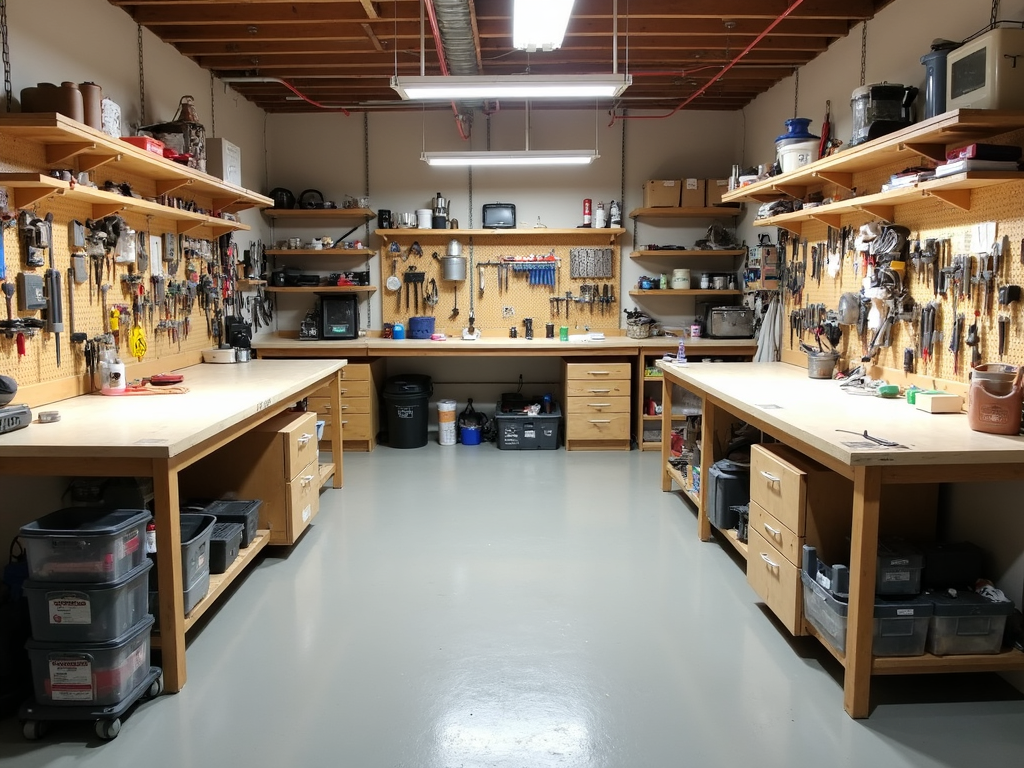
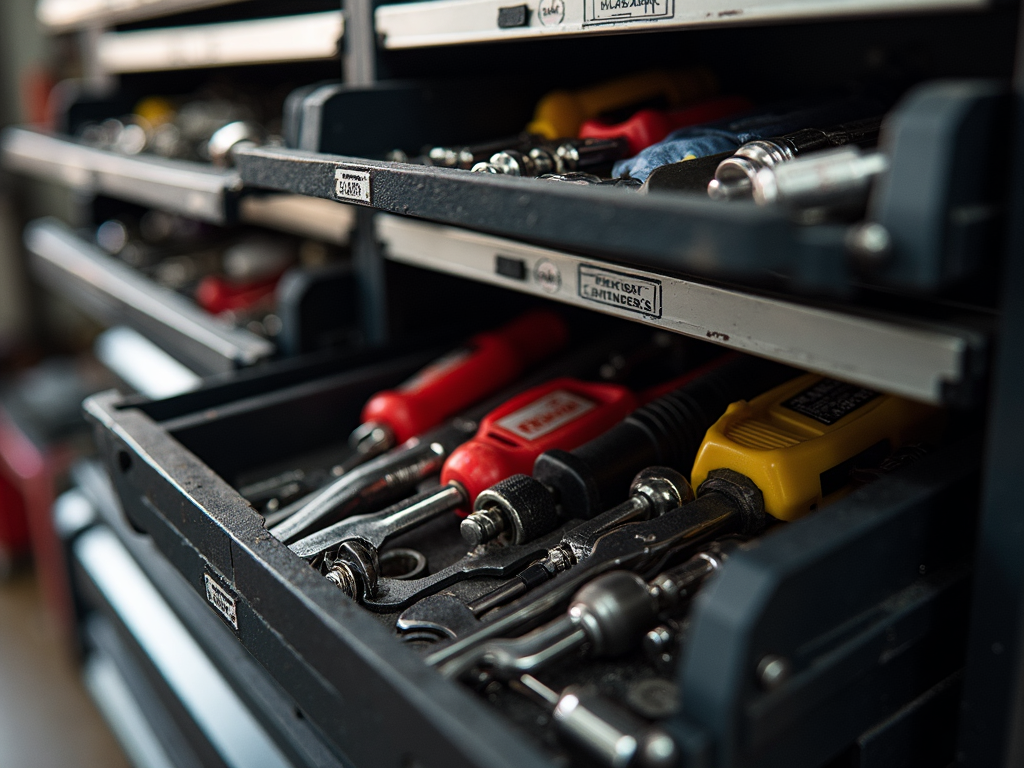
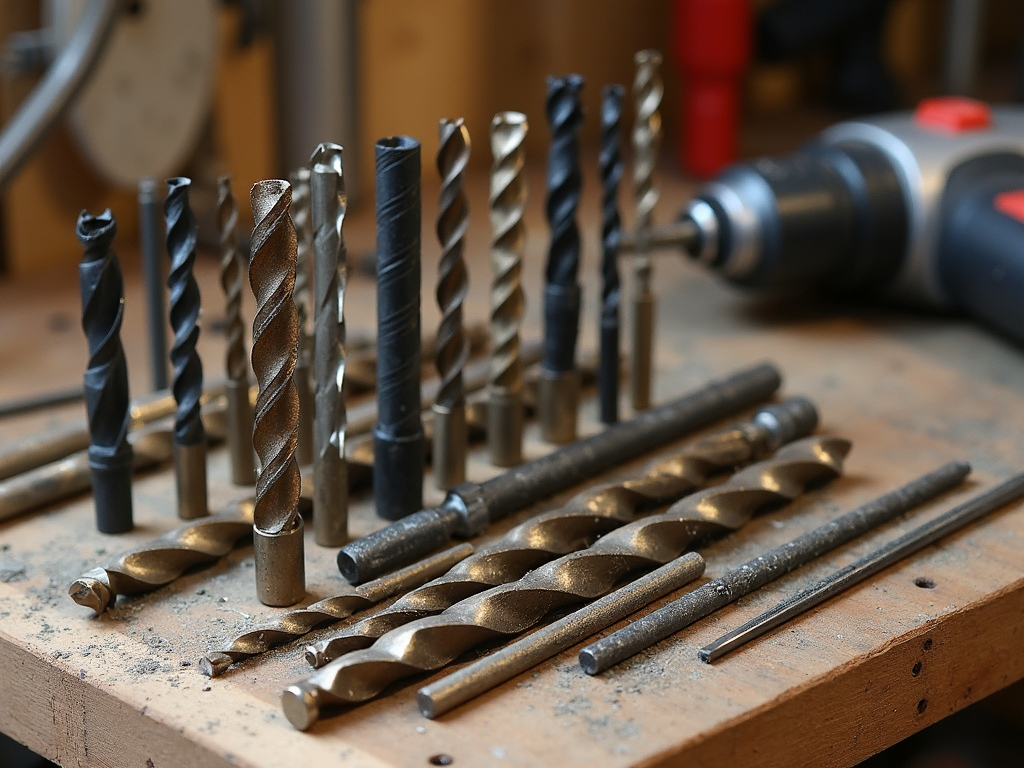
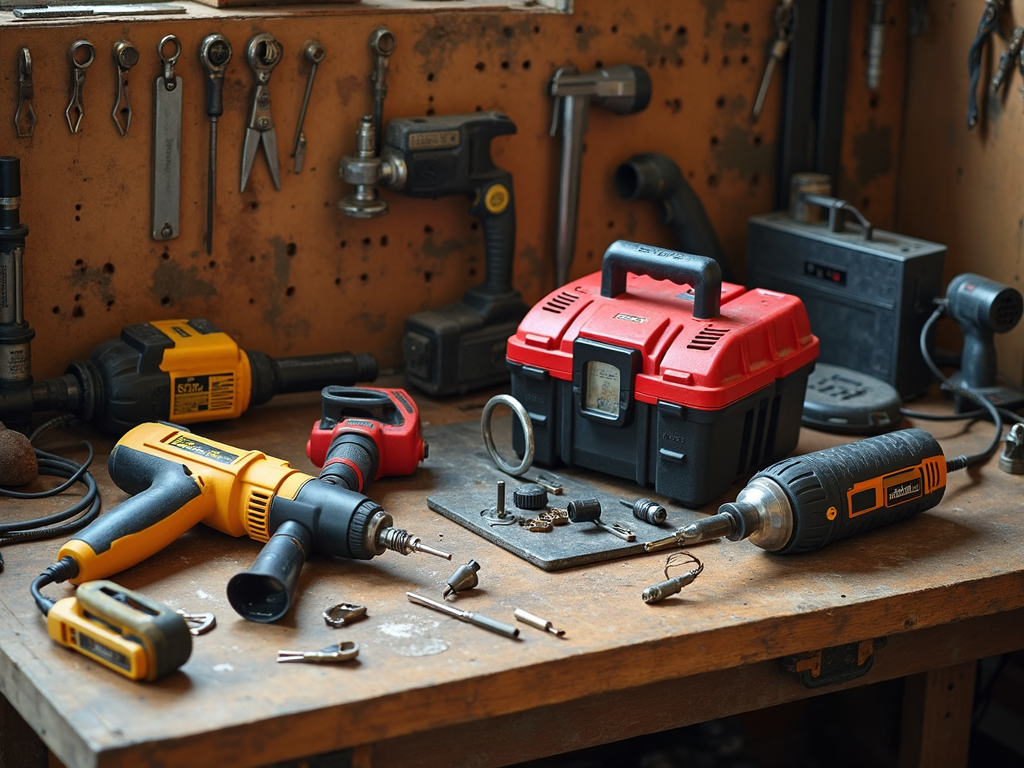
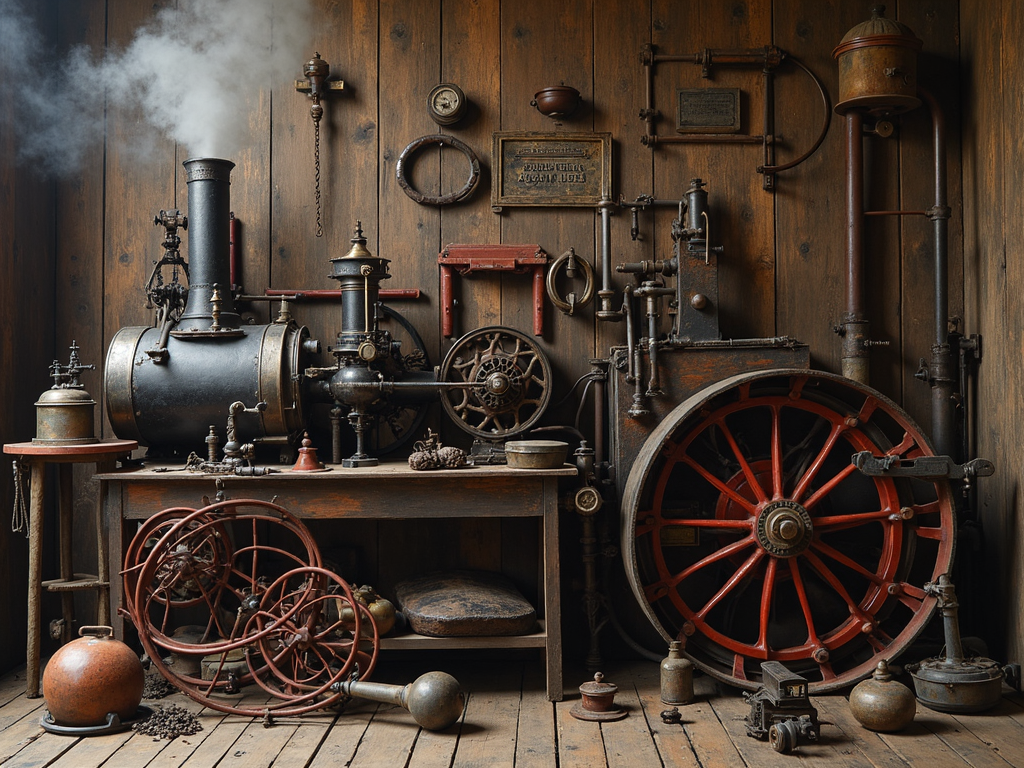
Workman Tools: A Comprehensive Guide offers essential insights into selecting, maintaining, and optimizing tools for peak performance. From routine checks to storage solutions, this guide ensures your tools remain reliable and long-lasting.
Introduction to Workman Tools
Workman tools are the foundation of any craftsman’s toolkit. Whether you’re fixing a leaky pipe or building a bookshelf, these tools help you get the job done. I’ve spent years working with them, and I can tell you they’re more than just objects—they’re partners in your projects. This guide will walk you through what makes workman tools special and how to care for them.
Good tools aren’t just about convenience; they’re about results. A sturdy hammer or a sharp saw can turn a tough job into a smooth one. But not all tools are created equal. I learned this the hard way when a cheap screwdriver stripped mid-project, leaving me frustrated. Quality matters, and that’s where we’ll start.
Types of Workman Tools
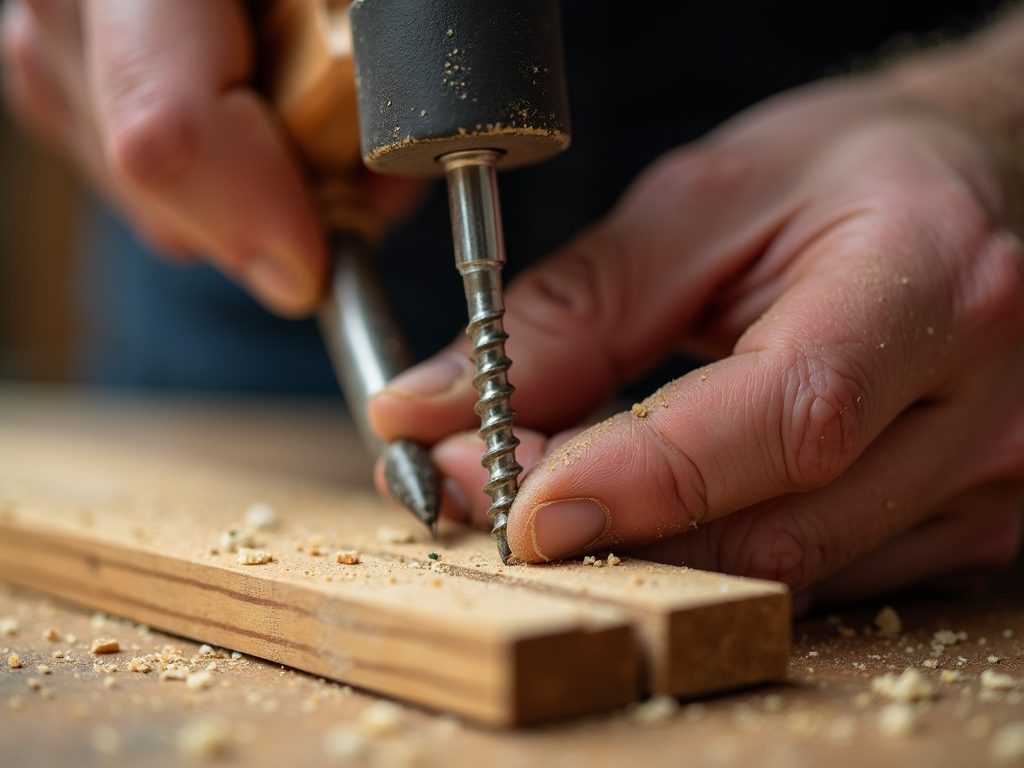
Workman tools come in all shapes and sizes. Here’s a breakdown of the main types you’ll encounter:
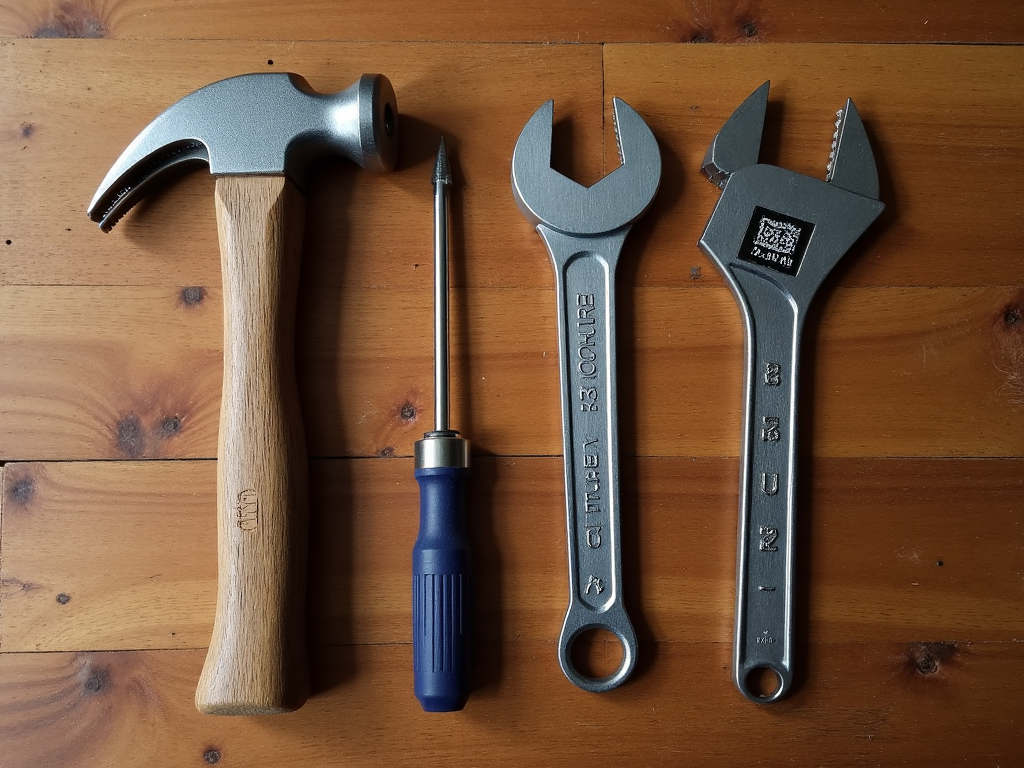
- Hand Tools: Think hammers, screwdrivers, and pliers. These are your go-to for everyday tasks.
- Power Tools: Drills, saws, and grinders. They pack a punch for bigger jobs.
- Measuring Tools: Tape measures and levels keep everything straight and precise.
- Cutting Tools: Saws and knives slice through wood or metal with ease.
- Fastening Tools: Nail guns and rivet guns make joining materials a breeze.
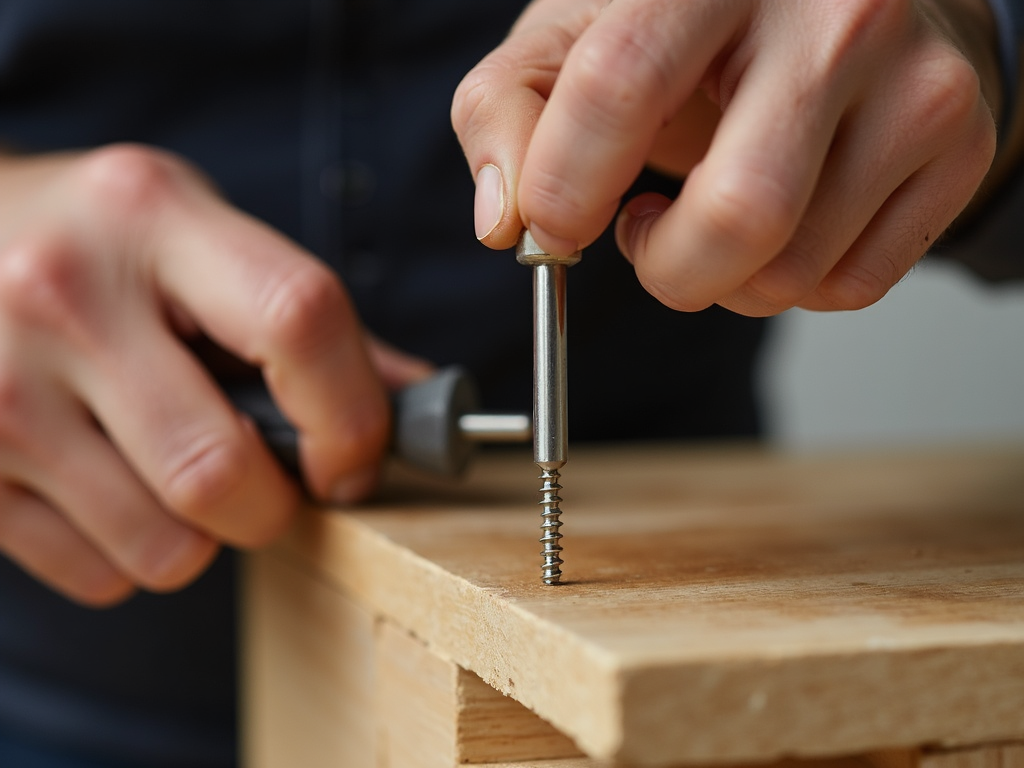
Picking the right tool is key. Once, I tried using a flathead screwdriver on a Phillips screw—total mess. A little know-how goes a long way. Match the tool to the task, and you’ll save time and effort.
Importance of Tool Maintenance
Taking care of your tools isn’t optional—it’s a must. Without it, they rust, dull, or break. I’ve seen a perfectly good saw turn useless because it wasn’t cleaned after a muddy job. Regular upkeep keeps them sharp and safe.
Start with routine checks. After every use, I wipe my tools with a cloth. It takes two minutes and stops rust in its tracks. For power tools, I check cords and vents—dust buildup can overheat them. Little habits like these make a big difference.
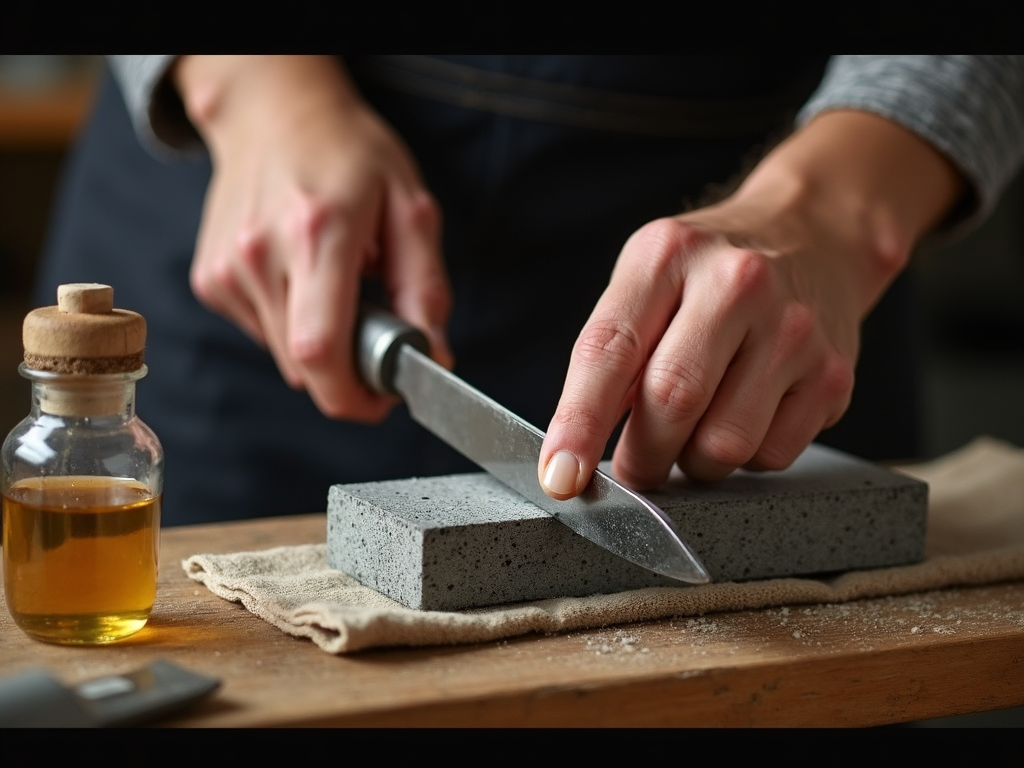
Don’t skip sharpening. A blunt chisel once slowed me down for hours. A quick run with a sharpening stone fixed it. Lubricating hinges or gears with oil also keeps things moving smoothly. These workman tool maintenance tips are simple but game-changing.
Tips for Extending Tool Longevity
Extending Tool Longevity with Routine Checks isn’t hard. Store tools in a dry spot—my garage gets humid, so I use silica packs. Use them right, too. I once bent a wrench prying open a lid—not its job. Handle them gently, and they’ll last.
Here’s a quick list to keep tools thriving:
- Store in a dry, cool place.
- Use them only for intended tasks.
- Don’t drop or toss them.
- Check power tool parts like brushes.
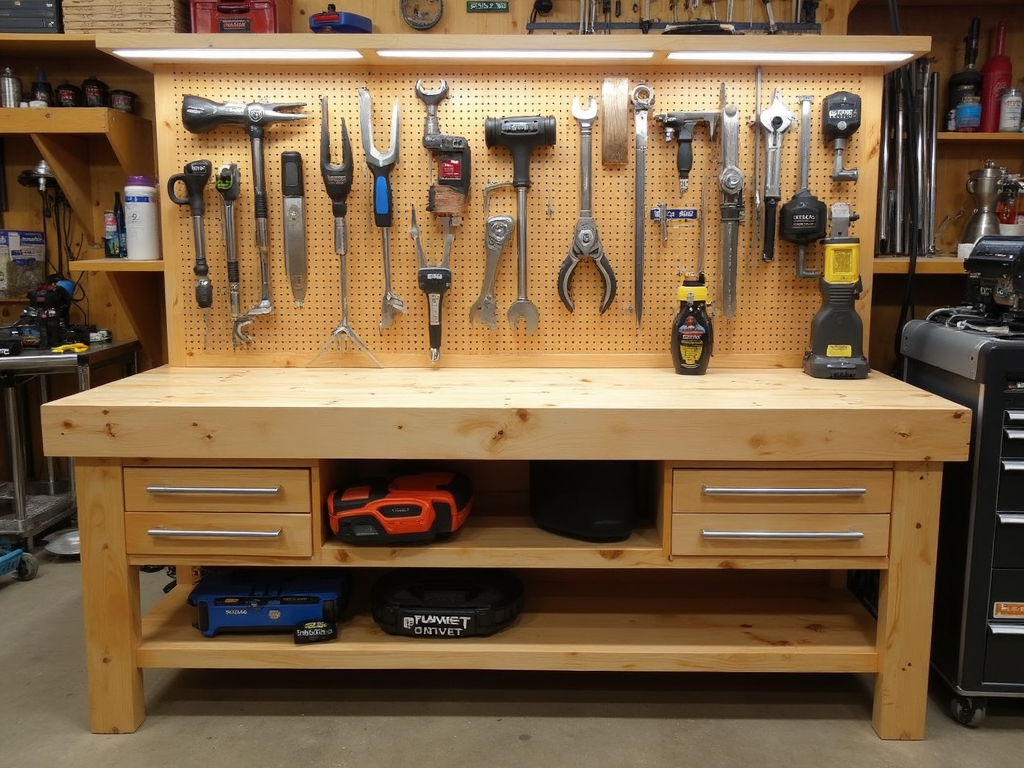
- Keep them organized—no jumbled piles.
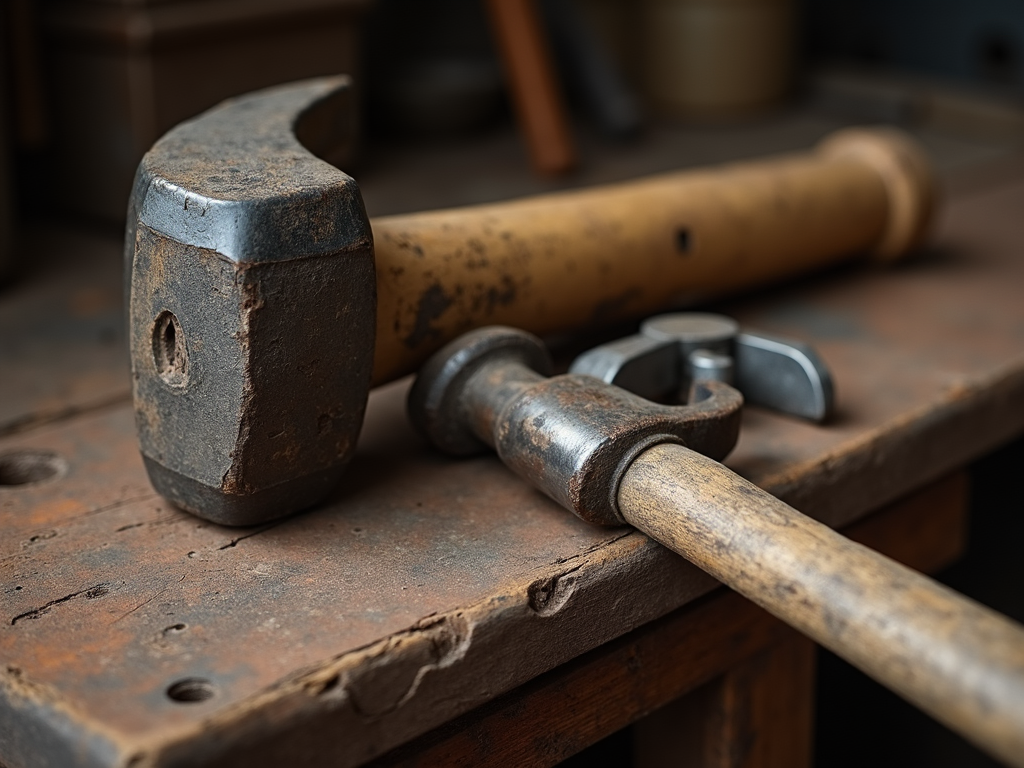
I’ve got a hammer from my dad that’s 20 years old. Why? He cared for it, and I do too. Small efforts add up over time.
Choosing the Right Toolbox
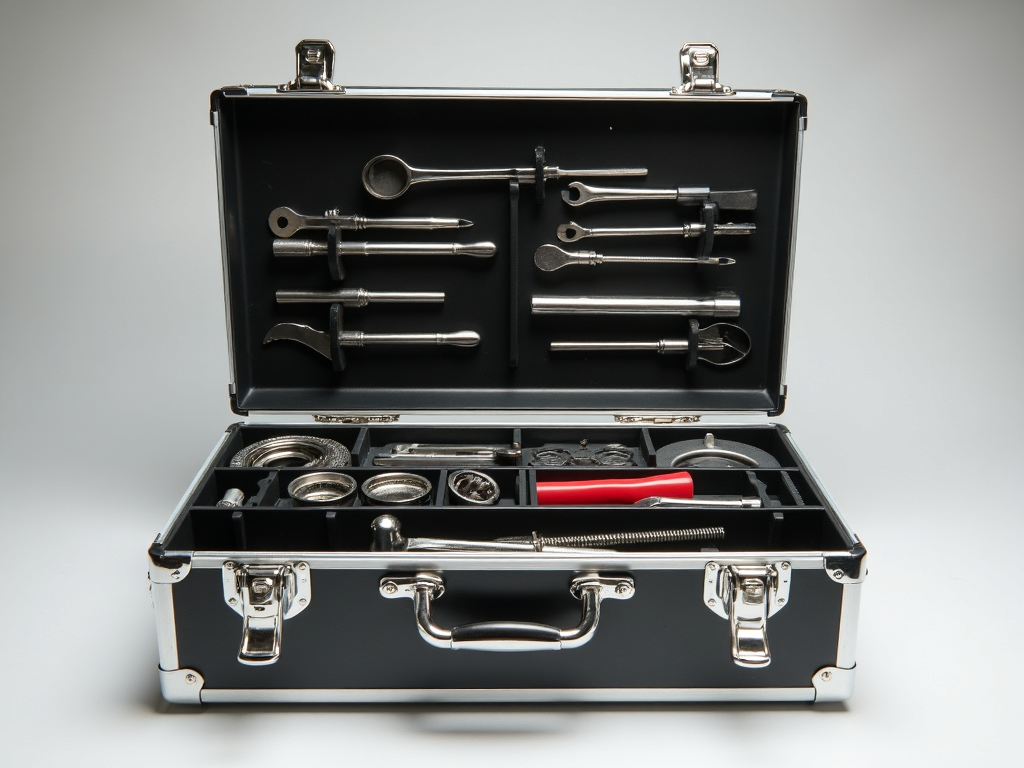
Toolboxes aren’t just storage—they protect your investment. I used to toss tools in a bucket until I saw dents and scratches. A good toolbox keeps them safe and ready. But how do you choose?
Think about size. My first box was too small—half my tools didn’t fit. Material matters too. Metal’s tough but heavy; plastic’s light but can crack. I like a mix—durability without the weight. Compartments are a lifesaver for finding stuff fast.
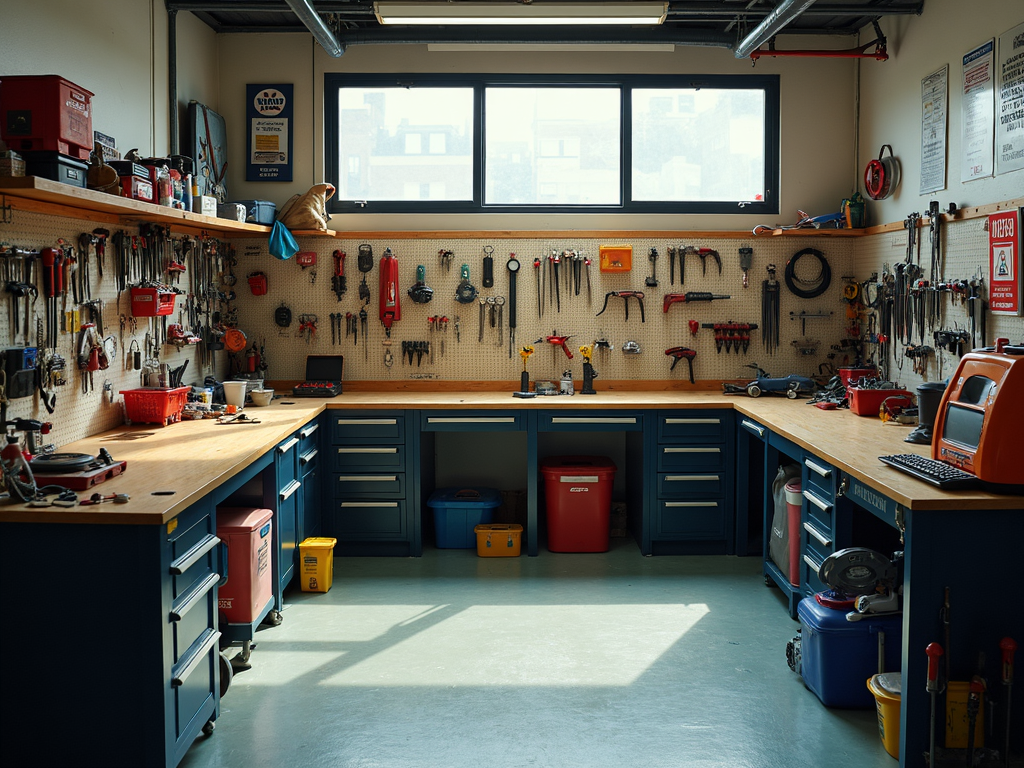
If you move around, get one with wheels or a strap. I’ve got a rolling chest for my shop and a bag for quick jobs. Locks are a bonus if your tools are pricey—peace of mind is worth it.
Conclusion
Workman tools are more than gear—they’re what make projects happen. Pick the right ones, maintain them well, and store them smartly. I’ve learned this through trial and error, and now my tools last years. Follow these steps, and yours will too.
Related Workman Tools: A Comprehensive Guide:
- Essential Tools Every Beginner Handyman Needs
- The Ultimate Guide to Tool Safety: Protecting Yourself in the Workshop
- Mastering Complex Projects: The Ultimate Guide to Advanced Workman Tools
- Maximizing Workspace Efficiency: A Guide to Choosing the Right Workbench and Organizing Your Tools
- DIY Electrical Projects: What You Can and Can’t Do
- Organizing Your Workshop: Tips and Tricks for a More Efficient Workspace
- Specialized Workman Tools for Metalwork: A Comprehensive Guide
- Organizing Your Workshop: Storage Solutions for Tools
- Drill Bits 101: Choosing the Right One
- Top 10 Electrical Tools Every Homeowner Needs
- Essential Chisels in a Woodworker’s Toolkit
- A Look Back at Workman Tools Through the Years