Overview
Power tools are essential for any DIY enthusiast looking to take their projects to the next level. From woodworking to plumbing, having the right tools and knowing how to use them can make all the difference. In this article, we'll explore the essential power tools for DIY success, provide tips and insights from personal experience, and offer a beginner's guide to plumbing installation techniques.
Mastering Power Tools: Tips for DIY Success
Power tools are amazing for DIY projects. They cut down your work time, improve accuracy, and handle tasks that hand tools can’t. But if you’re new to them, they might feel overwhelming. Don’t worry—I’ve been there too. Here are some practical tips to help you get comfortable and succeed.
Start by buying good-quality tools. Cheap ones might save you money upfront, but they often break or fail when you need them most. I once bought a bargain drill that died halfway through a shelving project—it was frustrating! Stick to trusted brands like DeWalt or Bosch. Check online reviews to make sure you’re getting something reliable.
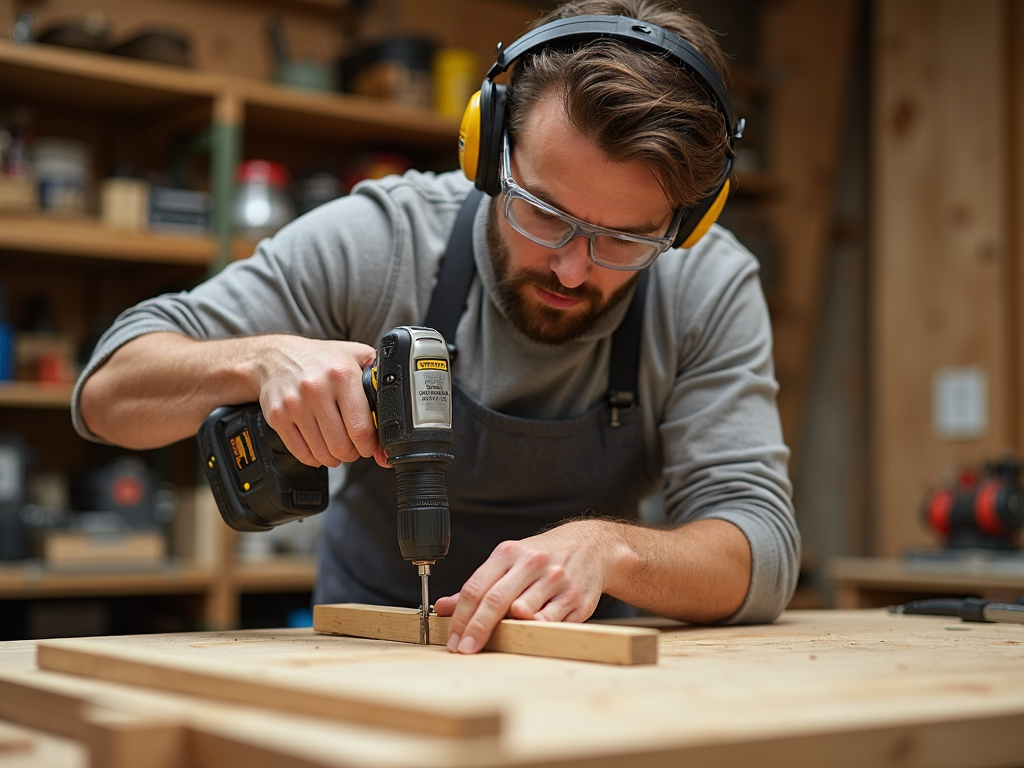
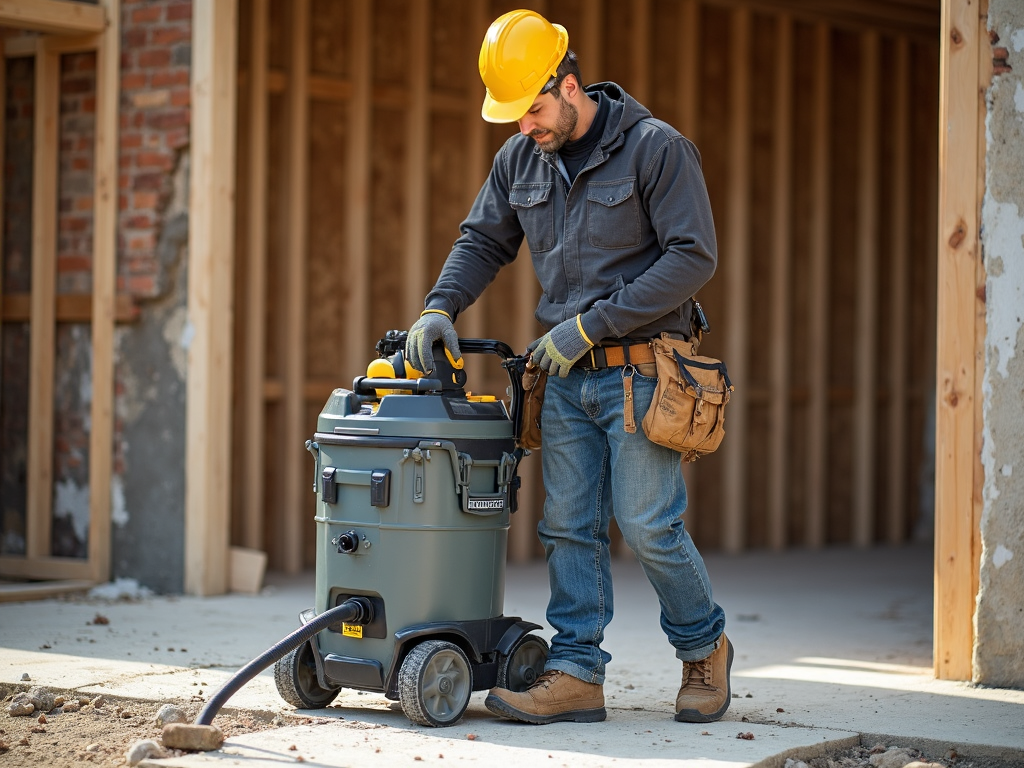
Next, take time to learn how each tool works. Read the manual (yes, really!), watch a quick YouTube video, or practice on scrap wood. Safety comes first—always wear safety glasses and gloves. I learned this the hard way when sawdust flew into my eye during a project. Trust me, it’s not worth the risk.
Finally, keep your tools in good shape. Clean them after use, sharpen blades when they get dull, and store them somewhere dry. A well-cared-for tool works better and lasts longer. These simple steps will set you up for DIY success.
Essential Woodworking Tools for DIY Enthusiasts
Woodworking is one of the most rewarding DIY hobbies, and the right power tools make it even better. Here are the must-haves I’ve relied on for years:
- Circular Saw: Perfect for straight cuts in wood.
- Jigsaw: Great for curves or detailed shapes.
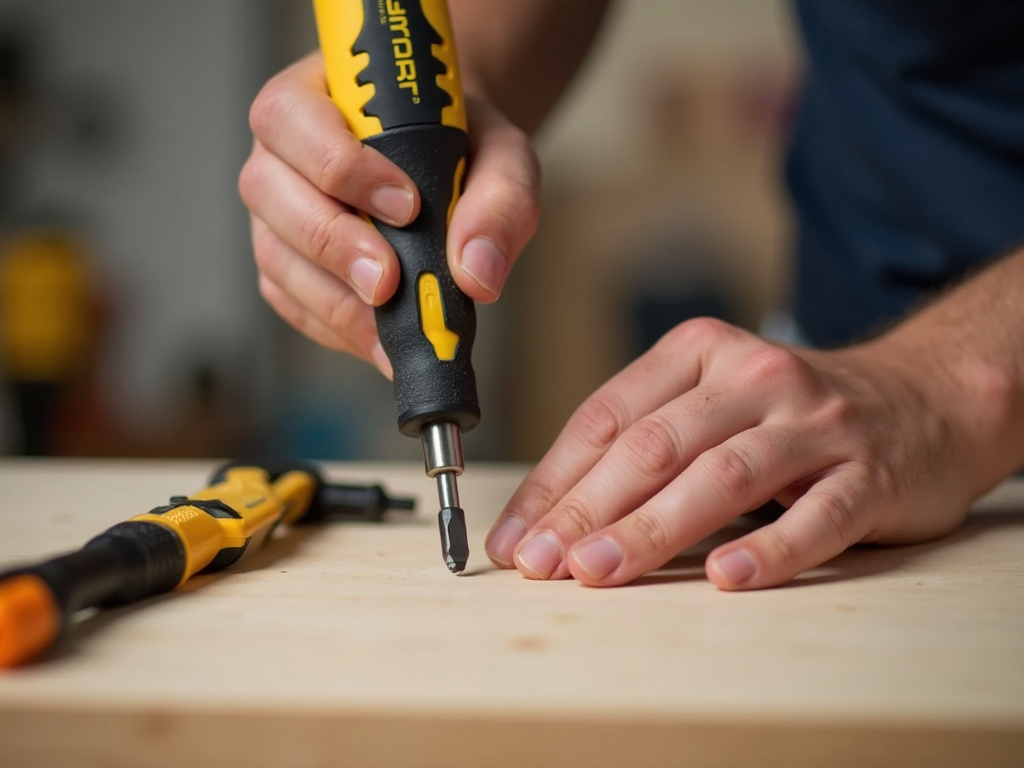
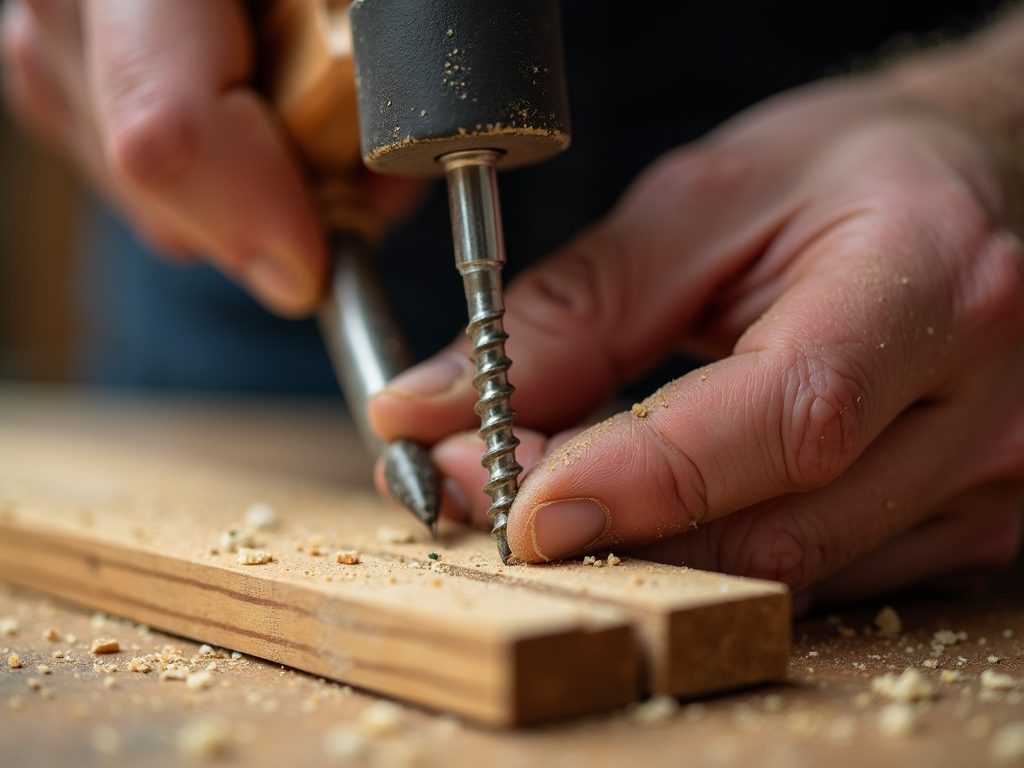
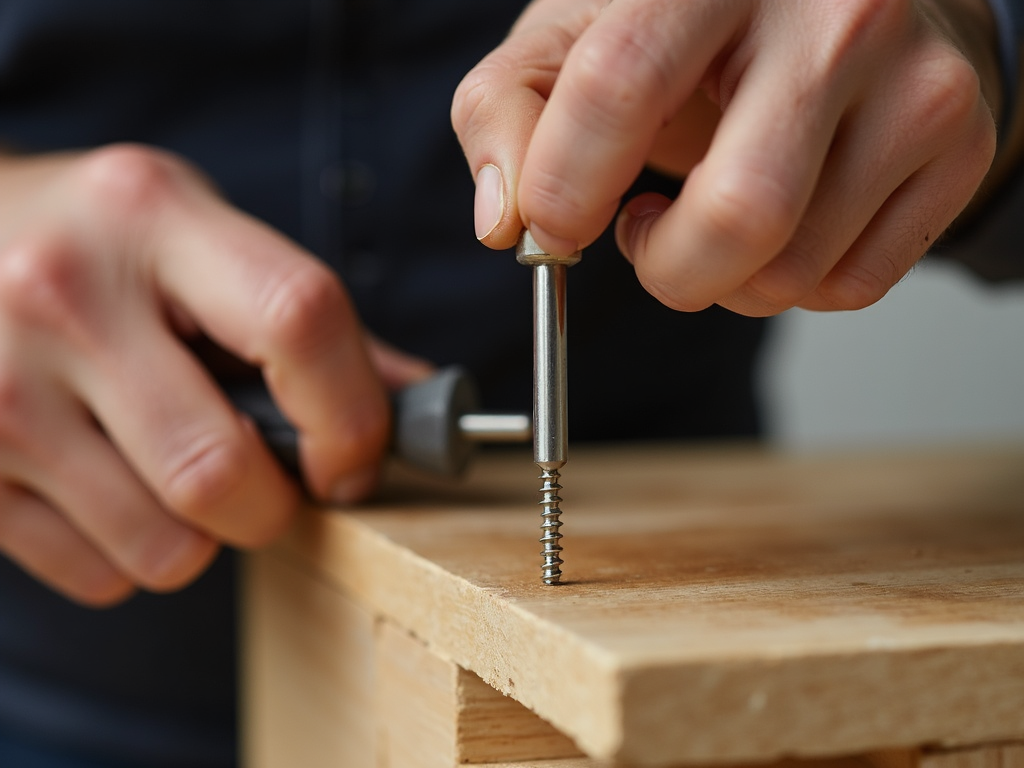
- Drill: Drills holes and drives screws—super versatile.
- Router: Shapes edges and adds fancy designs.
- Sander: Smooths wood for a polished look.
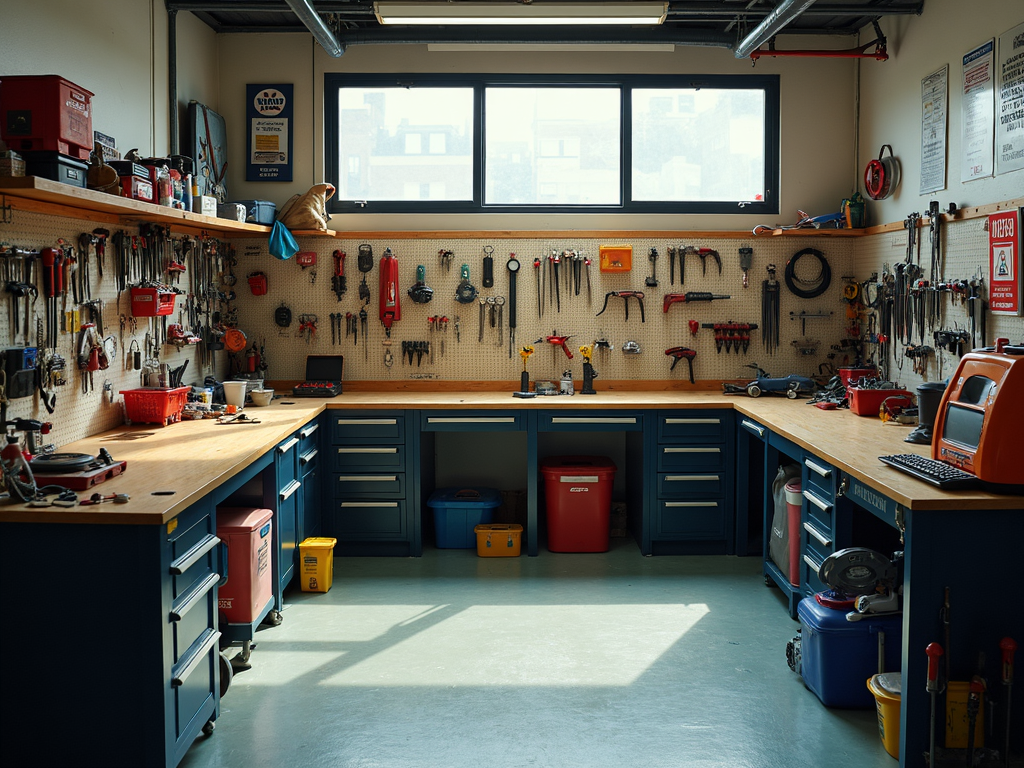
Here’s what I’ve learned from using these tools: always keep blades sharp for clean cuts. A dull blade once ruined a piece of oak I’d spent hours on—lesson learned! Clamp your wood down so it doesn’t shift, and wear safety gear. I use hearing protection with my sander because it gets loud. A tidy workspace helps too—sawdust everywhere is a recipe for mistakes.
If you’re starting out, try a small project like a wooden box to get the hang of these tools. You’ll be amazed at what you can create.
Top 10 Essential Tools for Every DIY Enthusiast
A solid toolkit covers all kinds of projects. Here’s my top 10 list of essentials—power tools and hand tools included:
- Hammer: Drives nails and handles light demolition.
- Screwdriver Set: Different sizes for all your screws.
- Tape Measure: Measures everything accurately.
- Level: Keeps shelves and frames straight.
- Utility Knife: Cuts drywall, rope, and more.
- Pliers: Grips and bends small items.
- Wrench Set: Tightens or loosens bolts.
- Power Drill: Drills holes and drives screws fast.
- Circular Saw: Cuts wood and other materials.
- Safety Gear: Glasses, gloves, and ear protection.
These tools have saved me on countless projects. For example, my power drill is a lifesaver for assembling furniture or hanging pictures. Keep them handy, and you’ll be ready for anything—whether it’s fixing a chair or building a birdhouse.
A Beginner's Guide to Plumbing Installation Techniques
Plumbing might sound tricky, but beginners can handle basic tasks with the right approach. I’ve fixed leaks and installed faucets myself—here’s what you need to know.
Workman Tools for Plumbing
- Pipe Wrench: Grips and turns pipes tightly.
- Adjustable Wrench: Works on nuts and bolts.
- Plunger: Clears clogs in drains or toilets.
- Pipe Cutter: Cuts pipes straight and clean.
- Teflon Tape: Seals pipe threads to stop leaks.
Simple Steps to Get Started
- Turn Off the Water: Find the shut-off valve and close it before you begin.
- Measure and Cut: Use a tape measure and pipe cutter for exact sizes.
- Connect Pipes: Wrap Teflon tape around threads, then attach fittings.
- Test for Leaks: Turn the water back on and watch for drips.
I once replaced a sink pipe using these steps. It took some trial and error—like forgetting the Teflon tape at first—but it worked! Start with something small, like unclogging a sink, before trying bigger jobs. If it feels overwhelming, call a plumber—no shame in that.
More Tips for DIY Success
Beyond tools, a few habits can boost your skills. Plan your project first—sketch it out and list what you need. I’ve wasted time by skipping this step and cutting wood too short. Double-check measurements too; it’s better to measure twice than redo work.
Practice makes a huge difference. Start with easy projects to build confidence. And don’t be afraid to ask for help—online forums or a handy friend can offer great advice.
For more info, check out sites like Family Handyman—they’ve got solid tutorials on tools and techniques.
Summary
Mastering power tools opens up a world of DIY possibilities. With quality tools, safe habits, and a little practice, you can tackle woodworking, plumbing, and more. This guide gives you the basics—now grab your tools and start creating!
Recommended Readings
- "How to Choose the Right Power Tool for Your Project"
- "DIY Plumbing: Common Mistakes to Avoid"
- "Woodworking Basics: Tips for Beginners"
Image Paragraph 1
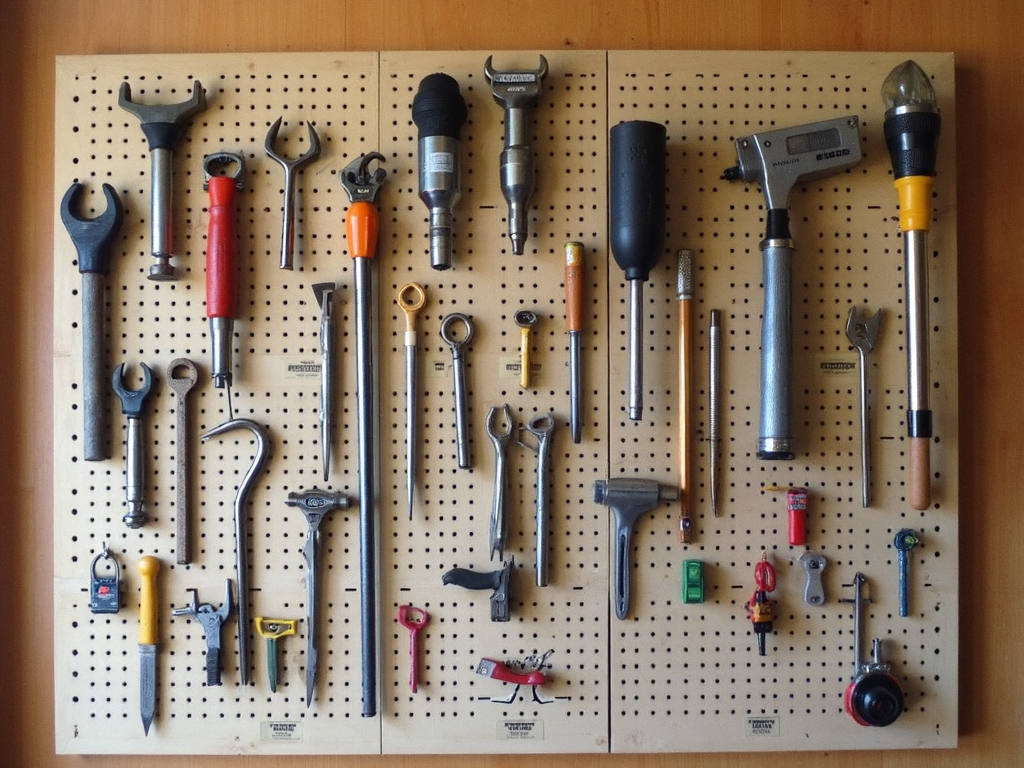
A well-organized toolbox with various power tools and hand tools neatly arranged. The toolbox is open, displaying the tools inside. Alt Text: A well-organized toolbox with power tools and hand tools.
Image Paragraph 2
A person wearing safety glasses and gloves, using a circular saw to cut a piece of wood. The person is focused on the task, and the saw is cutting smoothly through the wood. Alt Text: A person safely using a circular saw to cut wood.
Image Paragraph 3
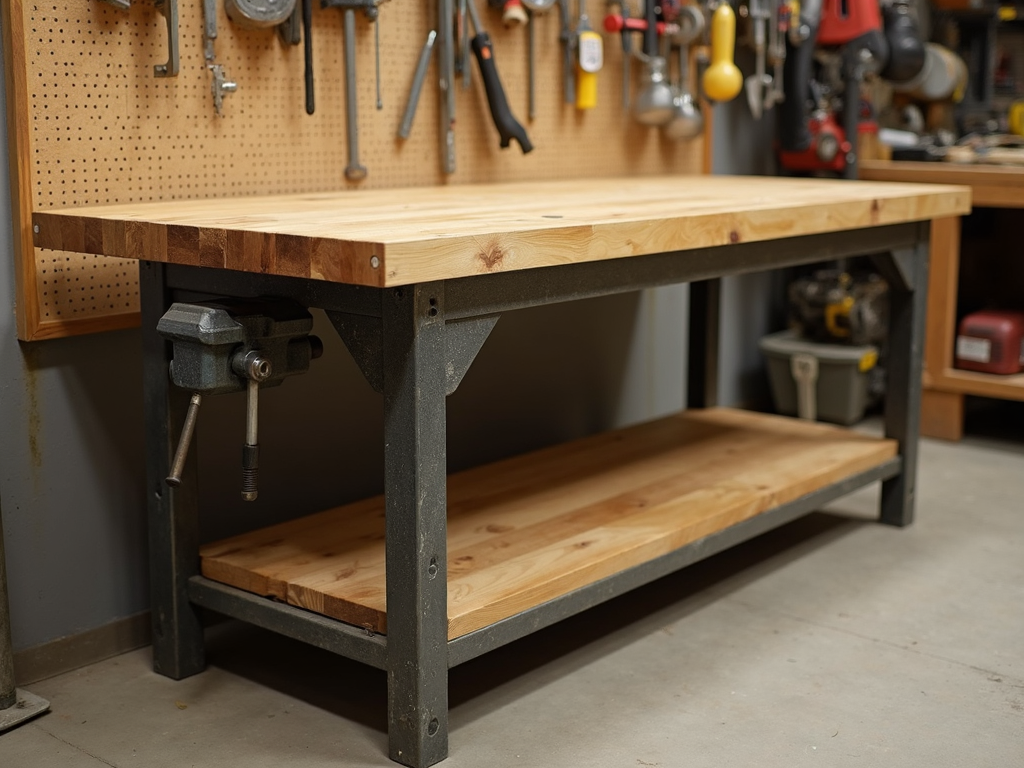
A plumbing project in progress, with pipes, fittings, and tools spread out on a workbench. A person is measuring a pipe with a tape measure. Alt Text: A plumbing project in progress with tools and materials.
Related Mastering Power Tools: Tips for DIY Success:
- Power Washer Troubleshooting and Repair
- Top 10 Workman Tools for Beginners
- Essential Safety Tips for Working on Your Car
- How Riving Knives Save Lives
- Ergonomic Hand Tools for Reduced Strain: A Comprehensive Guide
- Maximizing Efficiency in Your Workshop
- Beginner's Guide to Woodworking Tools
- The Ultimate Guide to Essential Tools for Every Workshop
- Revolutionizing Workshops: Innovative Workman Tools in 2024
- Workman Tools: A Comprehensive Guide
- Essential Tools Every Beginner Handyman Needs
- The Ultimate Guide to Tool Safety: Protecting Yourself in the Workshop