A clean and efficient workshop is essential for any craftsman or DIY enthusiast. It not only enhances productivity but also ensures safety and longevity of tools. This article delves into the best practices for managing a clean and efficient workshop, focusing on workman tools for plumbing and maintenance, electrical tools, and general workman tools.
The Importance of a Clean Workshop
A clean workshop isn’t just about looking good—it’s about working smarter and safer. Clutter can lead to misplaced tools, wasted time, and even accidents. I once spent half an hour searching for a wrench buried under a pile of unsorted tools. It was frustrating and completely avoidable. A clean space also reflects professionalism, which is crucial if you’re running a business or inviting clients into your workshop. More importantly, it boosts your morale. Walking into a tidy, organized space makes you feel ready to tackle any project.
Beyond the mental benefits, cleanliness directly impacts safety. Tools left lying around can cause trips, falls, or worse. Sharp objects, like chisels or saw blades, need to be stored properly to prevent injuries. Electrical tools, if not handled with care, can pose serious risks. A clean workshop minimizes these dangers and creates a space where you can focus on your craft without unnecessary distractions.
Essential Tools for Plumbing, Maintenance, and Electrical Work
Having the right tools is half the battle. Below is a list of must-have workman tools for plumbing and maintenance, electrical tools, and general workman tools. These are the essentials that every workshop should have:
| Category | Tools |
|---|---|
| Plumbing | Pipe wrench, plunger, pipe cutter |
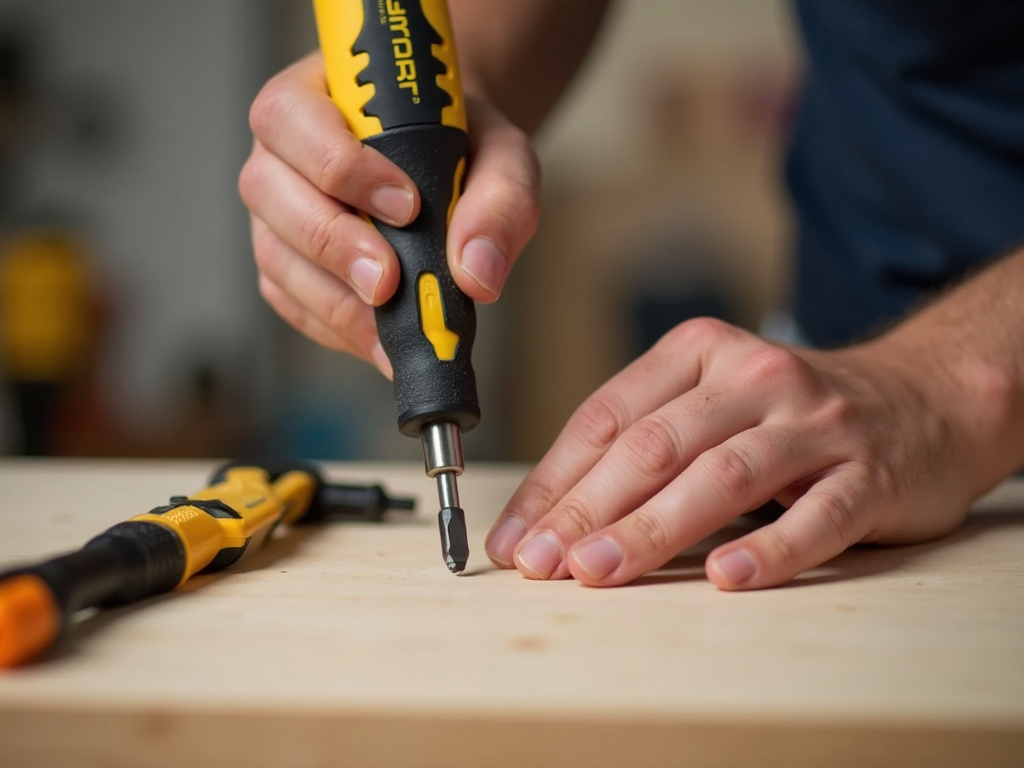
| Maintenance | Hammer, screwdriver set, pliers |
| Electrical | Voltage tester, wire stripper, multimeter |
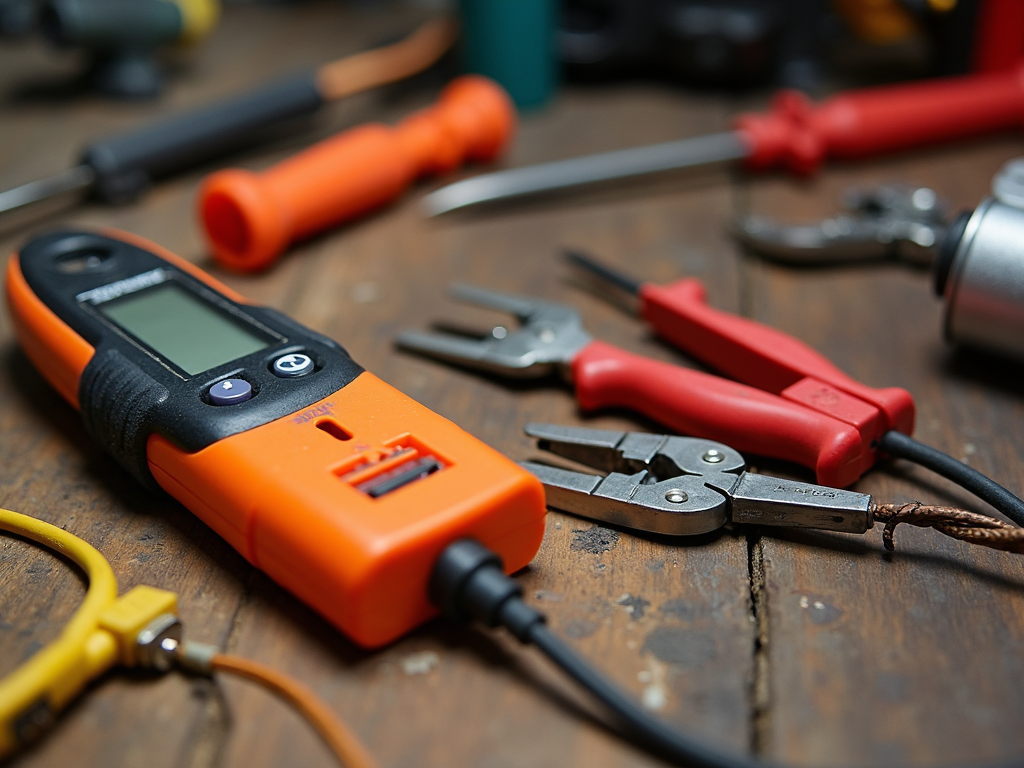
These tools form the foundation of any well-equipped workshop. For plumbing, a good pipe wrench and pipe cutter are indispensable. In maintenance, a reliable hammer and versatile screwdriver set will cover most tasks. For electrical work, a voltage tester and multimeter are critical for safety and precision.
Maintenance Tips for Long-Lasting Tools
Your tools are an investment, and like any investment, they require care to perform at their best. Here’s how to keep them in top shape:
- Clean After Every Use: It’s tempting to toss tools aside after a long day, but taking five minutes to wipe them down prevents rust and grime buildup. I use a simple rag and some WD-40 for metal tools.
- Inspect for Damage: Before and after each use, check your tools for signs of wear. A cracked handle or dull blade can lead to accidents or subpar work. If you spot damage, repair or replace the tool immediately.
- Lubricate Moving Parts: For tools with hinges or moving parts, like pliers or wrenches, a drop of oil keeps them functioning smoothly. I do this monthly to prevent stiffness.
- Schedule Deep Cleans: Every few months, I set aside time for a thorough workshop cleaning. This includes wiping down surfaces, organizing shelves, and giving tools a more detailed inspection. It’s also a good time to sharpen blades and replace worn-out parts.
- Follow Manufacturer Guidelines: For power tools and specialized equipment, always refer to the manufacturer’s maintenance instructions. I keep a log of when each tool was last serviced to stay on top of upkeep.
Proper maintenance not only extends the life of your tools but also ensures they’re ready to perform when you need them. A well-maintained tool is a reliable tool.
Organizing Your Tools Like a Pro
Good organization is the heart of managing a clean and efficient workshop. Without a system, even the best tools are useless if you can’t find them. Here’s how I keep mine in check:
- Group by Purpose: I sort my tools into categories. Workman tools for plumbing and maintenance—like pipe wrenches and plungers—go on one shelf. Electrical tools, such as voltage testers and wire strippers, stay in a separate toolbox. General workman tools, like hammers and screwdrivers, get their own spot. This setup cuts down on searching.
- Label Everything: Clear labels make a huge difference. I write “Plumbing” or “Electrical” on each storage area. For extra help, I use colors: red for plumbing, blue for electrical. It’s quick to spot what I need, even in a rush.
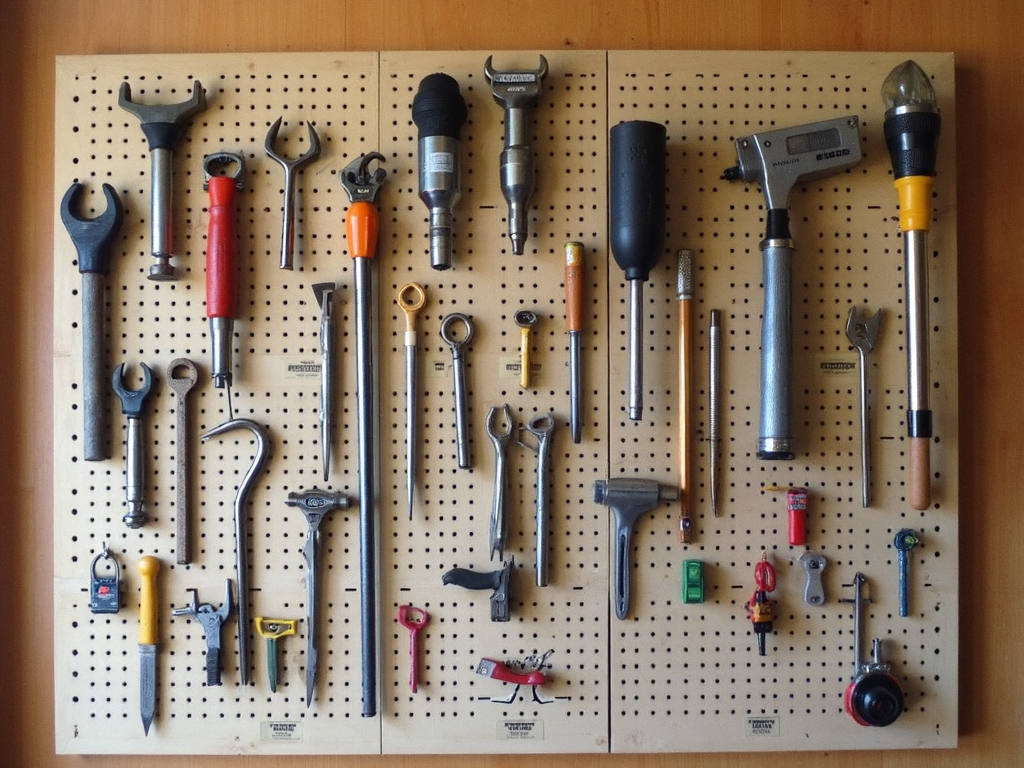
- Hang What You Use Most: Pegboards are my go-to for tools I grab often. Hammers and pliers hang right above my bench. Shelves hold less-used items, keeping my workspace clear but accessible.
- Portable Toolkits: For jobs outside the shop, I keep pre-packed toolboxes. One has plumbing essentials, another has electrical tools. It’s grab-and-go convenience.
Keeping Safety First
Safety isn’t optional—it’s a must. A clean workshop is a good start, but you need habits to back it up. Here’s what I do: - Secure Sharp Tools: I store knives and saw blades in cases or on high shelves, away from edges. I learned this the hard way when a chisel once rolled off my bench. Luckily, it missed my toes. - Mind Electrical Tools: After using my drill or multimeter, I unplug them and stash them in a dry spot. Wet conditions can ruin them—or worse, shock you. I check cords for wear too. - Gear Up: Gloves and goggles are my constant companions for messy or risky jobs. I keep them by the door so I don’t forget. Ear plugs come out for loud tools like sanders. - Prep for Emergencies: A first aid kit hangs on my wall, stocked with bandages and antiseptic. Good ventilation keeps fumes at bay when I’m painting or soldering.
I also walk through my shop monthly, looking for hazards like loose screws or frayed wires. Fixing small problems early stops big ones later.
Summary
Managing a clean and efficient workshop transforms how you work. Organizing your workman tools for plumbing and maintenance, electrical tools, and general workman tools saves time and boosts efficiency. Safety habits and regular upkeep protect you and your gear. Put these tips into action, and your workshop will become a space where great work happens.
Recommended Readings
- "Top 10 Tips for Tool Maintenance"
- "Workshop Safety: A Comprehensive Guide"
- "Maximizing Space in Your Workshop"
Related Managing a Clean and Efficient Workshop:
- Safety First: Best Practices for Electrical Work
- Power Drills with Multiple Attachments: A Comprehensive Guide
- Essential Safety Tips for Using Power Tools
- The Best Power Tools for DIY Beginners
- Mastering Power Tools: Tips for DIY Success
- Power Washer Troubleshooting and Repair
- Top 10 Workman Tools for Beginners
- Essential Safety Tips for Working on Your Car
- How Riving Knives Save Lives
- Ergonomic Hand Tools for Reduced Strain: A Comprehensive Guide
- Maximizing Efficiency in Your Workshop
- Beginner's Guide to Woodworking Tools