Construction work is inherently dangerous, with workers facing risks from falls, heavy machinery, and hazardous materials. Ensuring safety on the job site is not just a legal requirement but a moral obligation. This article provides a comprehensive guide to the safety essentials every construction worker should know. From the right protective gear to proper tool maintenance, we'll cover the key elements that can prevent accidents and save lives.
The construction industry has one of the highest rates of workplace injuries and fatalities. According to the Occupational Safety and Health Administration (OSHA), in 2020, there were 1,008 fatal injuries in construction, accounting for approximately 20% of all workplace fatalities in the United States. These sobering statistics underscore the critical need for stringent safety measures on every job site.
Beyond the human cost, workplace accidents can have severe financial implications for construction companies. Direct costs include medical expenses, workers' compensation, and legal fees, while indirect costs can involve project delays, reduced productivity, and damage to the company's reputation. Therefore, prioritizing safety is not only the right thing to do but also makes good business sense.
Employers have a legal and ethical responsibility to provide a safe working environment. This includes complying with OSHA regulations, providing necessary safety equipment and training, and fostering a culture where safety is paramount. Workers, in turn, must take personal responsibility for their safety by following established protocols, using protective gear correctly, and reporting any hazards or concerns.
No construction worker should step onto a job site without the proper protective equipment. Here are the safety essentials every worker needs:
-
Hard Hats: Protect against head injuries from falling objects, bumps, or electrical hazards. Ensure your hard hat is properly fitted and in good condition.
-
Safety Glasses: Shield eyes from debris, dust, and chemicals. Choose glasses with side shields for maximum protection.
-
Gloves: Different tasks require different gloves. Leather gloves protect against cuts and abrasions, while chemical-resistant gloves are necessary when handling hazardous materials.
-
High-Visibility Clothing: Brightly colored vests ensure workers are seen in low-light conditions or near moving equipment.
-
Steel-Toed Boots: Protect feet from heavy objects and punctures. Look for boots with slip-resistant soles for added safety.
-
Hearing Protection: Earplugs or earmuffs are essential when working in noisy environments to prevent hearing loss.
-
Respiratory Protection: Masks or respirators protect against dust, fumes, and other airborne hazards.
Remember, safety gear is only effective if used correctly. Ensure all equipment fits properly and is well-maintained. Replace any damaged or worn items immediately.
Implementing safe work practices is crucial for preventing accidents and injuries. Here are some key areas to focus on:
Proper Lifting Techniques
Back injuries are common in construction. To lift safely: - Bend at the knees, not the waist. - Keep the load close to your body. - Lift with your legs, not your back. - Avoid twisting while lifting. - Ask for help with heavy or awkward loads.
Fall Prevention
Falls are the leading cause of death in construction. To prevent falls: - Use guardrails, safety nets, or personal fall arrest systems when working at heights. - Keep work areas clear of clutter and tripping hazards. - Use ladders safely, ensuring they're on stable ground and properly secured. - Never stand on the top rung of a ladder.
Electrical Safety
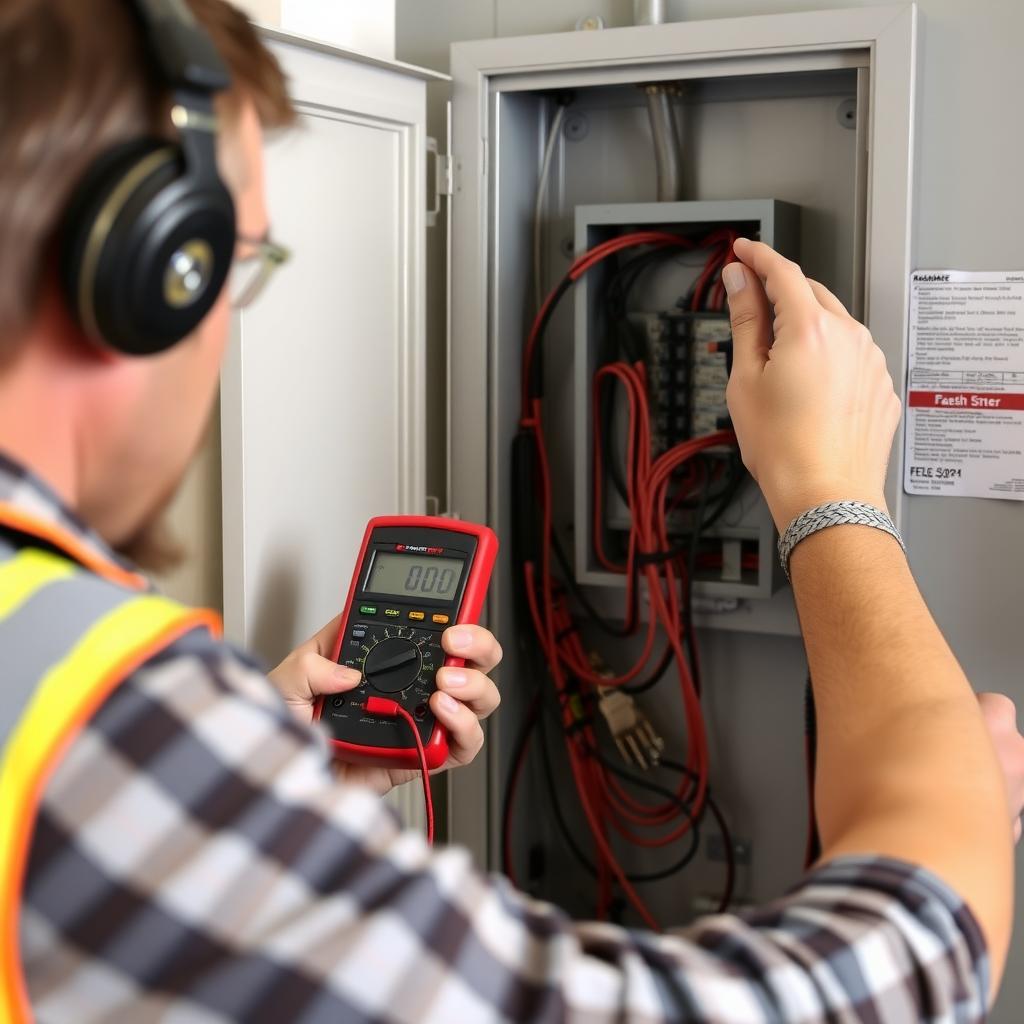
Electricity poses serious risks. Follow these guidelines: - Assume all wires are energized. - Use ground fault circuit interrupters (GFCIs) with power tools. - Inspect cords and plugs for damage before use. - Keep cords away from water and sharp edges. - Never use damaged electrical equipment.
Hazard Communication
Understanding and communicating about hazards is crucial: - Read and follow safety data sheets (SDS) for chemicals. - Label all containers clearly. - Report any spills or leaks immediately. - Participate in safety meetings to stay informed about site-specific hazards.
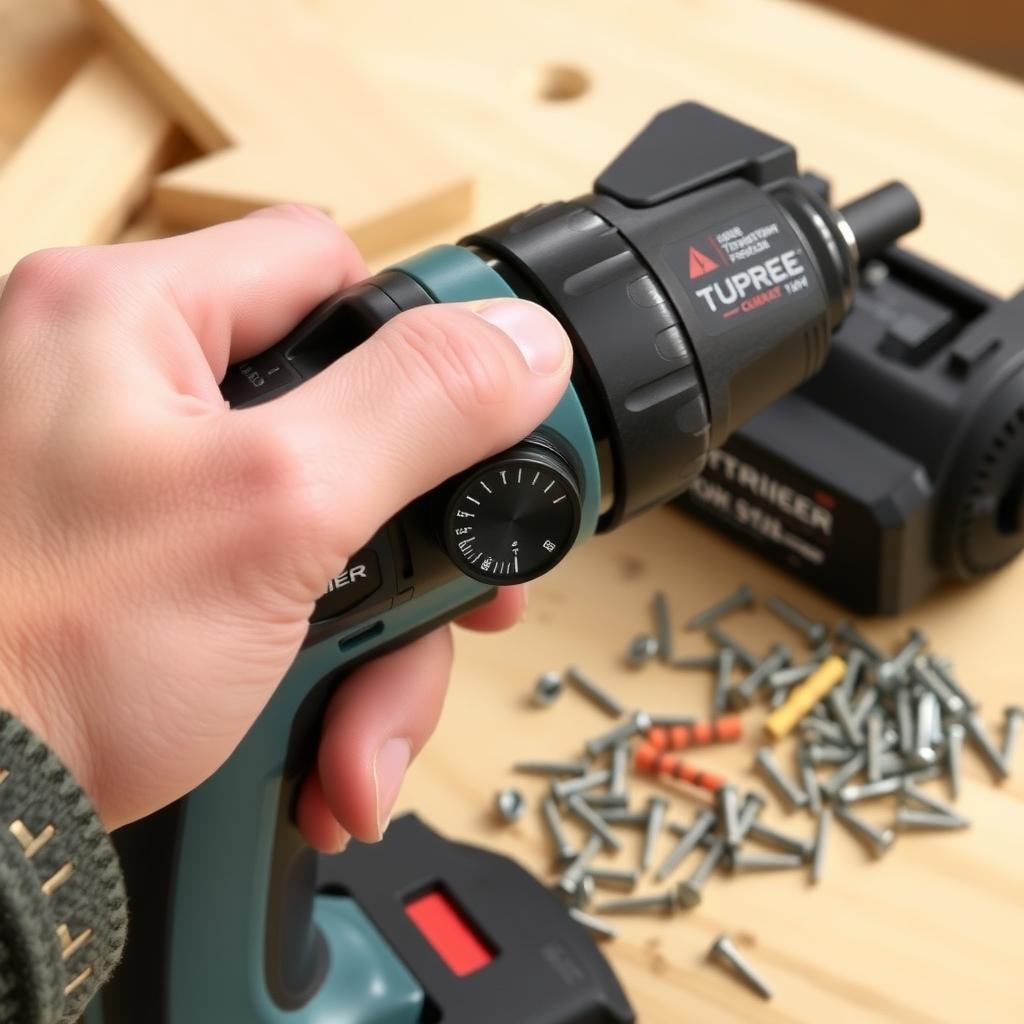
Properly maintained tools are not only more efficient but also safer to use. Dull, damaged, or improperly maintained tools can lead to accidents and injuries. Here's how to keep your workman tools in top condition:
- Regular Inspections: Before each use, inspect your tools for signs of wear, damage, or malfunction. Look for cracks, loose parts, or any abnormalities.
- Cleaning: After each use, clean your tools to remove dirt, grease, or debris. This prevents corrosion and ensures optimal performance.
- Proper Storage: Store tools in a dry, secure location. Use toolboxes or racks to keep them organized and protected from damage.
- Sharpening: Keep cutting tools sharp. Dull blades require more force, increasing the risk of slippage and injury.
- Lubrication: Apply lubricant to moving parts as recommended by the manufacturer to reduce friction and wear.
- Calibration: For precision tools, ensure they're properly calibrated to maintain accuracy.
When it comes to wrenches, which are essential for many construction tasks, proper maintenance is key. Inspect wrenches for cracks, wear on the jaws, or spreading. Use the correct size wrench for the job to prevent slippage. Consider investing in high-quality wrench sets made from durable materials like chrome vanadium steel. The best wrench sets for construction workers include a variety of sizes and types, such as combination wrenches, adjustable wrenches, and torque wrenches, to handle different tasks efficiently.
Safety training is not a one-time event but an ongoing process. Regular safety training ensures workers stay updated on the latest safety protocols, equipment, and regulations. Key aspects of safety education include:
- OSHA Requirements: Many construction tasks require specific OSHA-mandated training, such as fall protection or hazardous materials handling. Ensure all workers complete the necessary certifications.
- Safety Meetings: Regular safety meetings, often called 'toolbox talks,' keep workers informed about site-specific hazards, new equipment, or changes in procedures.
- Hands-On Training: Practical, on-the-job training allows workers to learn and practice safe techniques under supervision.
- Continuing Education: Encourage workers to stay informed about industry best practices through workshops, seminars, or online courses.
A well-trained workforce is a safer workforce. By investing in education, companies not only comply with regulations but also demonstrate their commitment to worker safety.
In conclusion, safety in construction is a multifaceted endeavor that requires commitment from both employers and workers. By wearing the appropriate protective gear, following safe work practices, maintaining tools properly, and engaging in ongoing education, construction workers can significantly reduce their risk of injury. Remember, safety is not just a set of rules but a culture that must be embraced by everyone on the job site. Stay vigilant, stay informed, and stay safe.
Related Safety Essentials for Construction Work:
- Safety Gear Maintenance Tips: A Comprehensive Guide to Workwear and Safety Gear
- Comprehensive Guide to Key Features in Cordless Power Tools
- How to Maintain Your Car's Engine for Longevity
- Safety First: Protecting Yourself and Your Tools
- Green Tools: The Future of Batteries
- Organizing Your Workbench for Maximum Efficiency
- Essential Safety Tips for DIY Electrical Work
- Essential Maintenance Tips for Outdoor Equipment
- How Ergonomic Tools Save Your Hands
- Top-Quality Workman Tools for Contractors
- How to Organize a Small Workshop for Maximum Efficiency
- Advanced Tool Maintenance Tips