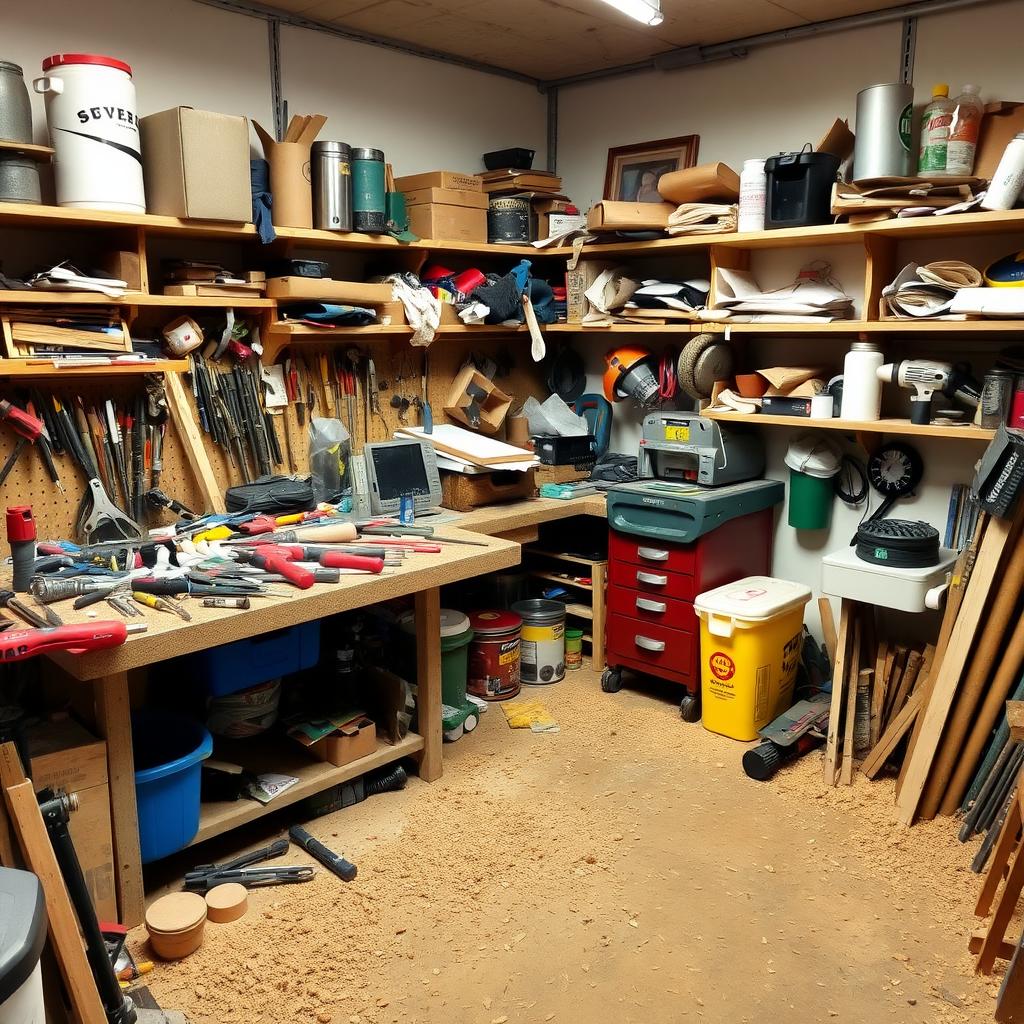
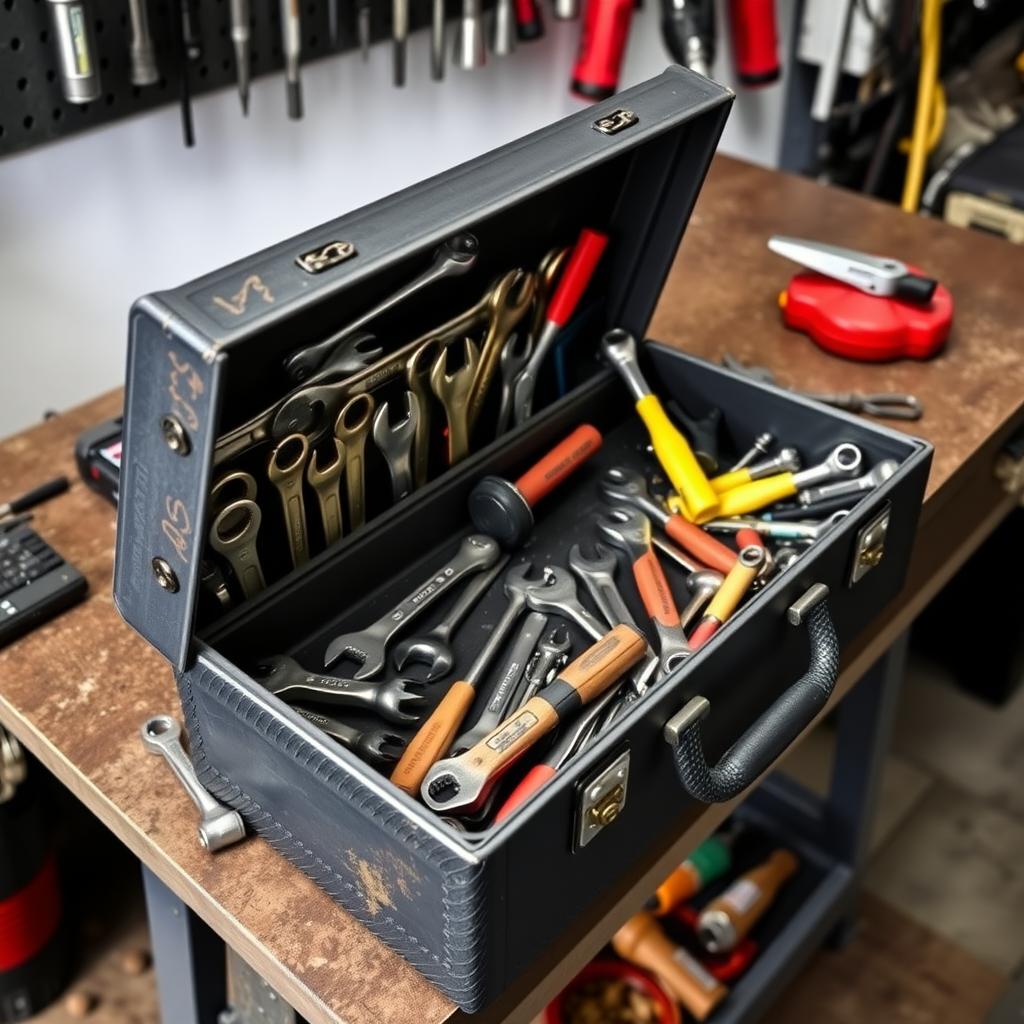
Woodworking is a fantastic way to bring your ideas to life. With just a few tools and some wood, you can build anything from a birdhouse to a bookshelf. This guide, The Beginner's Guide to Woodworking, is here to help you start strong. We’ll walk through safety, tool care, and the best brands for tools—perfect for anyone new to the craft. I remember my first project: a wobbly stool that taught me patience pays off. Ready to dive in? Let’s go!
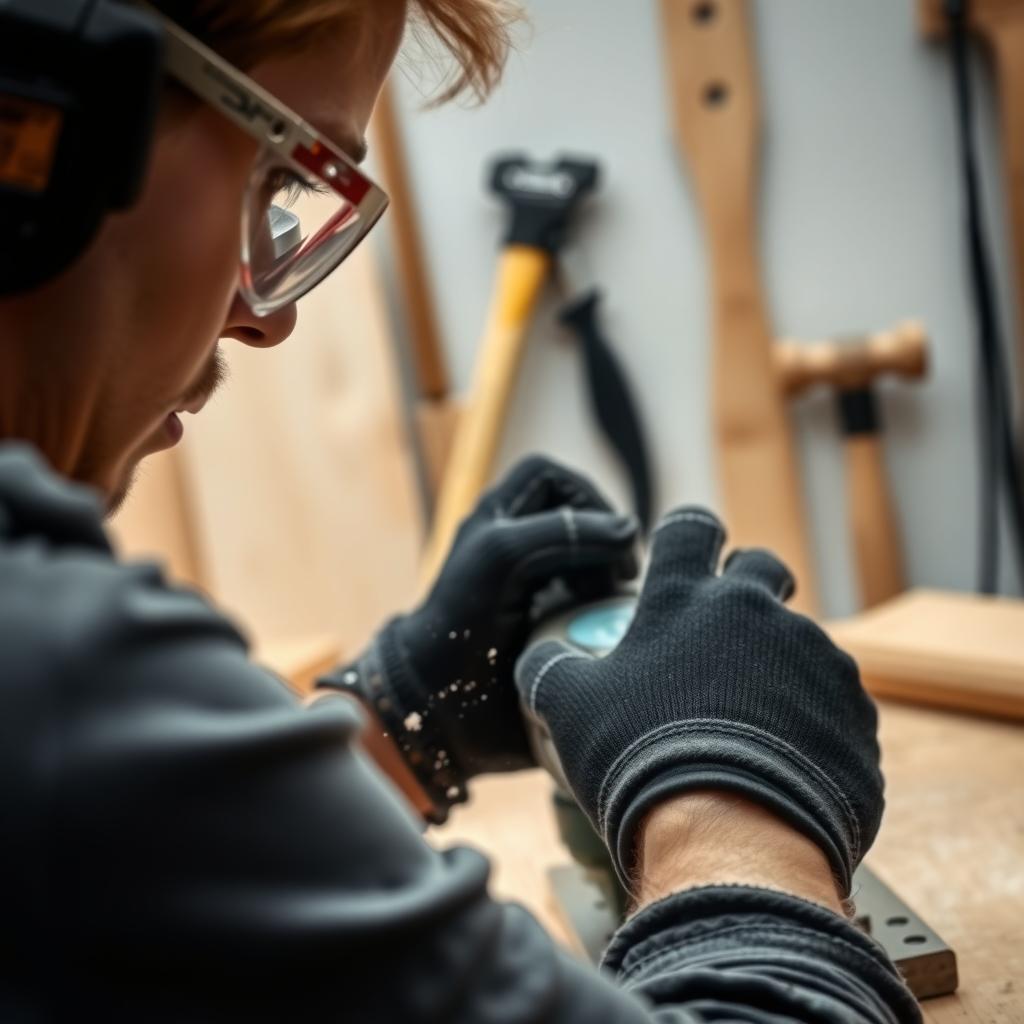
Safety Tips for Workshop Enthusiasts
Your safety comes first in woodworking. A small mistake can turn a fun day into a trip to the emergency room. Here’s what I’ve learned:
- Gear Up: Wear safety goggles, ear protection, and a dust mask every time. Gloves help with power tools—trust me, splinters hurt!
- Stay Tidy: A messy workbench once tripped me up, nearly causing a fall. Keep it clean.
- Know Your Tools: I ruined a saw blade trying to cut metal once. Read the manual and stick to wood.
- Focus Up: Distractions are risky. I mute my phone to stay in the zone.
- Ask for Help: When I didn’t know how to use a router, I asked a friend. Don’t guess—learn.
Starting out, I ignored safety and got lucky. Now, I treat every project like it’s my first—careful and steady. Workshops can be loud and dusty, but with the right habits, they’re a safe haven for creativity.
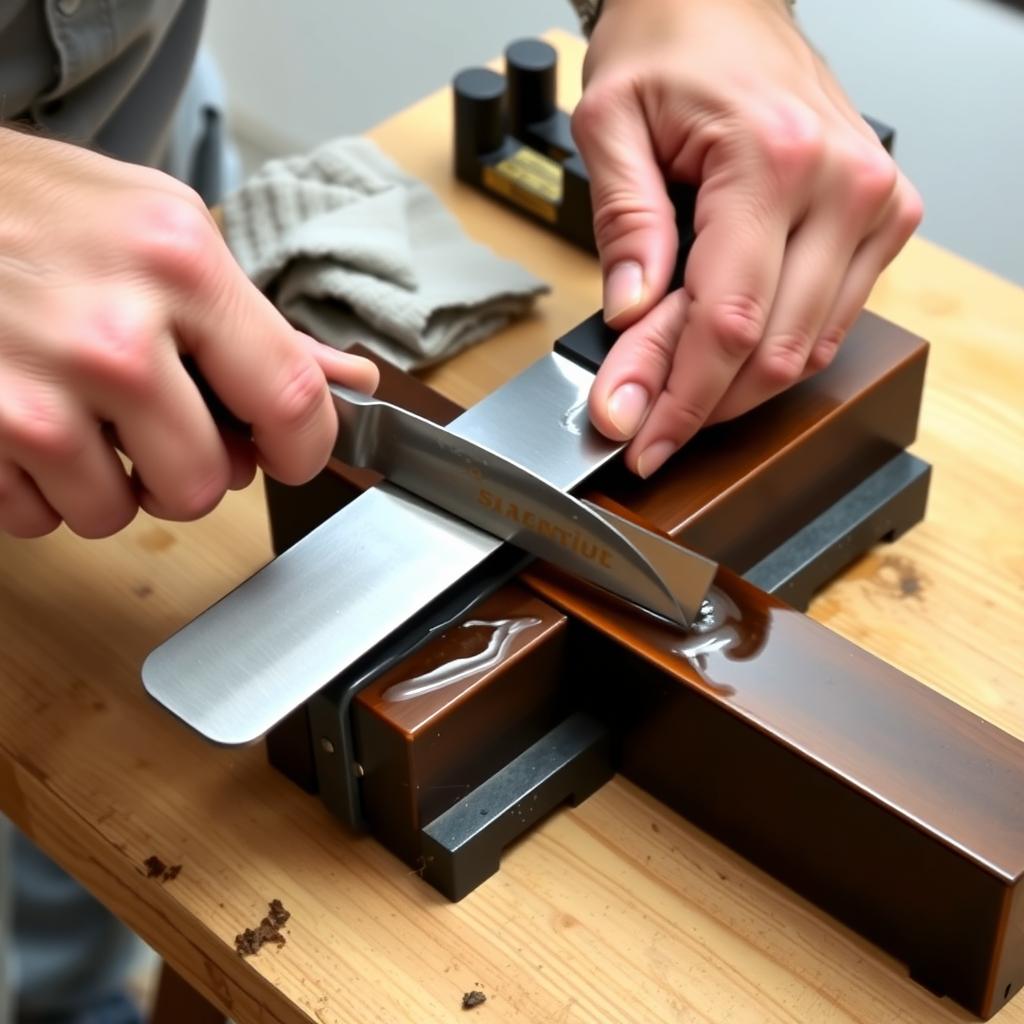
How to Sharpen Your Cutting Tools
Dull tools make woodworking harder and less safe. Sharp edges cut cleanly, saving time and frustration. Here’s my go-to sharpening method:
- Get Ready: Grab a whetstone, a honing guide, and water (or oil if your stone needs it).
- Find the Angle: Set your chisel at 25-30 degrees with the guide. I eyeball it sometimes, but the guide keeps it perfect.
- Sharpen It: Rub the chisel back and forth on the wet stone. I feel the edge smooth out after a few passes.
- Test It: A sharp tool slices wood like butter—no tearing. I test on scrap wood first.
- Keep It Up: I sharpen every few projects to stay ahead.
My first chisel was dull as a spoon. Once I sharpened it, cutting felt like magic.
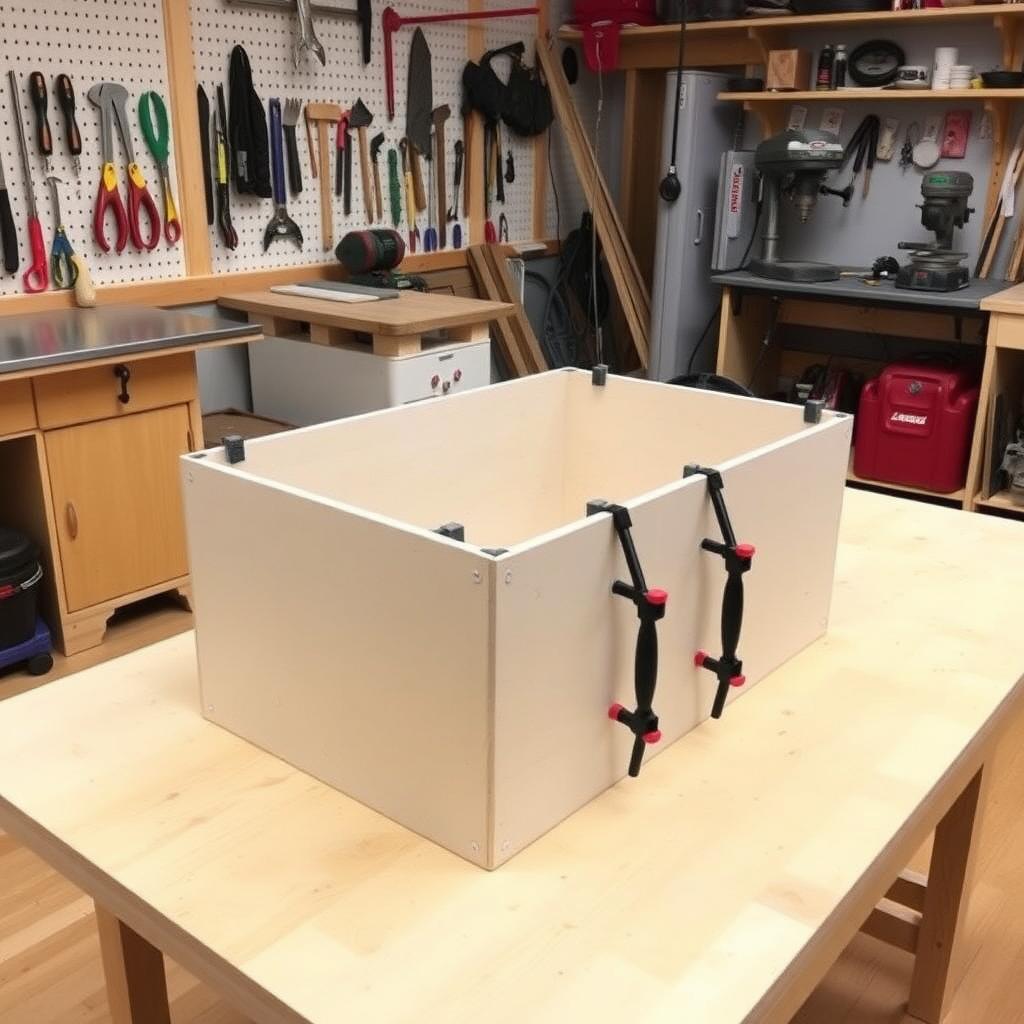
The Ultimate Guide to Workshop Equipment Maintenance
Good tools last longer with care. I’ve lost a few to neglect, so now I’m strict about maintenance. Here’s how:
- Clean After Use: Sawdust gums up everything. I wipe tools down with a rag every time.
- Oil Moving Parts: A drop of oil keeps my drill press humming. Check what your tools need.
- Look for Damage: I cracked a hammer handle once and didn’t notice until it split. Inspect often.
- Store Smart: Humidity rusted my old saw. Now, I keep tools in a dry spot.
- Follow the Rules: Manuals aren’t exciting, but they save headaches. Stick to them.
A clean workshop feels good to work in, too. It’s like a fresh start every time I walk in.
Here’s a quick table of maintenance tasks:
| Tool | Task | How Often |
|---|---|---|
| Saws | Wipe blades | After each use |
| Drills | Oil chuck | Monthly |
| Chisels | Sharpen edge | Every 3-5 uses |
| Sanders | Clear dust bag | After each use |
Little steps keep your gear ready.

Popular Brands for Workman Tools
Picking tools can feel overwhelming, but sticking with trusted brands helps. Here are my favorites:
- DeWalt: Their drills are tough—I’ve dropped mine plenty and it still works.
- Bosch: My Bosch jigsaw cuts curves like a dream. Great quality.
- Makita: Lightweight and strong, my Makita sander never quits.
- Stanley: Affordable hand tools that last. My Stanley plane is years old and still sharp.
- Craftsman: Perfect for beginners. I started with their hammer and it’s still in my kit.
I wasted money on cheap tools early on. Now, I save up for brands I trust. Quality beats price every time.
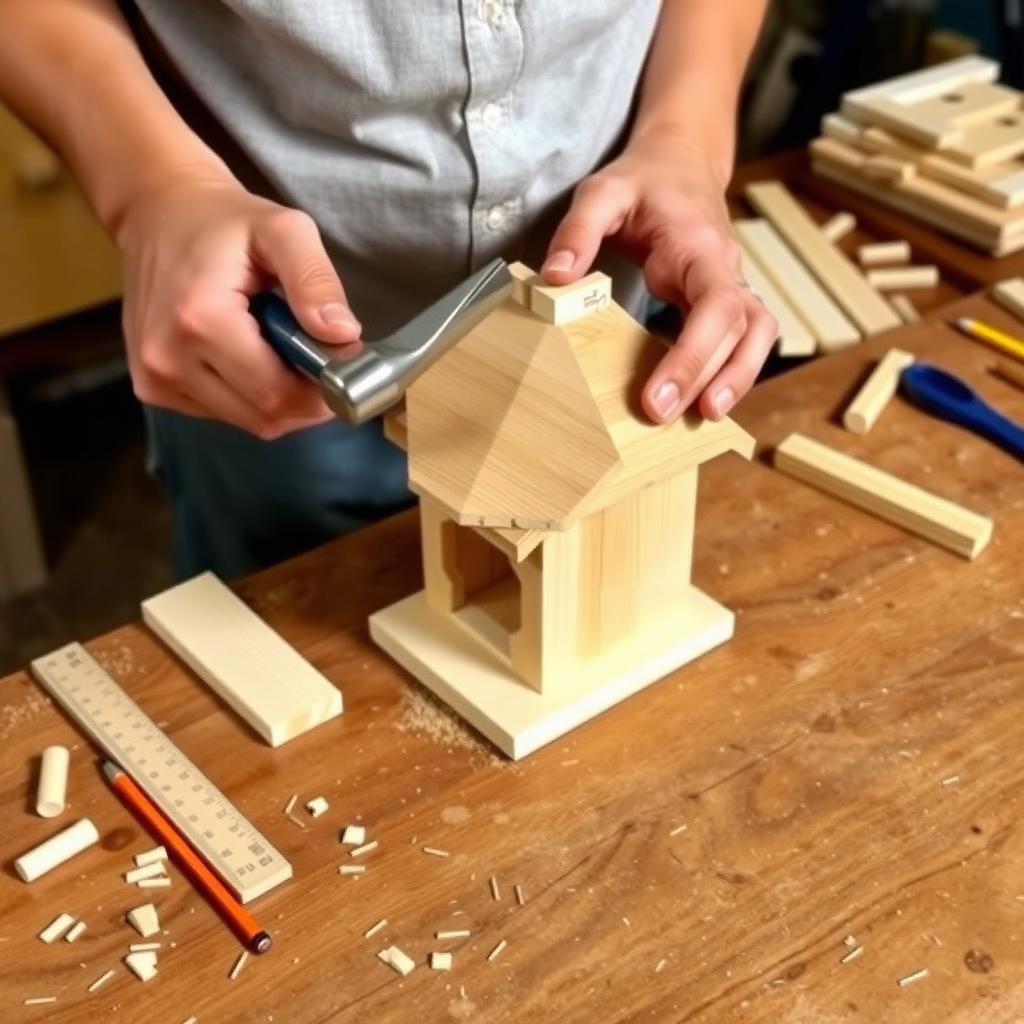
Woodworking hooked me with my first project—a shaky picture frame that still hangs in my house. Start small: a box, a shelf, something simple. Mistakes teach you more than successes. I measured wrong once and ended up with a lopsided table—funny now, but I learned to double-check.
Keep safety first, practice your skills, and don’t rush. Every cut and nail gets you better. Soon, you’ll look at a pile of wood and see possibilities. That’s the real joy of it.
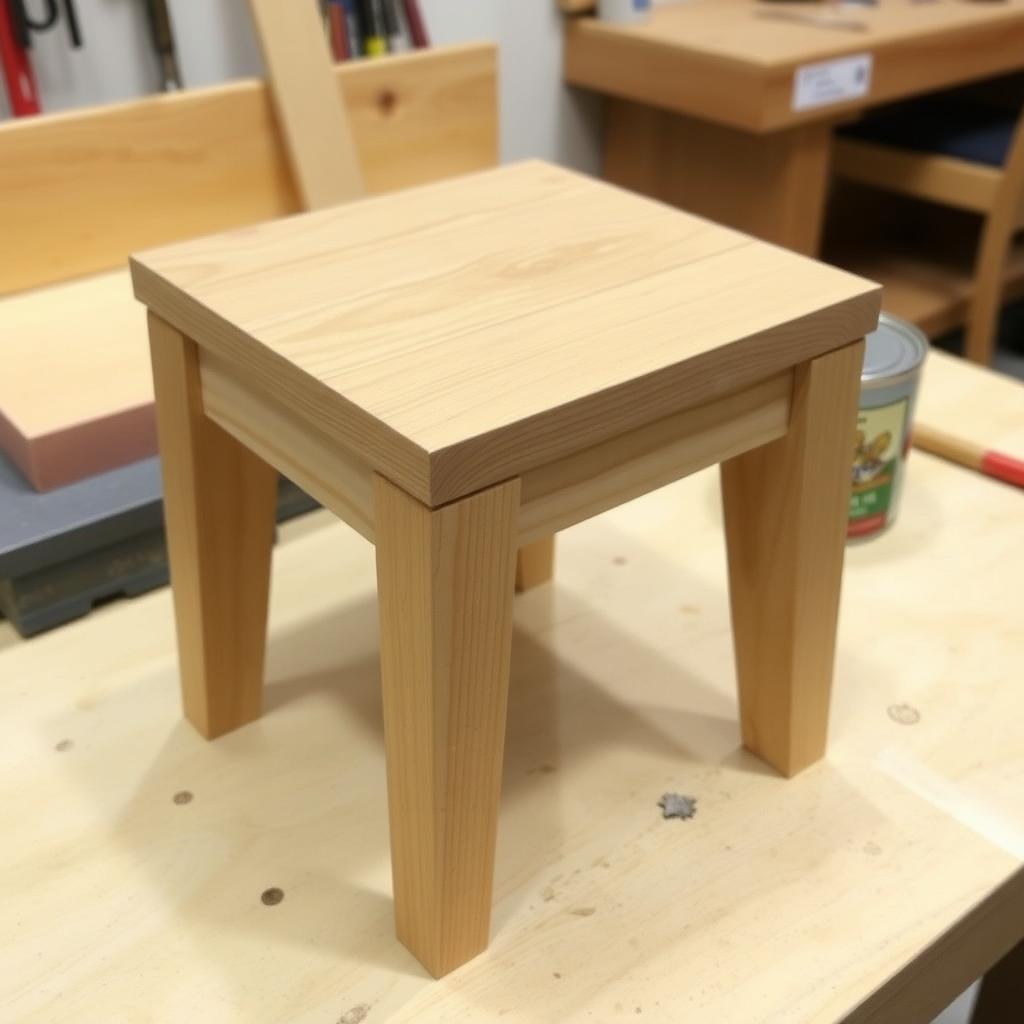
Wrapping up, The Beginner's Guide to Woodworking is your starting point. Safety keeps you in the game, sharp tools make it fun, and good maintenance saves money. Brands like DeWalt and Bosch give you a solid foundation. Start small, stay patient, and enjoy the process. Check out the links below for more tips to grow your skills!
Related The Beginner's Guide to Woodworking:
- Workshop Maintenance Guide: Essential Tips for Safety and Efficiency
- Organizing Tools in a Small Workshop: A Comprehensive Guide
- Top 10 DIY Projects for Beginners
- Workman Tools: A Review of Affordable Quality
- Choosing the Best Paint for Your Home: A Comprehensive Guide
- Electrical Tools for Wiring and Installations: A Comprehensive Guide
- DIY Organizer Ideas for Your Workshop
- Energy-Efficient Lighting Options for Your Home
- The Future of Workshop Tools: Trends to Watch in 2025
- Rotary Tools for Jewelry Making: A Comprehensive Guide
- An In-Depth Guide to Hand Tools for DIY Projects
- Safety Essentials for Construction Work