Energy-efficient lighting is a crucial aspect of modern home design, offering significant benefits in terms of energy savings, cost reduction, and environmental impact. This article provides a comprehensive guide to understanding and implementing energy-efficient lighting options in your home. From LED lights to smart lighting systems, we'll explore the various choices available and how they can enhance your living space while reducing your carbon footprint.
Energy-efficient lighting refers to lighting technologies that consume less energy while providing the same or better quality of light compared to traditional lighting options. The most common energy-efficient lighting options include LED (Light Emitting Diode) lights, CFLs (Compact Fluorescent Lamps), and smart lighting systems.
LED lights are one of the most popular energy-efficient lighting options available today. They use up to 75% less energy than traditional incandescent bulbs and can last up to 25 times longer. LED lights are available in a wide range of colors and brightness levels, making them suitable for various applications in the home.
One of the key benefits of LED lights is their longevity. Unlike traditional bulbs that may need to be replaced every few months, LED lights can last for years, reducing the frequency of replacements and the associated costs. Additionally, LED lights are more durable and resistant to shock and vibration, making them ideal for use in areas where traditional bulbs might break easily.
CFLs are another energy-efficient lighting option that has gained popularity in recent years. They use about 70% less energy than incandescent bulbs and can last up to 10 times longer. CFLs are available in various shapes and sizes, making them suitable for different lighting fixtures.
While CFLs are more energy-efficient than traditional bulbs, they do contain a small amount of mercury, which requires proper disposal. However, the energy savings and longer lifespan of CFLs make them a viable option for many homeowners.
Smart lighting systems are a relatively new addition to the energy-efficient lighting market. These systems allow homeowners to control their lighting remotely using smartphones or voice commands. Smart lighting systems can be programmed to turn on and off at specific times, adjust brightness levels, and even change colors.
One of the main advantages of smart lighting systems is their ability to optimize energy usage. By automating lighting schedules and adjusting brightness levels based on natural light availability, smart lighting systems can significantly reduce energy consumption. Additionally, smart lighting systems can enhance home security by simulating occupancy when homeowners are away.
When selecting energy-efficient lighting options for your home, it's essential to consider the specific needs of each room. For example, in living areas and bedrooms, you might prefer warm, soft lighting, while in kitchens and bathrooms, brighter, cooler lighting might be more appropriate.
It's also important to consider the color temperature of the lighting. Color temperature is measured in Kelvin (K) and indicates the warmth or coolness of the light. Lower Kelvin values (around 2700K) produce warm, yellowish light, while higher Kelvin values (above 5000K) produce cool, bluish light.
Implementing energy-efficient lighting in your home can be a straightforward process. Start by replacing traditional incandescent bulbs with LED or CFL bulbs. You can also consider installing dimmer switches to adjust lighting levels and further reduce energy consumption.
For a more advanced approach, consider investing in a smart lighting system. These systems can be integrated with other smart home devices, such as thermostats and security systems, to create a fully automated and energy-efficient home environment.
As a homeowner who has recently upgraded to energy-efficient lighting, I can attest to the benefits firsthand. After replacing all the traditional bulbs in my home with LED lights, I noticed a significant reduction in my monthly energy bills. The lights are also much brighter and more consistent, enhancing the overall ambiance of my living space.
I also installed a smart lighting system in my living room, which has been a game-changer. Being able to control the lighting with my voice or smartphone is incredibly convenient, and the ability to set schedules and adjust brightness levels has further optimized my energy usage.
Energy-efficient lighting options, such as LED lights, CFLs, and smart lighting systems, offer numerous benefits for homeowners. By understanding the different options available and choosing the right lighting for each room, you can significantly reduce your energy consumption and environmental impact. Implementing energy-efficient lighting in your home is a simple yet effective way to enhance your living space while saving money and contributing to a more sustainable future.
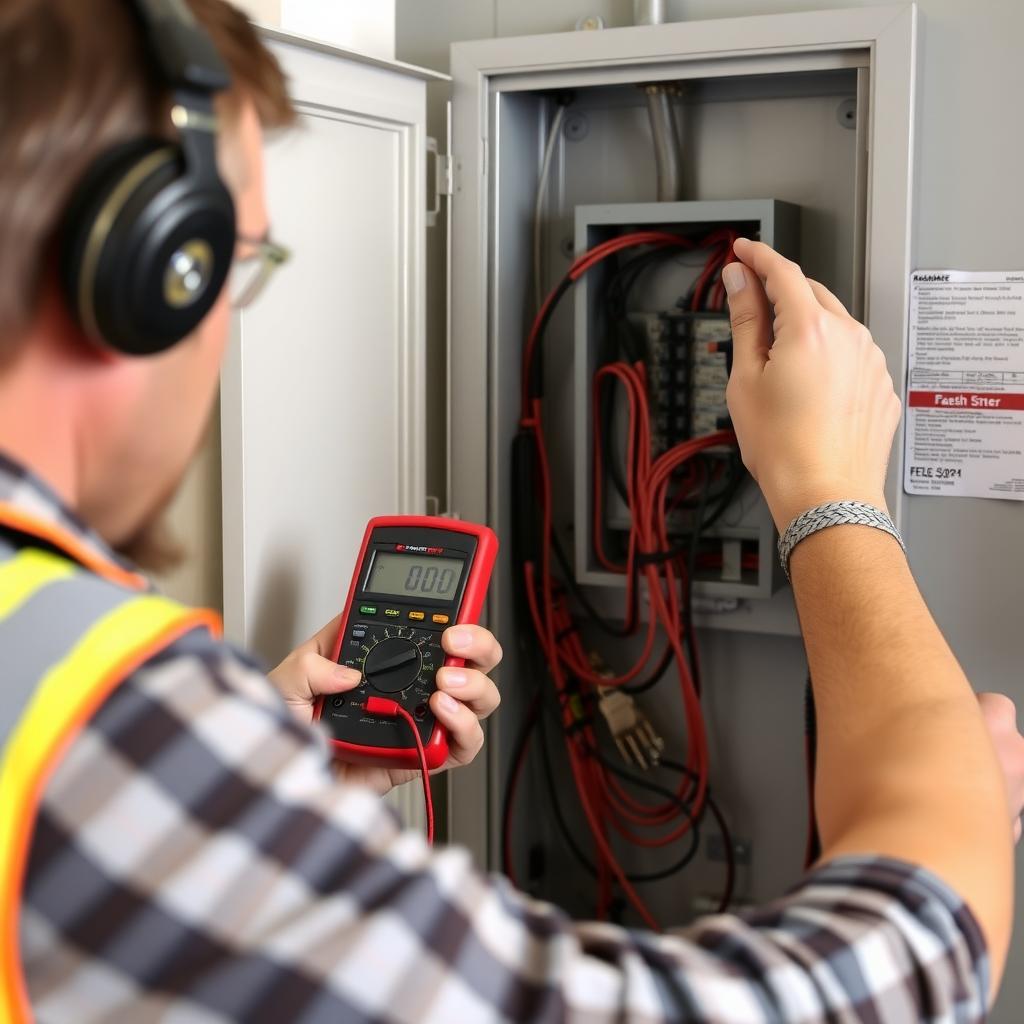
- A Simple Guide to Your Home’s Electrical Setup - This link offers crucial insights for homeowners looking to upgrade their electrical systems and include energy-efficient lamps.
- Safety Practices in Home Electrical Repairs - This resource emphasizes essential safety measures when handling or upgrading electrical fixtures.
- Comprehensive Guide to Electrical Tools - This guide provides information on the tools needed for electrical upgrades.
A cozy living room illuminated by warm LED lights, showcasing the inviting ambiance created by energy-efficient lighting.
A comparison of traditional incandescent bulbs and LED bulbs, highlighting the energy savings and longevity of LED lights.
A smart lighting system in action, with a homeowner controlling the lights using a smartphone app.
Related Energy-Efficient Lighting Options for Your Home:
- The Future of Workshop Tools: Trends to Watch in 2025
- Rotary Tools for Jewelry Making: A Comprehensive Guide
- An In-Depth Guide to Hand Tools for DIY Projects
- Safety Essentials for Construction Work
- Safety Gear Maintenance Tips: A Comprehensive Guide to Workwear and Safety Gear
- Comprehensive Guide to Key Features in Cordless Power Tools
- How to Maintain Your Car's Engine for Longevity
- Safety First: Protecting Yourself and Your Tools
- Green Tools: The Future of Batteries
- Organizing Your Workbench for Maximum Efficiency
- Essential Safety Tips for DIY Electrical Work
- Essential Maintenance Tips for Outdoor Equipment