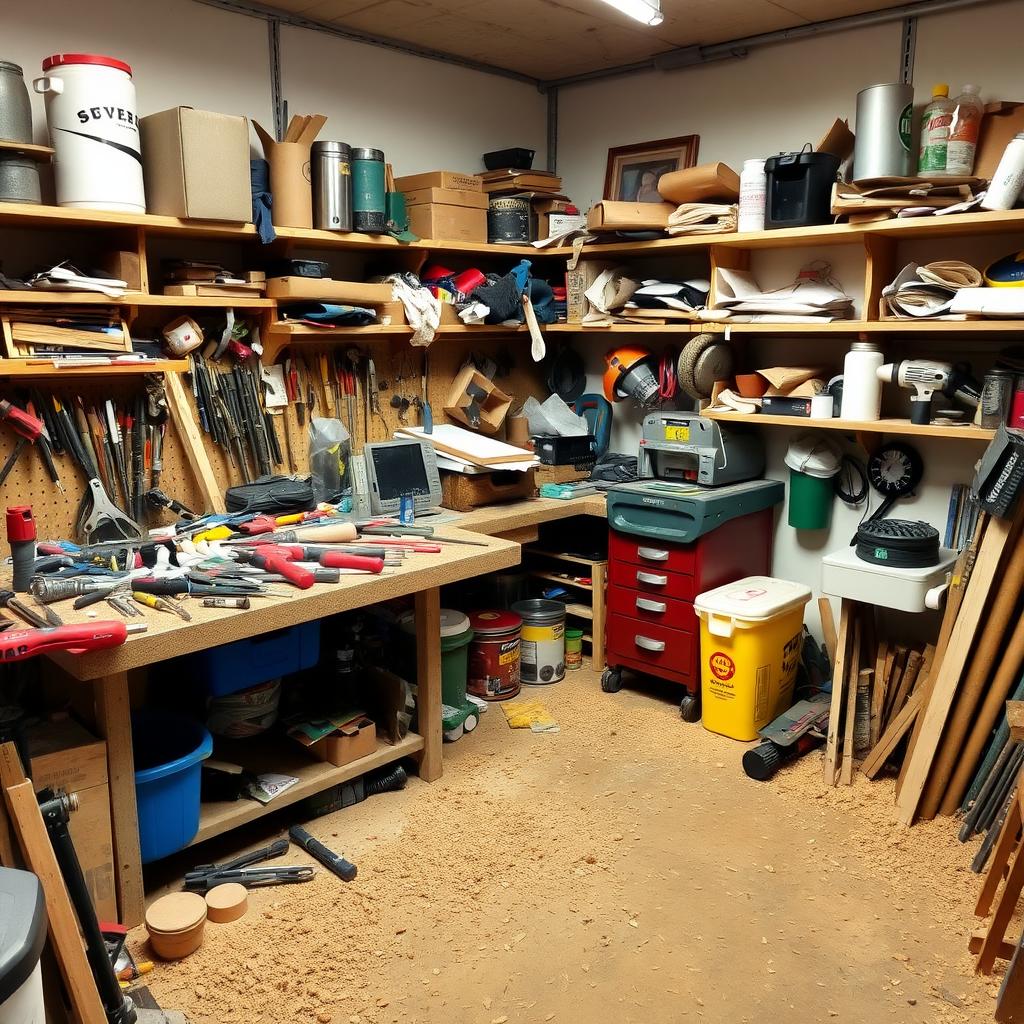
Hand tools are the backbone of any workshop, whether you're a professional craftsman or a weekend DIYer. But without proper storage, even the best tools can become disorganized, damaged, or lost. That's where effective hand tools storage solutions come in. In this article, I'll share my personal experiences and insights on how to store your workman tools efficiently, keeping them accessible, protected, and in top condition.
I learned the hard way that leaving tools scattered around not only makes your workspace chaotic but also shortens the lifespan of your tools. A few years ago, I had a prized set of chisels that I carelessly left in a damp corner of my garage. Within months, they were rusted and nearly unusable. That experience taught me the importance of investing in good storage solutions. Proper storage not only protects your tools from damage but also saves time by keeping everything organized and easy to find.
There are several storage options available, each with its own advantages. Here are the most common ones I've used and recommend:
-
Toolboxes
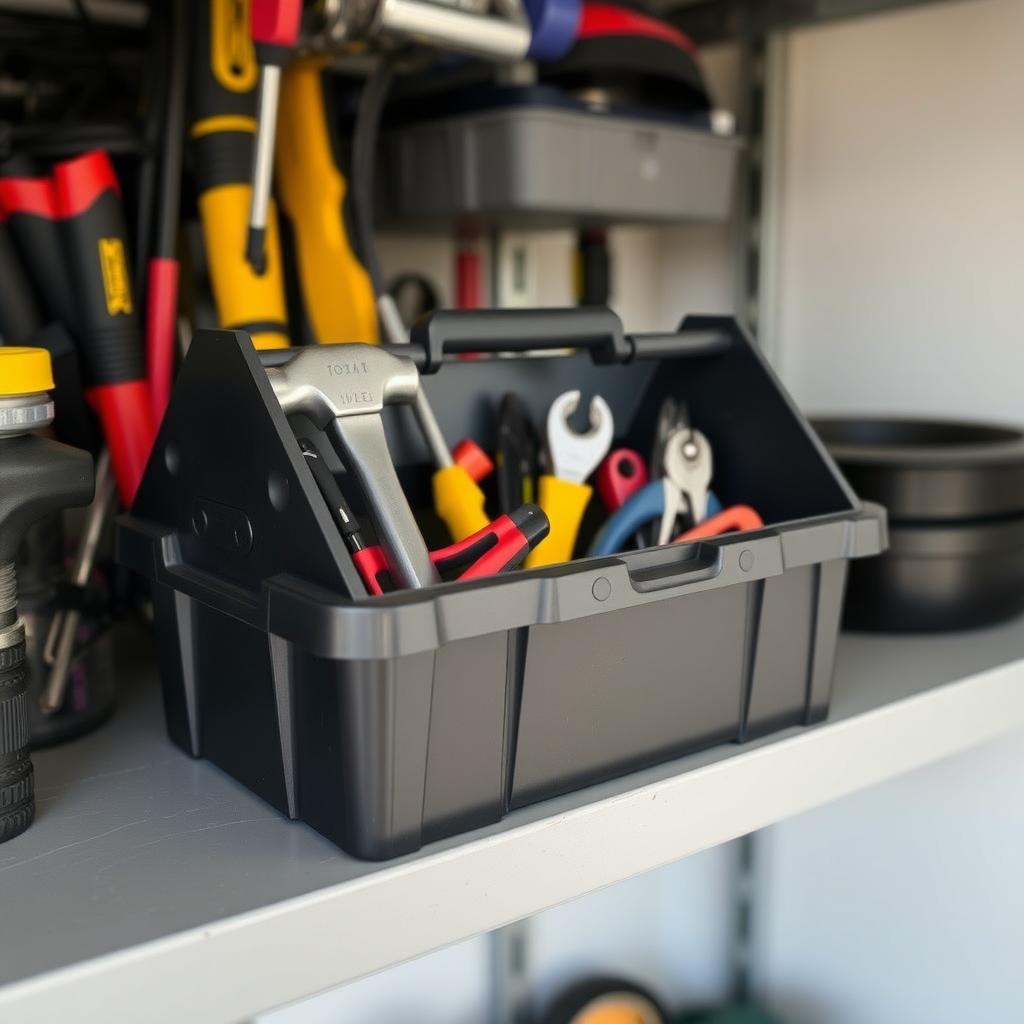
Toolboxes are portable and versatile, making them ideal for professionals who need to take their tools on the go. I prefer metal toolboxes for their durability, but plastic ones are lighter and often more affordable. Look for toolboxes with multiple compartments to keep small tools like screws and nails separate from larger items. -
Tool Chests
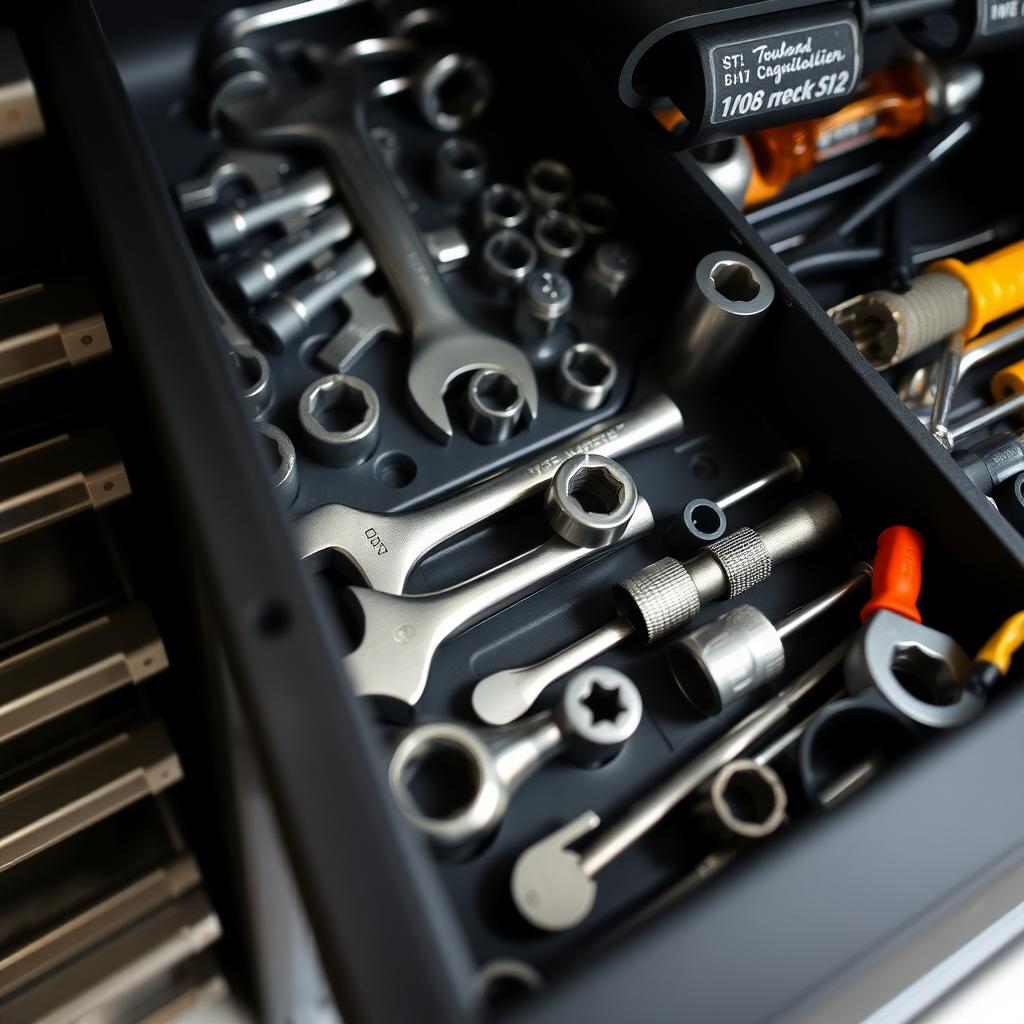
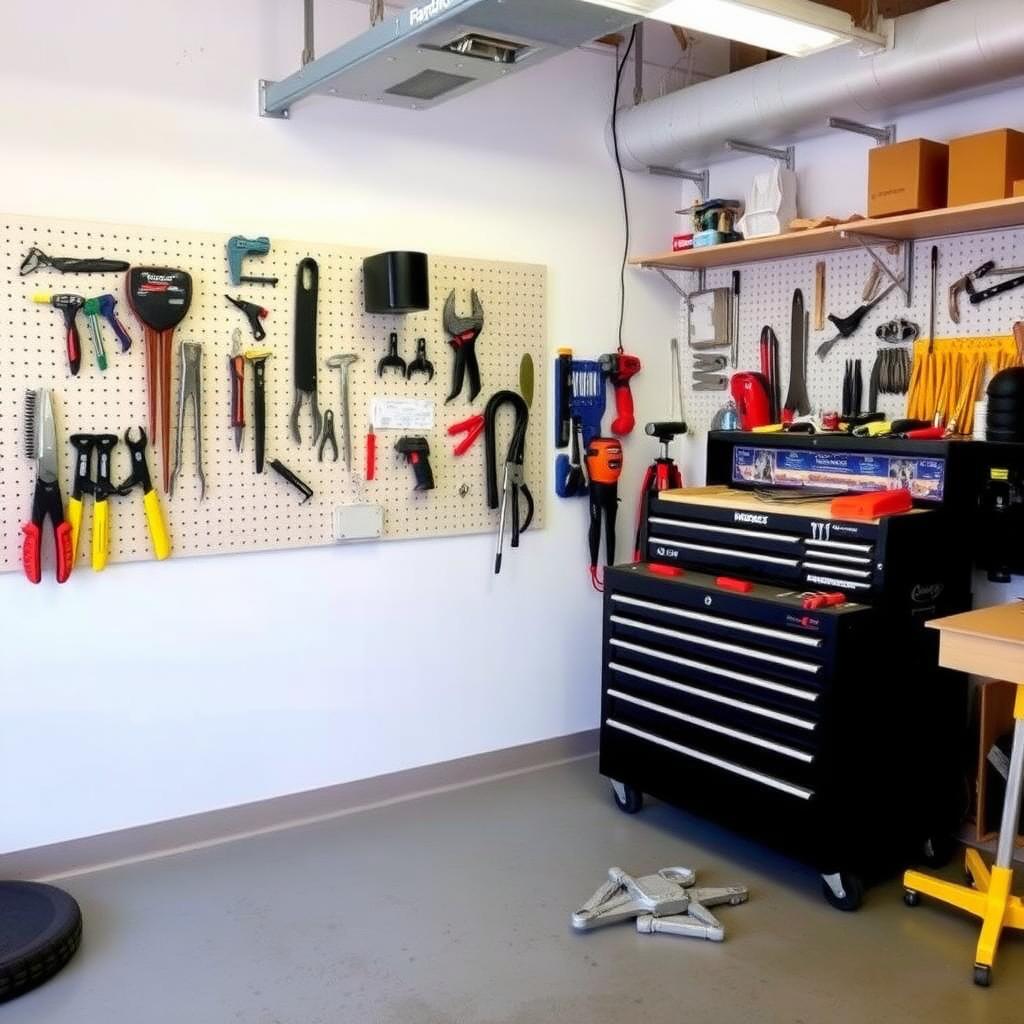
For larger collections, tool chests offer more space and better organization. I have a rolling tool chest in my workshop that allows me to categorize my tools by type—wrenches in one drawer, pliers in another. This setup has been a game-changer for efficiency. -
Pegboards
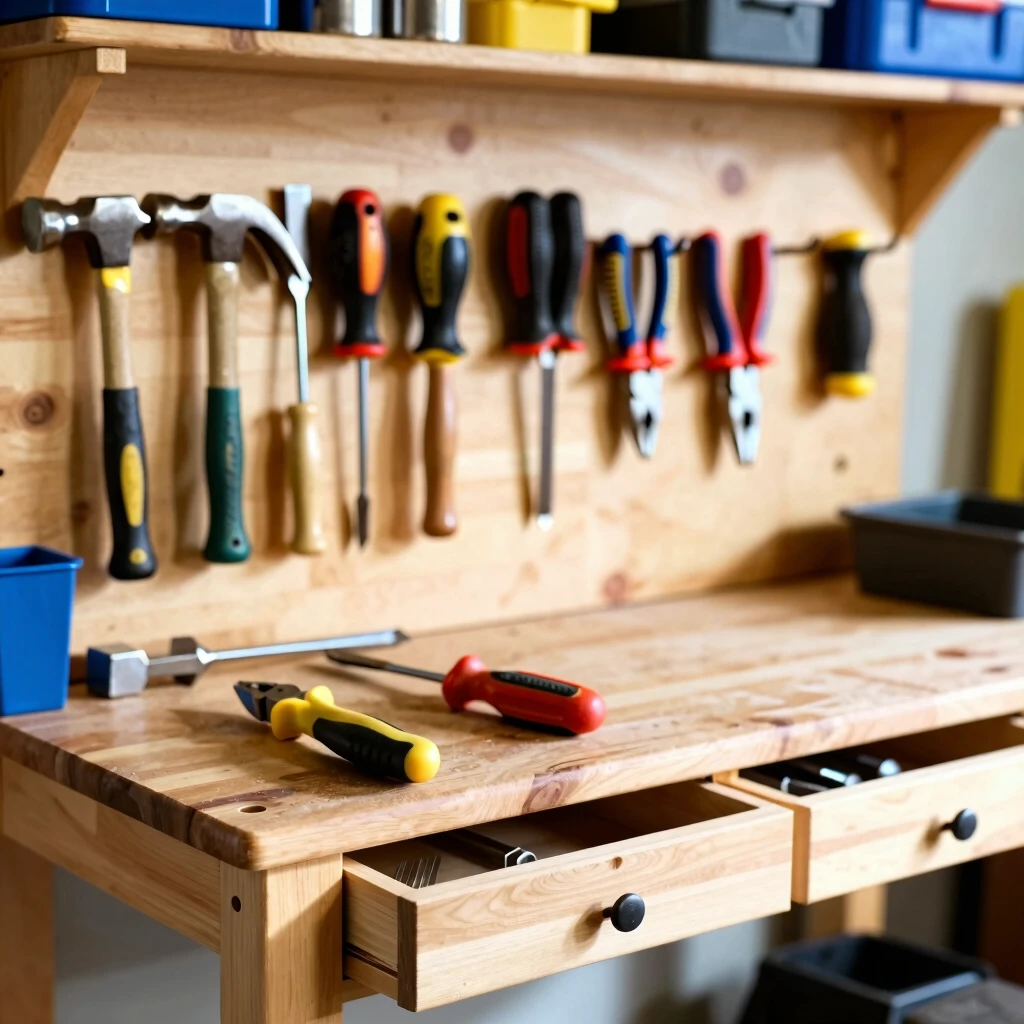
Pegboards are a fantastic way to keep frequently used tools within arm's reach. I installed a pegboard above my workbench, and it's now home to my hammers, screwdrivers, and measuring tapes. The best part? You can easily rearrange the layout as your tool collection grows. -
Wall-Mounted Systems
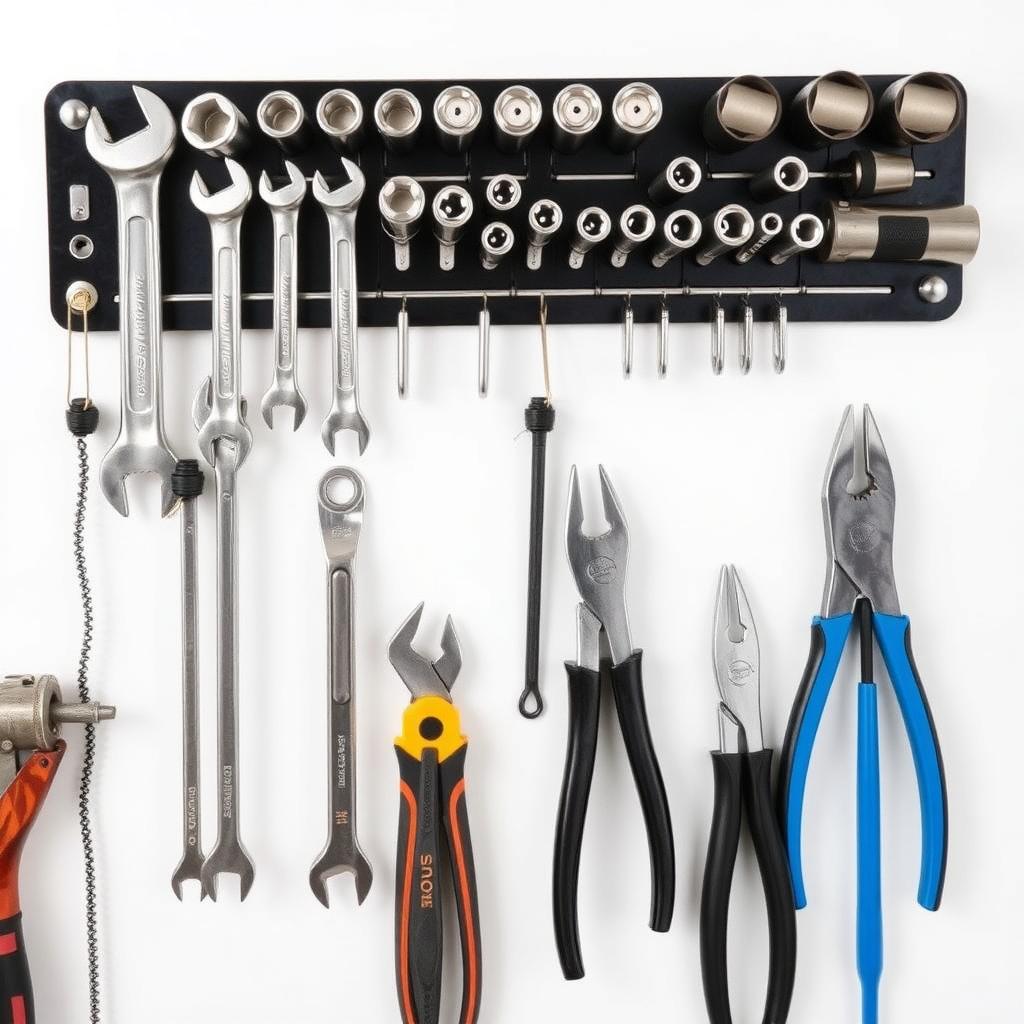
If floor space is limited, wall-mounted systems are a great solution. I've used magnetic strips to hold metal tools like wrenches and sockets. They're not only space-saving but also make it easy to grab what you need quickly.
Each of these solutions has its pros and cons, but the key is to choose one that fits your specific needs. For example, if you're a homeowner with a small set of tools, a simple toolbox might suffice. But if you're a professional with a vast collection, a combination of a tool chest and pegboard could be more effective.
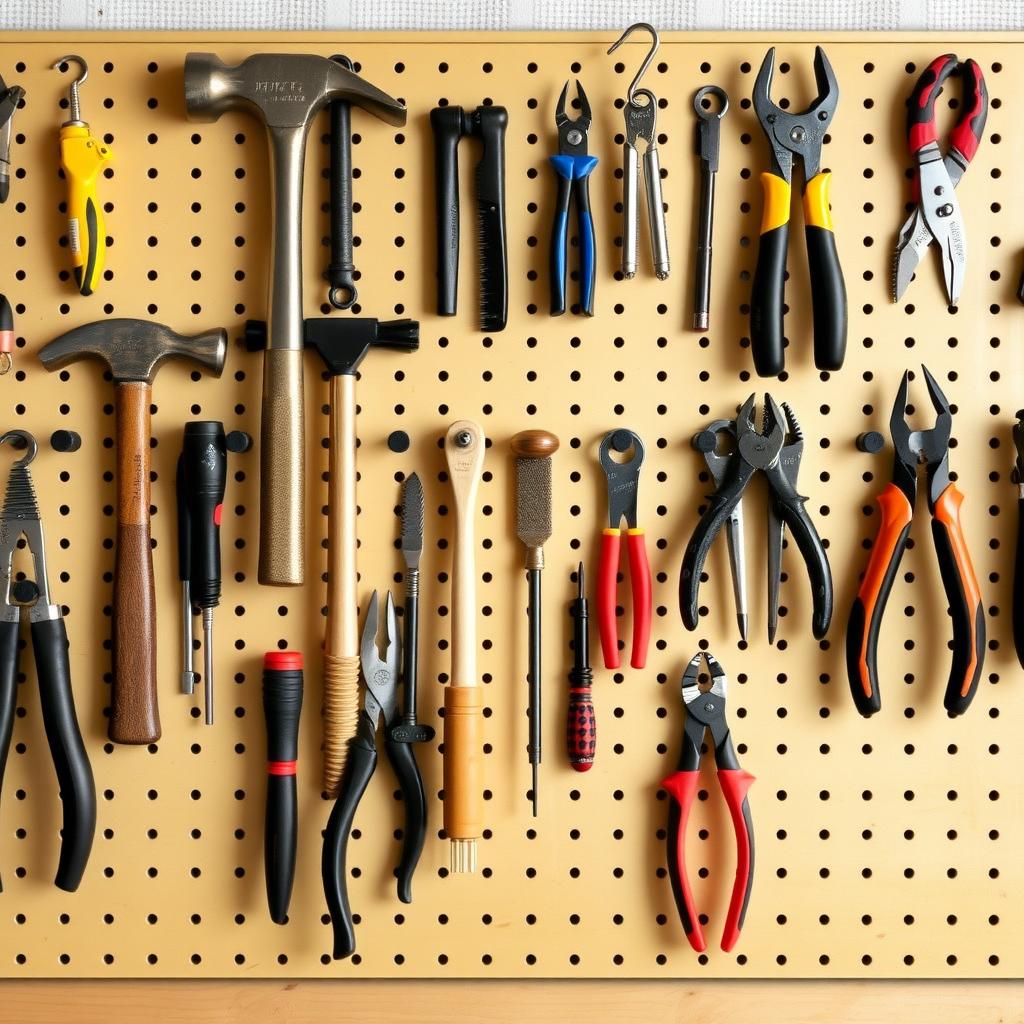
Once you've chosen a storage solution, the next step is organizing your tools within it. I've found that categorizing tools by type, size, or frequency of use works best. For instance, in my tool chest, I dedicate one drawer to cutting tools like saws and chisels, another to fastening tools like wrenches and screwdrivers, and a third to measuring tools like tape measures and levels.
Maximizing space is also crucial, especially if you have a large collection. I use drawer dividers to keep small items like drill bits and nails from getting lost. Labeling each drawer or section can also save time when you're in the middle of a project and need to find a specific tool quickly.
Different users have different storage requirements. As a DIY enthusiast, I don't need the same level of organization as a professional craftsman, but I still want my tools to be easily accessible. For homeowners with limited space, a compact toolbox or a small pegboard might be sufficient. On the other hand, professionals might require a more robust system, like a large tool chest combined with wall-mounted storage.
One thing I've noticed is that no matter your level of expertise, investing in quality storage solutions pays off in the long run. Not only do they protect your tools, but they also make your workspace more efficient and enjoyable to use.
Proper storage is just one part of keeping your tools in good condition. Regular maintenance is equally important. I make it a habit to clean my tools after each use and apply a light coat of oil to metal parts to prevent rust. For wooden handles, a quick wipe with a damp cloth keeps them from drying out and cracking.
Another tip is to store tools in a dry, climate-controlled environment. Moisture is the enemy of metal tools, so if your workshop is prone to humidity, consider using silica gel packs in your toolboxes or chests to absorb excess moisture.
For more detailed advice on tool maintenance, I recommend checking out this guide from the National Institute for Occupational Safety and Health (NIOSH), which provides excellent tips on keeping your tools in top shape.
To help you choose the right storage solution, I've put together a simple comparison table:
| Storage Type | Portability | Capacity | Cost | Best For |
|---|---|---|---|---|
| Toolbox | High | Low | Low | Homeowners, DIYers |
| Tool Chest | Low | High | High | Professionals, large collections |
| Pegboard | None | Medium | Medium | Workshops with limited floor space |
| Wall-Mounted Systems | None | Low | Low | Small tool collections, quick access |
This table should give you a quick overview of which option might suit your needs best. For example, if you need to transport your tools frequently, a toolbox is the way to go. But if you have a dedicated workshop, a tool chest or pegboard might be more practical.
One thing I've learned over the years is that accessibility is just as important as organization. There's no point in having a perfectly organized tool chest if you can't quickly find what you need. That's why I always arrange my tools in a way that makes sense for how I work. For instance, I keep my most frequently used tools, like screwdrivers and pliers, in the top drawers of my tool chest or on the most accessible hooks of my pegboard.
I also make sure to leave some empty space in my storage solutions. This allows me to add new tools without having to reorganize everything. It's a small tip, but it saves a lot of hassle in the long run.
While it might be tempting to skimp on storage solutions, I've found that investing in quality pays off. Cheap toolboxes can break easily, and poorly made pegboards can sag under the weight of your tools. I once bought a budget tool chest that looked great online but fell apart after a few months of use. Since then, I've learned to prioritize durability over price.
If you're serious about your tools, consider storage solutions from reputable brands. For example, this article from the University of Missouri Extension offers great advice on choosing quality tool storage options.
Proper storage of your hand tools is not just about keeping your workshop tidy—it's about protecting your investment and making your work more efficient. Whether you opt for a simple toolbox or a full-fledged tool chest, the key is to choose a solution that fits your needs and keeps your tools organized and accessible.
In my experience, the best hand tools storage solutions are those that evolve with your collection. Start with what you need now, but leave room for growth. And remember, a well-organized workspace is a productive workspace.
Related hand tools storage solutions:
- How to Maintain Hand Tools Effectively: A Complete Guide for Everyday Use
- Top 10 DIY Projects for Beginners: A Comprehensive Guide
- Safety Tips for DIY Plumbing Projects: A Comprehensive Guide
- The Beginner's Guide to Woodworking: Essential Tips for Workshop Enthusiasts
- Organizing Tools in a Small Workshop: A Comprehensive Guide
- Top 10 DIY Projects for Beginners
- Workman Tools: A Review of Affordable Quality
- Choosing the Best Paint for Your Home: A Comprehensive Guide
- Electrical Tools for Wiring and Installations: A Comprehensive Guide
- DIY Organizer Ideas for Your Workshop
- Energy-Efficient Lighting Options for Your Home
- The Future of Workshop Tools: Trends to Watch in 2025