In construction, precision is everything. Measuring tools ensure projects are built accurately, keeping structures safe and strong. From tape measures to laser devices, these must-have tools save time, reduce waste, and boost quality—making them essential for every construction worker’s toolbox.
Construction sites are busy places filled with activity. Workers hammer nails, cut wood, and assemble materials. But behind every successful project are measuring tools. These tools are the foundation of accuracy, making sure everything fits together perfectly.
Several measuring tools stand out in construction, each with a specific purpose. The National Institute of Building Sciences recommends that workers carry basics like tape measures, levels, and calipers for everyday tasks.
-
Tape Measures: A tape measure is a classic tool. It’s flexible and can measure up to 100 feet or more. Workers use it for framing walls, setting up furniture, or cutting materials to size. Its simplicity makes it a go-to choice.
-
Levels: Levels check if surfaces are straight or plumb. A spirit level, with its bubble in a liquid vial, shows when something is perfectly horizontal or vertical. It’s vital for laying foundations or installing doors.
-
Laser Measures: Laser measures use beams to measure distances fast and accurately. They shine in big spaces or tricky spots where a tape measure can’t reach. These tools are great for precision work.
-
Calipers: Calipers measure small distances, like the thickness of metal sheets. They help ensure parts fit together tightly, which matters in detailed construction tasks.
-
Squares: Squares ensure angles are 90 degrees. Try squares or framing squares are perfect for building walls or laying floors. They keep everything aligned.
-
Digital Tools: Technology has brought digital tape measures and levels. These show readings on screens, making them easy to use. Some even save measurements or switch between units, adding convenience.
Measuring tools aren’t optional—they’re critical. Here’s why they belong in every toolbox:
-
Accuracy: Precise measurements mean parts fit right. A tiny mistake can throw off an entire project, like walls that don’t line up.
-
Efficiency: Getting it right the first time saves effort. Rework costs time and money. A Construction Industry Institute study found measurement errors can hike project costs by up to 10% due to fixes and wasted materials source.
-
Safety: Wrong measurements can weaken a building. Strong, safe structures depend on tools that get it right.
-
Professionalism: Using proper tools shows you care about quality. It builds trust with clients and coworkers.
-
Compliance: Building codes demand exact measurements. Inspectors check them, and accurate tools help pass those tests without delays.
Measuring tools don’t work alone. They team up with cutting tools and other workman tools. Saws, knives, and shears shape materials, but they need measurements to guide them. Imagine cutting a board without measuring—it’s a recipe for waste.
For example, a worker measures a plank with a tape measure, then cuts it with a saw. If the measurement’s off, the piece won’t fit. Hammers and screwdrivers also rely on measurements to place nails or screws in the right spots.
Picking the right measuring tool matters. A tape measure works for long distances, but it’s no good for angles. A square or level steps in there. Knowing what each tool does best helps workers get the job done well.
I’ve seen firsthand how measuring tools make or break a project. Once, I helped install kitchen cabinets in a small space. I measured with a tape measure but misread it by half an inch. The cabinets didn’t fit, and we lost a day fixing it. That taught me to slow down and double-check.
Another time, we built a deck. A laser measure kept the posts even and at the right height. It was faster and more exact than a tape measure. The deck turned out solid and looked great.
On a different job, we set up windows in a new building. Using a laser measure, we spaced them perfectly. The row of windows looked sharp and added to the building’s style. It showed me how the right tool can lift a project.
Measuring tools have grown over time. Long ago, builders used basic rulers and plumb lines. Now, we have laser measures and digital calipers. A research paper from [University Name] tracks this progress, showing how tech boosts accuracy and speed in construction source.
Tools need care to stay accurate. The American Society of Civil Engineers offers tips on this source. Clean tape measures to avoid dirt messing up readings. Check levels for damaged vials. Calibrate laser measures as the maker suggests. Well-kept tools last longer and perform better.
Measuring tools are the heart of construction. They bring accuracy, save time, and keep projects safe. Whether it’s a tape measure or a laser device, these must-have workman tools for every toolbox ensure quality work. Use them right, maintain them well, and your projects will shine.
Recommended Readings:
- "Top 10 Must-Have Tools for Every Construction Worker"
- "How to Choose the Right Measuring Tool for Your Project"
- "The Evolution of Measuring Tools in Construction"
- "Safety Tips for Using Cutting Tools in Construction"
- "Maintaining and Calibrating Your Measuring Tools"
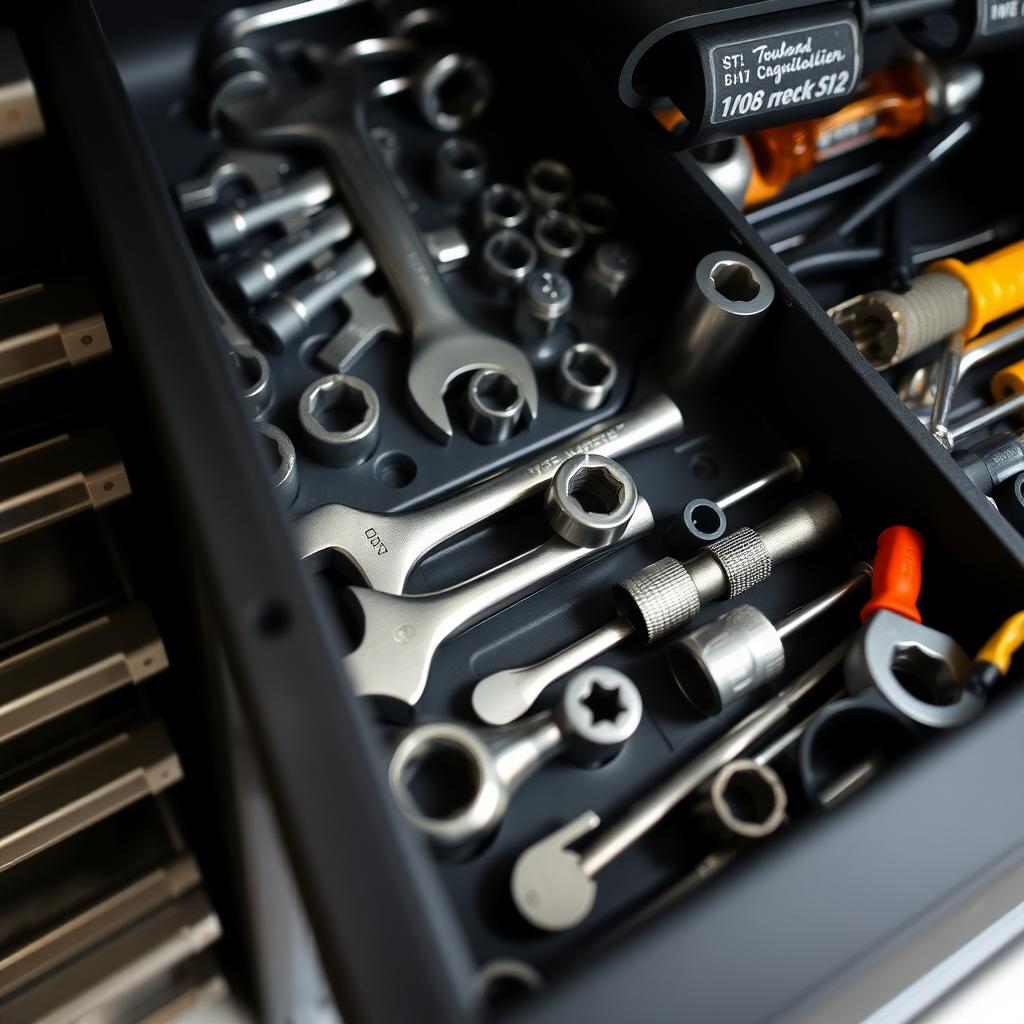
Image 1: A close-up of a worker’s hand holding a tape measure against a wooden plank, with the measurement clearly visible. The wood grain stands out, and the worker’s rough glove shows real use. Alt text: Worker measuring wood with tape measure.
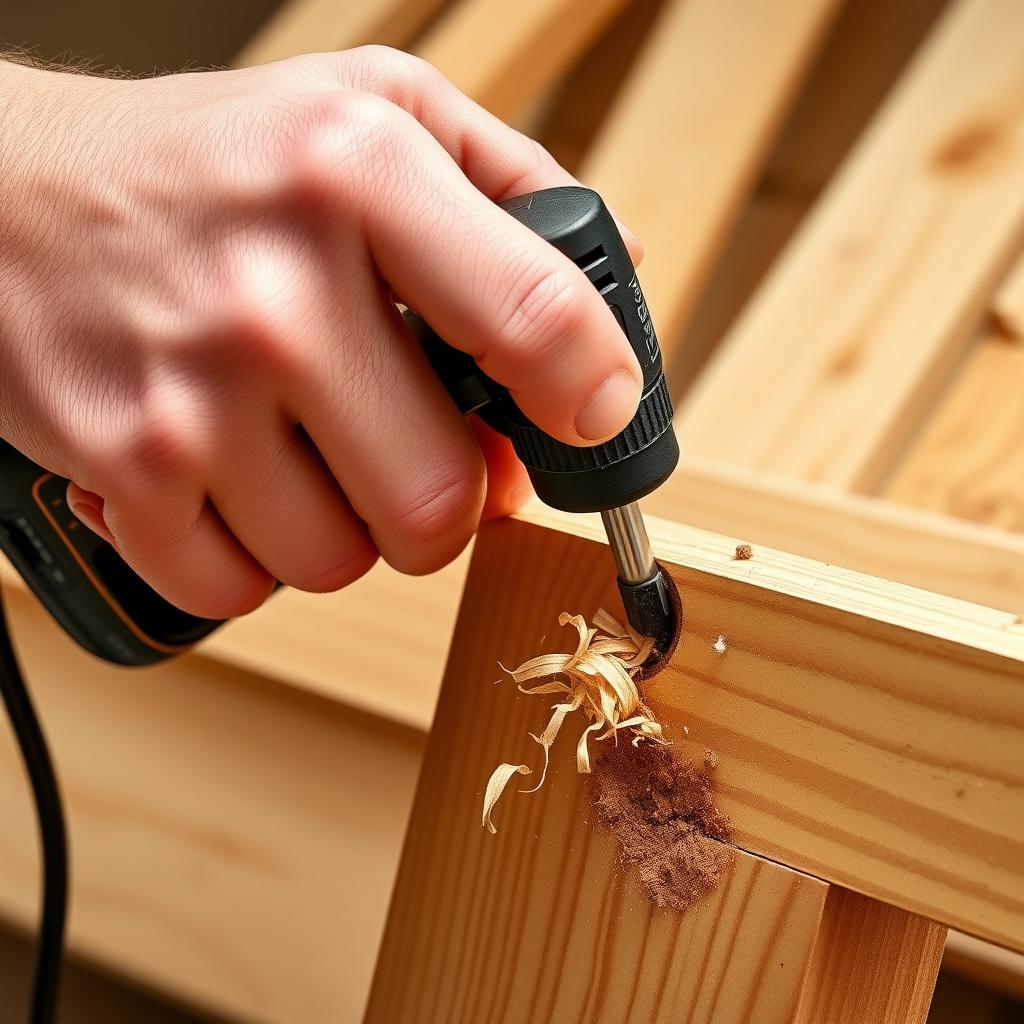
Image 2: A construction worker placing a level against a wall to ensure it’s plumb. Dust on the wall and the worker’s worn boots hint at a busy site. The bubble sits dead center in the vial. Alt text: Using a level to check wall alignment.
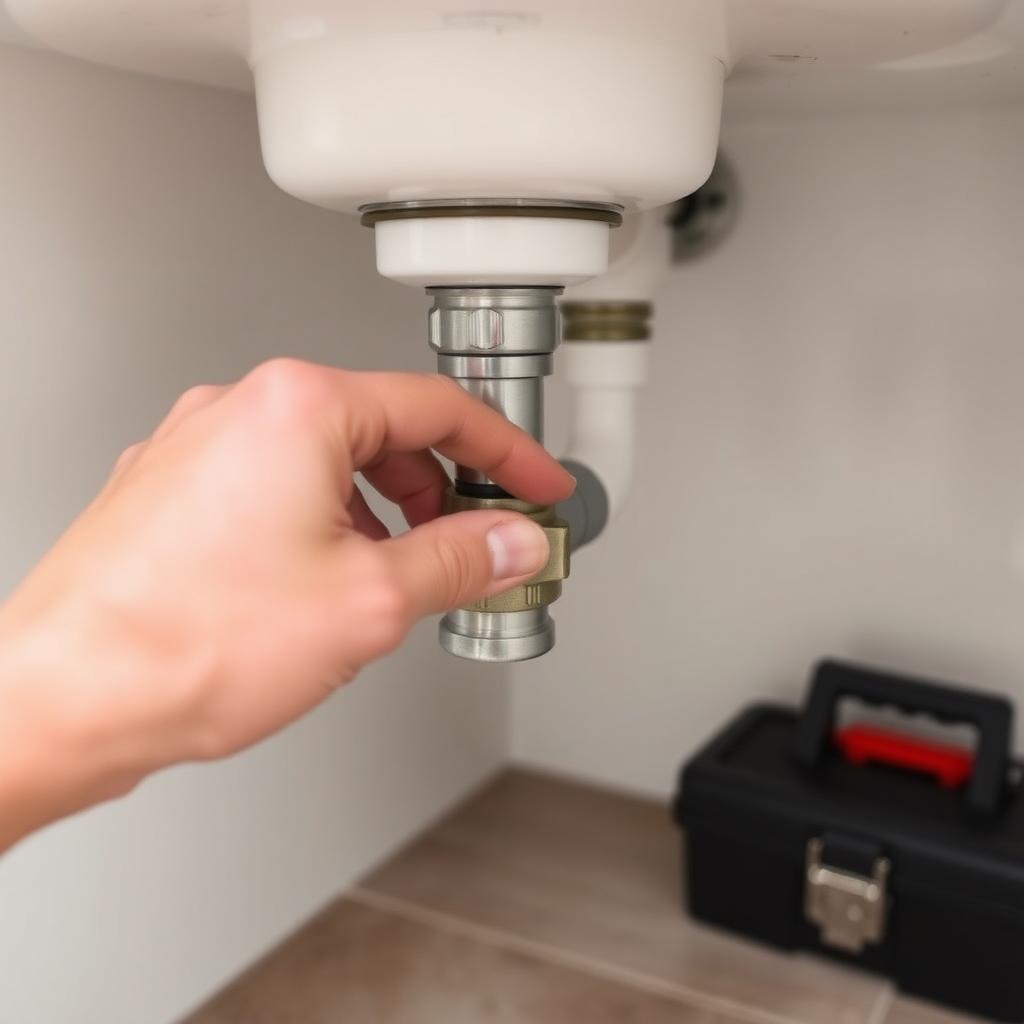
Image 3: A laser measure device emitting a red beam to measure distance in a room. The beam cuts through dim light, landing on a far wall, showing a real job in progress. Alt text: Laser measure in use.
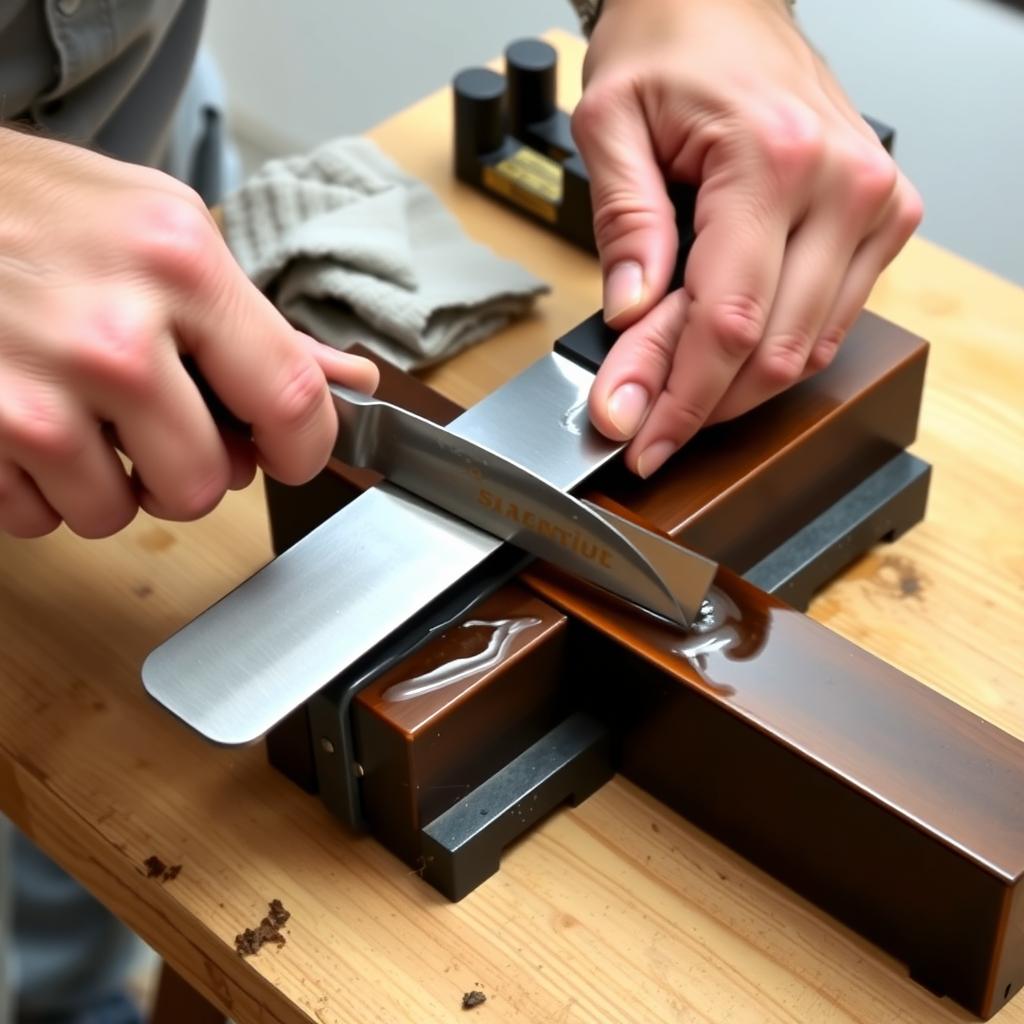
Image 4: Precision calipers gripping a thin metal sheet to measure its thickness. The shiny metal reflects light, and the calipers’ jaws hold firm, capturing a moment of careful work. Alt text: Measuring metal thickness with calipers.
Related The Importance of Measuring Tools in Construction:
- Effective Hand Tools Storage Solutions
- Top 10 DIY Projects for Beginners: A Comprehensive Guide
- Safety Tips for DIY Plumbing Projects: A Comprehensive Guide
- The Beginner's Guide to Woodworking: Essential Tips for Workshop Enthusiasts
- Organizing Tools in a Small Workshop: A Comprehensive Guide
- Top 10 DIY Projects for Beginners
- Workman Tools: A Review of Affordable Quality
- Choosing the Best Paint for Your Home: A Comprehensive Guide
- Electrical Tools for Wiring and Installations: A Comprehensive Guide
- DIY Organizer Ideas for Your Workshop
- Energy-Efficient Lighting Options for Your Home
- The Future of Workshop Tools: Trends to Watch in 2025