Overview
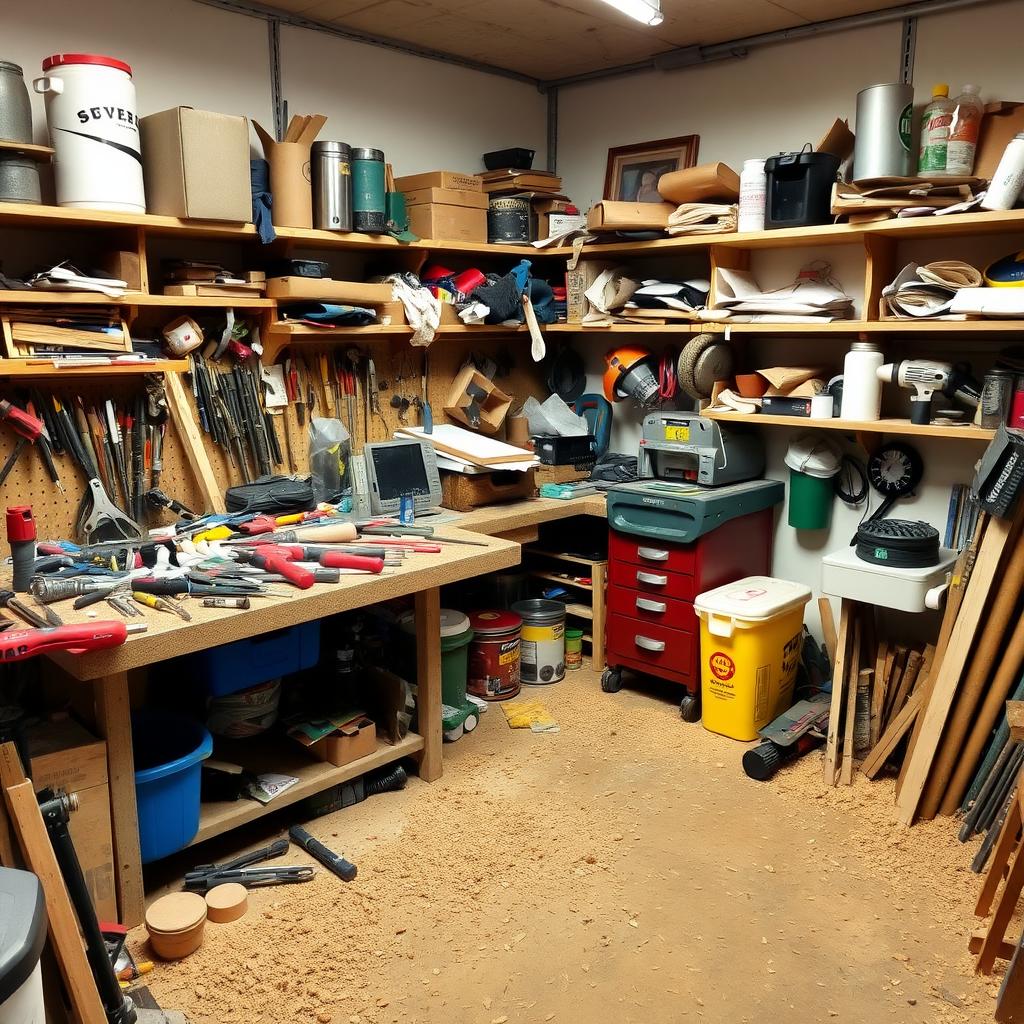
Working in a small space can be a challenge, especially when it comes to organizing your tools. But with the right system, you can maximize your efficiency and make the most of your workspace. In this article, we’ll explore how to organize workman tools in a small space, with a focus on painting tools and other essential workman tools.
Categorizing Your Tools for Maximum Efficiency
One of the first steps in organizing your tools is to categorize them. This is especially important in a small space where you need to make the most of limited storage. For painting tools, this might mean separating brushes, rollers, and other accessories. For workman tools, you can categorize by function, such as cutting tools, measuring tools, and fastening tools.
Here’s how you can start:
- Painting Tools: Group brushes by size and type (e.g., flat, angled), store rollers separately, and keep accessories like painter’s tape and drop cloths in their own designated spot.
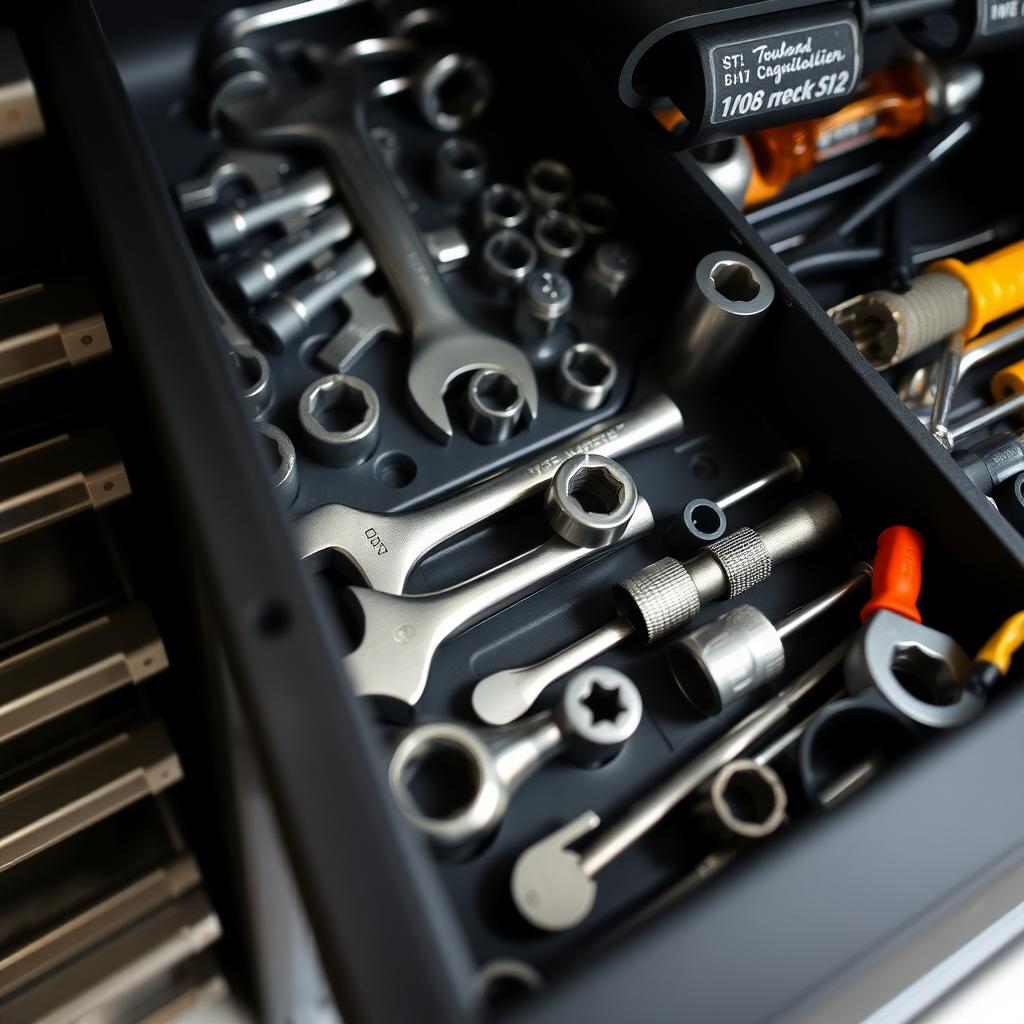
- Workman Tools: Organize by function—keep all cutting tools (saws, utility knives) together, measuring tools (tape measures, levels) in another section, and fastening tools (hammers, screwdrivers) in yet another.
By categorizing your tools, you create a system where everything has its place, making it easier to find and return items after use.
Image Paragraph
A well-organized tool wall with pegboards and shelves, showcasing a variety of workman tools neatly arranged. The pegboard holds hammers, screwdrivers, and wrenches on hooks, while the shelves store paint cans, power tools, and labeled bins for smaller items. The setup is clean, efficient, and maximizes vertical space.
Alt text: "Organized tool wall with pegboards and shelves."
Tips for Maintaining Your Organized Space
Once you’ve set up your organization system, the key is to maintain it. Here are some tips to keep your small space clutter-free:
- Return tools to their designated spot after each use. This simple habit prevents clutter from building up.
- Regularly declutter. Every few months, go through your tools and remove anything you no longer need or use.
- Adjust your system as needed. As your tool collection grows or changes, don’t be afraid to rearrange your storage solutions.
- Use labels and color-coding. Labels make it easy to find and return items, while color-coding can help you quickly identify different categories of tools.
By staying consistent with these habits, you’ll ensure that your small space remains organized and efficient.
Comparing Storage Options: Shelves vs. Pegboards vs. Toolboxes
When it comes to organizing workman tools in a small space, choosing the right storage solution is key. Here’s a quick comparison of three popular options:
| Storage Option | Pros | Cons |
|--------------------|----------|----------|
| Shelves | - Great for larger items
- Can be adjusted for different heights
- Sturdy and durable | - Take up wall space
- Not ideal for small tools |
| Pegboards | - Highly customizable
- Ideal for hanging tools
- Easy to rearrange | - Limited to wall space
- Not suitable for heavy items |
| Toolboxes | - Portable and versatile
- Can store a variety of tools
- Protects tools from dust and damage | - Can be bulky in a small space
- Tools may get jumbled if not organized properly |
Each option has its strengths, so consider combining them for the best results. For example, use shelves for larger tools, a pegboard for frequently used hand tools, and a toolbox for items you need to take on the go.
Image Paragraph
A close-up of categorized painting tools in a small space. Brushes are neatly hung on a pegboard, rollers are stored vertically in a custom holder, and accessories like painter’s tape and stir sticks are organized in labeled bins. The setup is compact yet efficient, perfect for a small workspace.
Alt text: "Categorized painting tools in a small space."
Recommended Readings
- "10 Creative Storage Solutions for Small Workspaces"
- "The Ultimate Guide to Tool Maintenance"
- "Maximizing Efficiency in a Small Workshop"
Why Organization Matters
An organized workspace changes everything. It saves you time, cuts down on stress, and helps you get more done. When your tools are easy to find, you can jump right into your work instead of hunting for that one screwdriver. In a small space, this is even more important—clutter can take over fast, leaving you no room to move.
Organizing workman tools in a small space isn’t just about being neat. It’s about setting yourself up to work smarter. Whether you’re painting a wall or fixing a shelf, having a plan for your tools makes every job smoother.
Image Paragraph
A close-up of a small workbench with painting tools sorted out. Brushes hang on hooks, sorted by size, while rollers sit upright in a homemade holder made from PVC pipe. Nearby, a small bin holds painter’s tape and stir sticks, all labeled clearly. It’s simple, real, and works in tight quarters.
Alt text: "Sorted painting tools on a small workbench."
Image Paragraph
A real tool wall in a tiny garage, showing a pegboard packed with workman tools. Hammers, pliers, and a tape measure hang on hooks, while a shelf above holds a drill and some paint cans. It’s not fancy—just a practical setup that keeps everything in reach.
Alt text: "Tool wall with pegboard and shelf in a small garage."
Keep It Together Over Time
Setting up is one thing; keeping it that way is another. Here’s how to stay on top of it:
- Put tools back right away. It takes two seconds and stops the mess from growing.
- Check every few months. Toss out tools you don’t use anymore.
- Tweak as you go. If you get new stuff, shift things around to fit.
- Label everything. A quick label or even some colored tape helps you spot what’s what.
Stick with these, and your small space stays workable.
Picking the Right Storage
Not sure what storage to use? Here’s a breakdown:
| Option | Good For | Not So Great For |
|----------------|-------------------------------|----------------------------|
| Shelves | Big tools, paint cans | Tiny screws or bits |
| Pegboards | Hand tools, brushes | Heavy power tools |
| Toolboxes | Taking tools to a job | Storing lots in one spot |
Mix and match these. I use a pegboard for quick grabs, shelves for bulky stuff, and a toolbox when I’m heading out. It’s all about what fits your space and habits.
Image Paragraph
A tight nook with painting tools in order. Brushes dangle from a pegboard, bristles down, while rollers stand tall in a PVC pipe holder screwed to the wall. A small bin nearby holds tape and cloths, all labeled with a marker. It’s a no-frills, real-life solution.
Alt text: "Painting tools organized in a tight nook."
Recommended Readings
- "10 Creative Storage Solutions for Small Workspaces"
- "The Ultimate Guide to Tool Maintenance"
- "Maximizing Efficiency in a Small Workshop"
- "DIY Storage Hacks for Tight Spaces"
- "How to Declutter Your Workspace for Good"
This guide gives you everything you need to tackle organizing workman tools in a small space. From painting tools to hammers, it’s all about making your space work for you. For more ideas, check out resources like The Family Handyman or dig into the recommended readings above.
Related organizing workman tools in a small space:
- The Best Power Tools for Woodworking
- The Best Ergonomic Tools for Home Projects
- The Importance of Measuring Tools in Construction
- Effective Hand Tools Storage Solutions
- Top 10 DIY Projects for Beginners: A Comprehensive Guide
- Safety Tips for DIY Plumbing Projects: A Comprehensive Guide
- The Beginner's Guide to Woodworking: Essential Tips for Workshop Enthusiasts
- Organizing Tools in a Small Workshop: A Comprehensive Guide
- Top 10 DIY Projects for Beginners
- Workman Tools: A Review of Affordable Quality
- Choosing the Best Paint for Your Home: A Comprehensive Guide
- Electrical Tools for Wiring and Installations: A Comprehensive Guide