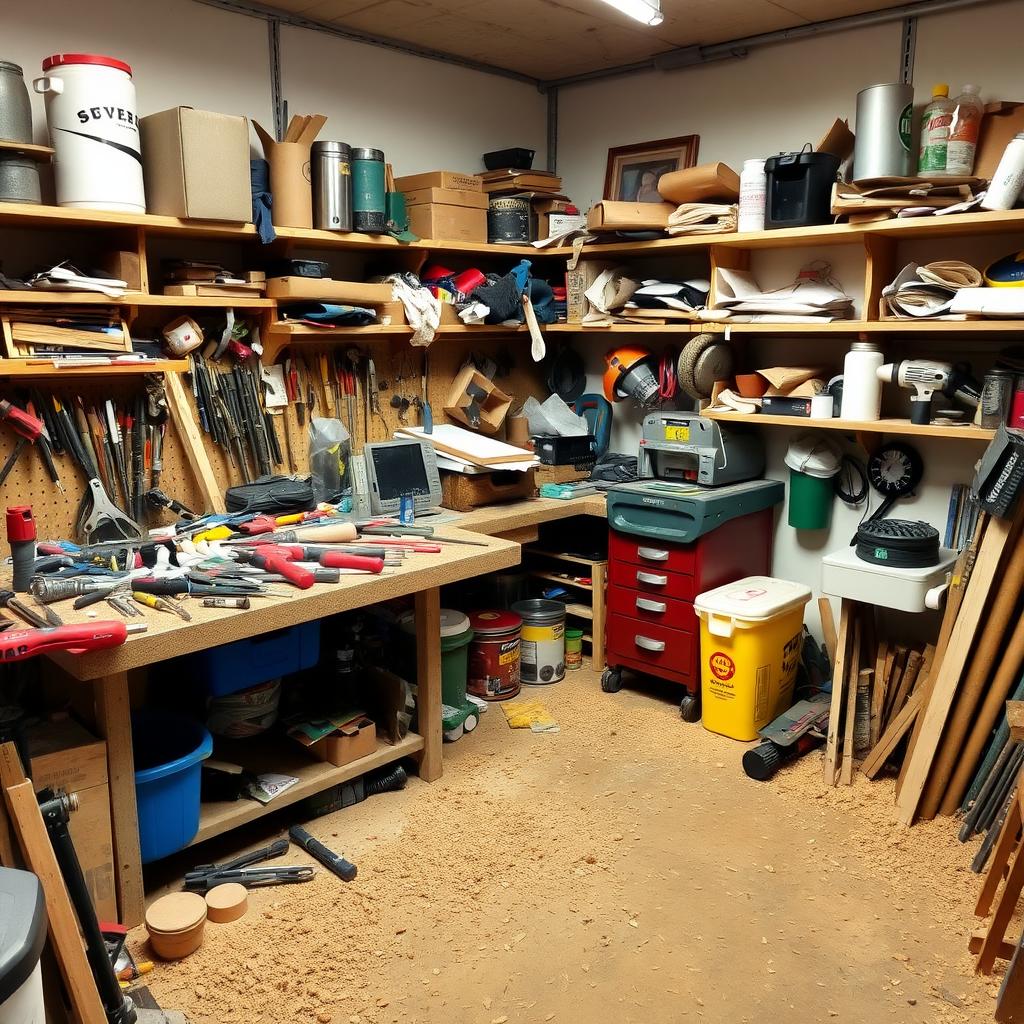
Woodworking is a craft that combines creativity with precision. The right power tools can turn a good project into a great one. Whether you’re crafting furniture, fixing up your home, or working on a construction site, your tools matter. They affect the quality of your work and how much you enjoy the process. In this article, I’ll share my take on the best power tools for woodworking, based on years of hands-on experience. We’ll cover the top 10 must-have tools for every construction worker, tips for choosing the right tools for your construction project, and maintenance tips for workman tools. Let’s dive in.
Every woodworker needs a solid set of tools. These power tools are the backbone of any workshop. They help you cut, shape, and finish wood with ease. Here’s my list of essentials:
-
Table Saw: This is the king of woodworking tools. It makes straight cuts like a champ. With the right setup, it can even cut grooves or trim edges. I use mine for almost every project—it’s that versatile.
-
Miter Saw: Need clean, angled cuts? A miter saw is your answer. It’s perfect for framing or trimming. Its precision saves time and effort.
-
Circular Saw: This tool is portable and powerful. It’s great for cutting big sheets of wood or working outside. I always bring one to outdoor jobs.
-
Jigsaw: For curves and fancy shapes, a jigsaw shines. It’s light and easy to control, even on tricky cuts.
-
Router: Want to add some style? A router makes decorative edges and joints. It’s a must for detailed work like cabinets.
-
Orbital Sander: Sanding by hand takes forever. An orbital sander smooths wood fast and leaves no marks. It’s key for a polished look.
-
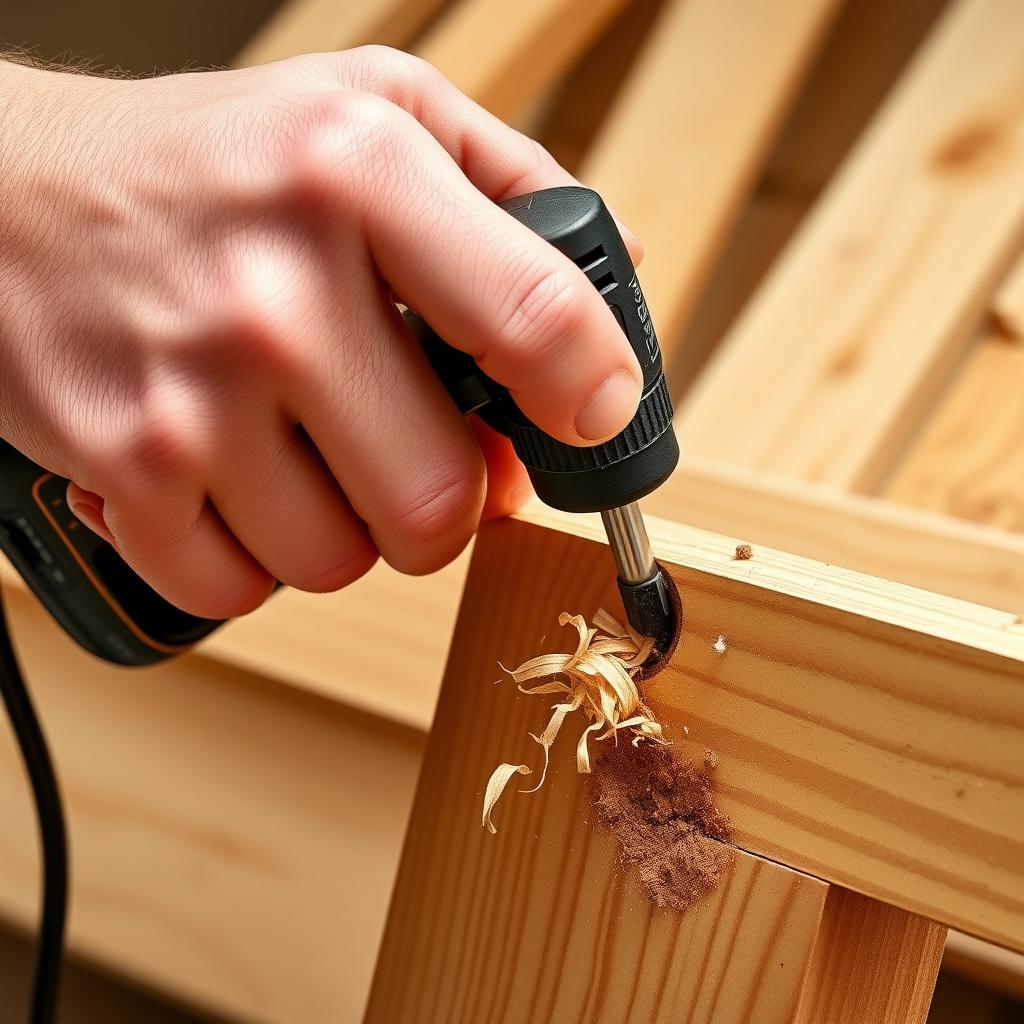
Power Drill: This does it all—drilling holes, driving screws, you name it. I love a cordless one for freedom of movement.
-
Planer: Working with rough wood? A planer flattens it out. It keeps everything even and smooth.
-
Nail Gun: Speed up fastening with a nail gun. It’s awesome for framing or attaching trim.
-
Angle Grinder: Not just for metal, this tool smooths wood edges too. It’s handy for mixed projects.
These tools cover the basics and then some. Start with a few and build your collection over time. Quality matters—good tools last longer and work better.
Construction workers need tools that handle more than just wood. Their jobs are tough and varied. Here’s my top 10 must-have tools for every construction worker:
-
Cordless Drill: Perfect for drilling and screwing anywhere, anytime.
-
Circular Saw: Cuts wood, plywood, and more on the go.
-
Hammer: A claw hammer drives nails and pries stuff apart.
-
Tape Measure: A 25-footer keeps measurements spot-on.
-
Level: Makes sure everything’s straight and even.
-
Utility Knife: Cuts drywall, roofing, and more with ease.
-
Chisel: Shapes wood or chips away extras.
-
Screwdriver Set: Different sizes for all kinds of screws.
-
Pliers: Grip, twist, or cut with needle-nose or locking types.
-
Safety Gear: Gloves, glasses, and a hard hat keep you safe.
These construction tools are vital for any site. They’re simple but powerful. I’ve used them all, and they’ve never let me down.
Picking the right tools can feel tricky. Too many choices! But it doesn’t have to be hard. Here’s how I approach choosing the right tools for your construction project:
-
Know Your Tasks: What’s the job? A deck needs a saw and nail gun. Fine furniture calls for a router. Match the tool to the work.
-
Go for Quality: Cheap tools break fast. Spend a bit more on brands like DeWalt or Bosch. They last and perform better. This guide from Popular Mechanics explains why quality beats price.
-
Power Options: Cordless tools move with you, but corded ones pack more punch. For big jobs, I stick with corded.
-
Feel the Fit: Tools should feel good in your hands. Lightweight, grippy handles make a difference after hours of work.
-
Ask Around: Check reviews or talk to friends. I once bought a dud saw because I skipped this step—lesson learned.
Take your time picking tools. It’s worth it for smoother projects and better results.
Tools don’t last if you don’t care for them. Good upkeep saves money and headaches. Here are my maintenance tips for workman tools:
-
Clean Them Up: Wipe off dust and gunk after every use. It keeps them running smooth.
-
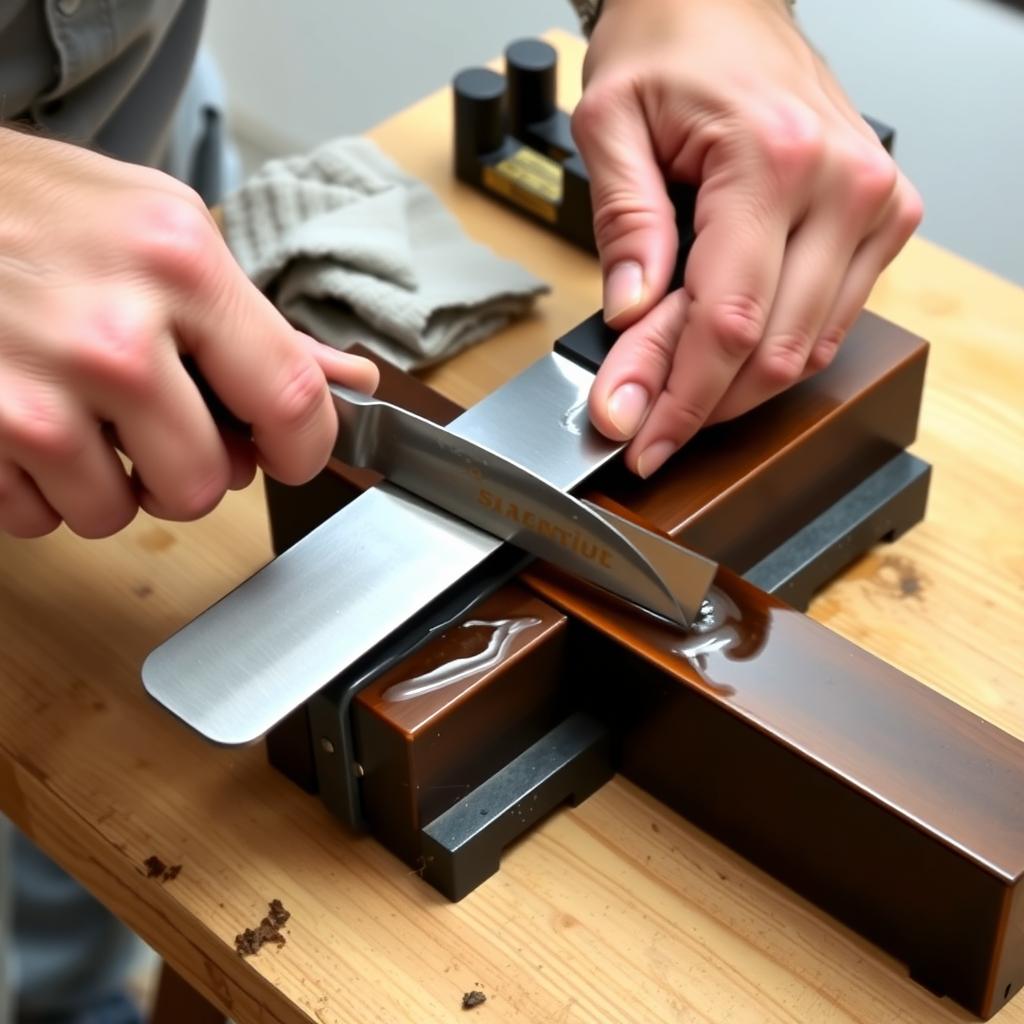
Sharpen Blades: Dull blades slow you down and can hurt you. I sharpen mine with a stone or take them to a pro. OSHA’s tool safety guide backs this up—sharp tools are safer.
-
Oil Moving Parts: A drop of oil on hinges or joints stops rust. It keeps things moving easy.
-
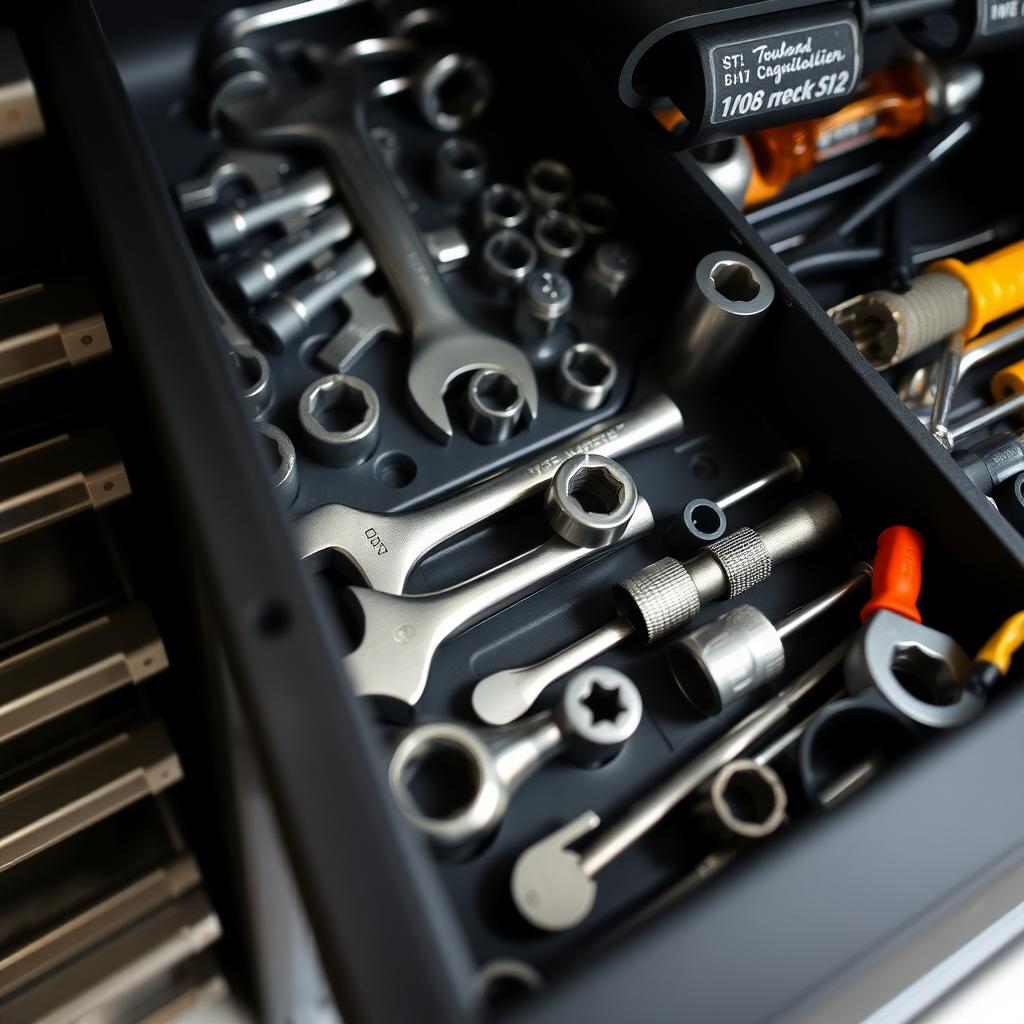
Store Smart: Keep tools dry and organized. I use a toolbox or wall rack to avoid bangs and scratches.
-
Check for Wear: Look for cracks or loose bits. Fix small problems before they grow.
A little effort goes a long way. Well-kept tools work better and stick around.
The right power tools make woodworking and construction a breeze. From table saws to drills, each one has a job to do. Pick quality tools that fit your needs, and take care of them. With these tips, you’ll build projects you’re proud of—safely and efficiently.
Image 5 Description: A finished wooden table sits in a cozy living room. The grain shines under a lamp. In the background, a toolbox peeks out, hinting at the work behind it. Alt Text: Handcrafted wooden table in a home setting, showcasing woodworking craftsmanship.
Related The Best Power Tools for Woodworking:
- Choosing the Right Tools for DIY Projects: Expert Guide for Success
- The Best Ergonomic Tools for Home Projects
- The Importance of Measuring Tools in Construction
- Effective Hand Tools Storage Solutions
- Top 10 DIY Projects for Beginners: A Comprehensive Guide
- Safety Tips for DIY Plumbing Projects: A Comprehensive Guide
- The Beginner's Guide to Woodworking: Essential Tips for Workshop Enthusiasts
- Organizing Tools in a Small Workshop: A Comprehensive Guide
- Top 10 DIY Projects for Beginners
- Workman Tools: A Review of Affordable Quality
- Choosing the Best Paint for Your Home: A Comprehensive Guide
- Electrical Tools for Wiring and Installations: A Comprehensive Guide