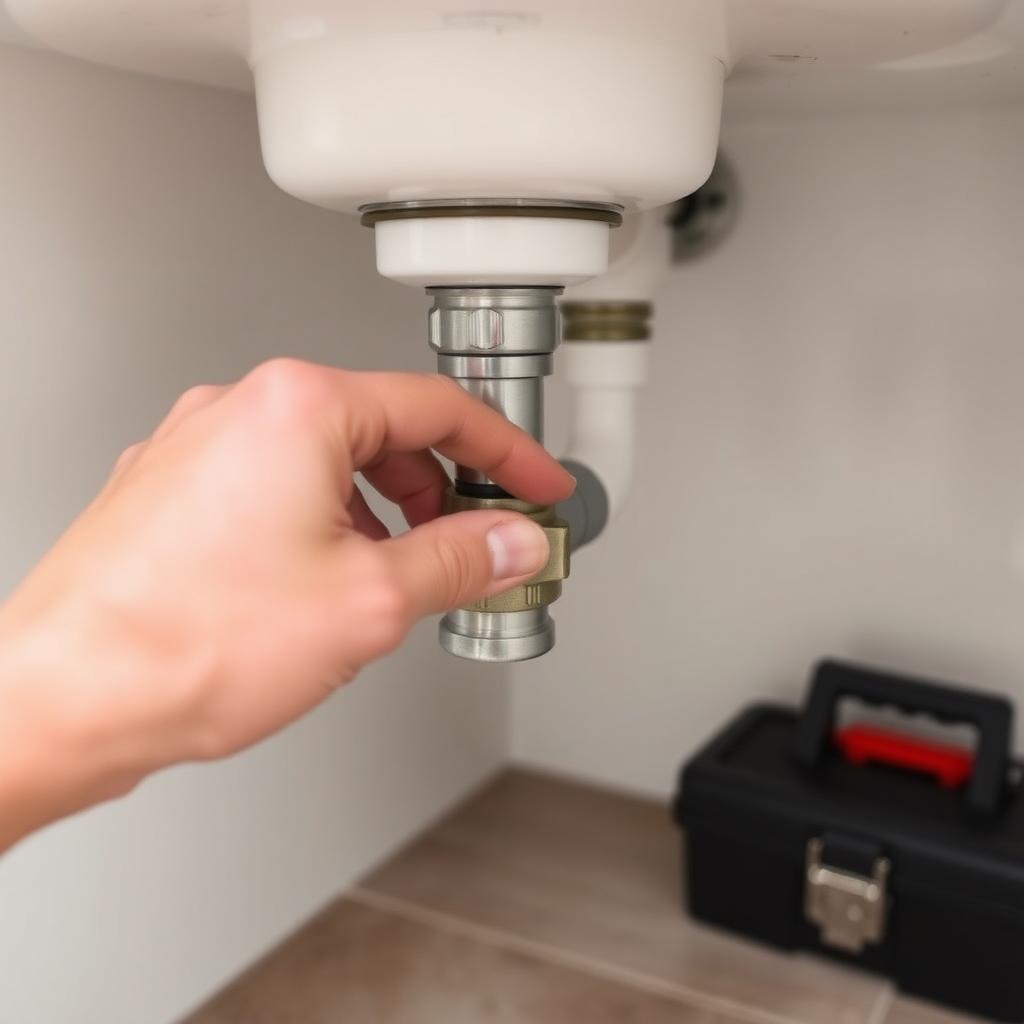
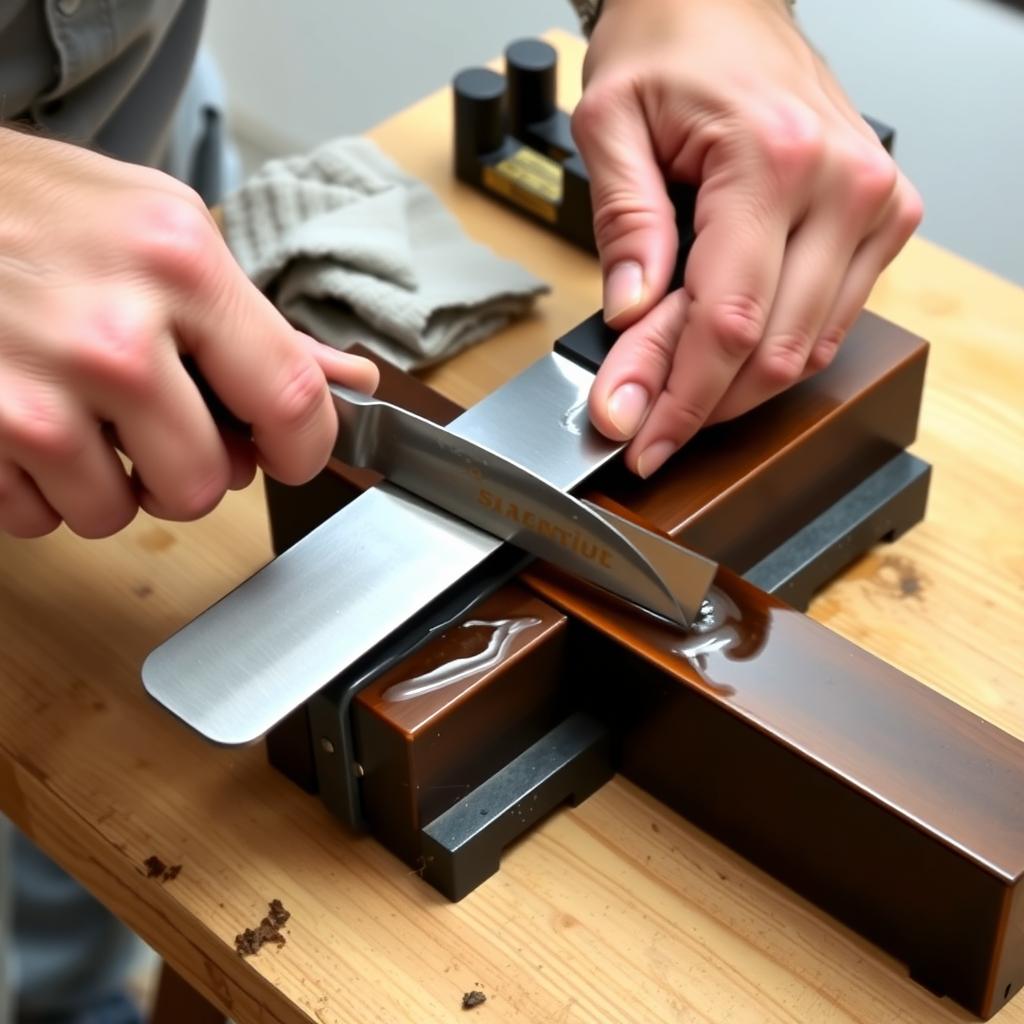
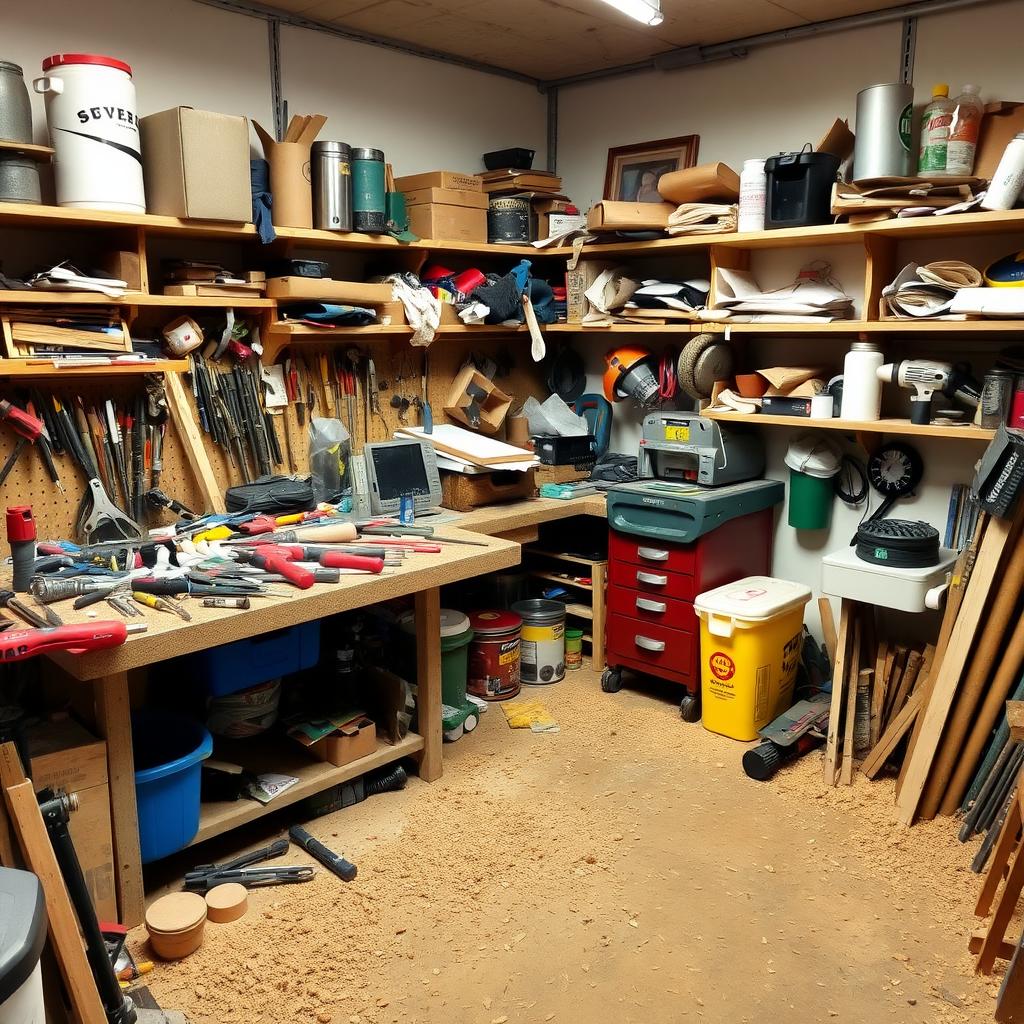
Workshop equipment is the heart of any workspace, and keeping it in top shape is key to saving time, money, and ensuring safety. This article dives into practical workshop equipment maintenance tips to help you extend the life of your tools and keep them running smoothly.
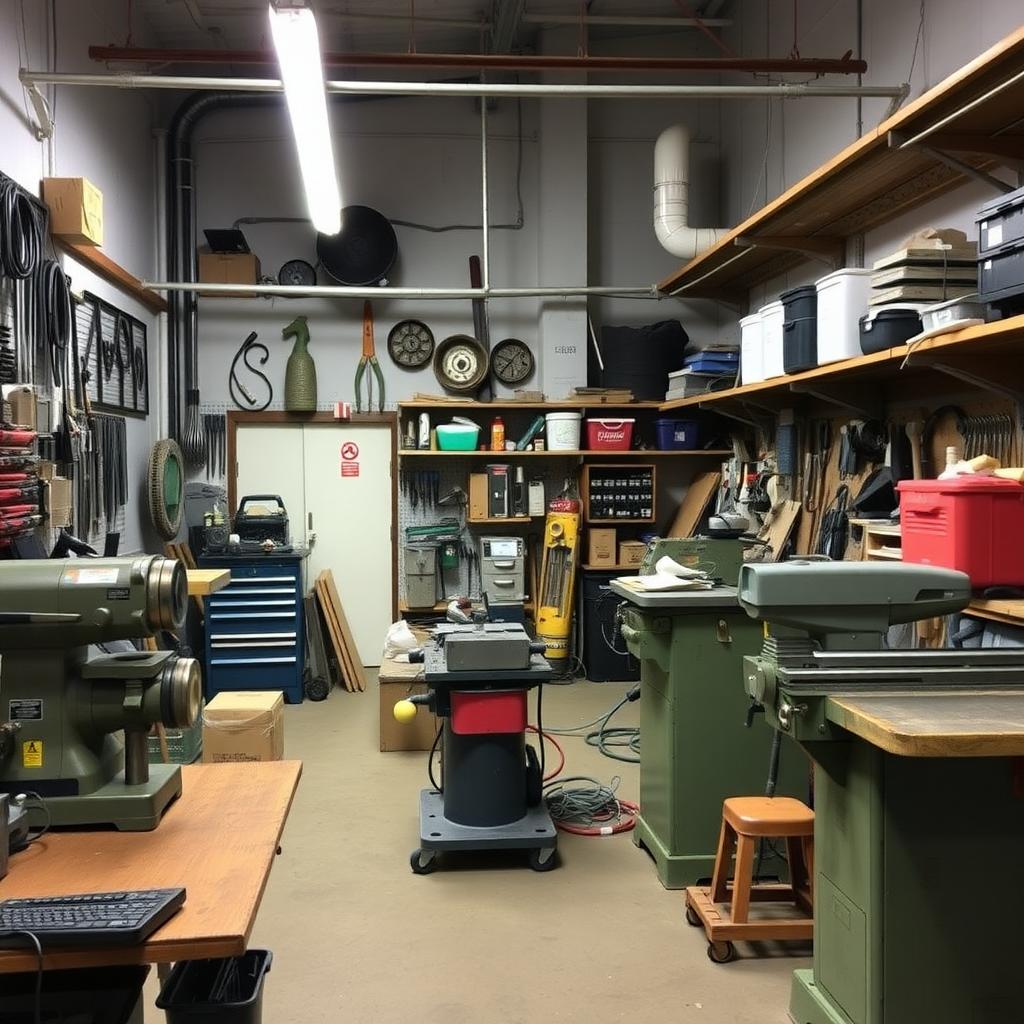
Understanding Workshop Equipment
Workshop equipment encompasses a wide range of tools and machinery used in various industries, from woodworking to metalworking. It includes power tools like drills and saws, hand tools like hammers and screwdrivers, and machinery like lathes and presses.
Proper maintenance of workshop equipment is essential for several reasons. First, it extends the life of the equipment, saving you money in the long run. Second, it ensures the equipment functions efficiently, reducing the risk of accidents and injuries. Finally, it helps maintain the quality of your work, as well-maintained equipment produces better results.
General Maintenance Tips
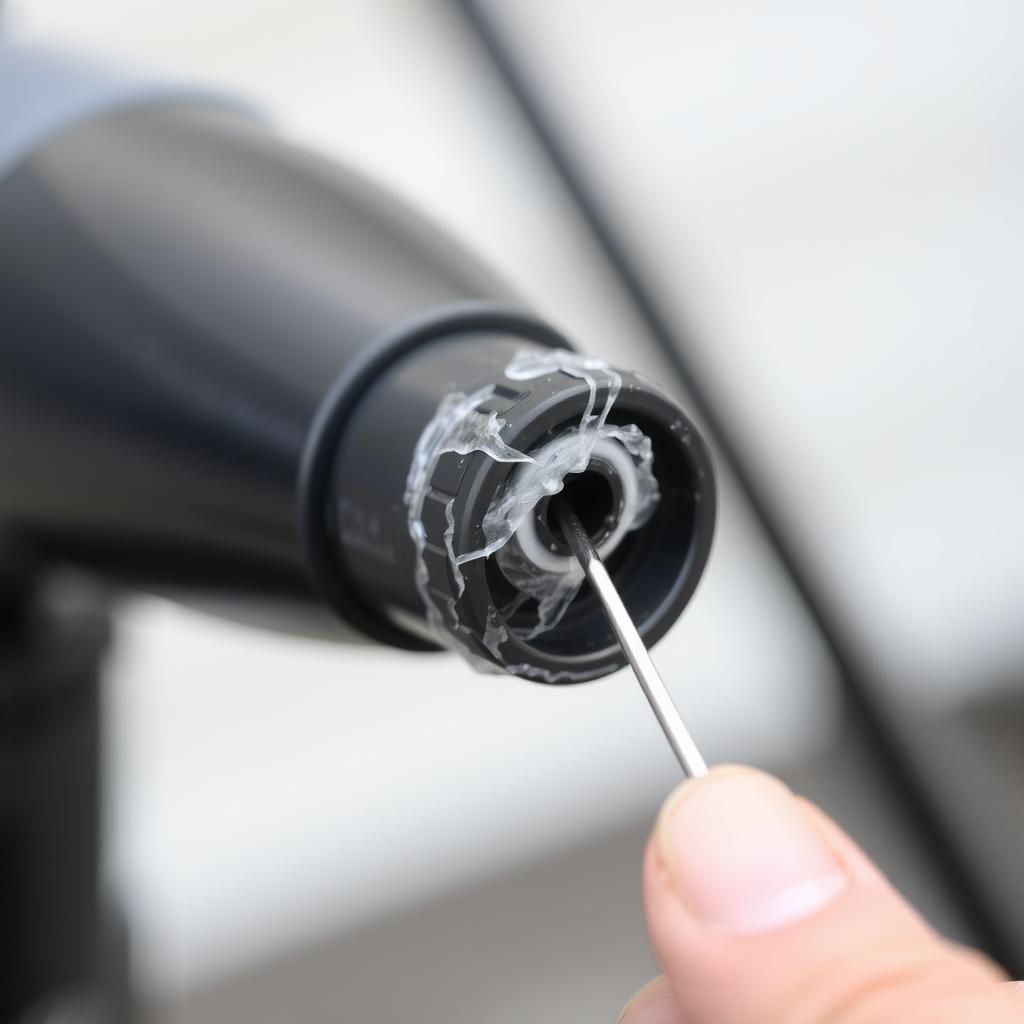
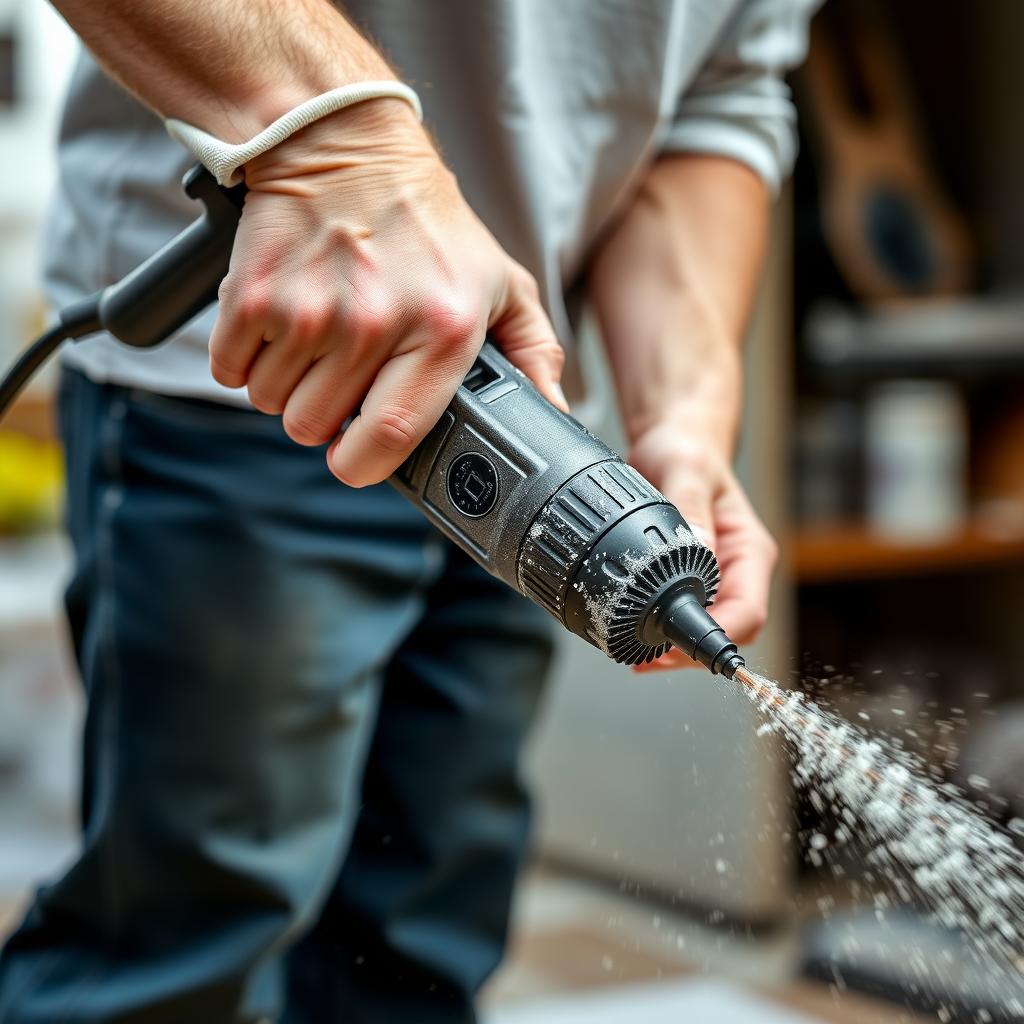
Regular cleaning is the foundation of workshop equipment maintenance. Dust, debris, and grime can accumulate on tools and machinery, causing them to malfunction or wear out prematurely. To clean your equipment, use a soft cloth or brush to remove dirt and debris, and avoid using harsh chemicals that can damage the equipment.
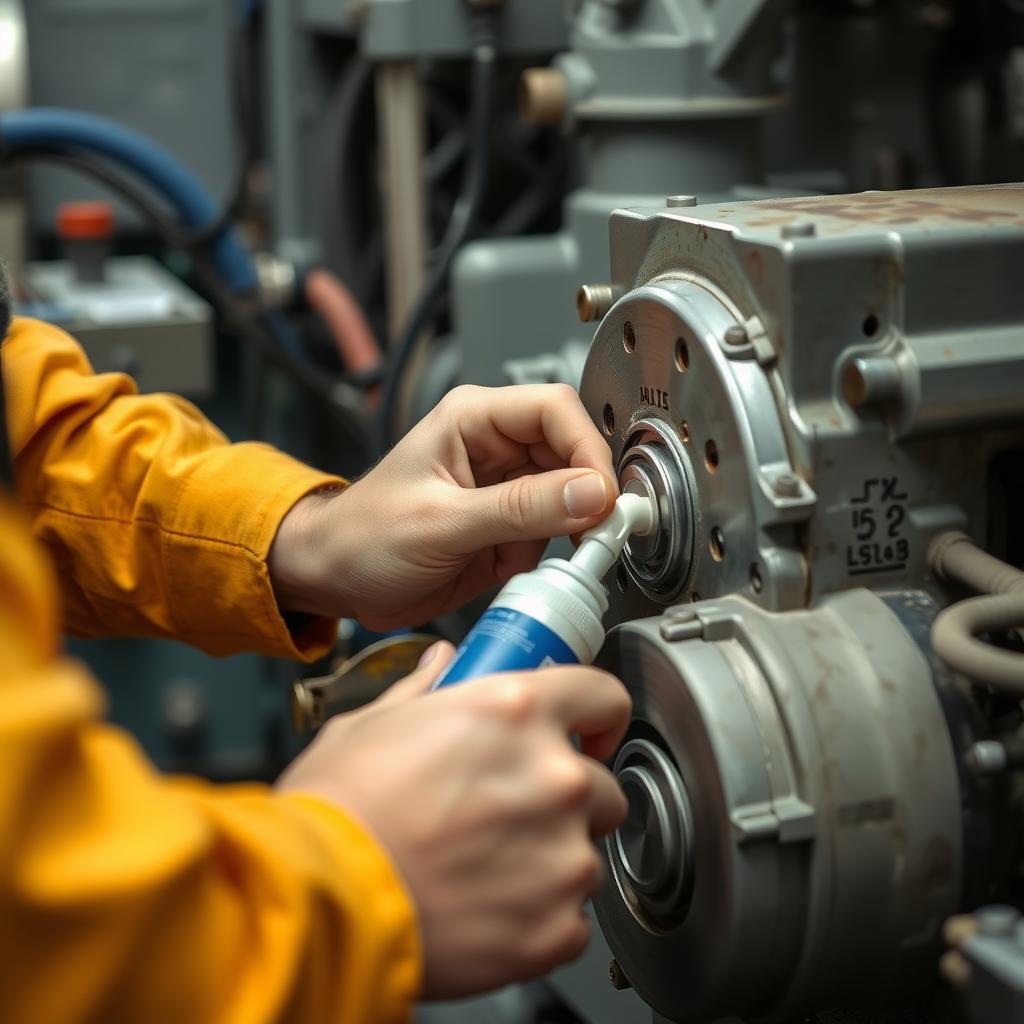
Lubrication is another crucial aspect of maintenance. Moving parts, such as gears and bearings, require regular lubrication to reduce friction and wear. Use the recommended lubricant for your equipment and apply it according to the manufacturer's instructions.
Regular inspection is also essential to identify potential issues before they become major problems. Check for signs of wear, damage, or loose parts, and address any issues promptly.
Proper storage is also important to prevent damage and extend the life of your equipment. Store tools in a dry, clean environment, and use protective cases or covers when necessary.
Specific Maintenance Tips for Different Types of Equipment
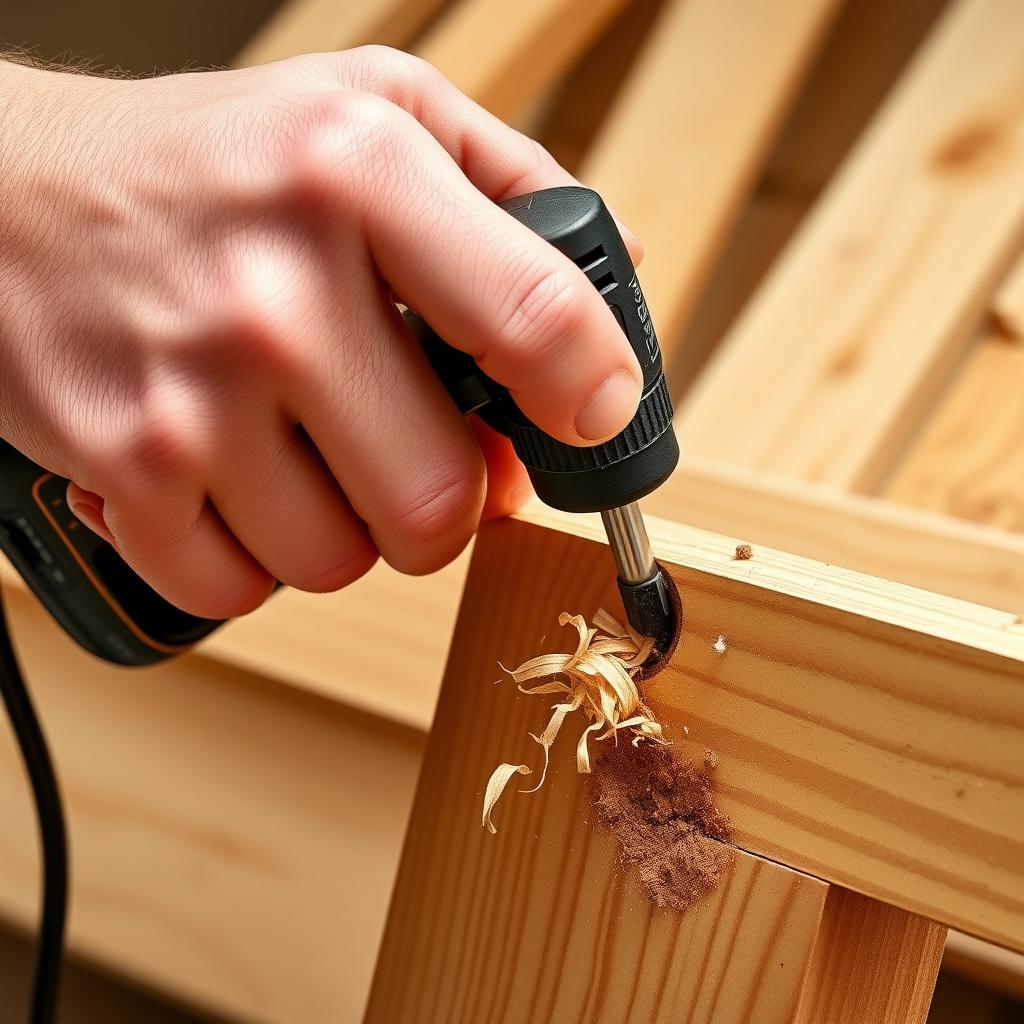
Power tools require specific maintenance to ensure they function properly. For example, drills should be cleaned regularly, and the chuck should be lubricated to prevent rust. Saws should be sharpened regularly, and the blade should be replaced when necessary.
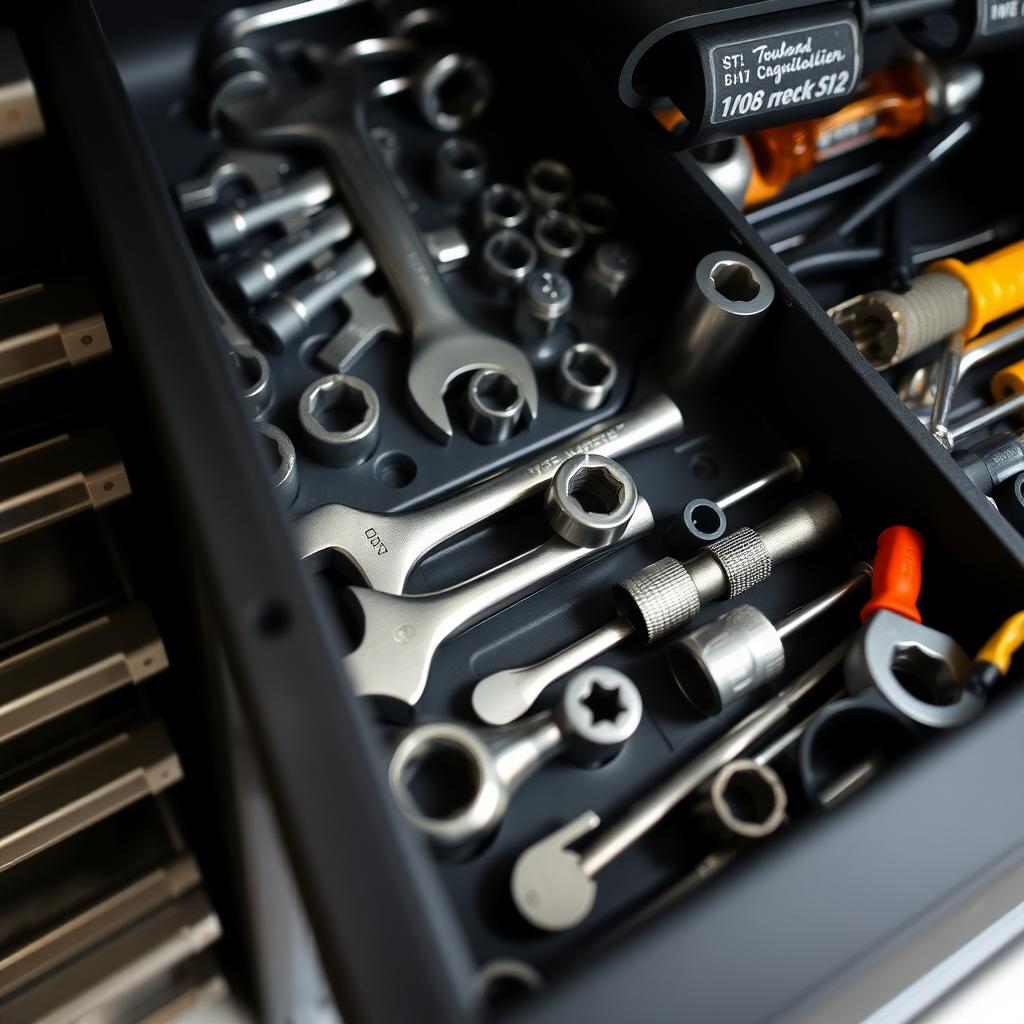
Hand tools also require maintenance. Hammers should be checked for loose heads, and screwdrivers should be inspected for worn tips. Wrenches should be cleaned and lubricated to prevent rust.
Machinery requires more extensive maintenance. Lathes should be cleaned and lubricated regularly, and the chuck should be checked for wear. Milling machines should be inspected for loose parts, and the spindle should be lubricated.
Common Mistakes to Avoid
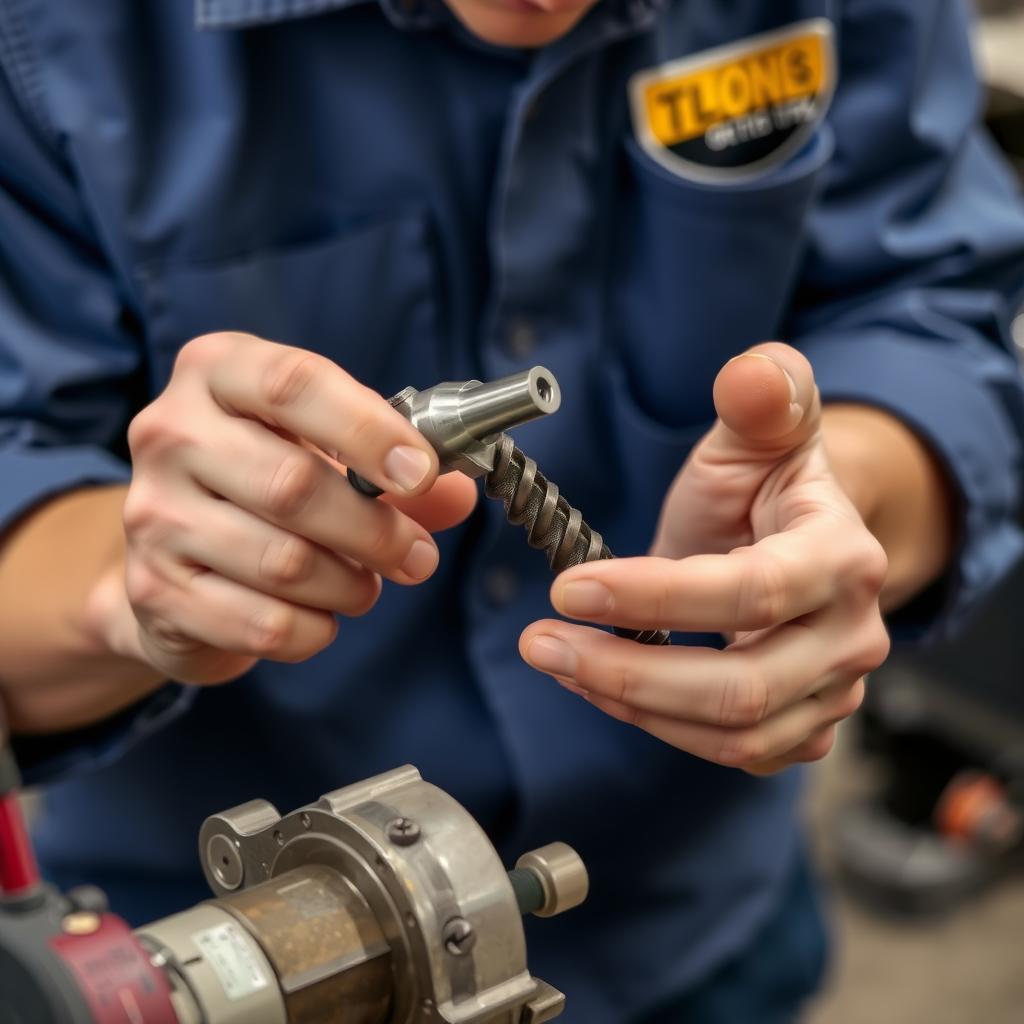
One common mistake is neglecting regular maintenance. Many workshop owners only maintain their equipment when it breaks down, which can lead to costly repairs and downtime. Another mistake is using the wrong lubricant or cleaning agent, which can damage the equipment.
To avoid these mistakes, create a regular maintenance schedule and stick to it. Use the recommended lubricants and cleaning agents, and follow the manufacturer's instructions.
Troubleshooting Common Issues
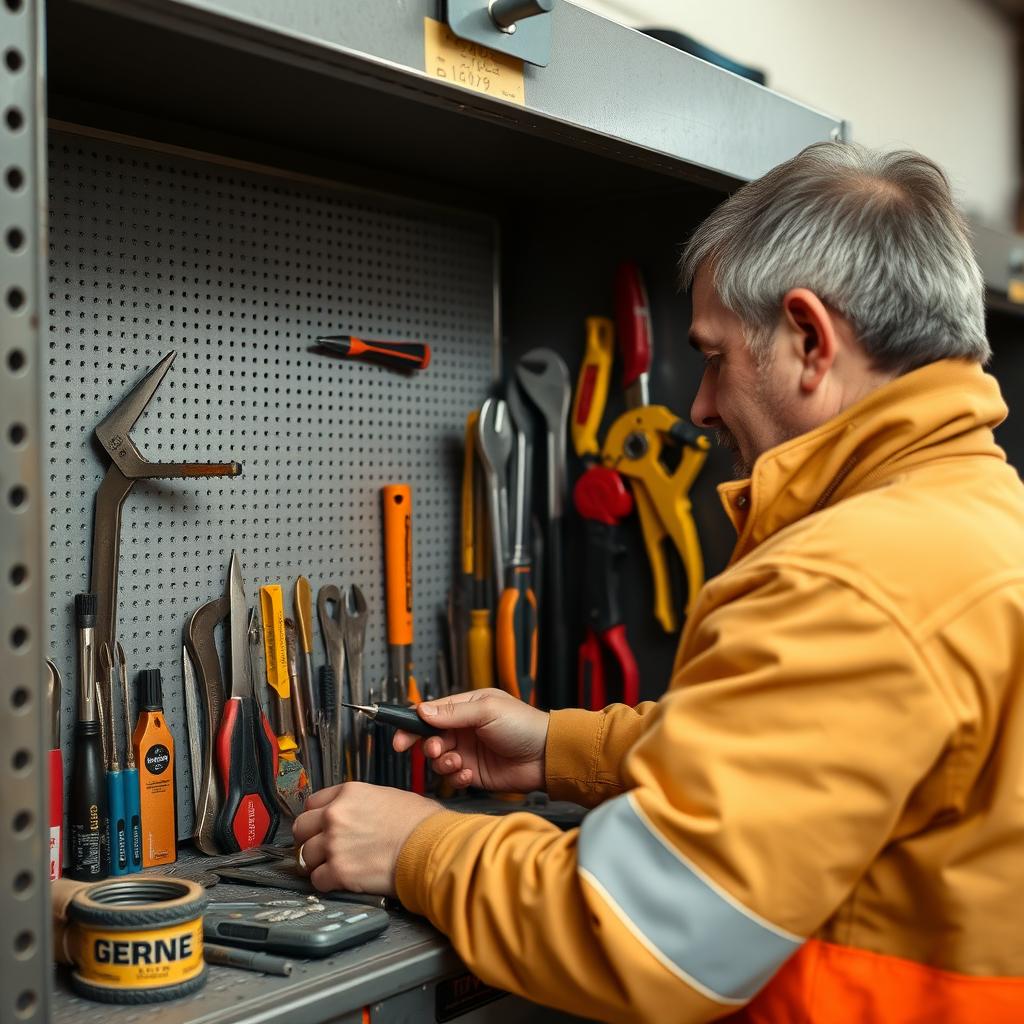
If your equipment is not functioning properly, try to identify the issue. Check for loose parts, worn components, or signs of damage. If you can't identify the issue, consult the manufacturer's manual or seek professional help.
For example, if a power tool is not turning on, check the power cord and plug for damage. If a machine is making unusual noises, check for loose parts or worn bearings.
In conclusion, workshop equipment maintenance is crucial to ensure the longevity and efficiency of your tools. By following the tips outlined in this article, you can keep your equipment in top condition and avoid costly repairs.
Recommended Readings
- "The Importance of Workshop Equipment Maintenance" by Workshop Magazine
- "10 Tips for Maintaining Your Workshop Equipment" by ToolBox.com
- "Workshop Equipment Maintenance: A Comprehensive Guide" by WorkshopOwner.com
- "How to Choose the Right Workshop Equipment" – Read More
- "Workshop Safety Tips" – Read More
For extra info, check out OSHA’s workshop safety guidelines or NIOSH equipment care tips.
Related workshop equipment maintenance tips:
- DIY Maintenance Tricks for Power Washers
- The Evolution of Electrical Tools: A Historical Perspective
- Advanced Metalworking Techniques: A Guide
- Organizing Workman Tools in a Small Space: A Comprehensive Guide
- The Best Power Tools for Woodworking
- The Best Ergonomic Tools for Home Projects
- The Importance of Measuring Tools in Construction
- Effective Hand Tools Storage Solutions
- Top 10 DIY Projects for Beginners: A Comprehensive Guide
- Safety Tips for DIY Plumbing Projects: A Comprehensive Guide
- The Beginner's Guide to Woodworking: Essential Tips for Workshop Enthusiasts
- Organizing Tools in a Small Workshop: A Comprehensive Guide