DIY Maintenance Tricks for Power Washers: A Comprehensive Guide
Overview
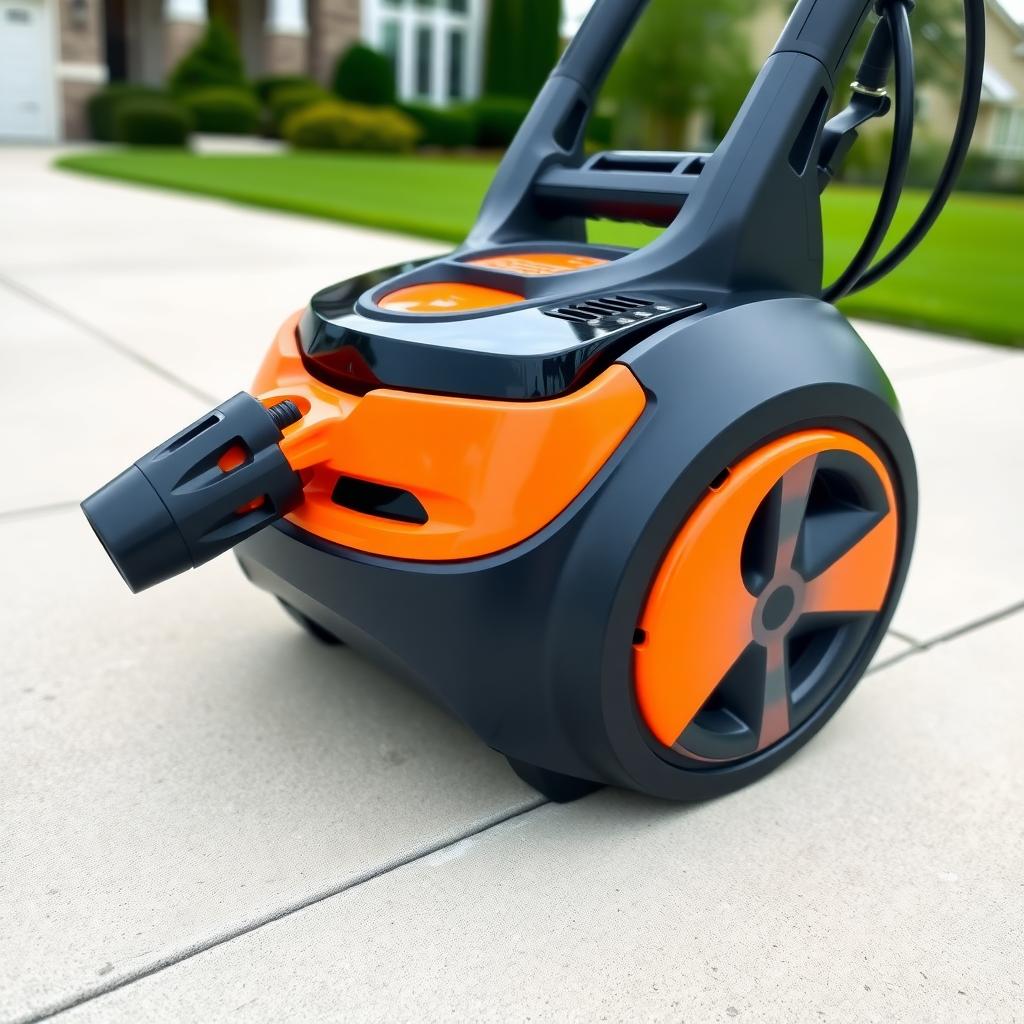
Power washers are fantastic tools for blasting away dirt from driveways, decks, and more. However, keeping them in top shape requires regular care. This guide dives into DIY maintenance tricks for power washers, offering simple, actionable steps to troubleshoot and repair your machine while extending its life.
Main Content
Power washers are a staple in many households for their ability to tackle tough cleaning jobs with ease. However, like any power tool, they can encounter issues over time. The good news is that many of these problems can be fixed with a little know-how and some basic tools. Below, I’ll share some common maintenance tricks that you can do yourself, along with a personal story of how I once troubleshot my own power washer.
1. Cleaning or Replacing Clogged Nozzles
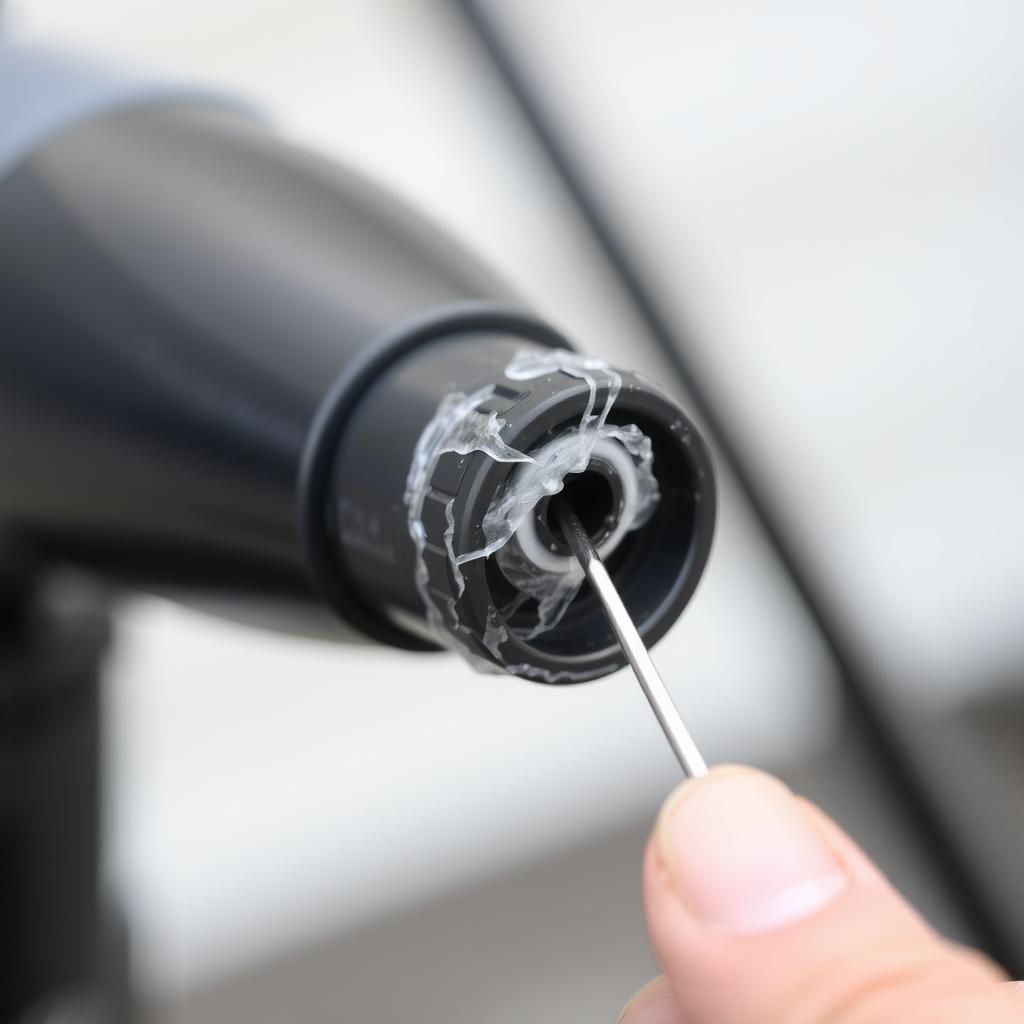
One of the most common issues with power washers is a clogged nozzle. If your washer isn’t spraying properly or the water pressure seems weak, the nozzle might be blocked by dirt or debris.
- How to fix it: First, turn off the power washer and disconnect it from the power source. Then, remove the nozzle and inspect it for any visible blockages. You can use a small pin or a nozzle cleaning tool to clear out any debris. If the nozzle is damaged or too clogged, it’s best to replace it with a new one.
- Pro tip: Regularly cleaning the nozzle after each use can prevent clogs from forming in the first place.
2. Checking for Low Water Pressure
Low water pressure can significantly reduce the effectiveness of your power washer. This issue can be caused by several factors, including problems with the water supply or the hoses.
- How to fix it: Start by checking the water supply to ensure it’s fully turned on and that there are no kinks or blockages in the hose. Inspect the inlet filter for any debris and clean it if necessary. If the pressure is still low, examine the hoses for leaks or cracks, as these can also affect water flow.
- Pro tip: Using a high-quality, reinforced hose can help maintain consistent water pressure and reduce the risk of leaks.
3. Using the Right Detergent
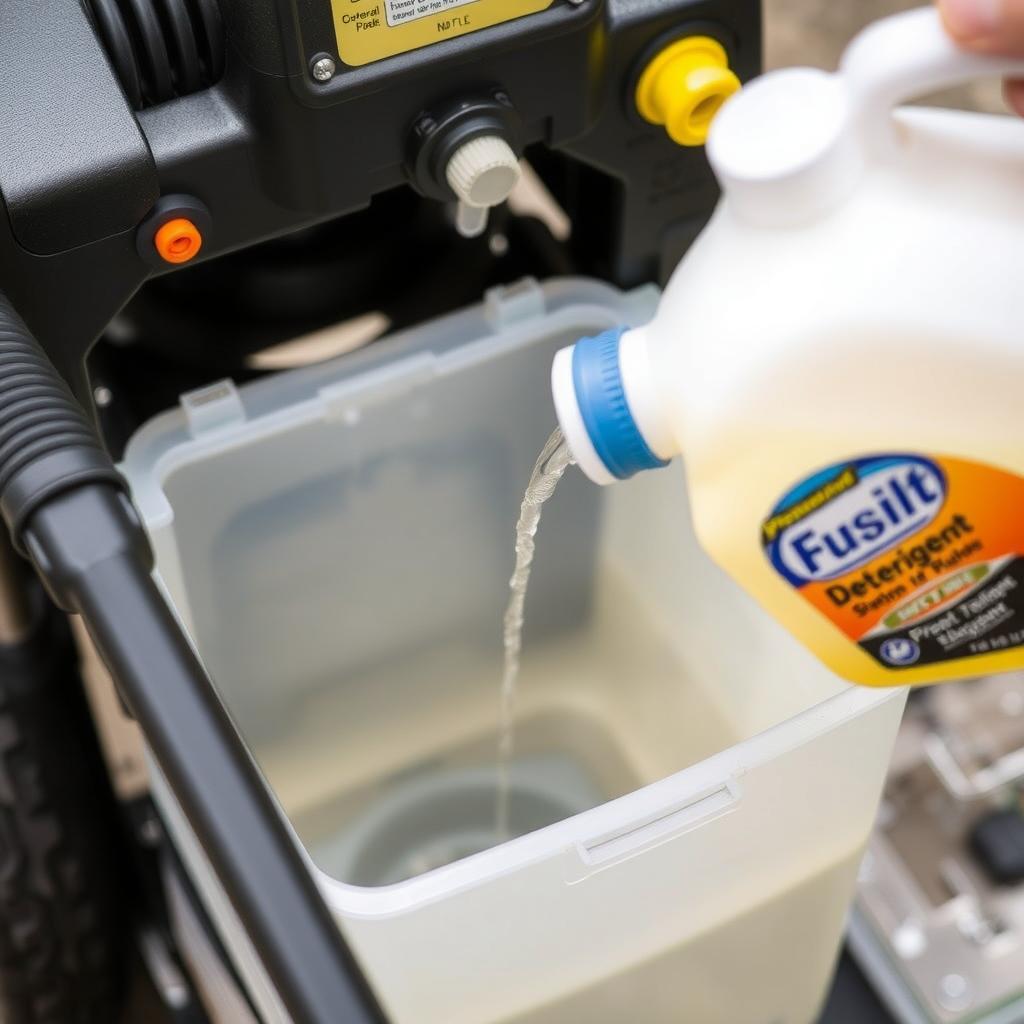
Power washers often use detergents to enhance cleaning power, but using the wrong type can cause damage to the machine or the surfaces you’re cleaning.
- How to fix it: Always use detergents that are specifically designed for power washers. These are usually labeled as “pressure washer safe” and are formulated to work with the high-pressure system without causing clogs or corrosion.
- Pro tip: Dilute the detergent according to the manufacturer’s instructions to avoid residue buildup in the system.
4. Proper Storage
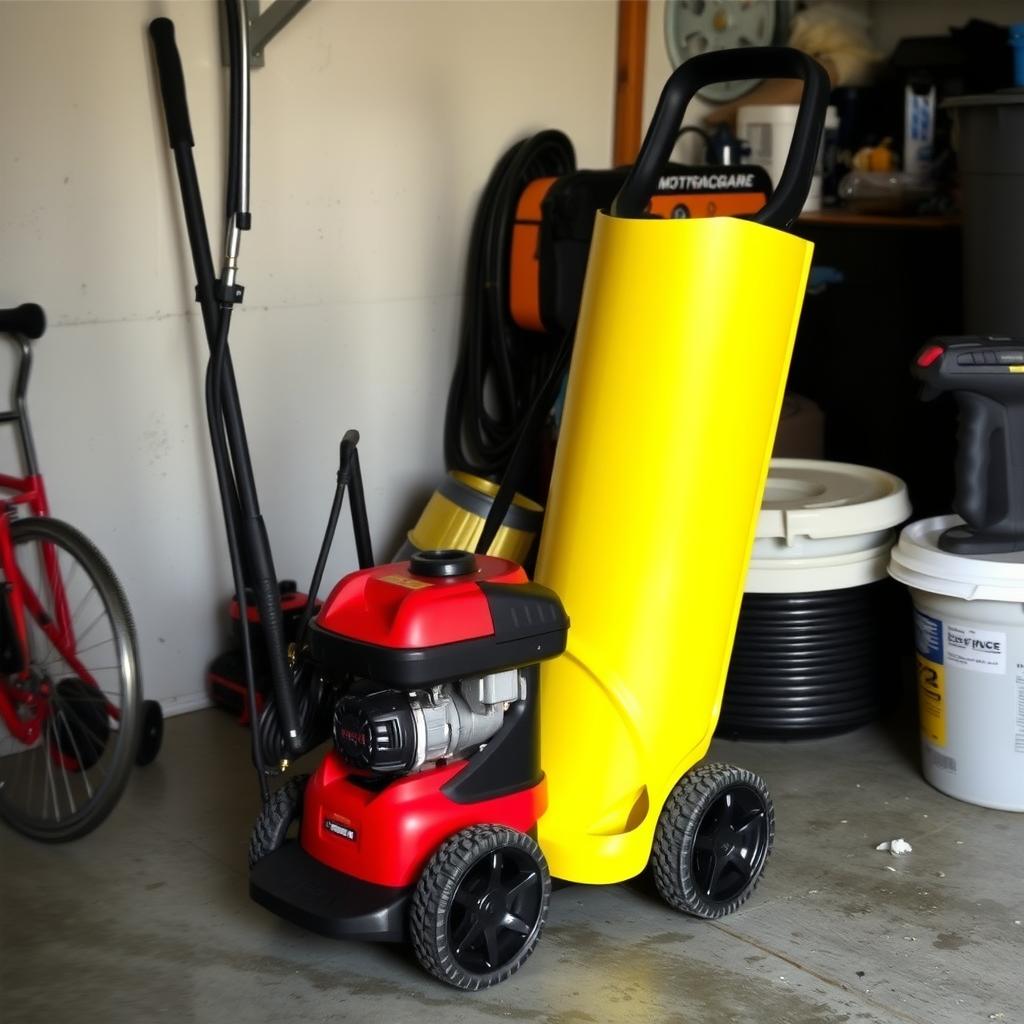
Storing your power washer correctly when not in use is crucial for preventing damage and ensuring it’s ready for the next job.
- How to fix it: After each use, drain any remaining water from the pump and hoses to prevent freezing or corrosion. Store the power washer in a dry, cool place, away from direct sunlight. If possible, cover it with a protective cover to keep dust and debris out.
- Pro tip: Before storing, run a pump protector through the system to lubricate the seals and prevent corrosion.
5. Troubleshooting the Pump
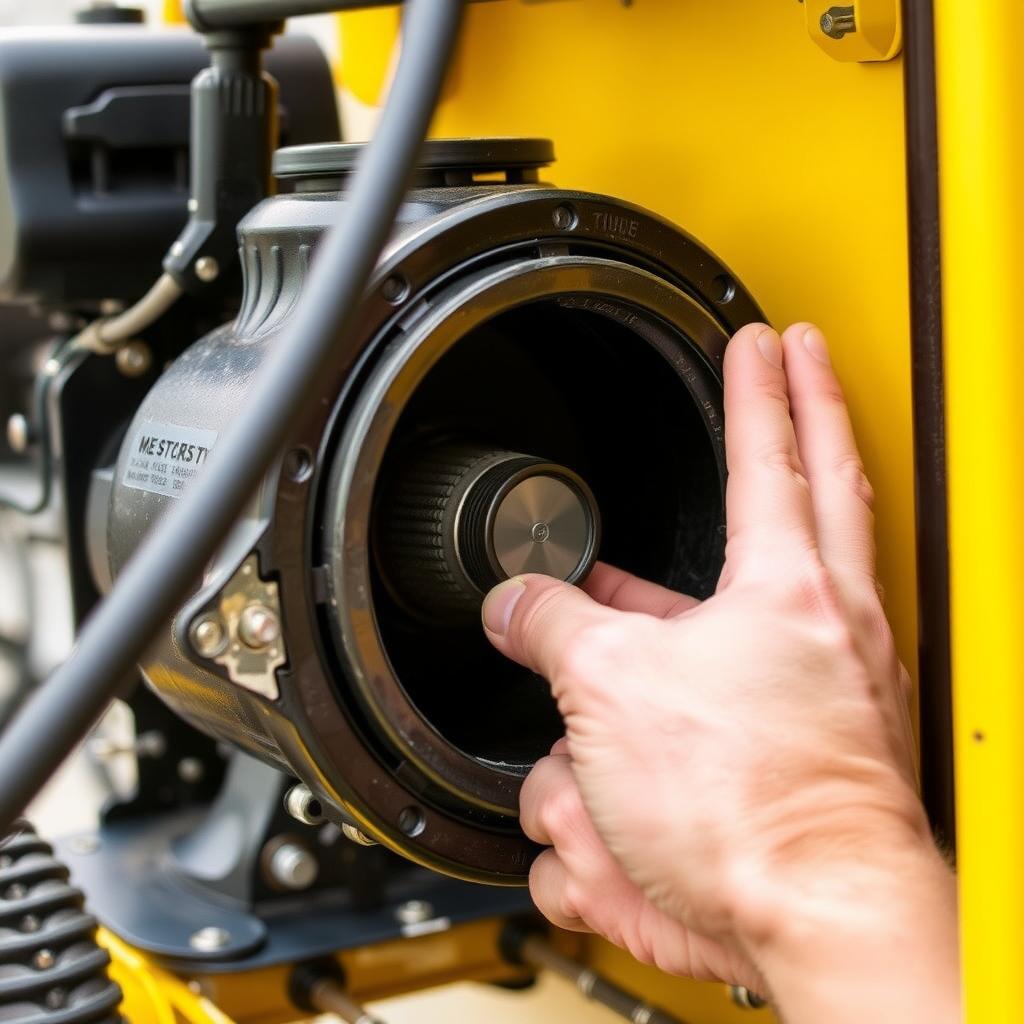
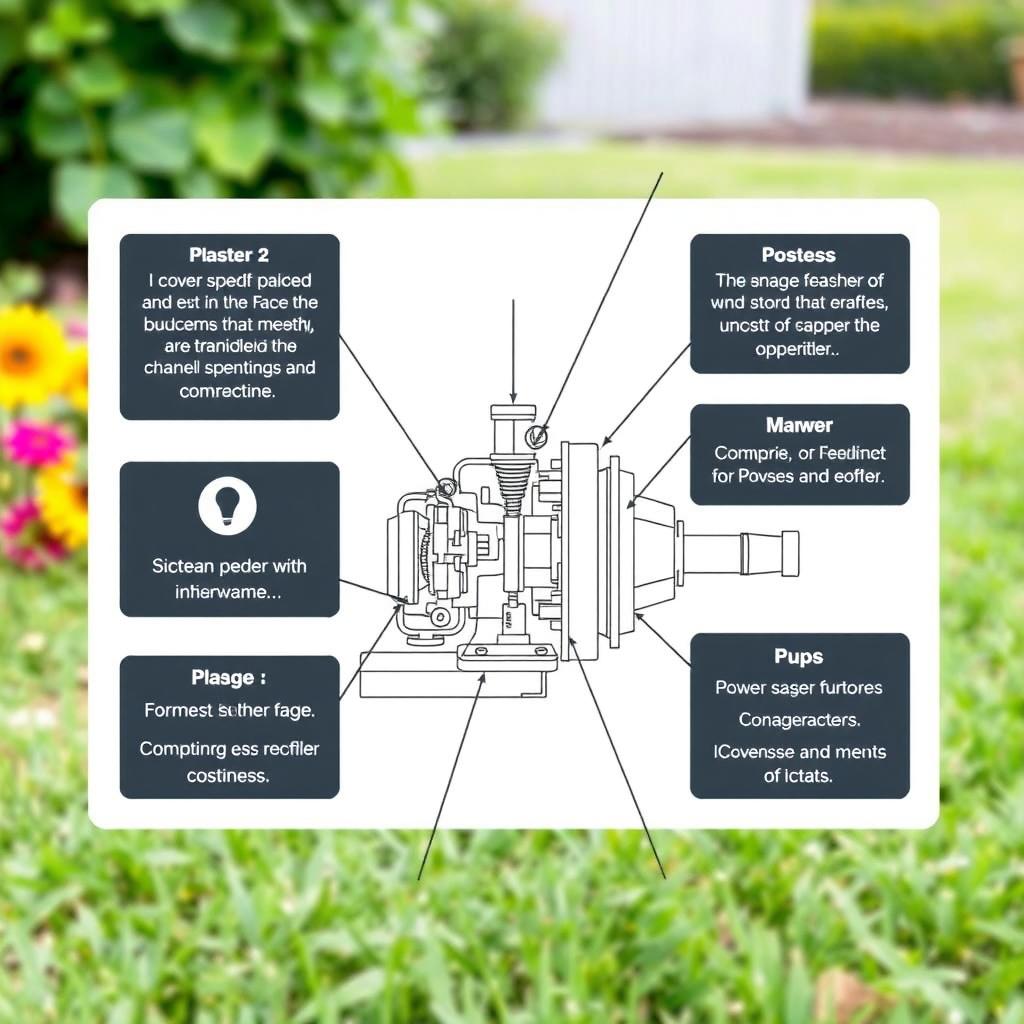
The pump is the heart of the power washer, and issues here can cause the machine to stop working altogether. Common pump problems include worn-out seals or valves.
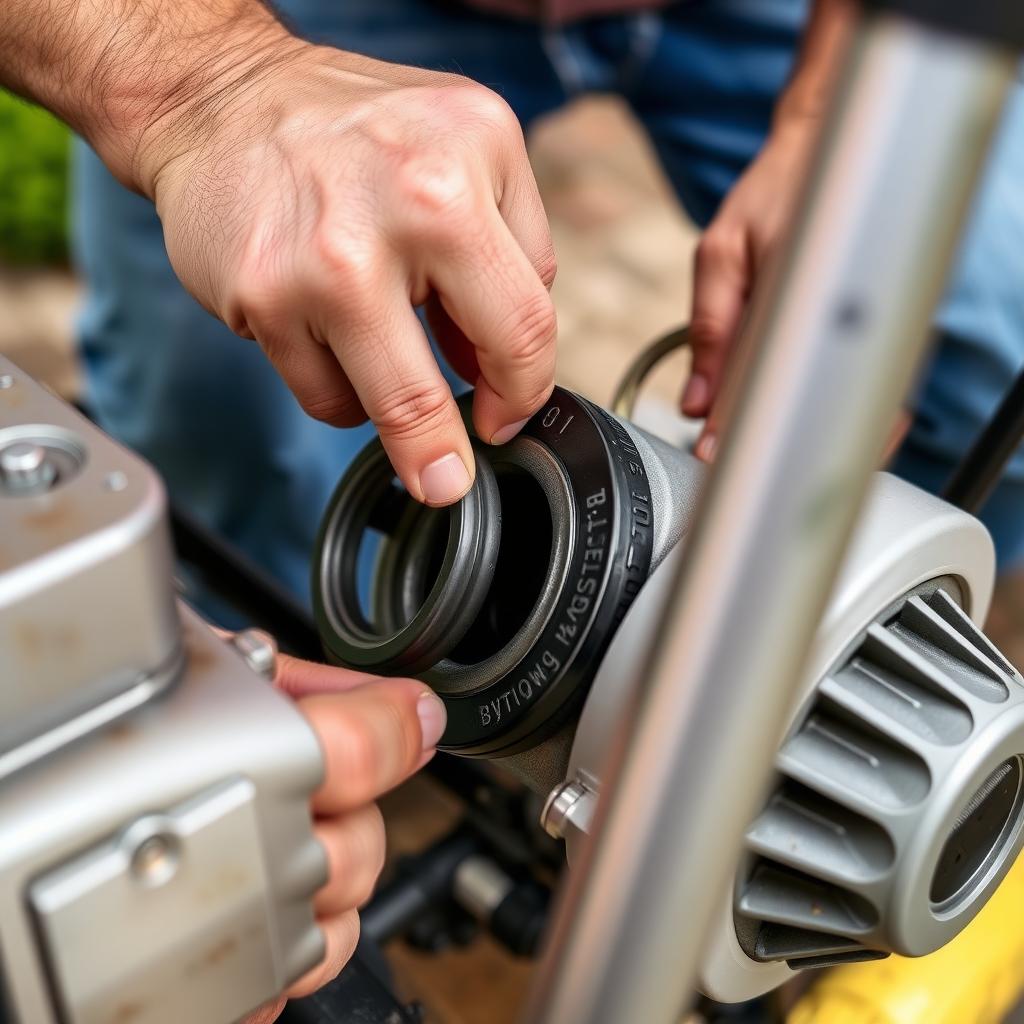
- How to fix it: If your power washer isn’t building pressure or is leaking water, it might be due to a faulty pump. Check the seals and valves for wear and tear. In many cases, replacing a worn-out seal or valve can restore the pump’s functionality.
- Pro tip: Regularly inspecting the pump for leaks or unusual noises can help you catch problems early before they lead to more significant damage.
Personal Insight: My Experience with Power Washer Troubleshooting
I remember a time when my power washer suddenly stopped working mid-clean. The water pressure dropped to almost nothing, and I was left with a half-cleaned driveway. Frustrated, I started troubleshooting. First, I checked the nozzle, but it was clear. Then, I inspected the hoses and water supply, but everything seemed fine. Finally, I turned my attention to the pump. After removing the pump cover, I noticed that one of the seals was worn out and leaking. I replaced the seal with a new one, and just like that, my power washer was back in action. This experience taught me the importance of regular maintenance and how a little DIY know-how can save you time and money.
Summary
Maintaining your power washer doesn’t have to be complicated. By regularly cleaning the nozzle, checking for water pressure issues, using the right detergent, storing the machine properly, and keeping an eye on the pump, you can keep your power washer running efficiently for years. These DIY maintenance tricks not only help you avoid costly repairs but also ensure that your power washer is always ready for the next cleaning job.
Recommended Readings
- The Ultimate Guide to Power Tools
- How to Choose the Right Power Washer for Your Needs
- Advanced Troubleshooting Tips for Power Washers
- Cleaning Your Deck Like a Pro
- Essential Maintenance for Outdoor Power Tools
Related DIY Maintenance Tricks for Power Washers:
- The Ultimate Guide to Power Tools: Mastering Your DIY Projects
- The Evolution of Electrical Tools: A Historical Perspective
- Advanced Metalworking Techniques: A Guide
- Organizing Workman Tools in a Small Space: A Comprehensive Guide
- The Best Power Tools for Woodworking
- The Best Ergonomic Tools for Home Projects
- The Importance of Measuring Tools in Construction
- Effective Hand Tools Storage Solutions
- Top 10 DIY Projects for Beginners: A Comprehensive Guide
- Safety Tips for DIY Plumbing Projects: A Comprehensive Guide
- The Beginner's Guide to Woodworking: Essential Tips for Workshop Enthusiasts
- Organizing Tools in a Small Workshop: A Comprehensive Guide