Choosing the right safety gear for your job is essential for staying safe and productive. Whether you work in construction, manufacturing, or any other field with potential hazards, the right gear can protect you from injuries and help you perform your tasks effectively. This article will guide you through the process of selecting the best safety gear for your specific job, with a focus on practical tips and real-world insights.
Safety gear is designed to protect you from hazards like falling objects, sharp tools, chemicals, and more. For example, tool belts for construction workers are not just convenient—they keep your tools within reach while freeing your hands to work safely. Similarly, helmets, gloves, and safety glasses are essential for preventing injuries.
But safety gear isn’t one-size-fits-all. The gear you need depends on the specific risks of your job. That’s why it’s important to assess your work environment and tasks before choosing your gear.

Tool belts are a crucial piece of safety gear for many workers, especially in construction. A good tool belt keeps your workman tools within reach, reducing the need to climb up and down ladders or search for tools. Here’s what to look for when choosing a tool belt:
- Material: Look for durable materials like leather or heavy-duty nylon.
- Pockets and Loops: Choose a belt with enough pockets and loops for your tools, but not so many that it becomes cumbersome.
- Fit: Make sure the belt fits comfortably around your waist and doesn’t interfere with your movement.
A well-chosen tool belt can make your job easier and safer by keeping your tools organized and accessible.
Even with the best intentions, it’s easy to make mistakes when choosing safety gear. Here are some common pitfalls to avoid:
- Choosing gear based on price alone: While budget is important, cheaper gear may not offer the same level of protection or durability.
- Ignoring fit and comfort: Gear that doesn’t fit well can be uncomfortable and less effective. Always try on gear before buying.
- Not considering the specific job risks: Don’t assume that one type of gear will work for every job. Assess the risks and choose gear accordingly.
By avoiding these mistakes, you can ensure that your safety gear provides the protection you need.
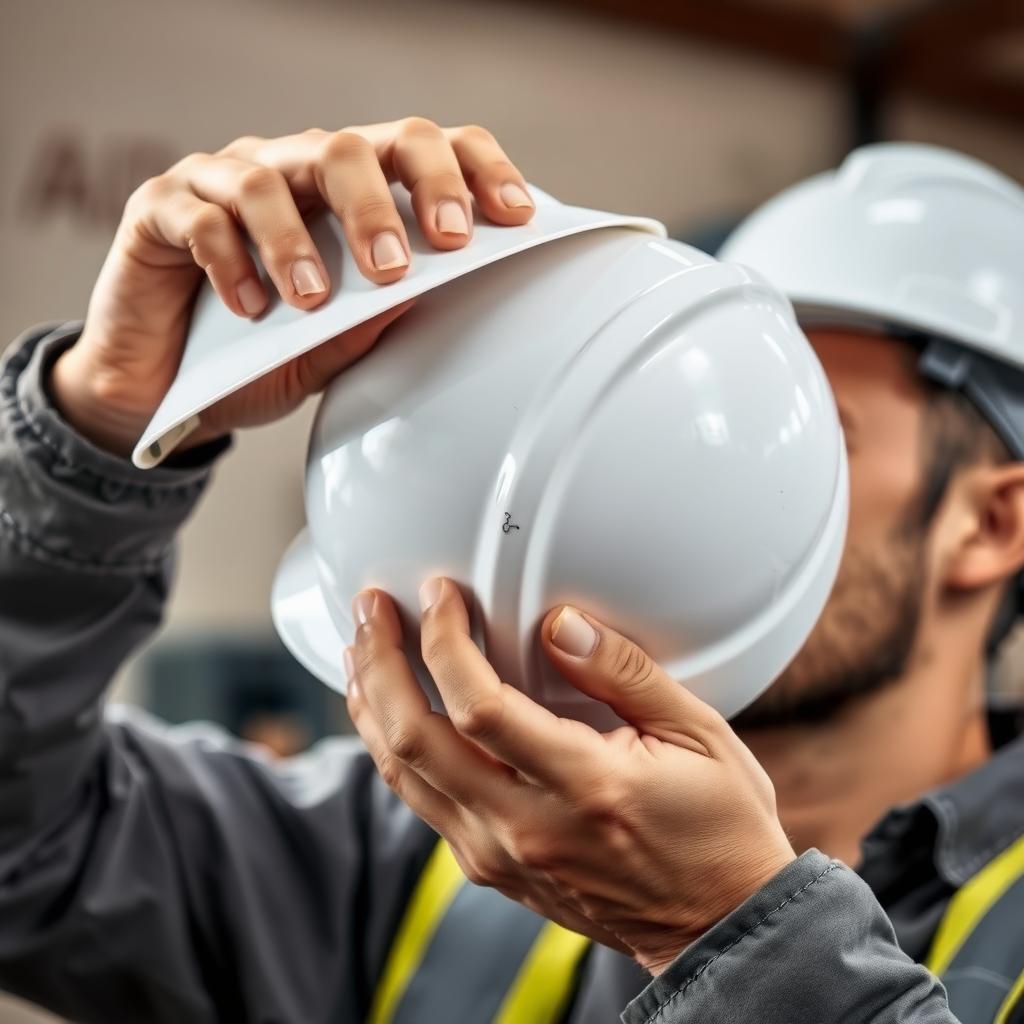
Safety gear isn’t just a box to check for rules—it’s your first line of defense against danger. Whether it’s a falling brick, a sharp blade, or a chemical splash, the right gear can save you from serious harm. I’ve seen it myself: a friend on a construction site avoided a nasty head injury because he wore his hard hat every day, no exceptions.
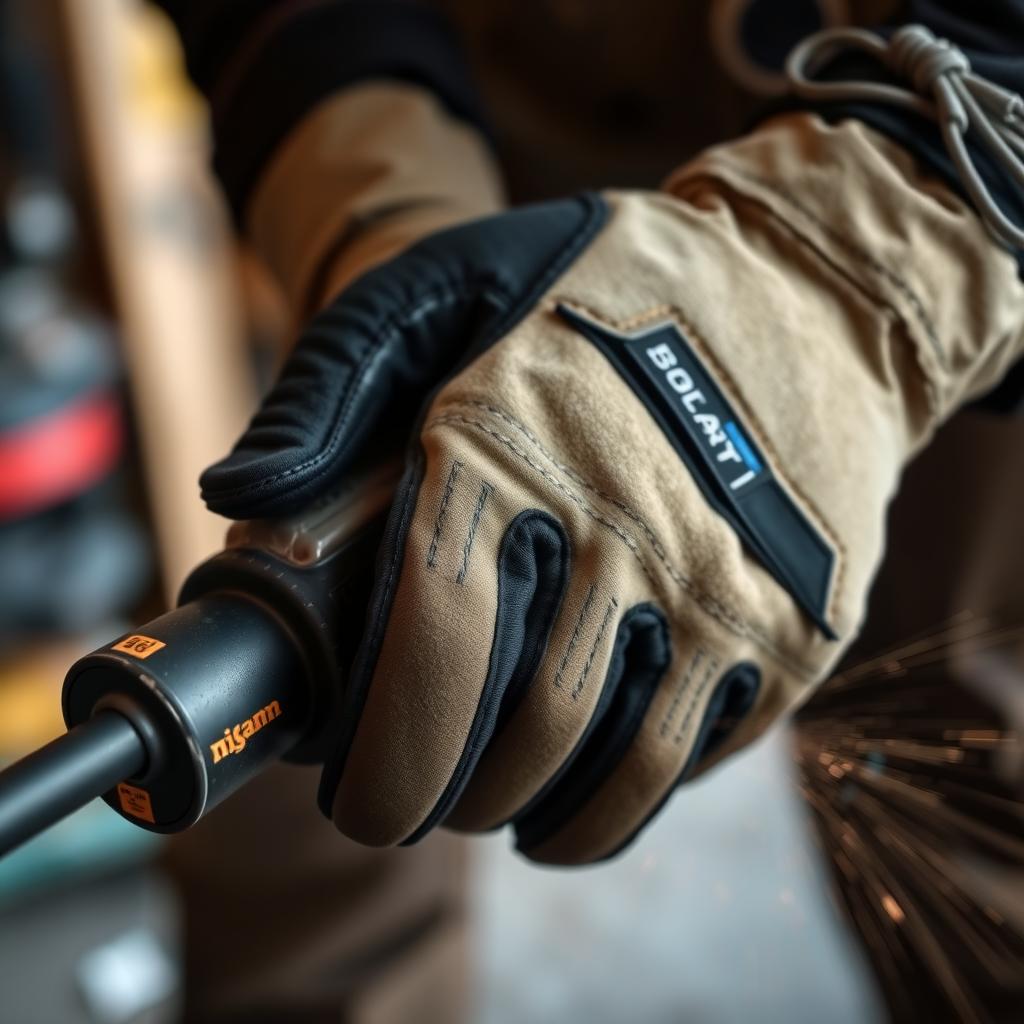
But here’s the thing—it’s not enough to grab any gear off the shelf. What you need depends on your job. A welder needs flame-resistant gloves, while a carpenter might prioritize sturdy boots. This article, How to Choose the Right Safety Gear for Your Job, will help you figure out what works for you.
Before you pick any gear, you need to know what you’re up against. Every job has its own hazards. Here’s how to break it down:
- Spot the dangers: Are you near heavy equipment? Sharp tools? Chemicals? Write down what could go wrong.
- Check your surroundings: Indoors or out? High up or tight spaces? Weather and space change what you need.
- Look at your tasks: Lifting, cutting, or welding? Each action has its own risks.
For example, I once worked a summer job moving boxes in a warehouse. I thought sneakers were fine—until I dropped a crate on my foot. Steel-toed boots would’ve saved me a week of limping. Assess your risks first, and you’ll know what gear to grab.
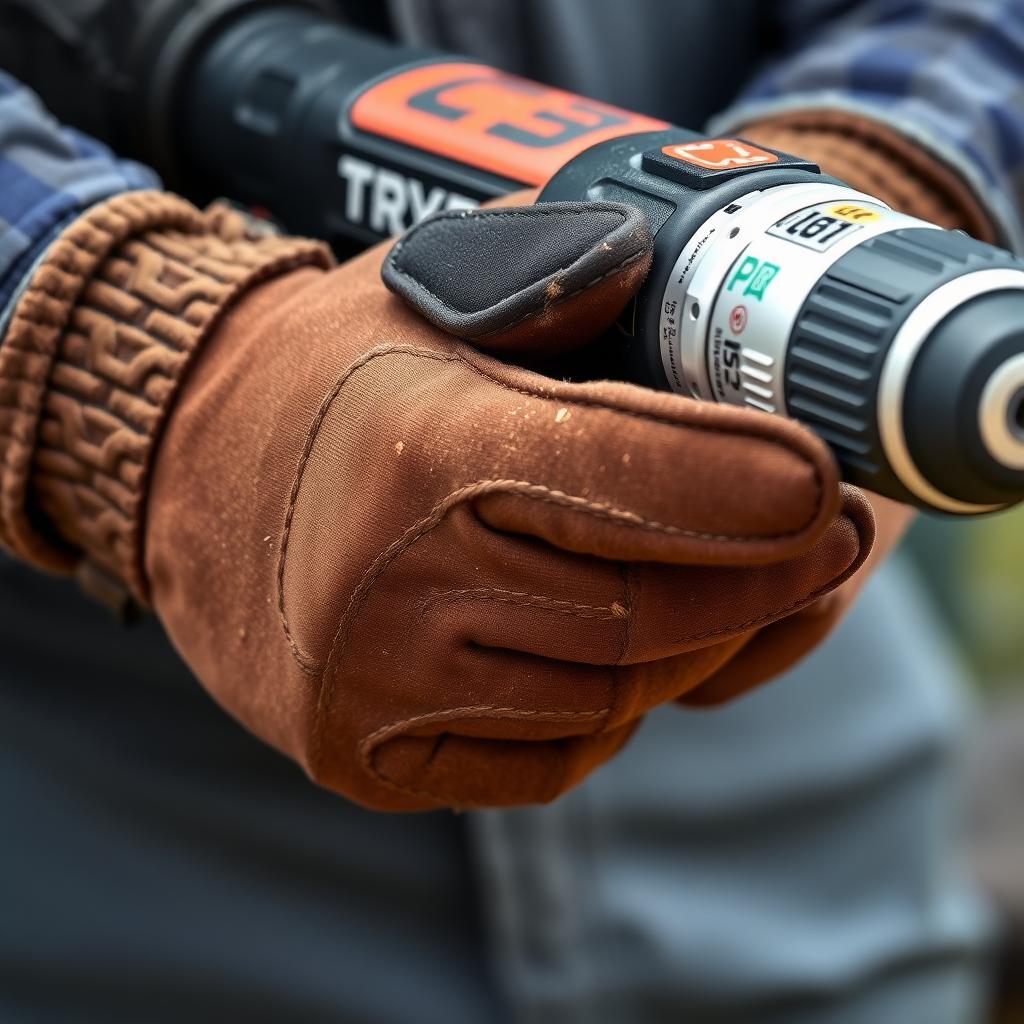
Tool belts deserve a shoutout. They’re not just for looks—they make your job safer and faster. Imagine climbing a ladder with a hammer in your hand. Now picture it tucked in a belt instead. Big difference.
Here’s what to look for in a good one:
- Durability: Leather or tough nylon lasts longer than flimsy fabric.
- Storage: Enough pockets for your tools, but not so many you’re weighed down.
- Comfort: Adjustable straps keep it snug without pinching.
I used a cheap belt once, and it tore mid-shift. Tools everywhere. Spend a little more for something solid—it’s worth it.
It’s easy to mess up picking gear. I’ve done it, and I’ve seen others do it too. Avoid these traps:
- Going too cheap: Low-cost stuff might save cash now but fail when it counts.
- Ignoring fit: A helmet that slides or boots that pinch distract you and cut protection.
- One-size-fits-all thinking: Gear for a factory won’t always work on a roof. Match it to your job.
A buddy once bought discount safety glasses. They fogged up constantly, and he ditched them. Spend smart, not just less.


Related How to Choose the Right Safety Gear for Your Job:
- Essential Safety Gear for Construction Workers: Stay Protected on the Job
- Workplace Safety Tips for Industrial Jobs: Stay Protected and Productive
- The Essential Guide to Workman Tools for Plumbing and Maintenance
- Productivity Hacks for Mechanics and Tradespeople
- Essential Skills for the Future Workforce
- Understanding Power Tool Warranties and Repairs
- Workshop Equipment Maintenance Tips: A Comprehensive Guide
- DIY Maintenance Tricks for Power Washers
- The Evolution of Electrical Tools: A Historical Perspective
- Advanced Metalworking Techniques: A Guide
- Organizing Workman Tools in a Small Space: A Comprehensive Guide
- The Best Power Tools for Woodworking