Overview
Workman tools are essential for anyone looking to dive into home improvement or DIY projects. For beginners, understanding which tools are necessary can make the difference between frustration and success. This guide aims to introduce you to the essential tools, their uses, and some tips that will ease your entry into the world of tools.
1. Essential Hand Tools for Beginners
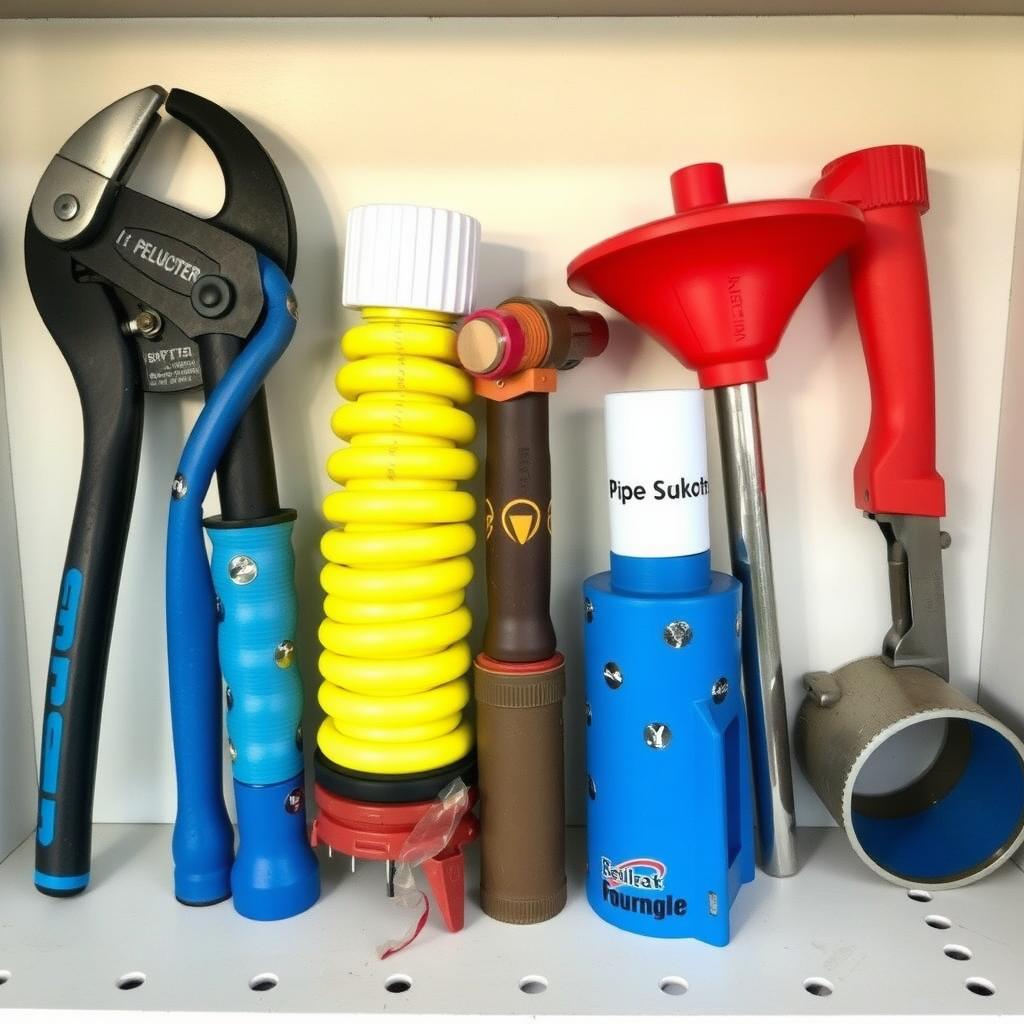
Hand tools are the foundation of any toolkit. They’re versatile, easy to use, and perfect for beginners. Here are the must-haves:
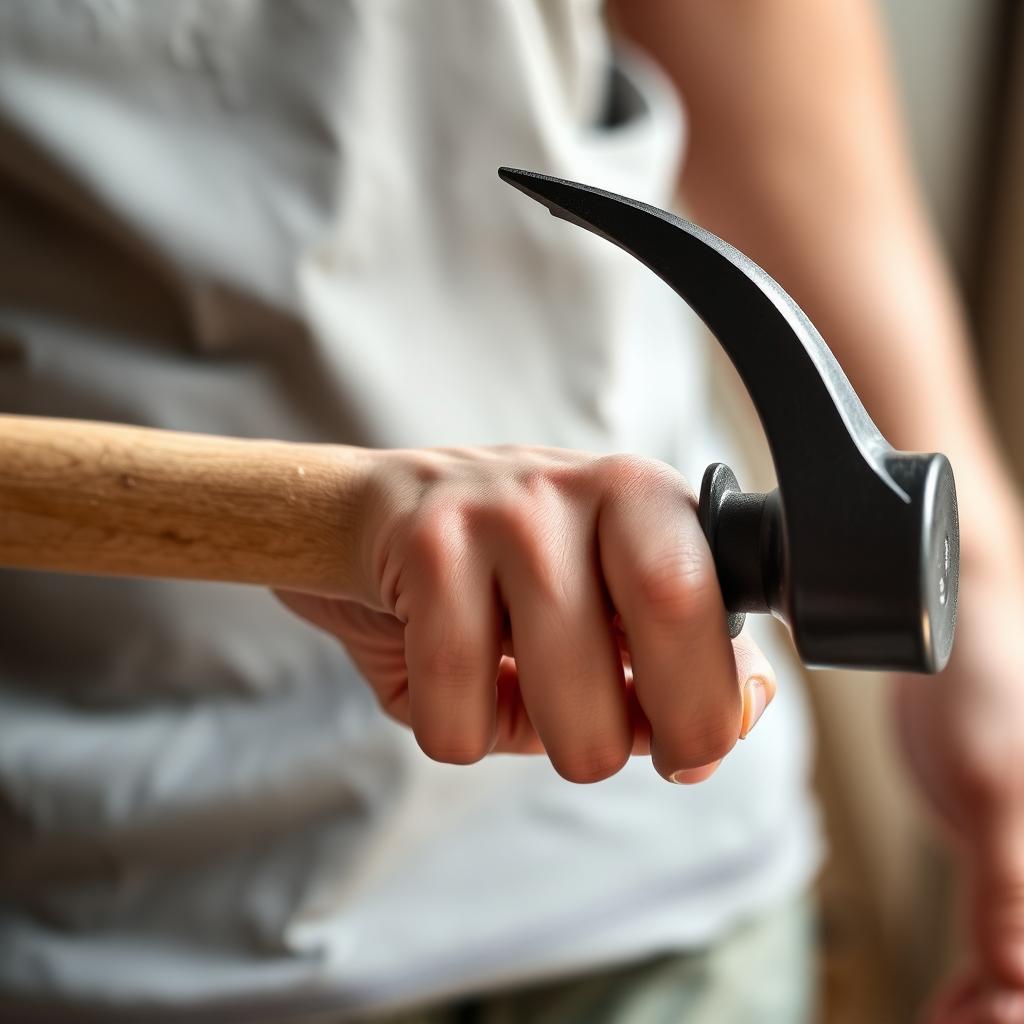
- Hammer: A claw hammer is ideal for driving and removing nails. Look for one with a comfortable grip to reduce hand fatigue.
- Screwdrivers: Invest in a set with both flathead and Phillips-head options. Magnetic tips can make handling screws easier.
- Pliers: Needle-nose pliers are great for gripping small objects, while adjustable pliers handle larger tasks like tightening bolts.
- Utility Knife: Perfect for cutting materials like cardboard or insulation. Always retract the blade when not in use to prevent accidents.
- Tape Measure: A 25-foot tape measure is standard. Look for one with a locking mechanism to hold measurements in place.
Personal Insight: When I first started, I underestimated the importance of a good tape measure. I once mismeasured a shelf, leading to a wobbly installation. Lesson learned: always double-check your measurements!
!Essential hand tools for beginners Alt Text: Essential hand tools for beginners.
2. Power Tools: Starting with the Basics
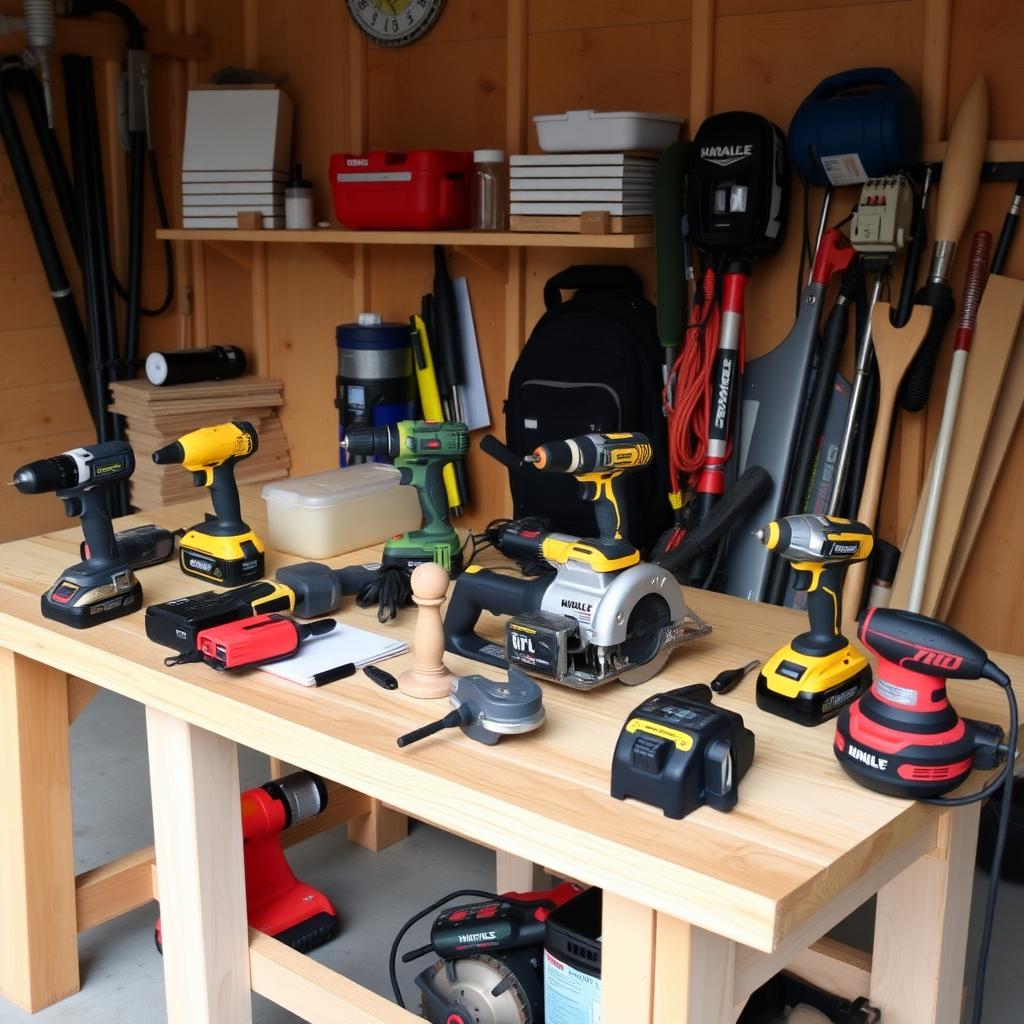
Power tools can be intimidating, but they save time and effort. Start with these beginner-friendly options:
- Cordless Drill: Essential for drilling holes and driving screws. Choose one with variable speed settings and a keyless chuck for easy bit changes.
- Circular Saw: Ideal for straight cuts in wood. Always use a guide or clamp to ensure accuracy.
- Jigsaw: Great for curved or intricate cuts. Practice on scrap wood to get a feel for the tool's movement.
Tip: Safety is crucial with power tools. Always wear safety glasses and follow the manufacturer's instructions. If you're unsure, watch tutorial videos from trusted sources like This Old House.
!Beginner using a cordless drill safely Alt Text: Beginner using a cordless drill safely.
3. Measuring and Layout Tools
Accurate measurements are the key to successful projects. These tools will help you get it right:
- Level: Ensures surfaces are straight. A 2-foot level is a good starting point.
- Square: Use a combination square for marking 90-degree angles or checking if corners are square.
- Chalk Line: Perfect for marking long, straight lines on floors or walls.
Personal Insight: I once skipped using a level while hanging a picture frame, thinking it looked straight. It wasn't. Now, I always use a level for precision.
!Using a level for accurate installation Alt Text: Using a level for accurate installation.
4. Organizing Your Tools: The Importance of Toolboxes
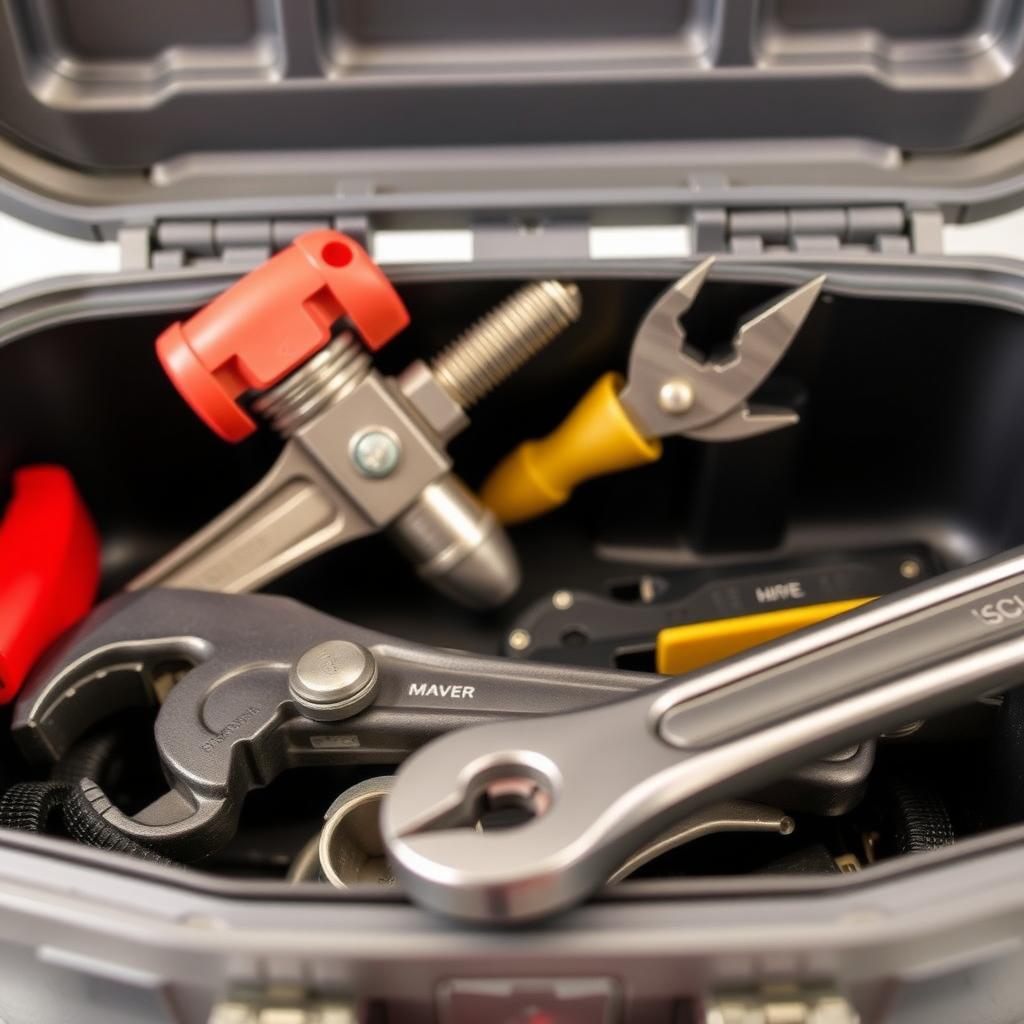
A good toolbox keeps your tools organized and accessible. For beginners, a portable toolbox with compartments is ideal. Look for one with a sturdy handle and enough space to grow your collection.
Tip: Label compartments to quickly find what you need. This habit saved me countless hours during projects.
!Organized toolbox for beginners Alt Text: Organized toolbox for beginners.
5. Safety Gear: Non-Negotiable for Beginners
Safety should always come first. Essential gear includes:
- Safety Glasses: Protect your eyes from debris.
- Work Gloves: Prevent cuts and blisters.
- Ear Protection: Necessary when using loud power tools like saws.
Personal Insight: I once skipped gloves while handling rough wood and ended up with splinters. Now, I never start a project without them.
!Essential safety gear for beginners Alt Text: Essential safety gear for beginners.
6. Learning Resources and Practice Projects
Start with simple projects to build confidence. Try assembling a birdhouse or installing a shelf. For guidance, check out resources like Family Handyman, which offers beginner-friendly tutorials.
Tip: Don't rush. Take your time to understand each tool's function and practice using it safely.
!Beginner completing a practice project Alt Text: Beginner completing a practice project.
Summary
Workman tools for beginners open the door to fixing, building, and creating. Start with hand tools like hammers and screwdrivers, add a drill or saw, and keep everything in a toolbox. Safety gear is a must, and practice builds skill. Check out the readings below to dig deeper.
Recommended Readings
-
"The Complete Guide to Home Carpentry"
Learn foundational carpentry skills with step-by-step instructions.
Read more at Popular Mechanics. -
"Power Tool Basics for Beginners"
Understand how to safely use and maintain power tools.
Read more at Bob Vila. -
"DIY Home Repair: A Beginner's Guide"
Tackle common home repairs with confidence.
Read more at This Old House. -
"Toolbox Essentials for Every DIYer"
Discover which tools are worth investing in as a beginner.
Read more at Family Handyman. -
"Safety First: Protecting Yourself in the Workshop"
Learn best practices for staying safe while using tools.
Read more at OSHA.gov.
Related workman tools for beginners:
- The Ultimate Guide to Plumbing Tools
- The Science Behind Ergonomic Design
- Stay Safe: Power Tool Basics
- Ergonomic Power Drills for Reduced Fatigue
- Choosing the Right Saw for Your Project
- Top Plumber Tool Sets for Home Repairs
- Choosing the Right Power Tools for Your Project
- Comprehensive Hand Tools Safety Guidelines
- Maximizing Efficiency: Organizing Your Work Space
- Types of Torque Wrenches: A Comprehensive Guide
- Choosing the Right Multimeter
- Innovative Workman Tools for Efficiency