Overview
Black & Decker has shaped the tool industry for over a century. Starting as a small Baltimore shop, they’ve grown into a global name in power tools. Their legacy rests on groundbreaking ideas, quality, and tools that anyone can use.
Main Content
The History of Black & Decker: Pioneers of Power Tools
In 1910, S. Duncan Black and Alonzo G. Decker kicked things off with a tiny machine shop in Baltimore, Maryland. They had $1,200 and big dreams. At first, they built machines for milk bottle caps and candy dipping. But in 1917, everything changed. They invented the first portable electric drill with a pistol grip and trigger switch. Suddenly, drilling holes wasn’t just for pros—it was for everyone. That single tool sparked the modern power tool industry.
I’ve held one of those early drills at a tool museum once. It’s heavier than you’d expect, but you can feel the history in it. Black & Decker didn’t just make a tool; they made a movement.
Image description: A vintage Black & Decker drill from the 1920s sits on a wooden workbench. Its worn metal body and classic pistol grip hint at the countless holes it’s drilled over decades.
Alt text: Vintage Black & Decker drill
A Century of Innovation
Black & Decker didn’t stop with the drill. In 1946, they launched home utility drills for the rising DIY crowd. This put power tools in more hands than ever. By the 1950s and 60s, they added outdoor tools like lawn edgers and hedge trimmers. In 1962, they rolled out a cordless hedge trimmer—another first.
Then came 1979 and the DustBuster. I remember my parents getting one when I was a kid. That little handheld vacuum changed how we cleaned up crumbs. It wasn’t just a tool; it was a lifesaver. These leaps show Black & Decker’s knack for spotting what people need and delivering it.
Image description: A lineup of Black & Decker tools rests on a garage shelf— a 1940s drill, a 1960s trimmer, and a bright orange DustBuster. Each one tells a story of design getting smarter over time.
Alt text: Evolution of Black & Decker tools
Top Ergonomic Power Drills for Reduced Fatigue
Black & Decker gets that tools aren’t just about power—they have to feel good to use. Their drills come with soft grips, balanced weight, and controls that make sense. I’ve used their modern drills for hours on projects, and my hands don’t ache like they used to with older models. Features like adjustable speeds and torque settings let you tweak the tool to fit your job.
Here’s a quick look at some of their drills:
| Model | Handle Design | Weight | Speed Settings | Torque Settings |
|---|---|---|---|---|
| Drill A | Ergonomic grip | 3.5 lbs | 0-1500 RPM | 10 settings |
| Drill B | Pistol grip | 4.2 lbs | 0-2000 RPM | 15 settings |
| Drill C | T-handle | 3.8 lbs | 0-1800 RPM | 12 settings |
Pick one based on what feels right for you. Lighter weight and a comfy grip can make all the difference on a long day.
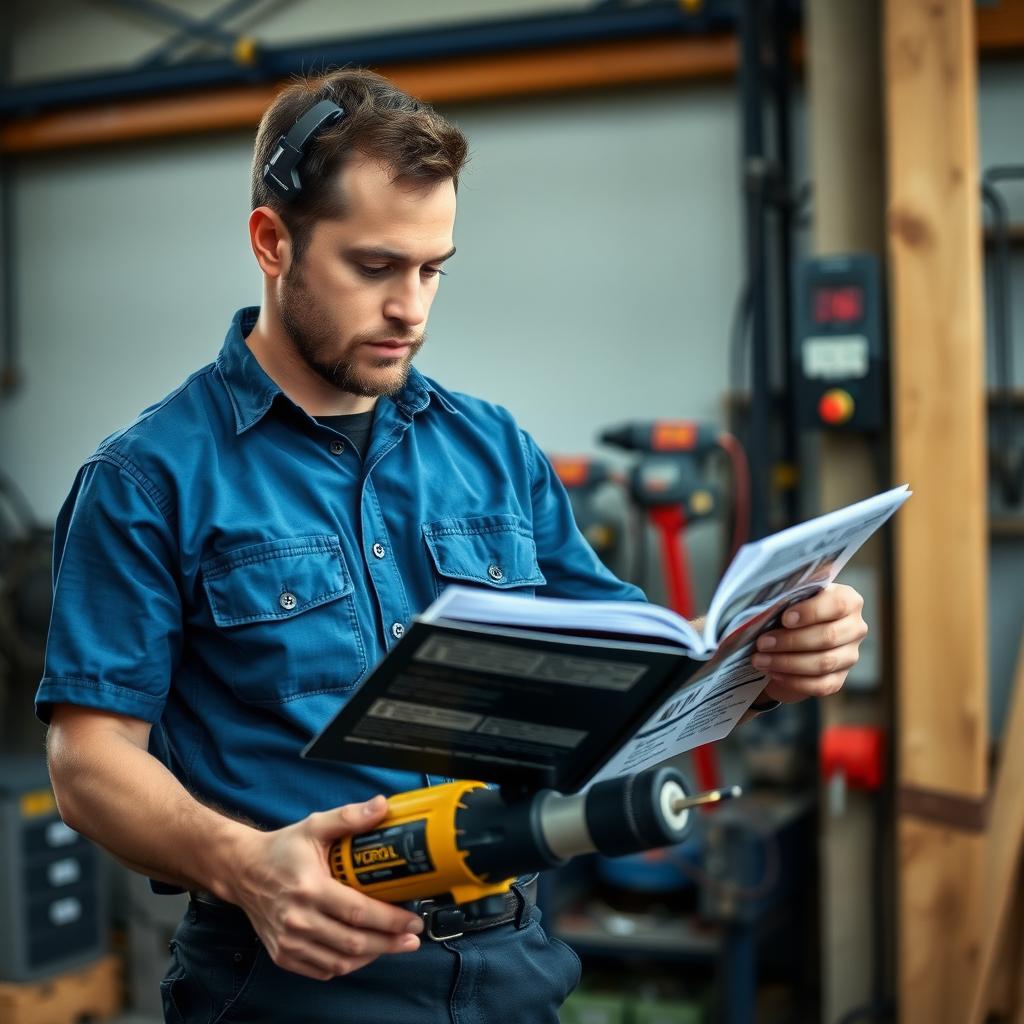
Image description: A close-up of a worker’s hands holding a modern Black & Decker drill. The soft-grip handle fits snugly, and the bright LED light shines on a half-drilled hole in wood.
Alt text: Modern Black & Decker drill
The Evolution of Power Tools: From Hand Tools to High-Tech Gadgets
Power tools have transformed over time. Way back, they were bulky and tough to handle. Think of early electric saws that weighed a ton. Black & Decker changed the game with that portable drill. Since then, they’ve kept pushing. Lithium-ion batteries now mean no cords. Brushless motors last longer and run stronger. Some tools even connect to apps for extra control.
I’ve seen this shift myself. My granddad’s old hand-crank drill took forever to use. Now, I can finish a project in half the time with a Black & Decker cordless model. It’s wild how far we’ve come.
Image description: A sleek, modern Black & Decker drill lies next to an old hand drill on a rustic table. The contrast shows how tools have shrunk and powered up over the years.
Alt text: Modern vs. vintage power tools
Why It Matters
Black & Decker’s legacy in tool innovation isn’t just about cool gadgets. It’s about making work easier and more doable for regular people. Their tools have built homes, gardens, and memories. They’ve stayed ahead by listening to users and improving what they offer. That’s why they’re still a go-to name after all these years.
Image description: A cluttered workbench holds a shiny Black & Decker drill, saw, and sander. Sawdust and wood scraps around them prove they’ve been hard at work on someone’s project.
Alt text: Black & Decker tools in action
Summary
Black & Decker’s legacy in tool innovation shines through their history. They pioneered the portable drill, mastered ergonomics, and drove the evolution of power tools. Their focus on quality and accessibility keeps them a favorite for pros and DIYers alike.
Recommended Readings
- "The History of Black & Decker: A Century of Innovation" - Dive into their game-changing story.
- "Ergonomics in Power Tools: How Black & Decker Leads" - Learn what makes their tools so comfy.
- "The Evolution of Power Tools: Past to Present" - See how tools went from basic to brilliant.
Related Black & Decker’s Legacy in Tool Innovation:
- Tool Maintenance 101: Keeping Your Tools in Top Shape
- Essential Construction Tools for Masonry Work
- Essential Tools for Every Craftsman
- Essential Safety Tips for Workman Tools
- What’s Next for Cordless Technology
- Workman Tools for Beginners
- The Ultimate Guide to Plumbing Tools
- The Science Behind Ergonomic Design
- Stay Safe: Power Tool Basics
- Ergonomic Power Drills for Reduced Fatigue
- Choosing the Right Saw for Your Project
- Top Plumber Tool Sets for Home Repairs