Fire Safety in Home Workshops is non-negotiable for every DIY enthusiast who values their projects and their home. Whether you tinker in a garage corner or a dedicated basement space, one spark can turn your hobby haven into a disaster. This guide shares Essential Safety Tips for Your Home Workshop drawn from real-world experience, helping you create a safer, more efficient setup while incorporating Workshop Organization Tips for Maximizing Efficiency and smart choices in essential tools for every handyman.
Home workshops buzz with activity—power tools humming, wood shavings flying, and creative ideas flowing. But hidden dangers like flammable solvents, sawdust buildup, and overloaded outlets lurk everywhere. According to fire safety experts, thousands of home fires occur yearly in the U.S., many tied to residential spaces used for hobbies or storage. By following proven prevention steps, you protect not just your tools but your family and property too.

Why Fire Safety Matters in Your Home Workshop
Imagine spending weekends building furniture or fixing gadgets, only to face a preventable blaze. In my years helping friends set up their spaces, I've witnessed how a small oversight—like storing rags near a heat source—can escalate quickly. Statistics from reputable sources highlight the risks: heating equipment and electrical issues rank high among home fire causes, especially in areas with tools and materials.
The National Fire Protection Association emphasizes proactive measures through their comprehensive home fire safety resources. Similarly, the Occupational Safety and Health Administration outlines fire protection guidelines that translate well to hobbyist setups, stressing clear workspaces and proper equipment. A University of Texas fire safety awareness page notes that nearly half of home fire deaths happen at night, underscoring the need for reliable alarms even in workshops.
Common Fire Hazards to Watch For
Home workshops introduce unique risks beyond standard household ones. Flammable liquids like paint thinners, gasoline for small engines, and wood stains can ignite easily. Combustible dust from sanding or sawing creates explosive clouds if not managed. Overheated power tools, frayed extension cords, and poor ventilation trap fumes that spark fires.
Electrical overloads happen fast when multiple tools run on one circuit. Cluttered spaces block escape routes and hide smoldering embers. Recognizing these helps you act before trouble starts—turning potential disasters into non-events through simple habits.

Essential Safety Tips for Your Home Workshop
Start with the basics to build a fire-resistant foundation:
-
Install the right detectors: Use smoke and heat alarms suited for dusty environments—photoelectric models resist false triggers from sawdust. Test monthly and replace every 10 years as advised by experts at the University of Texas Fire Prevention Services.
-
Choose and position extinguishers wisely: Keep a multi-purpose ABC extinguisher within easy reach. Mount one near the exit and another by high-risk areas like the workbench. Learn the PASS method: Pull the pin, Aim at the base, Squeeze the handle, and Sweep side to side.
-
Store flammables properly: Use approved metal cabinets away from heat sources. Limit quantities and follow OSHA guidelines for safe handling to minimize vapor buildup.
-
Maintain electrical safety: Inspect cords before each use. Avoid daisy-chaining power strips. Install ground-fault circuit interrupters near wet areas or outdoor extensions.
These Essential Safety Tips for Your Home Workshop cut risks dramatically while letting you focus on creativity.
Workshop Organization Tips for Maximizing Efficiency
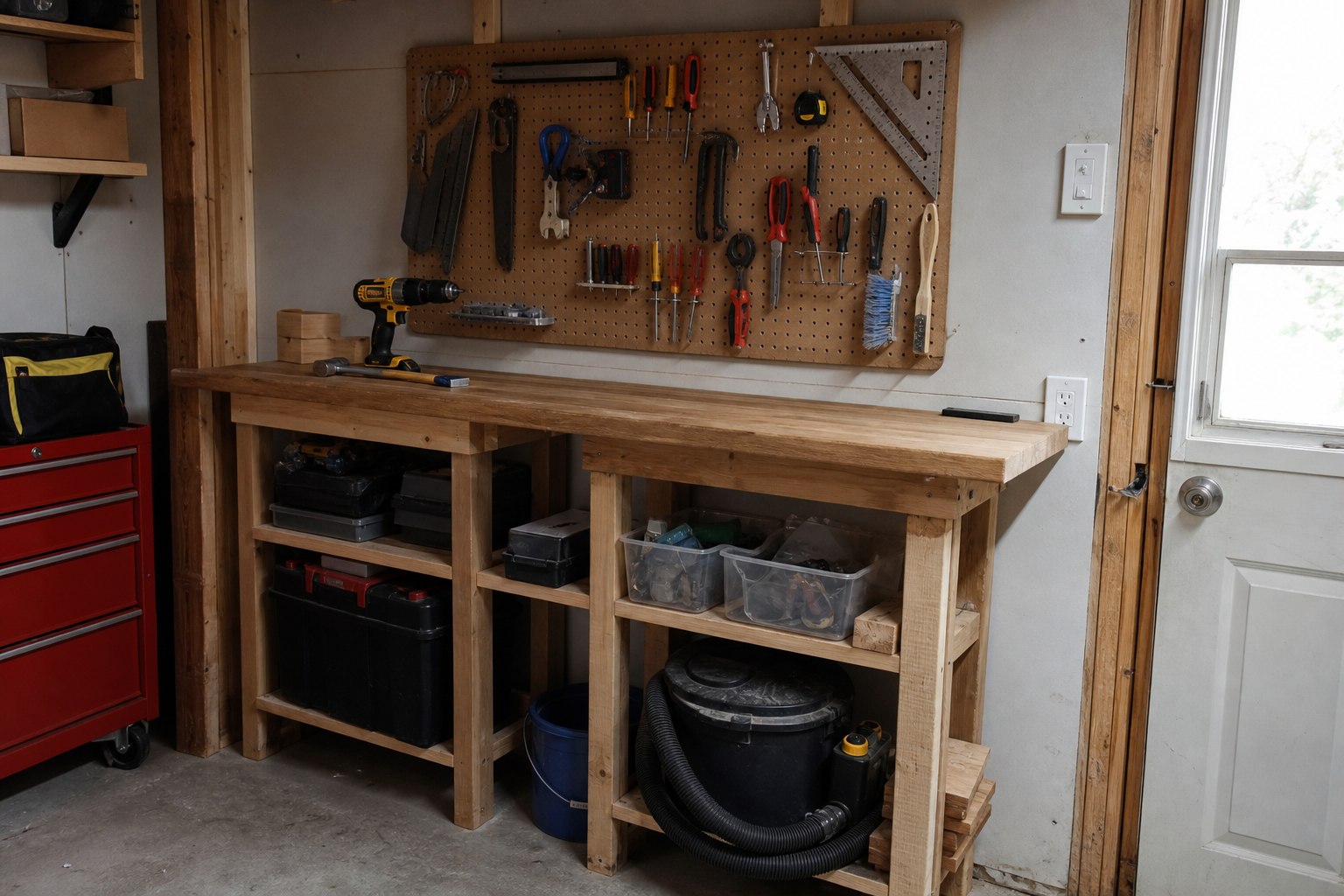
A tidy space isn't just pleasing—it's safer. Adopt Workshop Organization Tips for Maximizing Efficiency by creating zones: one for cutting, one for finishing, and one for storage. Use pegboards and shadow boards for tools so you spot missing items instantly. Clear floors daily to prevent trip hazards or fuel for fires.
Install overhead racks for lumber and vertical storage for sheets. Label everything clearly. This setup reduces clutter that traps dust or blocks extinguishers. Many handymen report projects finish faster in organized shops because everything has its place—no frantic searching while a tool overheats.

DIY Workbench Plans for Small Spaces
Limited room? No problem. Simple DIY Workbench Plans for Small Spaces can include fire-safe features from the start. Build a sturdy bench from 2x4s and plywood with a non-flammable top surface. Add a lower shelf for heavy items and wall-mounted brackets to keep it stable.
Incorporate a built-in power strip with surge protection and easy-access extinguisher hook nearby. Position the bench near a window for natural ventilation but away from direct heat sources. These designs keep your workspace compact yet fully functional, blending safety with practicality.
Essential Tools for Every Handyman
Beyond saws and drills, stock up on safety-focused essential tools for every handyman. A quality fire extinguisher tops the list, followed by a first-aid kit and carbon monoxide detector for gas-powered equipment. Add a shop vacuum with HEPA filter to control dust, and heavy-duty gloves plus eye protection.
Don't forget a multimeter for checking electrical issues and fire blankets for small grease fires. These items empower quick responses and prevent minor incidents from growing.
Emergency Preparedness and Response
Prepare an escape plan with two exits from your workshop. Practice it with family. Keep a charged phone nearby and post emergency numbers visibly. After any incident, inspect wiring and tools thoroughly before resuming work.
Regular drills build confidence. As someone who's helped retrofit dozens of workshops, I always stress that preparation turns panic into calm action.
Wrapping Up: Build Your Safe Workshop Today
Fire Safety in Home Workshops doesn't limit your passion—it enhances it. By applying Essential Safety Tips for Your Home Workshop, smart Workshop Organization Tips for Maximizing Efficiency, practical DIY Workbench Plans for Small Spaces, and the right essential tools for every handyman, you create a space that's both productive and protected. Start small: check your extinguisher today and organize one shelf. Your future self—and your home—will thank you.
Related Fire Safety in Home Workshops:
- DIY Workbench Plans for Small Spaces: Build a Perfect Compact Workshop Setup
- Best Power Tool Maintenance Tips: Extend Tool Life and Work Smarter
- Organizing Your Workshop for Maximum Efficiency: [Link to organization tips]
- The Ongoing Evolution of Industrial Automation - Fresh Consulting
- Beginner's Guide to Bricklaying Techniques: Master the Basics with Confidence
- Pegboard Tool Organization Mastery: Transform Your Small Garage into an Efficient Workspace
- Common Workshop Injuries and How to Prevent Them
- Safe Deck Cleaning with Power Tools: Expert Tips for a Spotless Deck Without Damage
- Automation and the Workforce: A Guide to Upskilling
- Ergonomic Habits for Lasting Trades Careers: Build a Pain-Free Future in Skilled Trades
- Watercolor vs Acrylic: Choosing the Right Medium
- Impact Drivers vs. Drills: What's Best for Car Work?

![Organizing Your Workshop for Maximum Efficiency: [Link to organization tips]](https://rxtooler.com/images/88/9d/7d1510cb4e3987bdd346305b811d.jpg)


