Overview/Summary
Power washers are essential power tools that can make cleaning tasks easier and faster. However, like any machine, they require regular maintenance to ensure they last long and perform well. In this article, we'll explore how to maintain your power washer for longevity, including tips on cleaning, storage, and troubleshooting common issues. Whether you have an electric or gas-powered model, these tips will help you keep your power washer in top shape.
Choosing the Right Power Washer for Your Needs
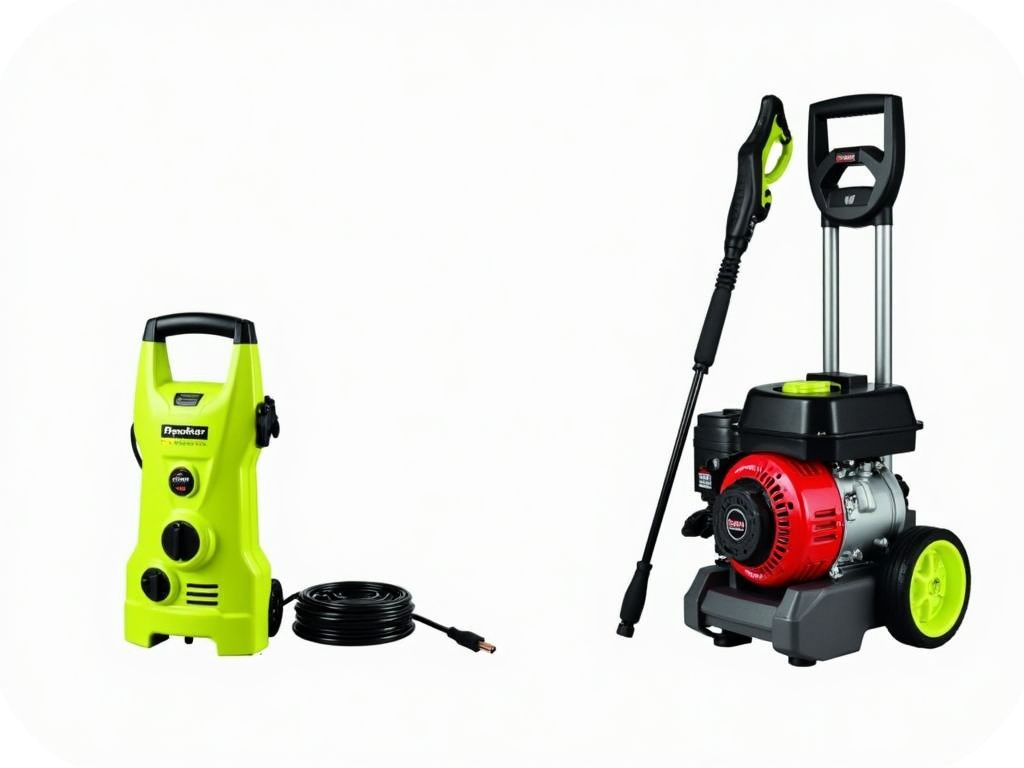
Before you can maintain your power washer, you need to choose the right one for your needs. Power washers come in various sizes and power levels, so it's important to select one that suits your tasks. For light-duty tasks like cleaning cars or patio furniture, an electric power washer with lower pressure (around 1300-1700 PSI) should suffice. For heavier tasks like cleaning driveways or stripping paint, a gas-powered model with higher pressure (2000 PSI or more) is better.
When choosing a power washer, also consider the flow rate, measured in gallons per minute (GPM). A higher flow rate means more water is used, which can be beneficial for larger areas.
Understanding Your Power Washer
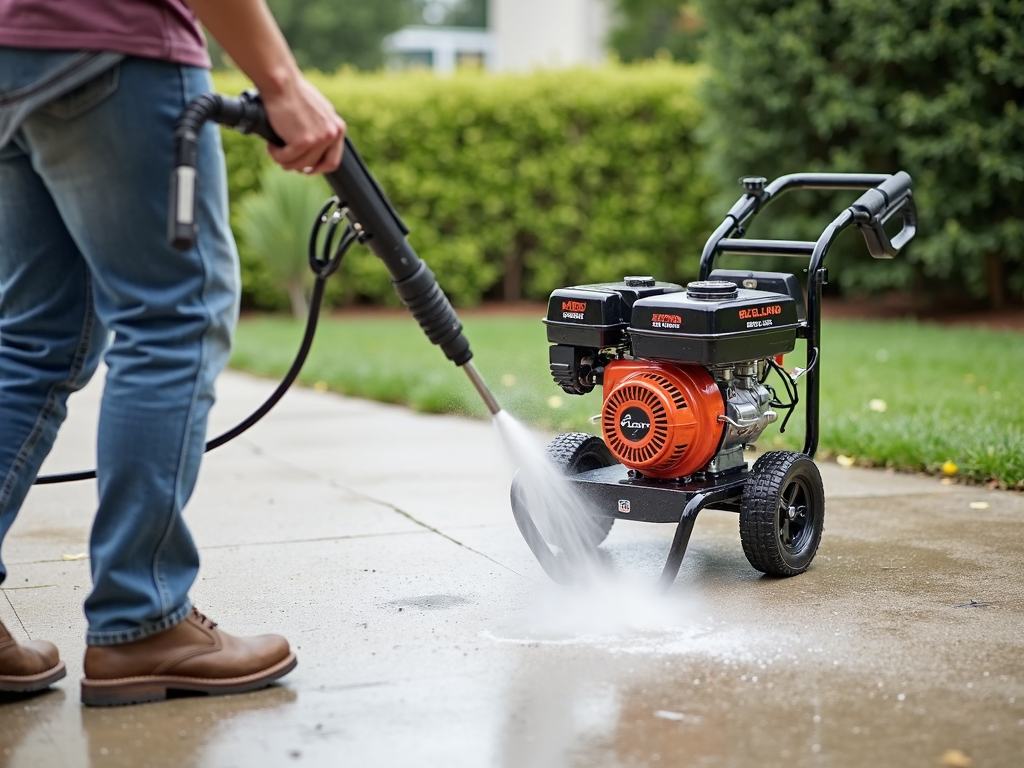
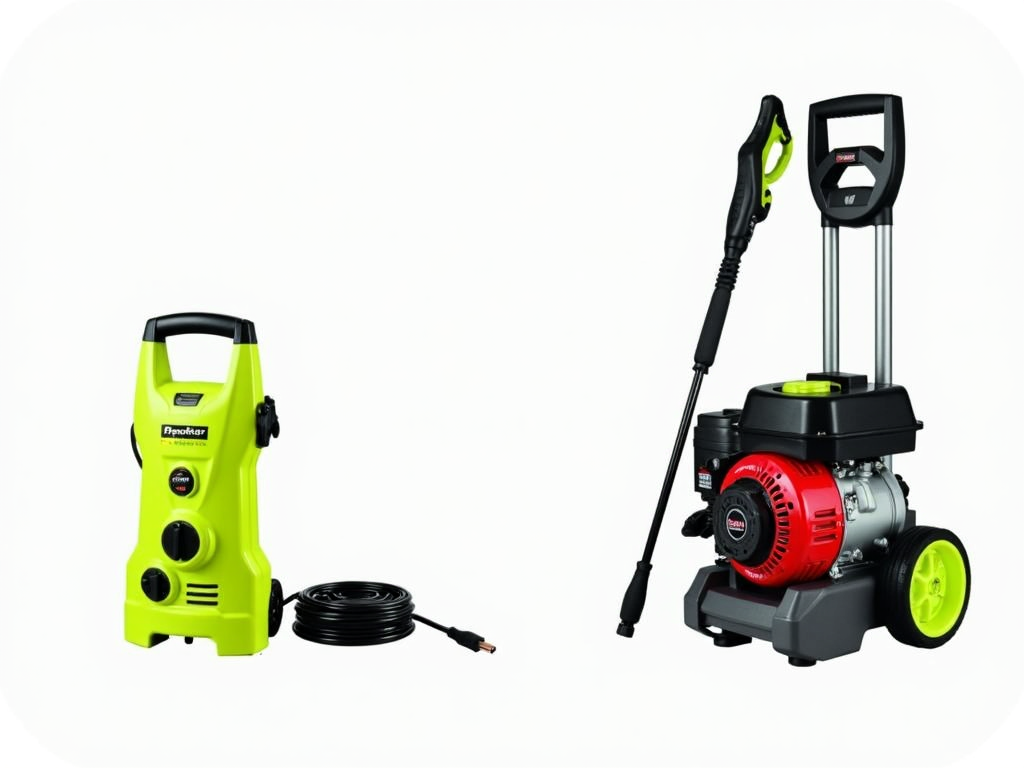
Before we dive into maintenance tips, it's important to understand the basics of your power washer. There are two main types: electric and gas-powered. Electric power washers are generally lighter, quieter, and easier to maintain, making them a good choice for smaller tasks like cleaning patios or cars. Gas-powered models, on the other hand, are more powerful and better suited for heavy-duty cleaning tasks like stripping paint or cleaning large driveways. For a detailed comparison, check out "Electric vs. Gas Power Washers: Which Wins?".
Basic components of a power washer include:
- Motor or Engine: The heart of the power washer, providing the power to drive the pump.
- Pump: Pressurizes the water to create the high-pressure spray.
- Hose: Delivers the pressurized water to the nozzle.
- Nozzle: Controls the spray pattern and intensity.
Understanding these parts will help you identify and address any issues that may arise. For example, if the motor or engine isn't running smoothly, it could affect the overall performance of the power washer.
Regular Maintenance Tips
Regular maintenance is key to extending the life of your power washer. Here are some essential tips:
- Cleaning the Power Washer
- After each use, clean the exterior of the power washer with a damp cloth to remove dirt and debris.
-
Flush the pump with clean water to prevent clogs and buildup. This is especially important if you've been using detergents or cleaning solutions.
-
Checking and Replacing Parts
- Inspect the hose for cracks, leaks, or wear. Replace it if necessary.
- Check the nozzle for clogs or damage. Clean or replace it as needed.
-
For gas-powered models, check the oil level and change it according to the manufacturer's recommendations. For more detailed guidance, see the University of XYZ's maintenance guide.
-
Proper Storage
- Store your power washer in a dry, cool place to prevent rust and damage. Avoid storing it in direct sunlight or extreme temperatures.
- For gas-powered models, drain the fuel tank or use a fuel stabilizer if storing for an extended period. This prevents the fuel from degrading and causing engine problems.
Troubleshooting Common Issues
Even with regular maintenance, you may encounter some common issues with your power washer. For more detailed guidance, see "Power Washer Troubleshooting and Repair." Here are some basic troubleshooting tips:
- Low Pressure
- Check for clogs in the nozzle or hose. Use a pin or small brush to clear any debris.
-
Ensure the water supply is adequate. Make sure the water source is turned on and the hose isn't kinked.
-
Leaks
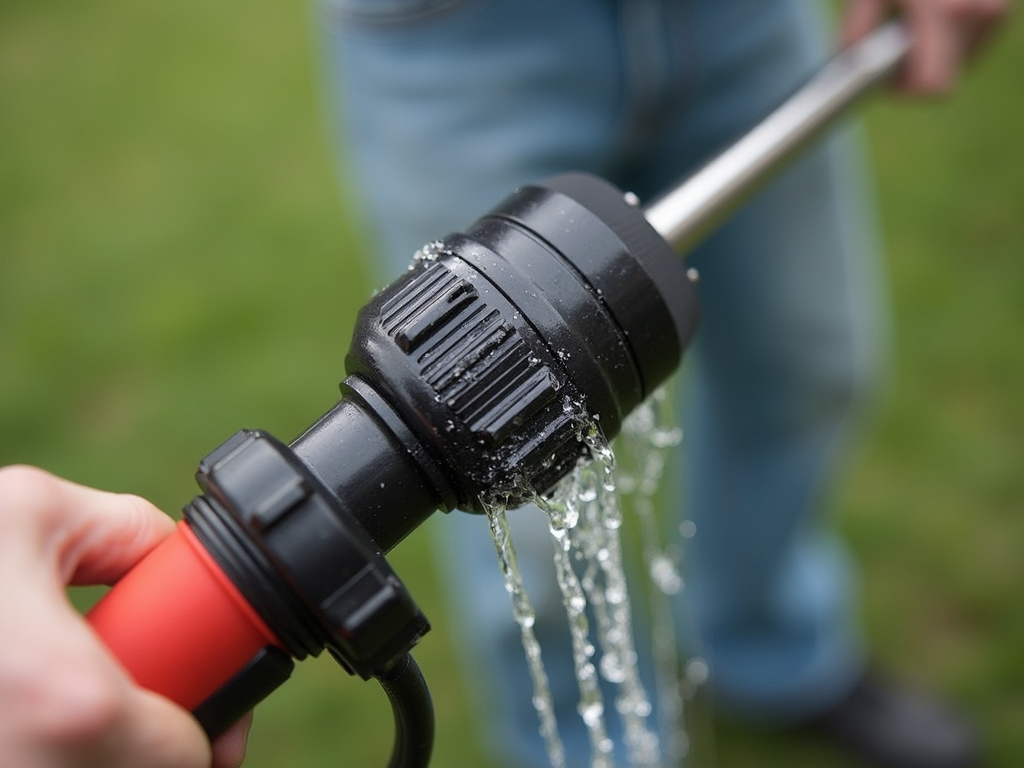
- Inspect the hose and connections for damage. Look for cracks or loose fittings.
-
Tighten any loose connections. If the leak persists, replace the damaged part.
-
Engine Problems (for gas models)
- Check the spark plug for wear or damage. Replace it if necessary.
-
Ensure the fuel is fresh and the tank is clean. Old or contaminated fuel can cause engine problems. For safety tips, refer to OSHA's power tool safety guide.
-
Pump Issues
- If the pump is making unusual noises or not building pressure, it may need to be serviced or replaced.
- Check the pump's oil level and change it if necessary.
Advanced Maintenance Techniques
For those who want to take their maintenance to the next level, here are some advanced techniques:
- Winterizing Your Power Washer
- Drain all water from the pump and hose to prevent freezing. Run the power washer for a few seconds after disconnecting the water supply to clear any remaining water.
-
Store the power washer in a heated area if possible. If not, use antifreeze in the pump to prevent damage.
-
Professional Servicing
- Consider having your power washer serviced by a professional every year or two. This can help identify and address any underlying issues that may not be apparent.
-
A professional can also perform more complex maintenance tasks, such as replacing seals or adjusting the pump.
-
Regular Inspections
- Perform regular inspections of your power washer, looking for signs of wear or damage.
- Keep a maintenance log to track when parts were replaced or serviced.
Summary
Maintaining your power washer is essential for ensuring its longevity and performance. By following these tips, you can keep your power washer in top shape and avoid costly repairs. Remember to clean your power washer regularly, check and replace parts as needed, and store it properly. If you encounter any issues, use the troubleshooting tips provided. For more in-depth maintenance, consider winterizing your power washer and having it professionally serviced.
Related How to Maintain Your Power Washer for Longevity:
- Screwdriver Safety Tips: A Comprehensive Guide for Safe Use
- Best Apps for Staying Focused: A Comprehensive Guide
- Ergonomic Tools: Why They Matter
- Understanding Torque: Essentials for Every Mechanic
- Must-Have Hand Tools for Mechanics: Your Essential Toolkit
- Enhancing Workshop Efficiency: Top Tips to Maximize Your Space
- How Technology is Making Workshops Safer
- How to Choose the Right Workman Tools for Your Project
- Tool Belts with Ergonomic Designs: A Game-Changer for Workman Tools
- Corded vs. Cordless: Which Power Tools Are Right for You?
- Mastering Metal Forming: Techniques and Tools
- Advanced Toolbox Organization Ideas for Every Handyman