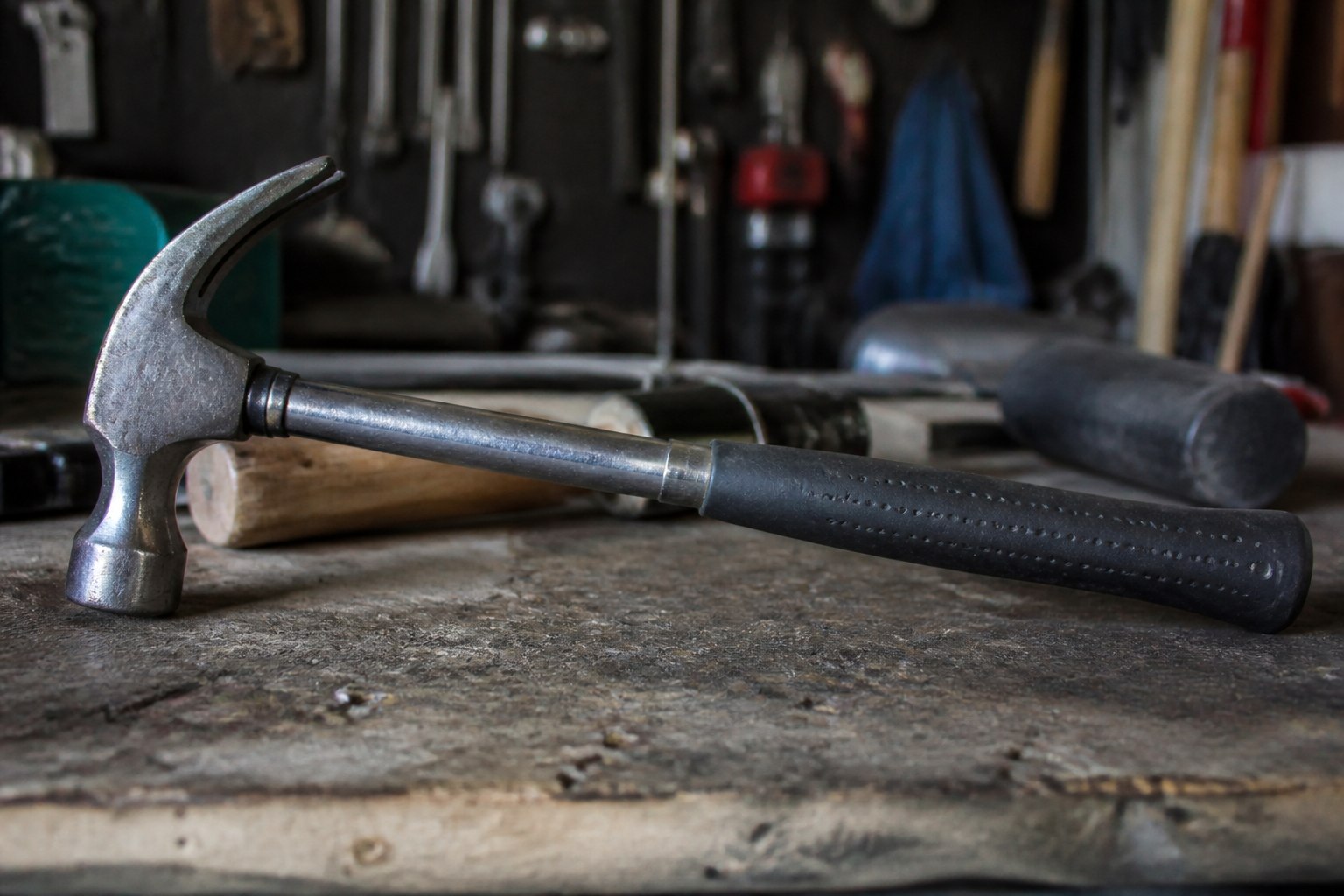
Choosing the right wrench size saves time, protects bolts, and keeps your hands safe. This guide shows simple ways to match wrenches to fasteners so your workman tools always fit perfectly.
I still remember the first time I rounded off a bolt head. I was under a car, working late, and grabbed the closest wrench that “looked about right.” The corners of the nut gave way with a soft crunch. What should have been a five-minute job turned into an hour of fighting a ruined fastener. That mistake taught me more about tools than any manual ever could.
If you work with wrenches and other workman tools, picking the correct size is one of the most important skills you can develop. The right fit gives you control. The wrong fit strips metal, wastes energy, and can send a tool flying. This article walks you through every practical step so you never guess again.

Why Wrench Size Matters More Than You Think
A wrench that is even a fraction of a millimeter too large will slip. Each slip removes a tiny bit of metal from the fastener corners. After a few slips the head becomes round and almost impossible to turn. A wrench that is too small simply will not fit.
The correct size grips the flat sides of the nut or bolt head firmly. You feel solid contact instead of play. That solid feel lets you apply force smoothly and reduces the chance of injury. Good contact also protects expensive or hard-to-replace fasteners on cars, machinery, and household equipment.
Most people who struggle with stuck bolts are not dealing with extreme rust. They are using the wrong size wrench. Once you learn how to choose the right wrench size, many “impossible” jobs become routine.
The Two Main Measurement Systems
Wrenches come in two common systems: SAE (also called standard or imperial) and metric.
- SAE sizes are measured in fractions of an inch: 1/4", 5/16", 3/8", 7/16", 1/2", and so on.
- Metric sizes are measured in millimeters: 8 mm, 10 mm, 12 mm, 13 mm, 14 mm, 17 mm, 19 mm, and larger.
Cars and equipment made in the United States before the 1980s often use SAE fasteners. Most vehicles and tools made after that period, along with almost everything from Europe and Asia, use metric. Many modern workshops keep both systems on hand because mixed fasteners appear regularly.
Never force a metric wrench onto an SAE fastener or the other way around. A 13 mm wrench is close to 1/2", but it is not the same. Using one in place of the other will damage the fastener.
How to Measure a Fastener Accurately
You do not need fancy tools to get the size right, but a few simple methods work best.
Method 1: Trial Fit with Your Existing Set
If you already own a set of wrenches, start by testing the most likely sizes. Hold the wrench up to the flats of the nut or bolt head. The correct wrench will slide on with almost no side-to-side movement. You should feel a snug, solid fit.
If the wrench rocks even a little, try the next size down. If it will not go on at all, try the next size up. This method is fast once you gain experience.
Method 2: Use a Caliper or Ruler
For unknown fasteners, measure across the flats (the distance between two parallel sides). A digital caliper gives the most accurate reading. Place the jaws on opposite flats and read the number. Match that number to the closest wrench size in your set.
If you only have a ruler, line it up carefully across the flats and estimate. Round to the nearest common size. Common SAE sizes jump by 1/16". Common metric sizes jump by 1 mm.
Method 3: Check the Head Markings
Some bolts have the size stamped on the head. Look for small numbers such as “13” or “1/2.” These markings are not always present, especially on older or cheap hardware, but they save time when they appear.

Matching Wrench Type to the Job
Not every wrench works the same way even when the size is correct.
- Open-end wrenches slide onto the fastener from the side. They are useful in tight spaces but grip only two flats. They can slip more easily under high torque.
- Box-end wrenches surround the fastener completely. They grip all six sides and handle higher force without rounding the head. Many combination wrenches give you both styles on opposite ends.
- Adjustable wrenches (sometimes called Crescent wrenches) can cover a range of sizes. They are convenient but less precise. Always tighten the jaw firmly against the flats and pull so the force presses against the fixed jaw, not the movable one.
- Socket wrenches with a ratchet offer the best control for most jobs. Choose a six-point socket when possible. Twelve-point sockets fit more positions but can round fasteners more easily under heavy load.
For workman tools used every day, a quality combination wrench set in both metric and SAE covers the majority of tasks. Add a good socket set and one or two adjustable wrenches for the odd sizes that appear.
Common Mistakes and How to Avoid Them
Even experienced users make these errors:
- Grabbing the “almost right” size because it is closer. Almost right is still wrong. The small amount of play will damage the fastener.
- Using an adjustable wrench for high-torque jobs. Adjustable jaws can open under pressure and slip.
- Ignoring worn tools. Old wrenches with rounded or spread jaws no longer fit tightly. Replace them.
- Mixing systems without checking. Keep SAE and metric wrenches in separate sections of your toolbox so you do not grab the wrong one in a hurry.
- Forcing a wrench that feels tight. If it does not slide on smoothly, stop and re-measure.
I keep a small notebook in my toolbox where I write the sizes I use most often on specific machines. After a few jobs the pattern becomes clear and I reach for the correct wrench without thinking.
Building a Practical Wrench Collection
You do not need every size ever made. Start with the sizes that appear most often in your work.
A solid starter set for general workman tools includes:
Metric combination wrenches: 8, 10, 12, 13, 14, 15, 17, 19 mm
SAE combination wrenches: 1/4, 5/16, 3/8, 7/16, 1/2, 9/16, 5/8, 3/4 inch
Add larger or smaller sizes as your projects demand them. Quality matters more than quantity. A well-made wrench holds its shape and stays accurate for years. Cheap sets often have jaws that spread or sizes that are slightly off, which defeats the purpose of careful measuring.
Store your wrenches so the size is easy to see. Many people hang them on a board or keep them in a tray with labeled slots. Quick identification reduces the temptation to grab the wrong tool.

Personal Tips from Years of Trial and Error
After two decades of using wrenches almost every day, a few habits have stuck with me.
First, I always test the fit before applying real force. A quick wiggle tells me if the contact is solid. Second, I clean the fastener and the wrench jaws. Dirt or paint can create false play and make a correct size feel loose. Third, I replace any wrench that has started to round at the corners. A damaged tool will only create more damaged fasteners.
When I work on unfamiliar equipment I take thirty seconds to measure the first few fasteners. That short pause almost always saves time later. I also keep a cheap pair of digital calipers in the same drawer as my most-used wrenches. The combination of measurement and trial fit is faster and more reliable than either method alone.
Finally, I treat every rounded bolt as a lesson. Instead of blaming the fastener, I ask which size I should have chosen and why the wrench I used felt acceptable at the time. That small review keeps the same mistake from happening twice.
Quick Reference Guide
Use this simple checklist the next time you reach for a wrench:
- Identify whether the fastener is metric or SAE if possible.
- Measure across the flats or test with likely sizes.
- Confirm a snug fit with almost zero side play.
- Choose the wrench style that gives the best grip for the space and torque required.
- Clean both the tool and the fastener before applying force.
- Stop immediately if the wrench starts to slip and recheck the size.
Following these steps turns size selection into a short, automatic habit rather than a source of frustration.
Final Thoughts
Learning how to choose the right wrench size is one of the highest-return skills in any toolbox. It protects your fasteners, speeds up every job, and reduces the risk of injury. Whether you are maintaining a car, assembling furniture, or working on machinery, the same simple principles apply.
Start by measuring carefully, testing the fit, and using quality workman tools that match the system of the fasteners you face most often. Over time the process becomes second nature. You will spend less time fighting rounded bolts and more time finishing the work that matters.
The next time you pick up a wrench, take those extra few seconds. Your future self, standing under a car or behind a machine, will thank you.
Related how to choose the right wrench size:
- 10 Essential Workshop Safety Rules Every DIYer Should Know
- Beginner's Guide to Bricklaying Techniques: Step-by-Step
- Safety Tips for Power Tools in the Home Shop: Essential Guide for Beginners
- High-Quality Workman Tools for Professionals: The Ultimate Guide to Workshop Equipment
- Top 5 Popular Brands for Workman Tools in 2026: Expert Guide to Workshop Equipment
- Top 10 Must-Have Tools for Every Construction Worker in 2026
- How to Choose the Right Socket Set for Your Car: A Complete Guide to Essential Wrenches for Automotive Repair
- Must-Have Tools for Every DIY Project: Your Ultimate Guide to Beginner Success
- Workman Tool Maintenance Tips: Keep Your Toolbox and Workman Tools in Peak Condition
- Tool Belts for Construction Workers: The Ultimate 2026 Guide to Comfort, Durability, and Productivity
- Choosing Sensors for Your Industry: A Complete Guide to Industrial Sensors and Advanced Electrical Tools for Automation
- Guide to Cordless Power Tool Batteries and Chargers