Screwdriver safety tips help you work smarter and safer with screwdrivers. This guide covers everything from proper grip to emergency responses so you can tackle projects confidently. Whether you're a DIY enthusiast or a professional using workman tools, these tips will keep you protected and productive.
Screwdriver safety tips are more than just common sense. They prevent cuts, slips, and eye injuries that can ruin your day or cause serious harm. As someone who has used screwdrivers daily for years, I can tell you that following these steps makes every job smoother and less stressful.
Start by choosing the right screwdriver for the job. Using the wrong size or type can slip and cause damage. Always match the blade width to the screw head. For example, a Phillips screwdriver for cross-head screws works best. This simple choice reduces the chance of the blade catching and injuring your hand.

Hold the screwdriver with a firm but relaxed grip. Your hand should wrap around the handle like a fist, but keep your thumb on top. This position gives you better control and prevents the tool from slipping. Avoid resting your thumb on the blade edge. That habit causes most accidents.
When turning the screwdriver, push straight forward or backward. Twisting the wrist wastes energy and increases the risk of losing control. If the screw resists, stop immediately and check for a stripped head instead of forcing it. Stripped screws lead to worse damage and safety hazards.
Always wear the right personal protective equipment. Safety glasses or goggles protect your eyes from flying metal particles. Gloves help keep your hands from slipping and protect against minor cuts. Sturdy shoes are a must, especially on construction sites where debris is common.
Many workman tools include built-in safety features. Look for screwdrivers with protective caps or rubberized grips. These features reduce hand fatigue and improve control. Investing in quality workman tools pays off in fewer injuries over time.
Inspect your screwdriver before every use. Check the blade for chips or bends. Dull or damaged blades are harder to control and more likely to slip. Replace any tool that shows wear. A quick inspection takes less than a minute and prevents bigger problems.

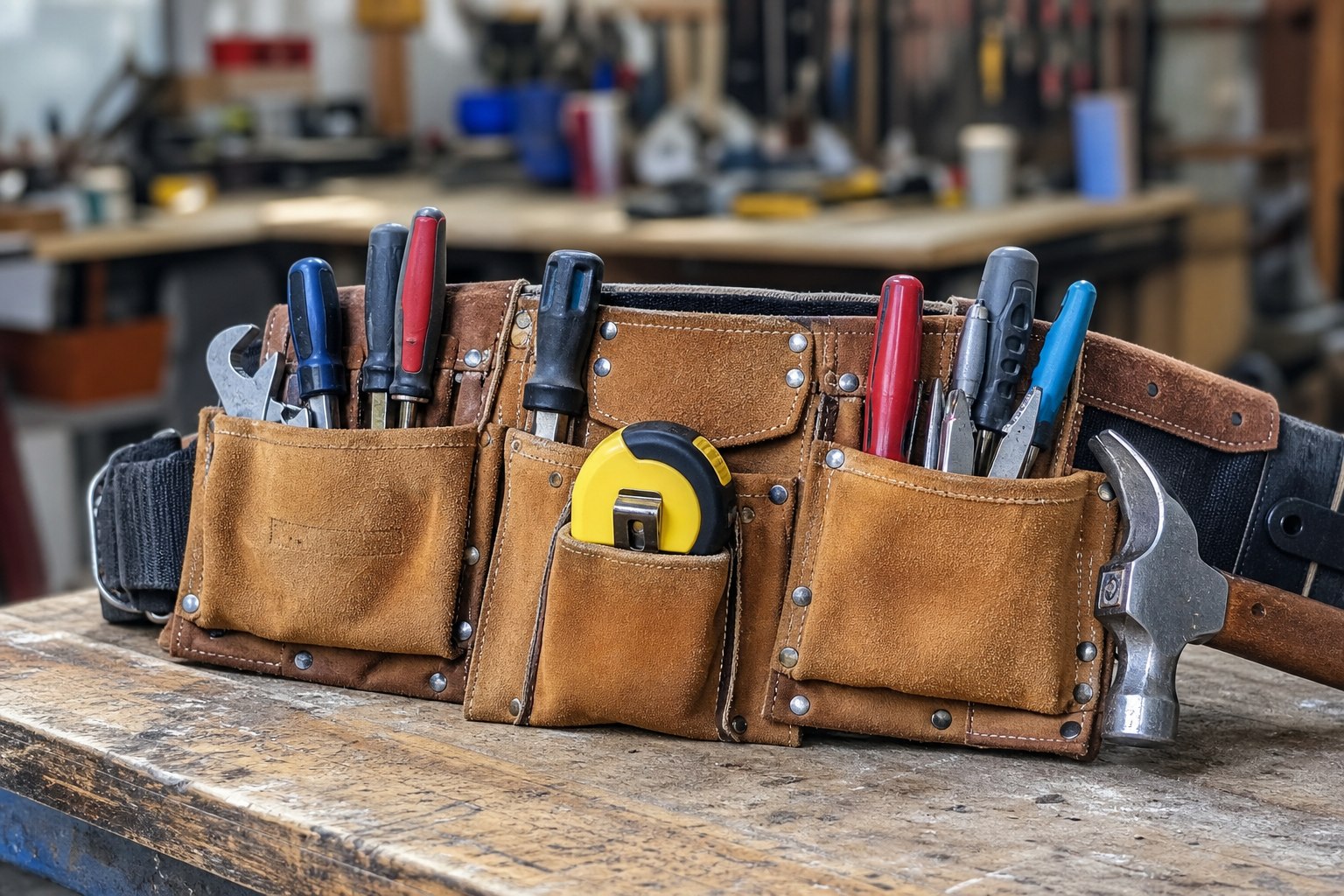
Keep screwdrivers organized in a tool belt or magnetic holder. Loose tools in your toolbox can fall out and cause injury during use. Having them easily accessible also means you can grab the right one faster, reducing time wasted searching.
Teach everyone in your workspace to follow these safety tips. When kids or coworkers use screwdrivers, explain the dangers of forcing a stripped screw. Clear communication builds a safer environment for everyone.
Store screwdrivers in a dry place away from chemicals or moisture. Dampness can rust the blade and make the handle slippery. A dedicated drawer or case keeps tools safe and ready for the next project.
If you have a screwdriver accident, stay calm. First, check if the wound is deep or bleeding heavily. Apply pressure with a clean cloth and seek medical help if needed. In the workshop, keep a first-aid kit nearby for quick access.
Training on proper screwdriver use can prevent most injuries. Many tool manufacturers offer free online guides. Watching these videos helps you learn techniques that pros use every day.
Practice these screwdriver safety tips in low-risk situations first. Once you feel confident, apply them to real projects. Small habits create big safety improvements.
Screwdriver safety tips remind us that the right approach turns a simple task into a safe one. By focusing on grip, inspection, and protection, you protect your hands, eyes, and tools. Your projects will go smoother and your peace of mind will stay intact.
Related screwdriver safety tips:
- DIY Workbench Plans for Small Spaces: Build a Perfect Compact Workshop Setup
- Essential Tools for Every Handyman: Building Your Toolkit
- Digital Detox: How to Reduce Screen Time and Improve Focus
- Must-Have Hand Tools for Mechanics: The Essential Workman Tools That Get the Job Done Right
- Tool Belts with Ergonomic Designs: Boost Comfort, Efficiency, and Safety for Every Workman
- Best Ratcheting Wrenches for Fast Repairs Guide
- Understanding OSHA Standards for Scaffolding Safety
- How to Choose the Best Toolbox for Your Needs
- Must-Have Workman Tools for Every Toolbox: Your Complete Guide to Essential Construction Gear
- Next-Level Gear for Pro Mechanics: Must-Have Hand Tools for Mechanics & Workman Tools in 2026
- The Ultimate Guide to Tool Maintenance: Keep Your Workman Tools in Top Shape for Years of Reliable Use
- Understanding the Latest Trends in Workman Tools: Smart, Sustainable Picks for Efficiency