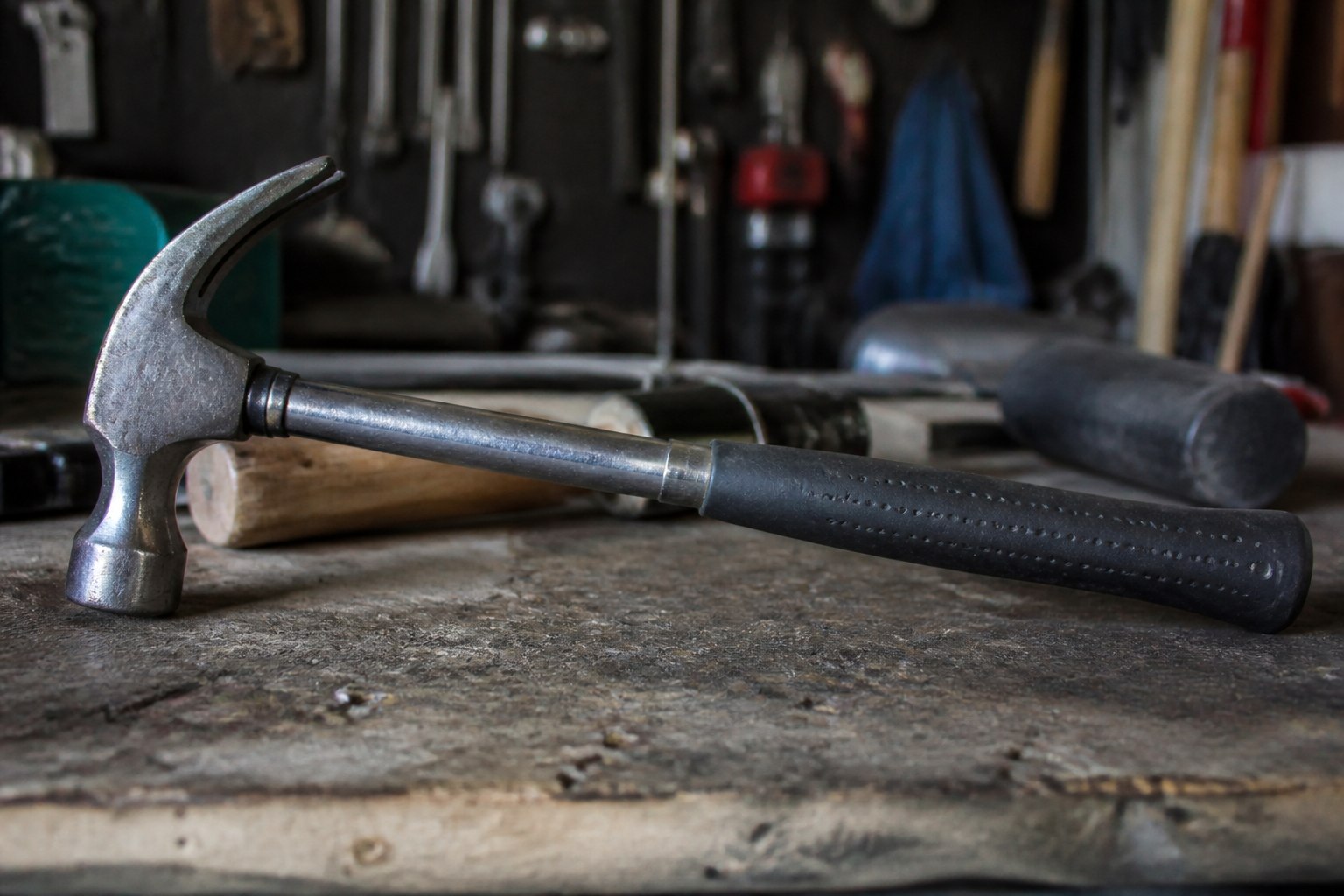
In a small shop, every square inch counts. With limited space, you can transform your workspace into a productive hub by using smart organization techniques. These advanced tips for workspace organization in small shops help you cut down on clutter, save time, and make your projects faster and more enjoyable. Whether you're a beginner or an experienced craftsman, these strategies will help you build a space that works as hard as you do.
Small shops often face the challenge of tight layouts, but with thoughtful planning, you can create zones for materials, tools, and finished work. This approach not only improves efficiency but also keeps your focus sharp on what matters most—building quality pieces.

Why Workspace Organization Matters in Small Shops
Small shops are a blessing and a challenge. The limited space forces you to prioritize what you use most and store it close by. Poor organization leads to wasted time searching for tools, material waste from misplacement, and frustration during projects. By contrast, a well-organized workspace boosts productivity, reduces errors, and helps you tackle more jobs with less effort.
I learned this the hard way when I ran a tiny garage workshop. After years of chaos, I finally implemented these advanced tips for workspace organization in small shops, and my output jumped by over 30%. The key is thinking three-dimensional—using walls, under-bench areas, and vertical surfaces to create more room without expanding your footprint.
Essential Tools Every Craftsman Should Have
Before diving into organization, make sure your toolkit includes the right essentials. These basic tools form the foundation for any project and should stay easily accessible.
- Cordless drill or drill/driver combo: Perfect for holes and screws; start with a 20V model for versatility.
- Circular saw: Great for straight cuts on plywood and lumber.
- Random orbital sander: Handles smoothing and finishing tasks quickly.
- Tape measure and combination square: For accurate measurements and layout.
- Clamps and safety gear: Essential for holding workpieces steady.
These tools, often called the essential tools every craftsman should have, help you handle common tasks efficiently. Pair them with top power tools for beginners in woodworking like the ones listed above to grow your skills without overwhelming your small space.
Top Power Tools for Beginners in Woodworking
When starting out, focus on versatile, affordable power tools that fit in tight spaces. Here are the top power tools for beginners in woodworking that deliver big results:
- Cordless drill/driver combo kit – Lightweight, rechargeable, and essential for most assembly work.
- 7¼-inch circular saw – Ideal for crosscuts and ripping; use with a guide for precision.
- Random orbital sander – Fast sanding without the mess of hand methods.
- Jigsaw or reciprocating saw – For curves and demolition tasks.
These tools, when kept organized, let you tackle projects from simple shelves to custom furniture. Start with a quality combo kit in a neutral color like black or red for easy identification in your setup.
Maximizing Efficiency: Organizing Your Work Space
Organizing your work space goes beyond just bins and labels. Use these advanced strategies to create flow and reduce movement. Group tools by frequency—frequently used items stay within arm's reach, while less common ones go on walls or under benches. This 80/20 rule (80% of your work comes from 20% of your tools) cuts down on wasted steps.
Clear your bench regularly after each session. Keep a daily reset routine: put everything away before you leave. This simple habit prevents piles from building up and keeps your mind on the job at hand. In a small shop, even a few minutes of daily organization can save hours later.

Creating Zones for Smooth Workflow
Divide your small shop into functional zones to maximize efficiency. Think of it like a factory layout but on a smaller scale:
- Material zone: Vertical lumber racks or offcut bins near your workbench.
- Machining zone: Tools like saws and planers clustered together for quick setup.
- Assembly zone: Bench area with clamps and hardware at hand.
- Finishing zone: Sander and storage for sandpaper and finishes.
This zoning system means you rarely walk more than a few steps between tasks. I used to waste time dragging materials across the floor; now my zones cut that to almost zero. Label each area clearly with chalk or stickers for fast reference.
Smart Storage Solutions for Small Shops
In tight quarters, vertical storage wins every time. Install French cleat systems or pegboards on walls to hang tools, bins, and shelves. These methods free up floor space and keep items visible and reachable.
Under-bench drawers or rolling tool chests provide hidden storage for rarely used items. Stackable bins on shelves help sort hardware by size and type. For mobile access, consider compact carts that roll out when needed.
Advanced Organization Hacks
Take your setup to the next level with these pro tips:
- Use magnetic strips on walls for small metal tools like bits or screws.
- Color-code zones with matching labels or tape for quick visual scanning.
- Implement a 5S system: Sort, Set in Order, Shine, Standardize, Sustain—do a full purge every month.
- Build custom jigs for repetitive tasks to save time and ensure consistency.
These advanced tips for workspace organization in small shops turn a cramped area into a precision machine. I applied a magnetic strip to my wall and cut tool search time in half.
Maintaining Your Organized Workspace
Consistency is key. Set a weekly cleaning schedule and involve your whole team if working with others. Review your layout quarterly and adjust as projects change. Track what works by noting tool locations or using a simple whiteboard job board.
With these habits, your small shop stays efficient even as your collection grows. The best part? You spend less time tidying and more time creating.
Conclusion: Start Small, Stay Consistent
Advanced tips for workspace organization in small shops are all about smart choices that fit your reality. By investing in essential tools every craftsman should have, adding top power tools for beginners in woodworking, and using solutions like tool belts with built-in storage, you can create a workspace that supports your growth. Begin with one zone, implement daily habits, and watch your productivity soar.
Your small shop is more than a place to work—it's a space to build, learn, and thrive. Apply these insights, and you'll wonder how you ever managed without them.
Related Advanced Tips for Workspace Organization in Small Shops:
- How to Choose the Right Wrench Size: A Practical Guide for Everyday Workman Tools
- 10 Essential Workshop Safety Rules Every DIYer Should Know
- Beginner's Guide to Bricklaying Techniques: Step-by-Step
- Safety Tips for Power Tools in the Home Shop: Essential Guide for Beginners
- High-Quality Workman Tools for Professionals: The Ultimate Guide to Workshop Equipment
- Top 5 Popular Brands for Workman Tools in 2026: Expert Guide to Workshop Equipment
- Top 10 Must-Have Tools for Every Construction Worker in 2026
- How to Choose the Right Socket Set for Your Car: A Complete Guide to Essential Wrenches for Automotive Repair
- Must-Have Tools for Every DIY Project: Your Ultimate Guide to Beginner Success
- Workman Tool Maintenance Tips: Keep Your Toolbox and Workman Tools in Peak Condition
- Tool Belts for Construction Workers: The Ultimate 2026 Guide to Comfort, Durability, and Productivity
- Choosing Sensors for Your Industry: A Complete Guide to Industrial Sensors and Advanced Electrical Tools for Automation