If you own a car or work on vehicles regularly, having the right workman tools for automotive repairs makes all the difference. These sturdy toolboxes and specialized equipment help you tackle jobs confidently, finish faster, and avoid costly mistakes. Whether you are a weekend DIYer or a full-time mechanic, this guide covers everything you need to know.

Why Workman Tools Matter for Automotive Repairs
Automotive repairs demand precision and reliability. A good workman tool set prevents frustration during tight jobs and protects your hands from injury. Poor tools can strip bolts, damage parts, or lead to inaccurate measurements that cause leaks or failures later.
From my years of helping friends and customers with their cars, I have seen how investing in quality workman tools for automotive repairs saves time and money. A single cheap wrench can ruin a $200 bolt, while durable options last for decades.
Choosing the Right Toolboxes for Your Needs
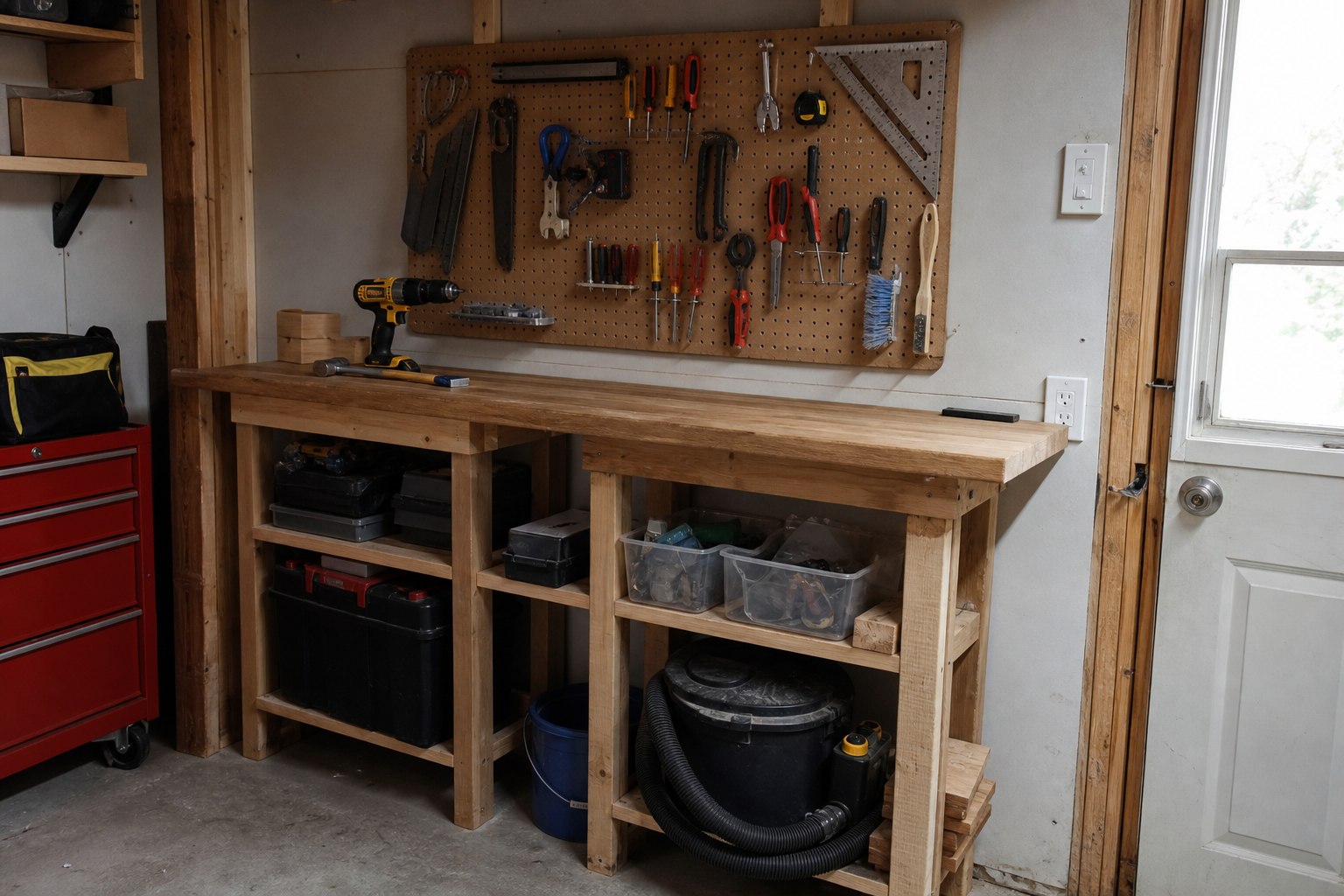
Toolboxes come in many styles, from rolling drawers to heavy-duty chests. Consider your space, how often you work, and whether you prefer locking mechanisms or quick-access trays.
Start with a mobile toolbox for easy movement around the garage. Rolling models with wheels and handles roll smoothly over concrete floors. For larger jobs, a stationary chest on wheels keeps everything central.
I always recommend measuring your garage first. A 30- to 40-inch wide chest fits most workspaces without crowding the workbench.
Essential Workman Tools for Automotive Repairs
Not every job needs every tool, but a solid starter set covers 80 percent of common repairs. Focus on durable hand tools first.
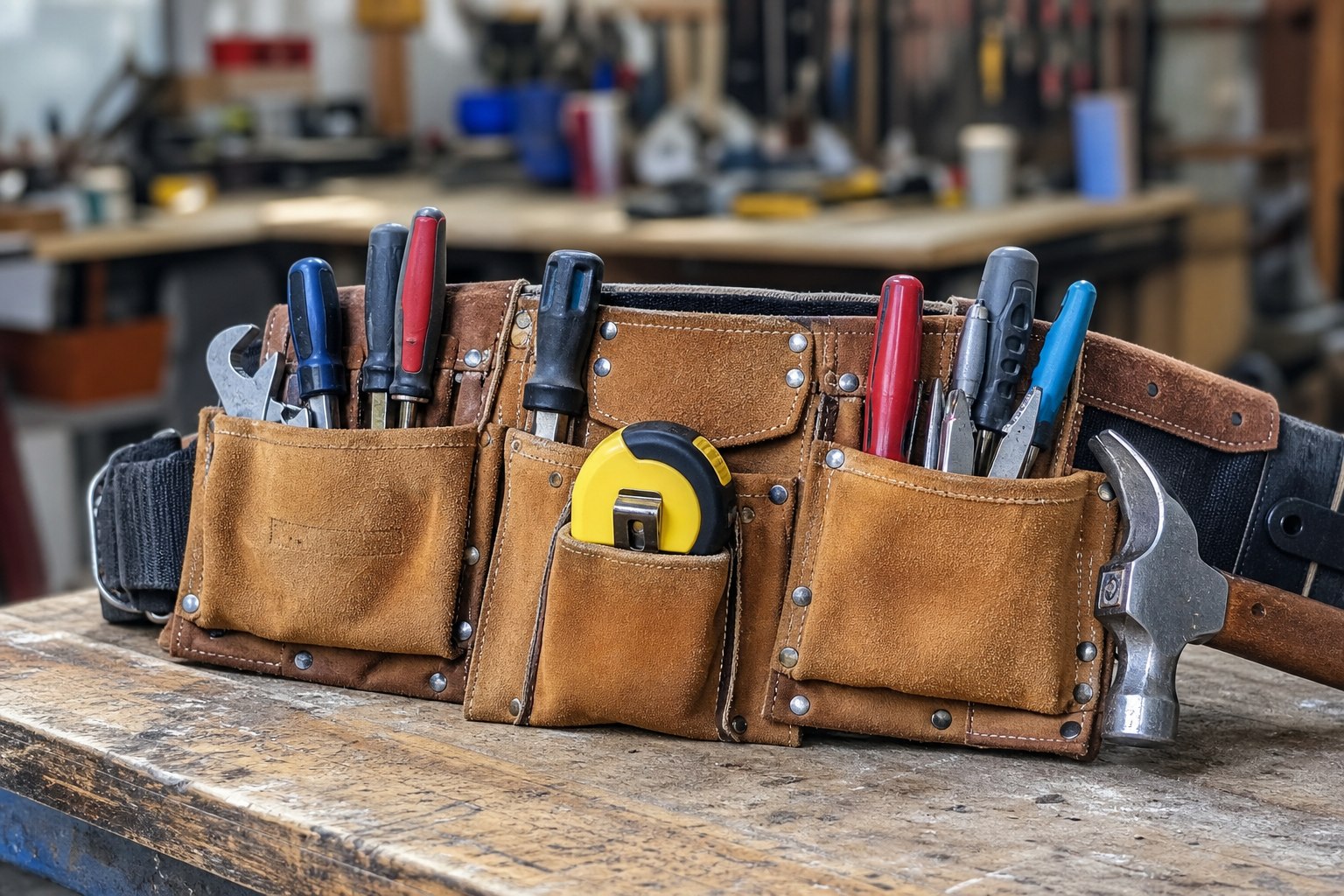
Basic hand tools include: - Socket sets with ratchets and extensions - Combination wrenches for pipes and nuts - Screwdrivers in multiple sizes and tip types - Pliers for gripping and cutting wires - Torque wrenches for critical fasteners
Power tools like cordless drills and impact drivers speed up work dramatically. Add a mechanic's jack and stands for safe lifting.
Budget-friendly options such as Husky offer good value for occasional users, while professional lines like Matco provide lifetime warranties that justify higher costs. Learn more from Matco Tools official site.
Top Brands and Features to Look For
Several brands stand out for longevity and performance. Snap-on tools, for example, feature precision engineering that mechanics trust worldwide. Their ratchets turn smoothly and last for generations.
Matco Tools bring similar strength with flexible-head designs perfect for tight engine compartments. Read expert reviews on the Matco Tools site for full catalogs.
Harbor Freight provides solid entry-level sets at lower prices, while premium options like Snap-on focus on durability that pays off over time.
Key features to check: chrome vanadium steel construction, lifetime warranties, and organized trays that keep parts from getting lost.
How to Organize and Maintain Your Toolboxes
A messy toolbox leads to lost time. Use clear labels, foam inserts, and color-coded compartments. Store heavy tools at the bottom and frequent-use items at eye level.
Clean tools after every job with a soft cloth and light oil. Store in a cool, dry place away from chemicals that rust metal. Regular maintenance extends the life of every wrench and socket.
Common Mistakes to Avoid When Using Workman Tools
Many beginners grab the first tool that looks similar and regret it later. Always match tool size to fastener type. Using the wrong socket can round edges and weaken bolts permanently.
Another pitfall is skipping torque checks on critical parts like brake calipers. These small oversights create vibration or safety issues down the road. Double-check measurements twice to catch errors early.
Step-by-Step: Using Workman Tools for Automotive Repairs
- Gather tools matching the job and lay them out in order.
- Use the right technique for each tool to avoid damage.
- Test fit components before final tightening.
- Clean and store tools immediately after use.
Following this routine keeps work efficient and safe. For a detailed overview of these principles in professional settings, check the U.S. Bureau of Labor Statistics guide on automotive service technicians.

Personal Insights from the Garage Floor
I started my automotive journey fixing my own old truck with basic hand tools from the hardware store. Within a year, I upgraded to a full Matco set and never looked back. The difference in speed and accuracy amazed me. One weekend I replaced the timing belt on my wife's car using only quality workman tools, and the job took less than two hours instead of the three it would have taken with cheaper gear.
I also learned to read tool labels carefully. Cheap imports often have weak heads that strip easily. Professional lines like Snap-on come with clear markings that match standards used in repair shops across the country.
Safety Tips When Working with Automotive Tools
Always wear safety glasses and gloves. Keep your work area well-lit and free of clutter. Use jack stands rated for your vehicle's weight, never just the car jack. Never stand under a lifted vehicle.
These habits protect you and your family. For more on vehicle safety maintenance that pairs well with good tools, visit the NHTSA TireWise page.
Final Thoughts on Workman Tools for Automotive Repairs
Building a strong set of workman tools and a reliable toolbox transforms frustrating repairs into satisfying projects. Start small, add as you go, and invest in quality that lasts. Your future self—and your wallet—will thank you.
Related workman tools for automotive repairs:
- The Evolution of Electrical Tools: A Historical Perspective
- Top Power Tool Brands Reviewed for 2025: Best Options for Top-Quality Workman Tools for Contractors
- Beginner's Guide to Sharpening Woodworking Tools
- Screwdriver Safety Tips: Expert Guide to Safe Tool Use
- DIY Workbench Plans for Small Spaces: Build a Perfect Compact Workshop Setup
- Essential Tools for Every Handyman: Building Your Toolkit
- Digital Detox: How to Reduce Screen Time and Improve Focus
- Must-Have Hand Tools for Mechanics: The Essential Workman Tools That Get the Job Done Right
- Tool Belts with Ergonomic Designs: Boost Comfort, Efficiency, and Safety for Every Workman
- Best Ratcheting Wrenches for Fast Repairs Guide
- Understanding OSHA Standards for Scaffolding Safety
- How to Choose the Best Toolbox for Your Needs