Workshop Safety: Essential Tips and Equipment keeps every project running smoothly and injury-free. In small workshops, these practices protect your hands, eyes, and focus while helping you organize efficiently. Whether you are a weekend DIYer or a full-time professional using high-quality workman tools, safety is the foundation of great results.

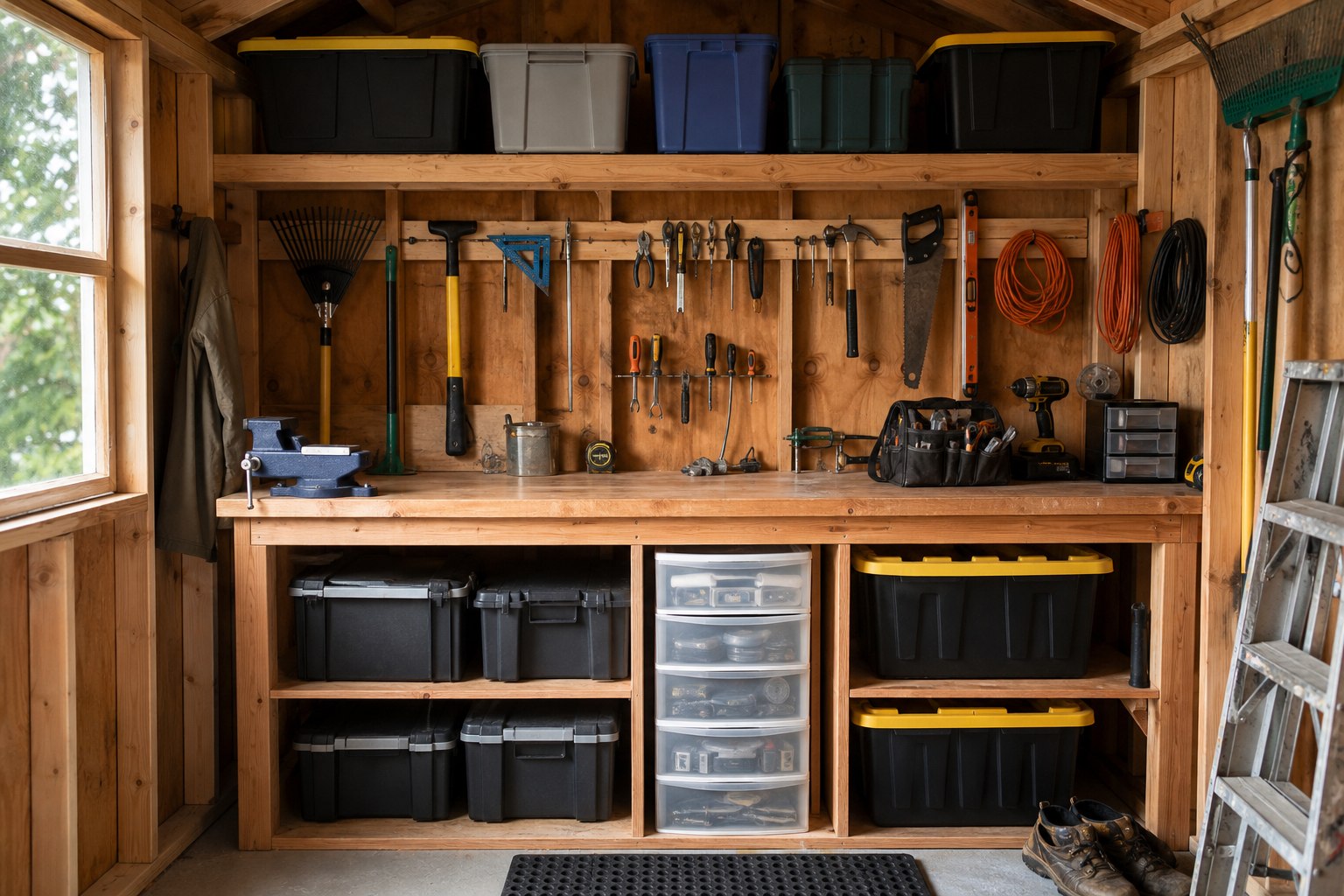
Small workshops often face unique challenges like limited space and high tool use. That is why Tips for Organizing Small Workshops Efficiently play a huge role in keeping everything safe and accessible. A tidy space reduces trip hazards and lets you grab tools fast, which cuts down on errors and delays.
Start by sorting tools into clear categories. Heavy items go in lower shelves, while frequent-use pieces stay within arm's reach. Label bins with simple tags so you know exactly where to find each item. This system turns your workshop into a well-oiled machine that runs faster and safer.
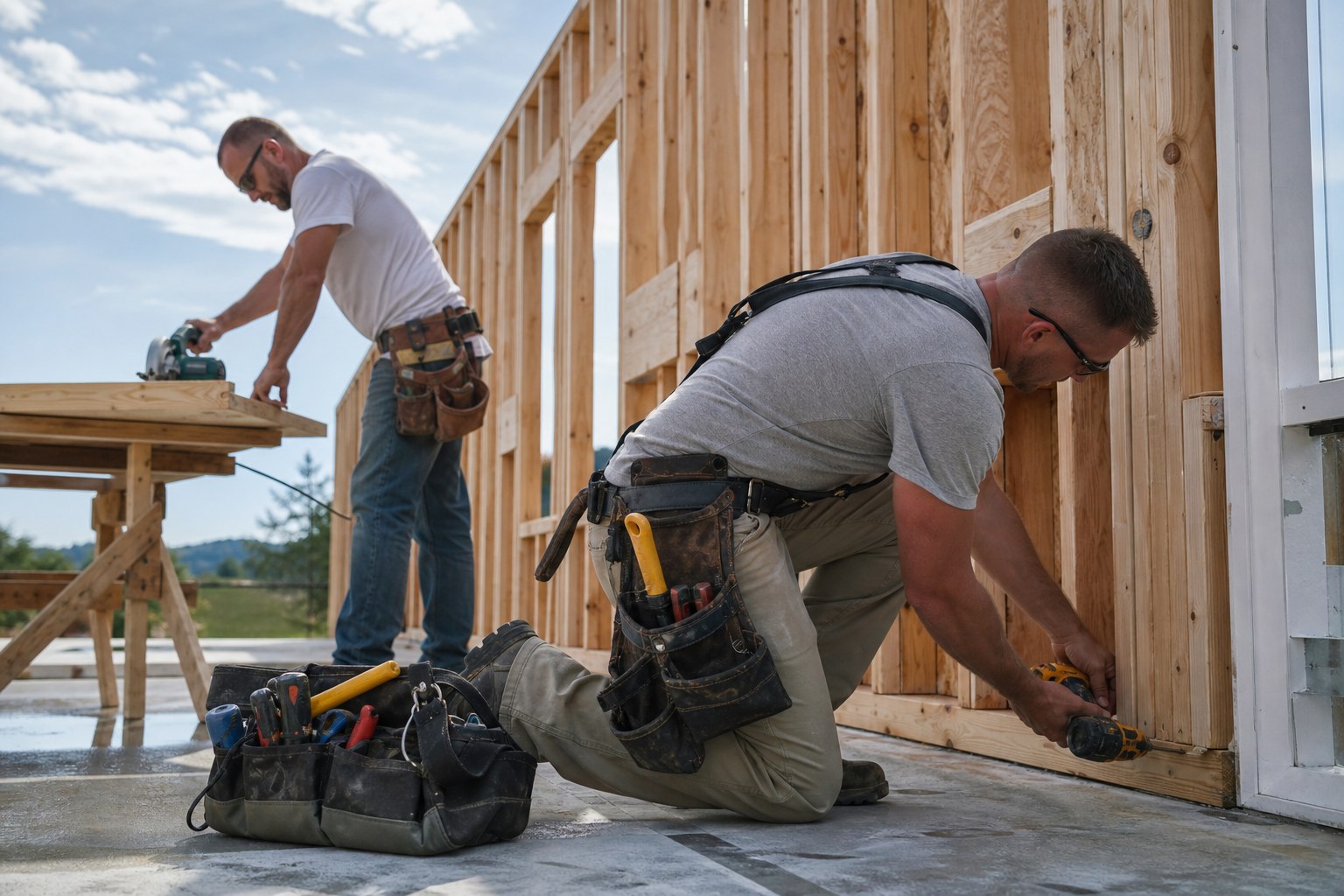
Many accidents happen because workers rush or skip basics. I once saw a close call when a loose clamp flew off a table saw and hit a colleague. That incident reminded me how small oversights can escalate quickly. Always inspect workman tools before each use, and never force a tool to do more than it is designed for.
Workshop Safety: Essential Tips and Equipment begins with personal protective equipment. Safety glasses block flying sparks and debris, while steel-toed boots shield feet from heavy drops. Flame-resistant jackets and gloves rated for heat keep your hands safe near hot metal or welding. Hearing protection is non-negotiable when power tools run loud.

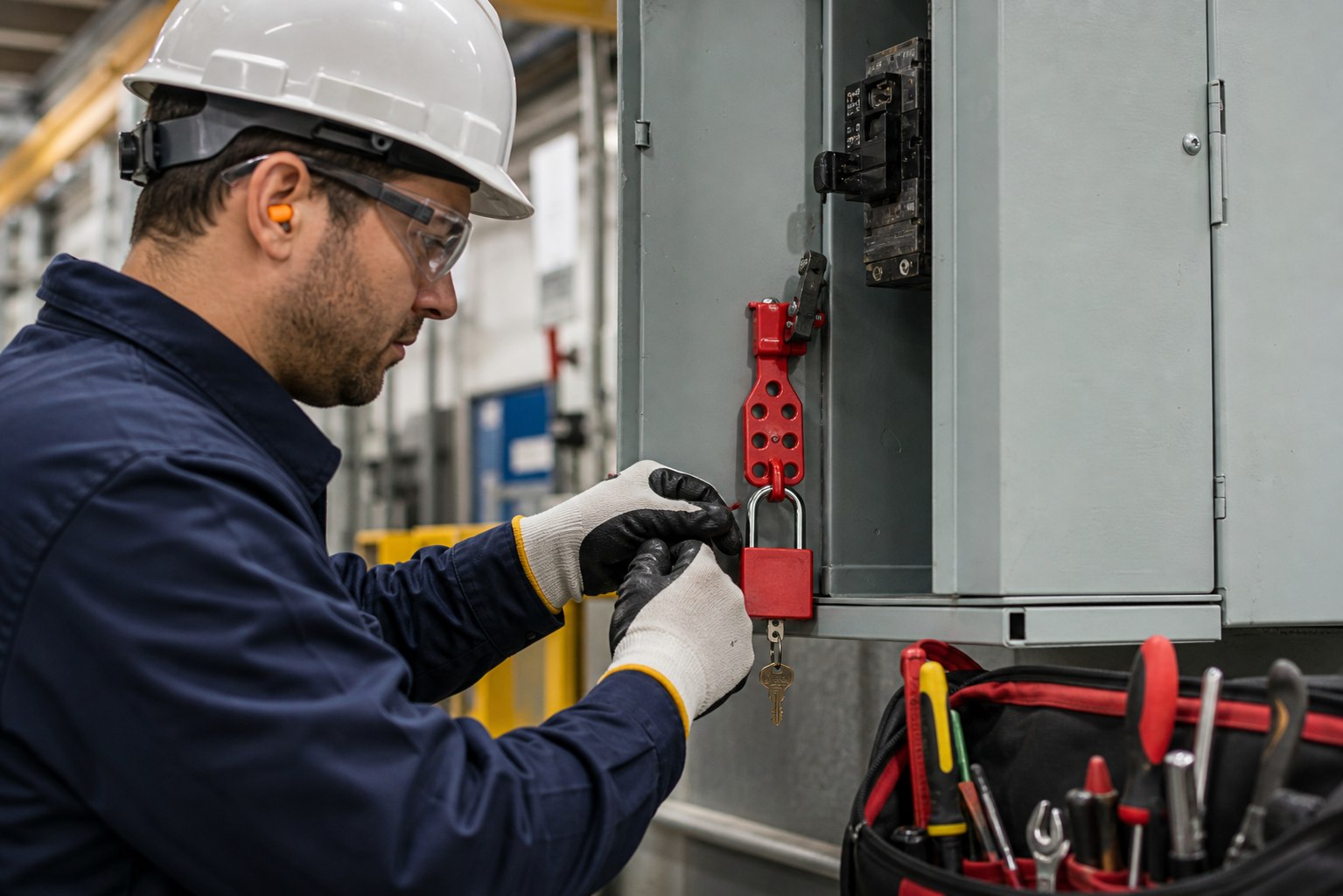
The right workshop equipment makes safety effortless. A sturdy first-aid kit stocked with bandages and antiseptic sits right beside the door. A properly charged fire extinguisher handles any small blaze before it grows. Lockout-tagout kits prevent accidental starts when you adjust machines, and spill kits contain cleaning chemicals on contact.
For power tools, never skip the guards. Machine guards stop spinning blades from reaching your hands, and automatic shut-offs cut power in emergencies. In small workshops, these simple pieces turn potential hazards into controlled steps. I always test my tools with the guards in place before I start a cut.
Training helps too. Read the manufacturer's manual for each tool and practice safe techniques. Even experienced professionals benefit from yearly reviews. Stay hydrated and take breaks to keep your mind sharp—fatigue causes more mistakes than tools ever do.
Fire safety deserves special attention. Keep flammable materials away from welding areas and use Class ABC extinguishers rated for multiple types of blazes. Store solvents in grounded cabinets. A quick drill on these basics could save your workshop—and your tools—from costly damage.
Ergonomics matter in small spaces. Use anti-fatigue mats to stand comfortably and adjustable workbenches to match your height. Good posture prevents back strain and helps you stay focused during long sessions. High-quality workman tools for professionals often include ergonomic handles that reduce vibration and fatigue.

Hand tools deserve special care. High-quality workman tools for professionals from brands like Snap-on or Klein last decades when maintained properly. Keep blades sharp and handles secure. A worn hammer can fly apart, causing serious injury. Check every tool daily for cracks or loose parts.
Electrical safety protects everything. Use ground-fault circuit interrupters (GFCIs) on outlets near water or damp areas. Never touch cords with wet hands, and unplug tools when not in use. In small workshops, extension cords should lie flat and never run under heavy items.
Ventilation and dust control keep lungs healthy. Open windows or add exhaust fans when sanding or painting. Respirators filter out harmful particles. Many dusts, especially from woods, can cause long-term issues if ignored over years of exposure.
Emergency readiness is part of Workshop Safety: Essential Tips and Equipment. Post evacuation routes and have at least two people present when working alone. Know the location of every fire extinguisher and first-aid station. Practice a quick drill once a month.
Small workshops thrive when safety and efficiency work together. Tips for Organizing Small Workshops Efficiently free up time and space while reducing risk. High-quality workman tools for professionals handle more tasks with less wear, so you spend less time fixing tools and more time creating.
Share these practices with your team. Brief weekly toolbox talks keep everyone aligned. Remember, safety is not a checklist—it is a mindset that protects your family, your workshop, and your craft.
Related Workshop Safety: Essential Tips and Equipment:
- Best Practices for Safety in Small Home Workshops: Essential Tips and Equipment
- Latest Innovations in Workman Tools Enhancing Comfort
- Essential Safety Tips for Using Hand Tools
- Understanding Torque Specifications: Essentials for Every Mechanic
- Creative Shed Organization Hacks: Organize Your Tool Shed Like a Pro
- Ergonomics in Construction: Preventing Back Injuries with Tool Belts
- Advanced Hand Tools Safety Techniques: Your Ultimate Guide to Safer Work
- Top 10 Safety Tips for Using Hand and Multi-Tools
- How to Use a Hammer Effectively: Tips and Techniques
- Workman Tools for Automotive Repairs: Essential Kit Guide
- Beginner Woodworking Projects Step-by-Step: Your Complete Guide to Getting Started
- How to Choose the Right Power Drill for Your Project