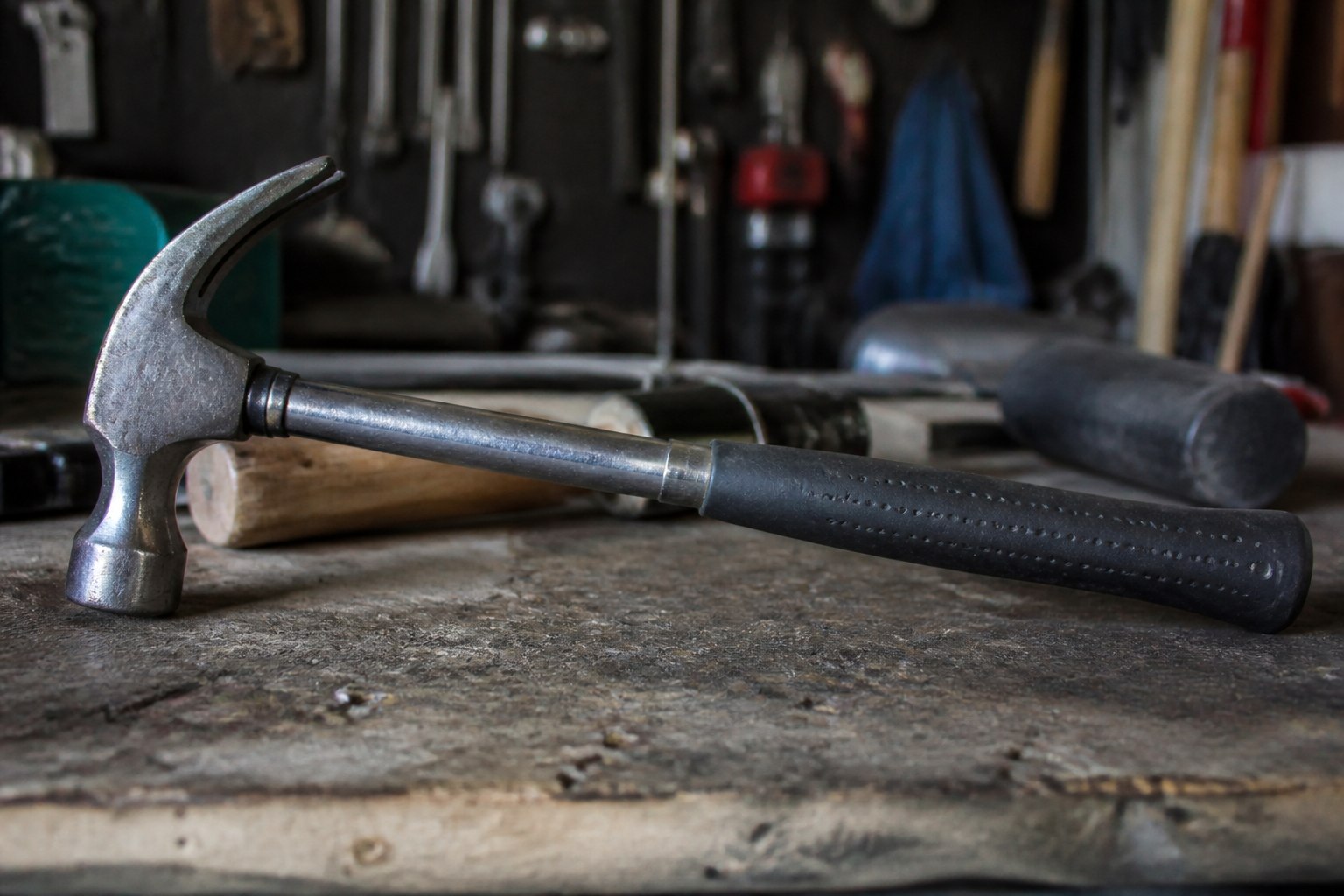
A well-built workbench is the heart of any woodworking shop. It provides a stable platform for precise work and withstands daily use. In this guide, I share practical insights from years of hands-on experience building workbenches. Whether you are a hobbyist or a professional, choosing the right wood makes all the difference. This article explores the best wood types for building a workbench, focusing on durability, stability, and ease of use.

Why Wood Still Reigns as the Top Choice for Workbenches
Wood outperforms metal or composite tops in many ways. It absorbs vibrations from power tools, reducing hand fatigue. It also dampens noise, creating a quieter workspace. Plus, wood does not conduct electricity, making it safer around electrical equipment.
In my experience, a heavy wood bench feels solid under heavy loads like an engine block. Metal can flex over time, while wood offers natural give that protects delicate projects. For most shop owners, wood delivers the best balance of strength and comfort.
How to Build a Sturdy Workbench: Core Principles
Building a sturdy workbench starts with smart design and material selection. The top should span freely between legs without sagging. Use wide boards glued and clamped for strength. Add a thick apron and legs to create a rigid frame.
Consider the grain direction—quartersawn wood resists warping better. For tools, secure them firmly in place. This approach ensures your workbench handles years of use without wobbling.
The Best Wood Types for Building a Workbench
The best wood types for building a workbench combine hardness, stability, and workability. Here are the top contenders, based on real shop performance:
Hard Maple: The Gold Standard for Durability
Hard maple tops many woodworker wish lists for its density and resistance to dents. With a Janka hardness rating around 1450, it handles heavy mallet strikes and chisel work without marking easily. Its tight grain accepts screws and nails securely. Maple is stable and planes smoothly, making it ideal for precision projects.
I built my first bench with maple and it still feels rock-solid today. It costs more than softwoods but pays off in longevity. Look for clear, straight-grain boards from a reputable lumberyard.
White Oak: Tough and Water-Resistant
White oak brings excellent rot resistance and a rich grain pattern. Its hardness of about 1360 makes it great for tops that see moisture or chemicals. It holds tools firmly and resists warping when properly seasoned. Many pros use it for heavy-duty benches in garages or workshops.
In one project, I used white oak for a bench that endured outdoor storage. The natural oils protect it well. Just kiln-dry the wood first to prevent future movement.
European Beech: The European Classic for Precision
European beech offers high stiffness and a smooth, even texture that planes to a glass-like finish. Its hardness of 1300 suits cabinetmaking benches where you need a level surface. It resists dents better than softer woods and machines cleanly with hand tools.
I replaced my old maple bench top with beech after years of use. The difference in smoothness amazed me. It requires careful seasoning to avoid cracks, but the results justify the effort.
Southern Yellow Pine and Douglas Fir: Budget-Friendly Workhorses
For the frame or lighter-duty tops, Southern yellow pine or Douglas fir provide strong, affordable options. These softwoods have good stiffness and take nails easily. They work well for legs and stretchers where cost matters most.
I used Douglas fir for a budget build and saved hundreds without sacrificing much strength. Add a hardwood top for the final surface. These woods dry faster and are easier to work with for beginners.
Essential Tools for Every Workman's Toolbox
Beyond wood, your toolbox needs the right tools to tackle any workbench project. Here are must-haves:
- Table saw or circular saw for ripping boards
- Hand plane and jointer for flattening tops
- Clamps in various sizes for assembly
- Jigsaw and router for shaping legs
- Measure and square set for accurate cuts
These essential tools for every workman's toolbox make the entire process smoother and more enjoyable.
Safety Practices for Workman's Tools
Safety should never be an afterthought. Always wear eye protection when cutting or planing wood. Use dust masks or respirators to avoid inhaling fine particles, especially from hardwoods like maple.
Secure workpieces with clamps or jigs. Keep tools sharp to reduce kickback. Store blades and bits safely when not in use. Proper practices for workman tools protect you and ensure clean, accurate cuts every time.
For more details, check this reliable woodworking safety guide: https://www.osha.gov/SLTC/woodworking/index.html
Comparing Wood Types for Workbench Tops
Here is a quick comparison table to help you choose:
| Wood Type | Janka Hardness | Best For | Pros | Cons |
|---|---|---|---|---|
| Hard Maple | 1450 | All-purpose top | Very durable, smooth finish | Higher cost, harder to work |
| White Oak | 1360 | Outdoor or wet areas | Rot-resistant, strong | Can discolor with iron |
| European Beech | 1300 | Precision work | Smooth plane, stable | Needs proper drying |
| Southern Yellow Pine | 690 | Budget frame | Affordable, easy to cut | Warps more easily |
| Douglas Fir | 710 | Heavy-duty structure | Strong, cost-effective | Can split if not seasoned |
This table highlights why hard maple often wins for the final top.
My Personal Experience Building a Sturdy Workbench
A few years ago, I started with cheap pine for a quick test bench. It warped within months. That taught me to invest in better wood. I rebuilt it with maple and now it handles my full shop setup without issue.
The process included measuring twice, buying seasoned lumber, and clamping every joint. Today, I recommend sourcing wood from local mills for better quality and support. Always flatten the top properly before final assembly.
Final Thoughts on Choosing the Best Wood for Your Workbench
The best wood types for building a workbench depend on your budget, shop needs, and desired look. Hard maple or white oak tops the list for most users. With the right design and tools, you can create a workbench that lasts decades.
Take your time with measurements and seasoning. Safety and quality tools ensure success every step of the way. Your new bench will become a trusted partner in the shop.
Related The Best Wood Types for Building a Workbench:
- Advanced Tips for Workspace Organization in Small Shops
- How to Choose the Right Wrench Size: A Practical Guide for Everyday Workman Tools
- 10 Essential Workshop Safety Rules Every DIYer Should Know
- Beginner's Guide to Bricklaying Techniques: Step-by-Step
- Safety Tips for Power Tools in the Home Shop: Essential Guide for Beginners
- High-Quality Workman Tools for Professionals: The Ultimate Guide to Workshop Equipment
- Top 5 Popular Brands for Workman Tools in 2026: Expert Guide to Workshop Equipment
- Top 10 Must-Have Tools for Every Construction Worker in 2026
- How to Choose the Right Socket Set for Your Car: A Complete Guide to Essential Wrenches for Automotive Repair
- Must-Have Tools for Every DIY Project: Your Ultimate Guide to Beginner Success
- Workman Tool Maintenance Tips: Keep Your Toolbox and Workman Tools in Peak Condition
- Tool Belts for Construction Workers: The Ultimate 2026 Guide to Comfort, Durability, and Productivity