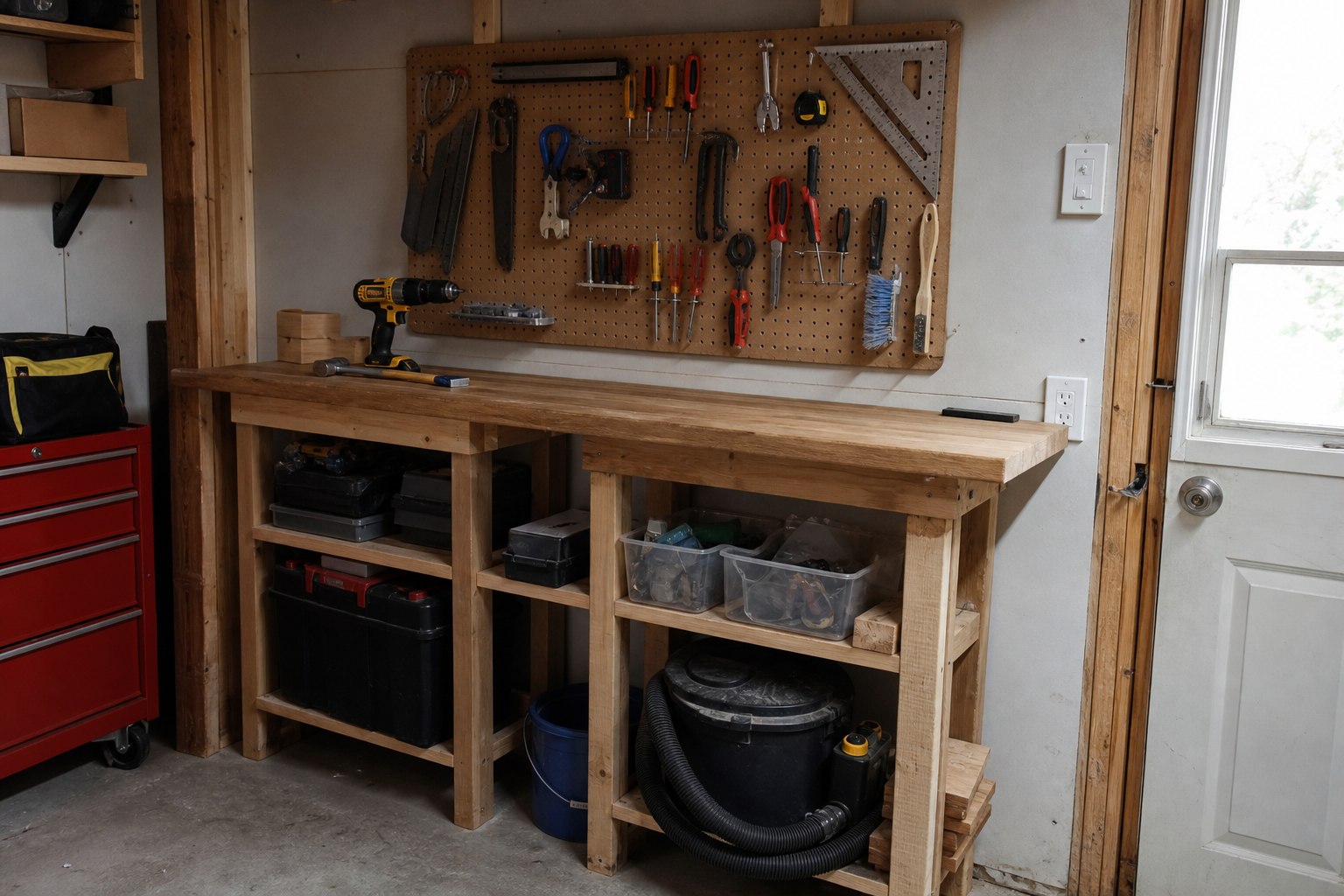
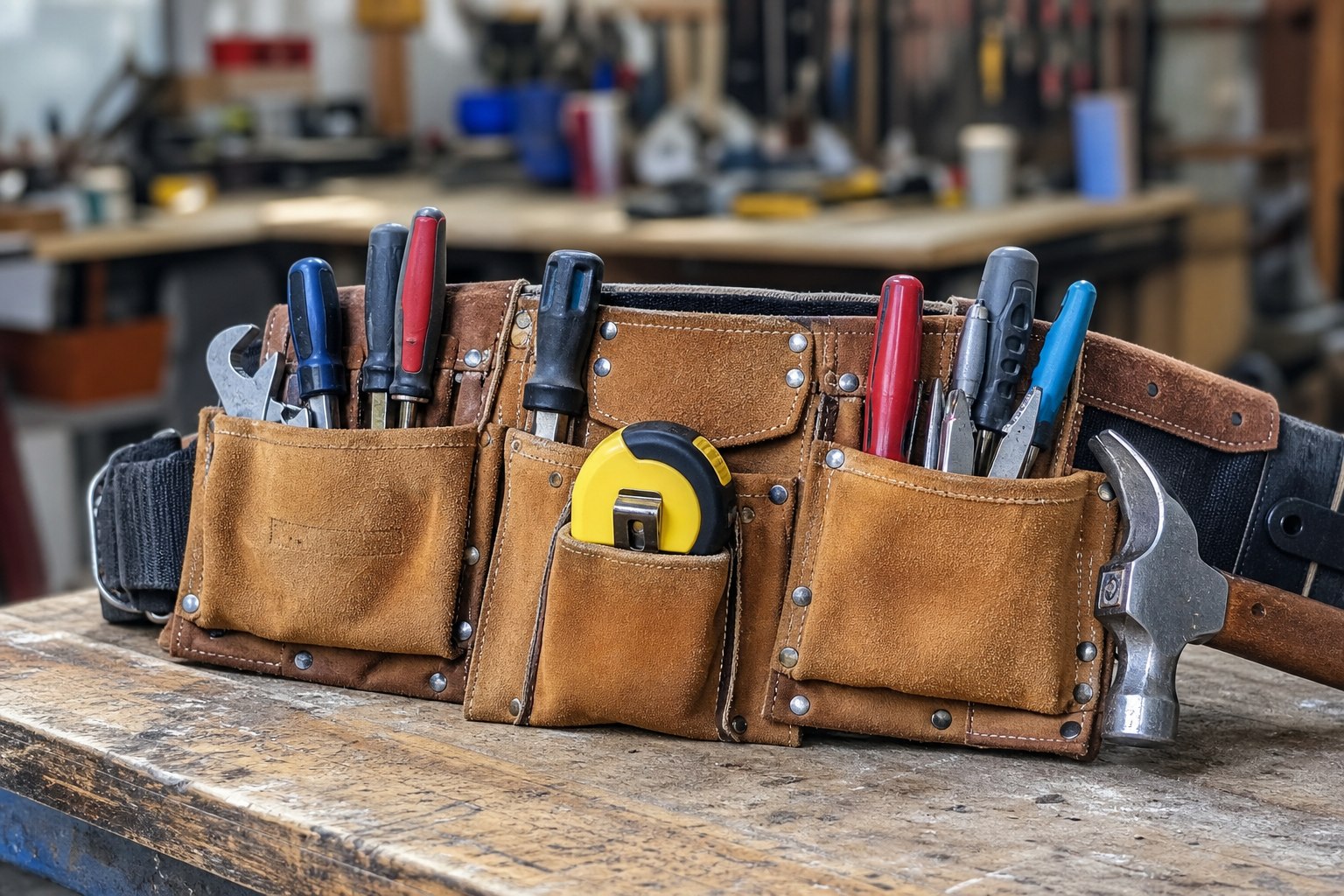
Every workday on a construction site, renovation job, or repair project demands reliable equipment that performs under pressure. These top 10 tools every workman should own will transform your workflow, reduce errors, and help you deliver better results faster. Whether you are a seasoned veteran or just starting out, owning the right tools makes the difference between a good job and a great one.
Take it from someone who has swung a hammer for over two decades on everything from residential builds to commercial renovations. I have seen talented carpenters and plumbers waste hours because they lacked the right tool for the job. Now it is your turn to level up your skills with these essential workman tools that pros swear by.

The Must-Have Hammer: Your Go-To Power Tool
No list of top 10 tools every workman should own is complete without a solid hammer. This simple yet powerful tool drives nails, pries boards, and handles heavy tasks with ease. I still remember my first good hammer – a 16-ounce claw hammer that cut my swinging time in half on a weekend deck project.
Choose one with a comfortable grip and a balanced head. Brands like Estwing make hammers that last a lifetime. If you face a lot of framing, invest in a framing hammer with a shorter handle for better control. Keep it sharp and always use the right size nail for the job to avoid accidents.
Why Every Workman Needs a Tape Measure
Precision is everything in our line of work. A reliable 25-foot tape measure is one of the top 10 tools every workman should own because it prevents costly mistakes in cutting and fitting. I cannot start a layout without mine – it has guided me through dozens of tight-fitting repairs.
Look for a magnetic edge and a lock that does not jam. Dust-proof models work great in outdoor conditions. A good tape measure pays for itself the first time it saves you from a wrong cut that ruins lumber.
Pliers That Never Fail: Essential Workman Tools
Nothing beats strong pliers for gripping, bending, and cutting. A good set of needle-nose, lineman, and slip-joint pliers belongs in every toolbox. I use mine almost daily on wiring and electrical jobs. They save me from stripping wires or stripping paint off walls by accident.
Get pliers with rubberized handles for extra grip. I prefer channels lock for heavy-duty jobs because they stay locked without slipping. Proper maintenance – wiping them clean after use – keeps them performing for years.

Leveling Up Your Setup: A Digital Laser Level
A digital laser level is a game-changer for any workman who values accuracy. It projects straight lines across walls and floors, saving hours compared to old-school bubble levels. I use mine on every horizontal project now, from installing shelves to laying flooring.
Choose one with a self-leveling feature and multiple lines. It works great in bright sunlight too. Pair it with a tripod for even better results on tall walls or ceilings. This single tool has cut my setup time dramatically and eliminated guesswork on perfect alignments.
The Right Drill: Cordless vs Corded
A reliable cordless drill is probably the most used tool in any workman's kit. It drives screws, drills holes, and mixes materials with power. I switched to cordless years ago and never looked back, especially for overhead work where cords get in the way.
Look for a model with a torque setting and a good battery life. Brands like DeWalt and Milwaukee offer long-lasting batteries. Always keep spare batteries charged and use the right bits to avoid damaging screws or wood.
Saw Selection: Circular, Jigsaw, or Reciprocating
Choosing the correct saw depends on your projects. A circular saw handles straight cuts on lumber, while a jigsaw excels at curves and holes. A reciprocating saw is unbeatable for demolition work. I keep all three in my truck because no job is ever exactly the same.
A 7-1/4 inch circular saw with a carbide blade is a must for framing. Keep blades sharp and safety guards in place. Learning basic cutting techniques makes every cut faster and cleaner.

Screwdrivers That Fit Every Task
A complete set of screwdrivers – flat, Phillips, and Torx – rounds out your basic tool collection. I own a dedicated driver for each head size because mixing them leads to stripped screws and frustrated clients.
Get ergonomic handles with rubber grips. Magnetic tips hold screws for overhead work. Keep them organized in a small pouch inside your toolbox so you never hunt for the right one.
Measuring Tools for Precision Work
Beyond a tape measure, a combination square and speed square help with perfect angles and layouts. These workman tools ensure lines stay straight and cuts fit perfectly. I use my combination square on every miter job because it is hard to beat for accuracy.
A good speed square is lighter and faster for rough framing. Invest in both and keep them in your main tool belt. These small tools add up to big savings in labor time and fewer reworks.
Safety Equipment Every Workman Must Own
Safety should never be an afterthought. Safety glasses, hard hats, and work gloves top any list of essential gear. I never step on a job site without them. A good dust mask or respirator protects you from sawdust and paint fumes, while steel-toe boots keep your feet safe on uneven ground.
Choose items that fit well and feel comfortable for all-day wear. Look for ANSI-rated gear from trusted brands. Investing in quality safety equipment pays off when it prevents injuries and keeps you focused on the job instead of worrying about accidents.
Why These Tools Matter
Owning the right workman tools does more than make your job easier – it builds confidence and helps you finish projects on time and on budget. I have watched apprentices become masters simply by stocking up on quality equipment. Start small, add tools as your business grows, and always maintain them properly.
Take a moment to inspect your current collection. Are you missing any of these top 10 tools every workman should own? A single upgrade can change everything.
| Rank | Tool | Best For |
|---|---|---|
| 1 | Claw Hammer | Framing, general nailing |
| 2 | Tape Measure | Accurate measurements and layouts |
| 3 | Pliers Set | Gripping, cutting, bending |
| 4 | Digital Laser Level | Precise leveling and alignment |
| 5 | Cordless Drill | Drilling and driving screws |
| 6 | Circular Saw | Straight lumber cuts |
| 7 | Jigsaw | Curved and intricate cuts |
| 8 | Reciprocating Saw | Demolition work |
| 9 | Screwdriver Set | Fastening and assembly |
| 10 | Speed Square & Combination Square | Angle marking and layouts |
Final Thoughts
These top 10 tools every workman should own form the foundation of a successful career. They give you the power to tackle any challenge with skill and speed. Start investing in them today and watch your productivity soar while you enjoy the satisfaction of a job well done every single time.
Related top 10 tools every workman should own:
- Workman Tools for Automotive Repairs: A Complete Guide to Toolboxes and Essential Tools
- The Evolution of Electrical Tools: A Historical Perspective
- Top Power Tool Brands Reviewed for 2025: Best Options for Top-Quality Workman Tools for Contractors
- Beginner's Guide to Sharpening Woodworking Tools
- Screwdriver Safety Tips: Expert Guide to Safe Tool Use
- DIY Workbench Plans for Small Spaces: Build a Perfect Compact Workshop Setup
- Essential Tools for Every Handyman: Building Your Toolkit
- Digital Detox: How to Reduce Screen Time and Improve Focus
- Must-Have Hand Tools for Mechanics: The Essential Workman Tools That Get the Job Done Right
- Tool Belts with Ergonomic Designs: Boost Comfort, Efficiency, and Safety for Every Workman
- Best Ratcheting Wrenches for Fast Repairs Guide
- Understanding OSHA Standards for Scaffolding Safety