Overview
Common construction site hazards and how to avoid them start with basic awareness and simple habits. These risks include falls, struck-by incidents, and equipment accidents that can cause serious injury or death. By learning how to stay safe on construction sites, you can protect yourself and your team every day. This guide shares real-world tips and tools like tool belts for construction workers to help you work smarter and safer.
What Are the Main Construction Site Hazards?
Construction work involves high risks because workers handle heavy materials, tools, and heights every shift. The most frequent hazards include:
- Falls from heights: Ladders, scaffolding, and roofs are common culprits.
- Struck-by objects: Falling tools, materials, or equipment can cause serious injuries.
- Caught-in or between hazards: Machinery or collapsing structures pose hidden dangers.
- Electrocution: Working near live wires is a top electrical risk.
- Heat stress and slips/trips: Poor weather or slippery surfaces increase these issues.
These hazards do not happen randomly. They often stem from rushing, ignoring instructions, or inadequate protection. Many accidents happen in the first hours of a job when workers are still getting oriented.
Personal experience: I once saw a colleague slip on wet scaffolding. A quick harness saved him, but it could have been much worse. That moment taught me why prevention matters more than quick fixes.

How to Stay Safe on Construction Sites: Essential Tips
Safety is not just a rule book. It is a daily practice. Here are proven ways to stay safe on construction sites:
- Always wear your hard hat and safety glasses. Inspect them daily for cracks or damage.
- Use personal protective equipment (PPE) like gloves, vests, and knee pads. Replace worn gear right away.
- Never work alone on ladders or scaffolds. Always have a spotter.
- Follow lockout/tagout procedures before any maintenance to avoid accidental startup.
- Keep your area clean and organized. Clean up debris immediately to prevent slips.
These simple steps, when done consistently, cut risk dramatically. Start by making a personal safety checklist and review it before every job.
The Role of Tool Belts and Workman Tools in Site Safety
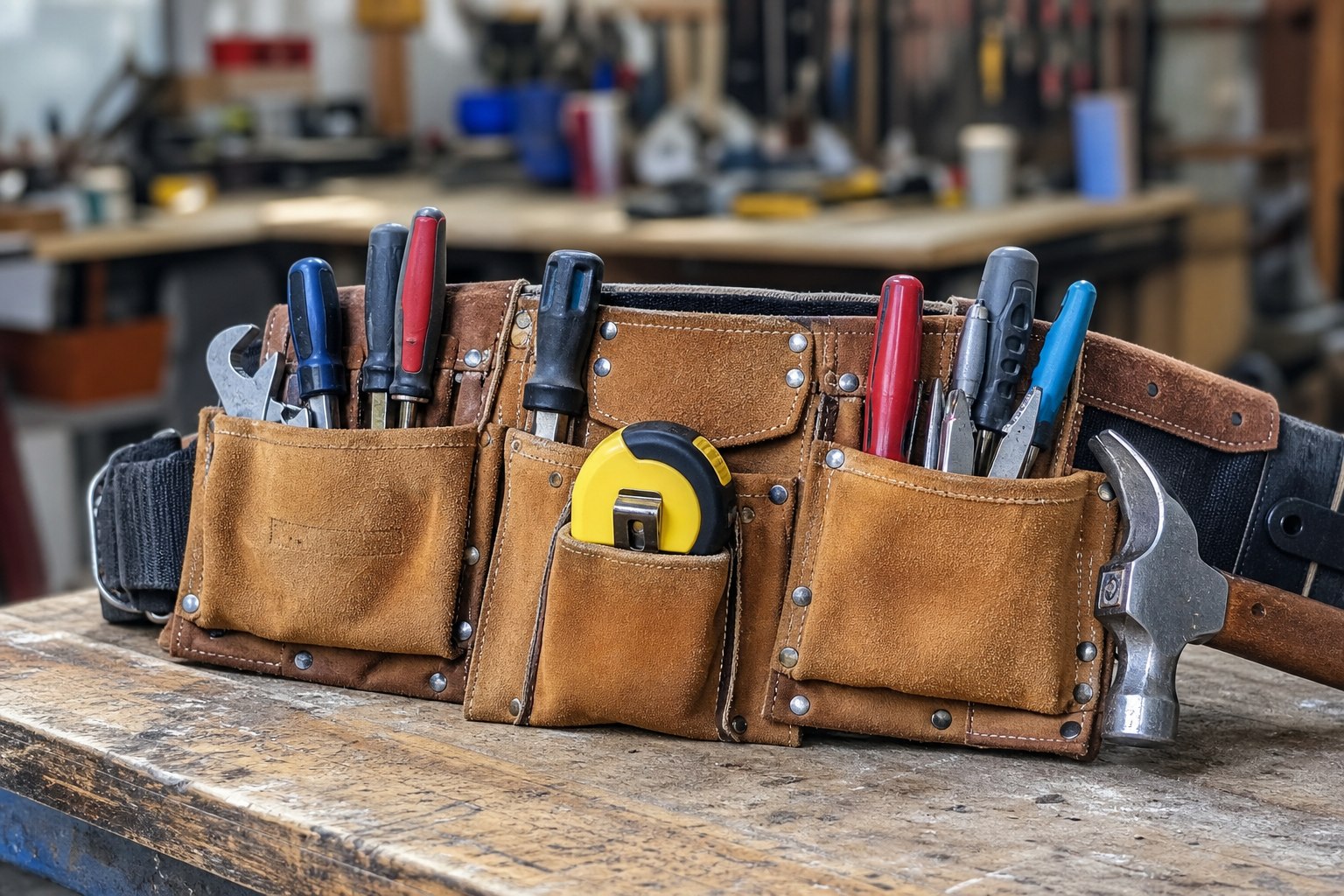
Tool belts for construction workers are more than just holders for workman tools. They keep your hands free, reduce strain on your back, and keep heavy items like hammers and screwdrivers close. Proper belts distribute weight evenly and include multiple pockets for quick access.
Choose high-quality options with adjustable straps and reinforced stitching. Store sharp tools like chisels in separate compartments to avoid cuts. Many modern belts even have reflective strips for better visibility in low light.
Actionable tip: Test your belt on a practice shift. If it feels uncomfortable after an hour, adjust it or switch to a different style. Your tool belts can literally save your back and improve your focus on the job.

Real-Life Tips from Experienced Workers
After years on the job, many workers share the same advice: slow down to go fast. Rushing leads to 70 percent of preventable accidents. Always check your tool belts before starting work. Make sure no loose items can fall and strike someone below.
Another key: inspect all workman tools daily. Dull blades or broken handles cause slips or accidents. Use proper lifting techniques with your tool belt on to avoid back strain. These habits may seem small, but they add up to years of safe work.
How to Create a Strong Safety Culture on Your Site
One accident can change everything. Build a culture where everyone speaks up. Hold weekly toolbox talks about common hazards. Share photos of near misses to learn from them. When supervisors and workers all follow the same rules, everyone feels safer.
Use simple posters and apps to remind teams. Make safety the first item on every meeting agenda. Workers who feel valued in safety practices are more likely to follow rules and report issues early.
Summary
Common construction site hazards and how to avoid them boil down to awareness, preparation, and consistent habits. By using tool belts for construction workers, wearing proper workman tools, and applying essential safety tips, you can reduce risks to almost zero. Start today with a quick site check and your safety gear. Small changes lead to big results for you and your team.
Related Common Construction Site Hazards and How to Avoid Them:
- Advanced Tips for Precision Tool Care: Pro Advice for Screwdrivers and Workman Tools
- Choosing the Right Wrench for the Job: A Complete Guide to Workman Tools
- Top 10 Tools Every Workman Should Own
- Workman Tools for Automotive Repairs: A Complete Guide to Toolboxes and Essential Tools
- The Evolution of Electrical Tools: A Historical Perspective
- Top Power Tool Brands Reviewed for 2025: Best Options for Top-Quality Workman Tools for Contractors
- Beginner's Guide to Sharpening Woodworking Tools
- Screwdriver Safety Tips: Expert Guide to Safe Tool Use
- DIY Workbench Plans for Small Spaces: Build a Perfect Compact Workshop Setup
- Essential Tools for Every Handyman: Building Your Toolkit
- Digital Detox: How to Reduce Screen Time and Improve Focus
- Must-Have Hand Tools for Mechanics: The Essential Workman Tools That Get the Job Done Right