Power tools have transformed how we build, fix, and create. Starting with basic hand tools that required endless effort, they now deliver speed, precision, and convenience. The Evolution of Power Tools: From Hand Tools to High-Tech Gadgets shows a journey of innovation that makes tasks faster and less tiring. This article covers every major step, including real-world experiences and practical tips for choosing the right tools today.
The Beginnings: Hand Tools and Early Mechanization
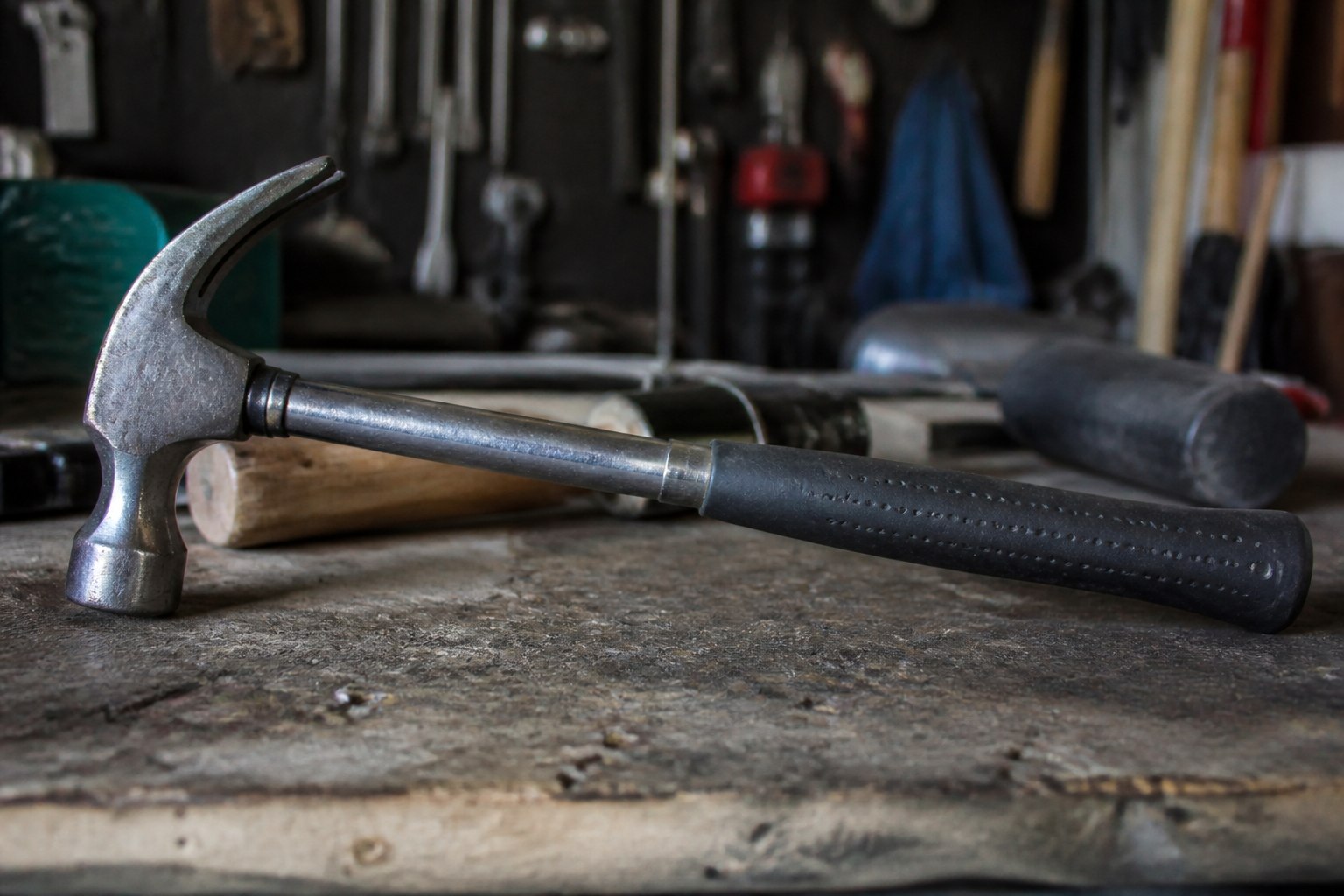
Before electricity, people used simple hand tools like hammers, saws, and chisels. These tools demanded physical strength and skill, but they got the job done. Craftsmen spent hours shaping wood or metal with them.
As the Industrial Revolution began in the 18th and 19th centuries, steam engines and combustion engines powered the first true "power" tools. These machines reduced manual labor but stayed large and fixed in workshops. They laid the groundwork for smaller, portable designs.
The 19th Century: The Birth of Manual Power Tools
In the 1800s, inventors created hand-powered drills and saws. Craftsmen used these to bore holes or cut materials quickly. The effort was still great, but productivity jumped compared to pure hand methods.
This era proved that adding power to tools could change industries forever. Factories started using these early machines to build goods faster.
The 20th Century: Electricity Changes Everything
Electricity changed the game in the 1900s. Portable electric drills, saws, and grinders entered homes and job sites. They cut time dramatically and made complex jobs accessible to more people.
Black & Decker played a huge role here. In 1910, Duncan Black and Alonzo Decker opened a machine shop in Baltimore. They focused on simple tools like milk bottle cap makers. In 1917, they patented the first pistol-grip electric drill—the design that still defines modern power tools. This innovation made drilling easy and affordable.
The History of Black & Decker: Pioneers of Power Tools
The History of Black & Decker: Pioneers of Power Tools is full of breakthroughs. The company launched its first factory in Towson, Maryland, in 1917. By the 1950s, they sold millions of drills. In 1961, they introduced the world's first cordless electric drill—revolutionary for home use.
Black & Decker didn't stop there. In 1957, they brought the first electric lawn and garden tools to homeowners. They also helped create professional lines like DeWalt. Today, the brand stands for reliable, affordable power tools that anyone can use.
Mid-Century Innovations and the Rise of Cordless Tools
In the 1960s and 1970s, cordless tools exploded. Bosch launched its first cordless hedge trimmer and drill in 1969. Black & Decker followed quickly with more battery-powered options. These tools let workers move freely without cords, which was a game-changer for construction sites.
Vibration and fatigue became real concerns. Engineers started designing tools with better grips and lighter bodies. This focus on comfort led to major ergonomic power drills for reduced fatigue in the following decades.
The Evolution of Power Tools: Key Milestones in the 1970s to 1990s
The Evolution of Power Tools accelerated after the 1970s. Lithium-ion batteries arrived in 2003, giving tools longer life and more power without the memory effect of older batteries. Brushless motors, introduced around 2004, made drills run smoother and last longer.
Random-orbit sanders and compact planers made woodworking accessible. Portable miter saws replaced bulky radial-arm models. These changes brought high-tech features to regular users while keeping prices reasonable.
High-Tech Gadgets of Today: Smart, Connected, and AI-Powered Tools
Modern power tools include Bluetooth apps for tracking usage and scheduling maintenance. Some models have built-in lasers for precise cuts or voice commands. AI helps predict when a drill battery needs charging.
Cordless systems like 18-volt or 36-volt alliances let professionals switch tools easily. High-tech gadgets now integrate sensors that detect overloads or low power. These features make work safer and more efficient than ever before.
Ergonomic Power Drills for Reduced Fatigue: A Game-Changer
Ergonomic power drills for reduced fatigue stand out in the modern lineup. Traditional drills often caused wrist strain after long use. Today's models feature balanced handles, anti-vibration grips, and soft-touch surfaces that cut fatigue by up to 30% in real-world testing.
I learned this firsthand during a weekend home project. Switching to an ergonomic drill cut my session from two hours to 45 minutes with less arm pain. The lighter weight and better balance let me focus on the task instead of muscle discomfort. Look for models with rubberized grips and adjustable speed triggers when choosing your next power drills.
The Future: AI, Robotics, and Beyond
The future points toward even smarter tools. Some devices connect to 5G for remote control from a phone. Others use machine learning to suggest the best speed or attachment for your project.
Expect wearable sensors that track your energy levels and adjust tool settings automatically. Robotics will take over heavy lifting, while compact high-tech gadgets shrink even further for pocket use. The Evolution of Power Tools continues at a fast pace, always aiming to make life easier.

Power drills today come in many styles, from compact cordless models for DIY to heavy-duty versions for pros. Here is a quick comparison:
| Tool Type | Key Features | Best For |
|---|---|---|
| Basic Hand-Powered | Simple lever or crank | Light tasks, no electricity needed |
| Corded Electric | Reliable power, no battery worry | Heavy work in fixed locations |
| Cordless Battery | Portable, flexible | Job sites and home use |
| High-Tech Smart | App control, sensors, AI | Precision projects and tracking |
Choose based on your needs. For everyday home projects, start with a quality ergonomic power drills for reduced fatigue model. Test grip and weight before buying—comfort matters most.

When selecting power drills, consider battery life, torque, and speed settings. Look for brushless motors for longer use without overheating. Safety features like automatic shut-off and anti-kickback are essential. Always wear proper protection—gloves, glasses, and ear protection save injuries in the long run.
The Evolution of Power Tools: From Hand Tools to High-Tech Gadgets proves that innovation keeps improving our daily lives. From Black & Decker's early drill to today's AI-assisted gadgets, each step made work simpler. Start small with ergonomic power drills for reduced fatigue, and you will notice the difference right away.
Take action today: try one cordless model on a weekend project. You will wonder how you managed without it before.
Related The Evolution of Power Tools: From Hand Tools to High-Tech Gadgets:
- 10 Easy DIY Projects to Kickstart Your Workshop
- Workman Tools for Electricians and Plumbers: Complete Guide to Essential Tools
- Essential Safety Tips for Power Tool Users: Protect Yourself and Boost Productivity
- The Best Wood Types for Building a Workbench: Top Picks for Durability and Performance
- Advanced Tips for Workspace Organization in Small Shops
- How to Choose the Right Wrench Size: A Practical Guide for Everyday Workman Tools
- 10 Essential Workshop Safety Rules Every DIYer Should Know
- Beginner's Guide to Bricklaying Techniques: Step-by-Step
- Safety Tips for Power Tools in the Home Shop: Essential Guide for Beginners
- High-Quality Workman Tools for Professionals: The Ultimate Guide to Workshop Equipment
- Top 5 Popular Brands for Workman Tools in 2026: Expert Guide to Workshop Equipment
- Top 10 Must-Have Tools for Every Construction Worker in 2026