Regular maintenance keeps your power tools running strong and ready for every project. This ultimate guide to DIY tools maintenance shares simple, proven steps to extend the life of your workman tools and screwdrivers. Whether you are a weekend warrior or a full-time builder, these actions save money and deliver consistent performance. Follow along and see your tools last longer than you expect.

Power tools are the backbone of any successful DIY project. From drilling to cutting and fastening, these workman tools handle heavy loads every single day. When they start to falter, projects slow down and frustration sets in. The good news is that keeping your power tools running strong requires only a few consistent habits. You do not need expensive equipment or a special shop. Just a few minutes here and there, and your tools will thank you with smoother operation and longer service life.
Over time, dust, dirt, and everyday wear take their toll. Motors overheat, bits lose sharpness, and even the best screwdrivers can start to slip. Ignoring these issues leads to broken parts, poor results, and unnecessary repairs. This guide walks you through every key step so you can stay ahead of the problem.
One of the most important things you can do is clean your power tools after every use. Start by giving each tool a quick wipe-down with a soft microfiber cloth. Remove loose sawdust, debris, and grease from the outside casing and vents. For stubborn grime, use a damp cloth with a mild detergent made for plastic and metal surfaces. Never use harsh chemicals that could damage the tool's finish. Pay special attention to the air vents on cordless models. Clogged vents cause motors to overheat and lose efficiency fast.
Next, use compressed air to blow out dust from hard-to-reach spots. Hold the can upside down and spray short bursts. This simple step prevents the kind of internal buildup that leads to failures. If you have a corded drill or saw, unplug it first and let it cool completely before cleaning. Overheating is the silent killer of motors, and quick cooling after a long job makes a big difference.

Lubrication keeps moving parts smooth and reduces friction that leads to wear. Check your owner's manual for specific recommendations because different tools need different types of oil. For most screwdrivers and hand-held workman tools, a light machine oil works best. Apply a tiny drop to the pivot points, hinges, and screw slots. Wipe away any excess so it does not attract dust. On cordless drills and saws, follow the same rule for any sliding rails or tracks. Proper lubrication cuts down on heat and extends the life of gears and bits.
Inspect your tools before you store them for the night. Look for loose screws, frayed cords, cracked handles, or dull blades. Tighten anything that feels wobbly and replace worn parts right away. A simple checklist in your garage can help you stay organized. If a bit is rounded or a blade is chipped, it is time for replacement. Using a damaged tool forces your good ones to work harder and can cause accidents.
Batteries need special care too, especially in cordless workman tools. Store them at 50 to 60 percent charge in a cool, dry place between 60 and 77 degrees Fahrenheit. Never let them sit dead for long periods. When not in use, let them cool down after charging and avoid direct sunlight. Rotating your battery packs and using each one regularly keeps them balanced and ready to go. These small steps protect your investment in high-tech workman tools.
Screwdriver maintenance tips deserve special attention because these everyday tools see constant use. Keep screwdrivers clean by wiping the handles and shafts after every job. Store them in a magnetic holder or a dedicated tray so they do not roll around and get damaged. When you notice the tip starting to slip, it is time to sharpen or replace it. A properly maintained screwdriver gives you secure grip and precise turns every time. For regular workman tools like hammers and pliers, do the same routine. Wipe them down, check for loose parts, and lubricate hinges if needed.
Here is a quick maintenance schedule that works for most homeowners and professionals:
- After every project: 10-minute clean, quick check, and wipe-down
- Monthly or after heavy use: deep clean vents, inspect cords and batteries, and light lubrication
- Quarterly: full inspection, rust prevention, and accuracy checks on saws and jigsaws
Follow this routine and you will notice your tools last longer and perform better. Many users report that their drills and screwdrivers run smoother and last twice as long when they stick to these steps.

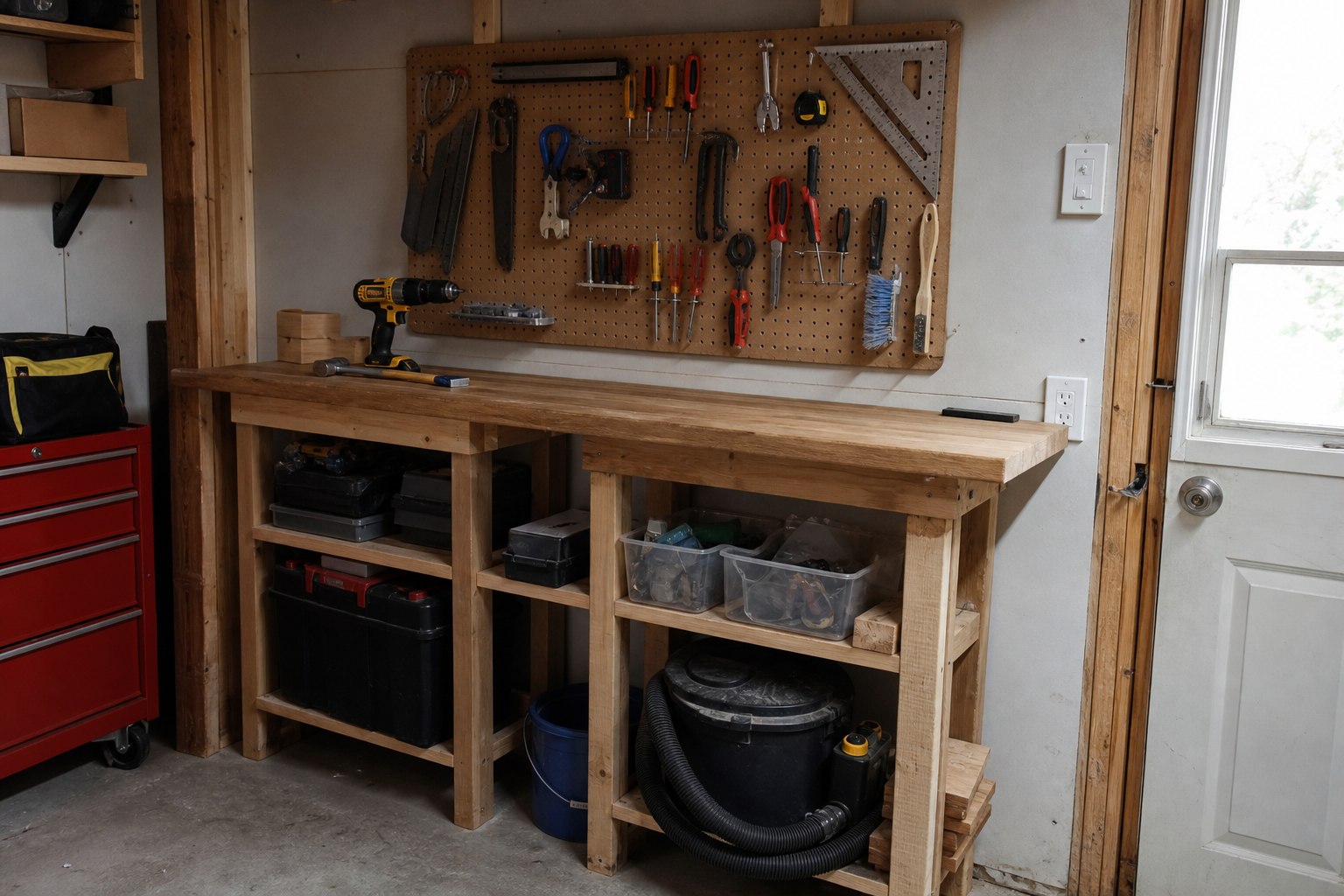
Beyond cleaning and lubrication, proper storage plays a huge role in keeping your power tools running strong. Hang corded tools on pegboards and keep cordless ones in their original cases. Avoid stacking heavy items on top of delicate ones. A well-organized space protects your investment and makes finding the right tool faster.
Regular maintenance also improves safety. A loose screw can fly off during use, and a dull bit can cause the tool to slip. Following these DIY tools maintenance tips reduces the chance of accidents and keeps your projects moving smoothly. Many experienced makers share stories of tools that have survived decades of hard use simply because they were cared for properly.
Investing time in keeping your power tools running strong pays off in several ways. You save money by avoiding expensive replacements. Your workman tools stay accurate and efficient for years. And you enjoy the satisfaction of knowing your tools are ready when you need them most. Start today with one small step, such as cleaning your screwdrivers or checking battery charge levels. Before you know it, your entire set of DIY tools maintenance will feel like a new investment.
Related Keep Your Power Tools Running Strong:
- Expert Tips for Organizing Your Workshop Storage System
- Advanced Electrical Tools for Automation: Boost Efficiency and Safety in Modern Work
- Common Construction Site Hazards and How to Avoid Them: Essential Safety Tips for Workers
- Advanced Tips for Precision Tool Care: Pro Advice for Screwdrivers and Workman Tools
- Choosing the Right Wrench for the Job: A Complete Guide to Workman Tools
- Top 10 Tools Every Workman Should Own
- Workman Tools for Automotive Repairs: A Complete Guide to Toolboxes and Essential Tools
- The Evolution of Electrical Tools: A Historical Perspective
- Top Power Tool Brands Reviewed for 2025: Best Options for Top-Quality Workman Tools for Contractors
- Beginner's Guide to Sharpening Woodworking Tools
- Screwdriver Safety Tips: Expert Guide to Safe Tool Use
- DIY Workbench Plans for Small Spaces: Build a Perfect Compact Workshop Setup